
Search results
 E87049
Plasser 12T YOB Diesel-Hydraulic Crane DRP81523 Javis/Fastline Maroon
 'OO' Gauge
 Released: 24/10/24
 Era 9
Era 9
Our Price:
£80.95
£80.95
 371-013ASF
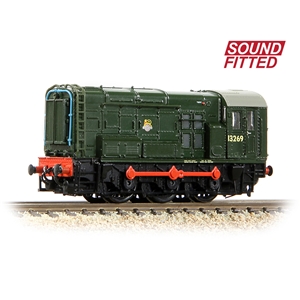
Class 08 13269 BR Green (Early Emblem) With DCC Sound
'N' GaugeReleased: 30/10/24 DCC FittedDCC SoundEra 4
The Class 08 is a legend of the British Rail Locomotive fleet, and we are delighted to offer this Graham Farish model of the 08 with a new, DCC-compatible chassis, and this example is finished as No. 13287 in BR Green livery with Early Emblem complete with SOUND FITTED.
N scale modellers running DCC can now quickly and easily add the iconic Class 08 diesel shunter to their fleet with this new Graham Farish model. The highly detailed body is constructed from numerous separate components, including handrails, lamps, lamp brackets and whistle, whilst the chassis features the distinctive outside frames that are synonymous with the 08s along with metal sand pipes and separate brake rigging. As you would expect, the livery application is second to none and is achieved using authentic colours, logos and fonts. Suitable for use on DCC or analogue control straight out of the box, this SOUND FITTED model will take your enjoyment to the next level with its authentic sound effects which only enhance the model’s good looks!
Our Price:
£212.45
£212.45
 39-050JPF
BR Mk1 TSO Tourist Second Open BR Blue & Grey With Passengers Fitted
'OO' GaugeReleased: 30/10/24Era 6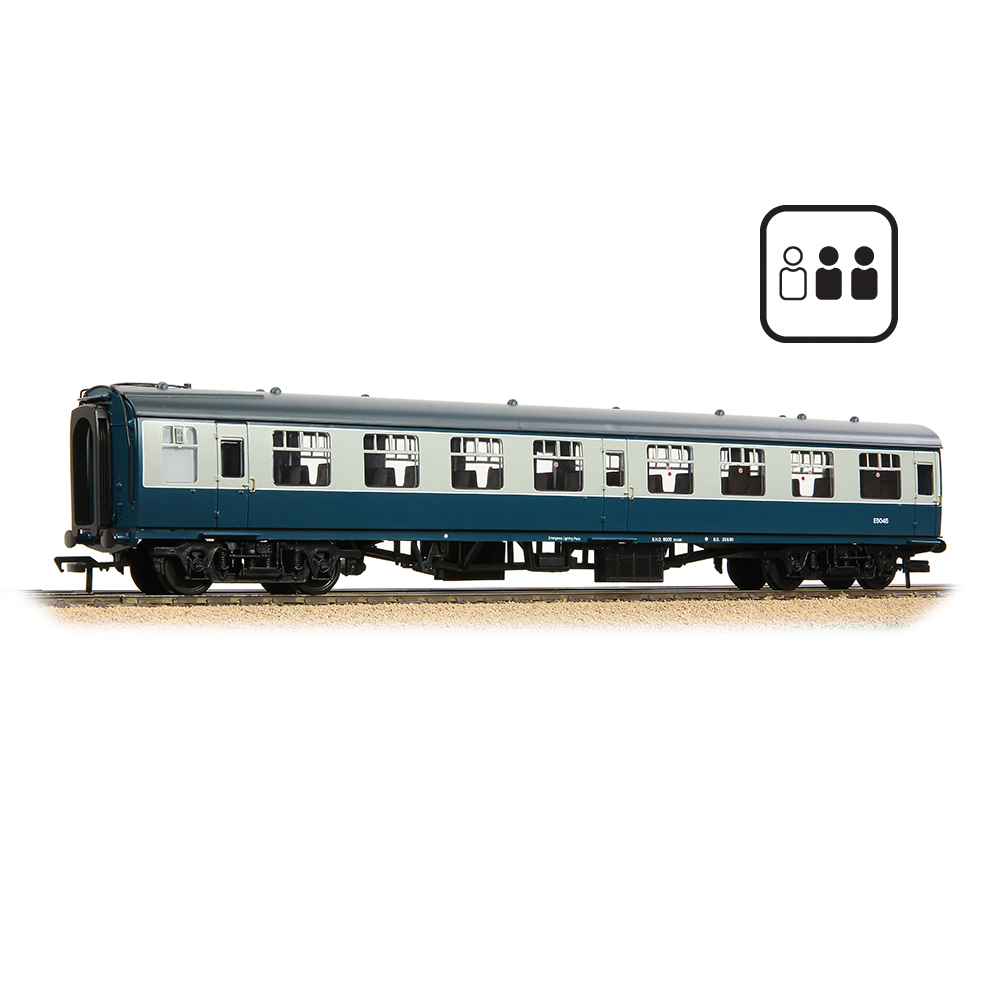
Our Price:
£62.95
£62.95
39-055ABR Mk1 TSO Tourist Second Open BR InterCity (Executive)
'OO' GaugeReleased: 30/10/24Era 8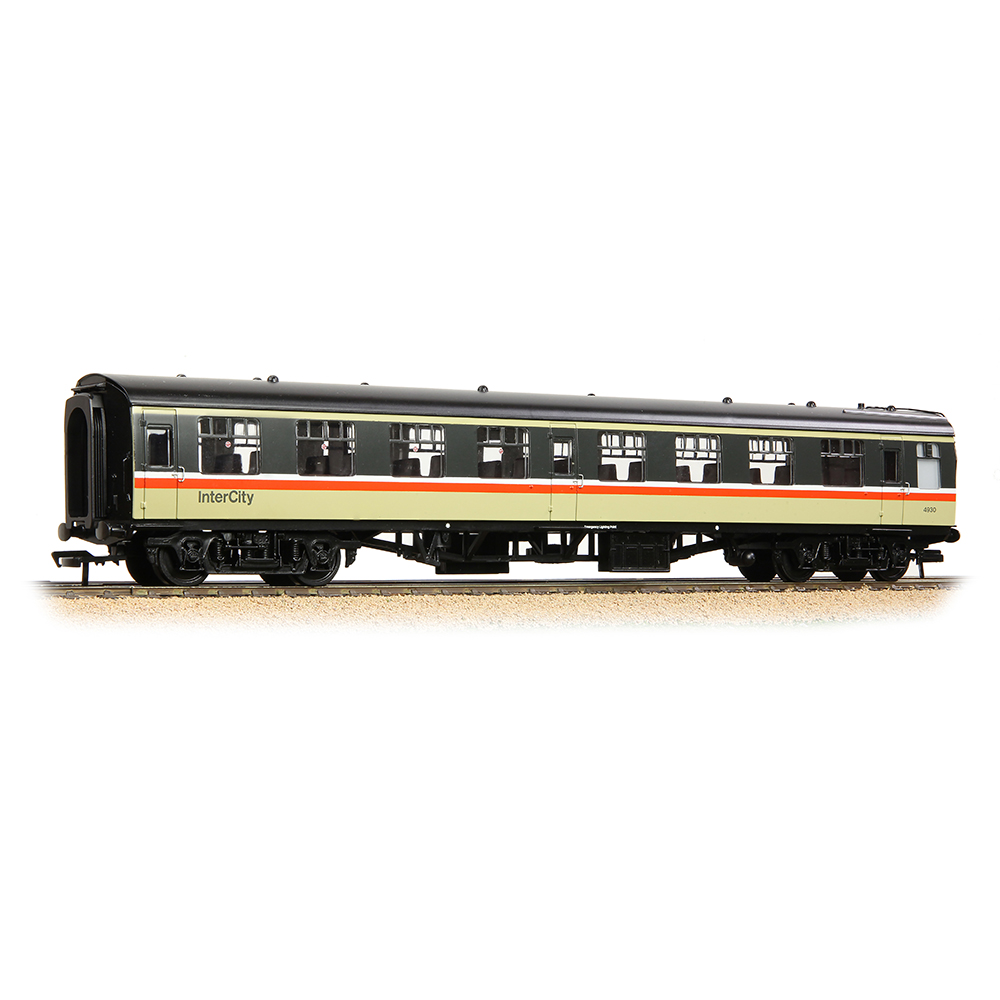
Our Price:
£53.95
£53.95
39-055APFBR Mk1 TSO Tourist Second Open BR InterCity (Executive) With Passengers Fitted
'OO' GaugeReleased: 30/10/24Era 8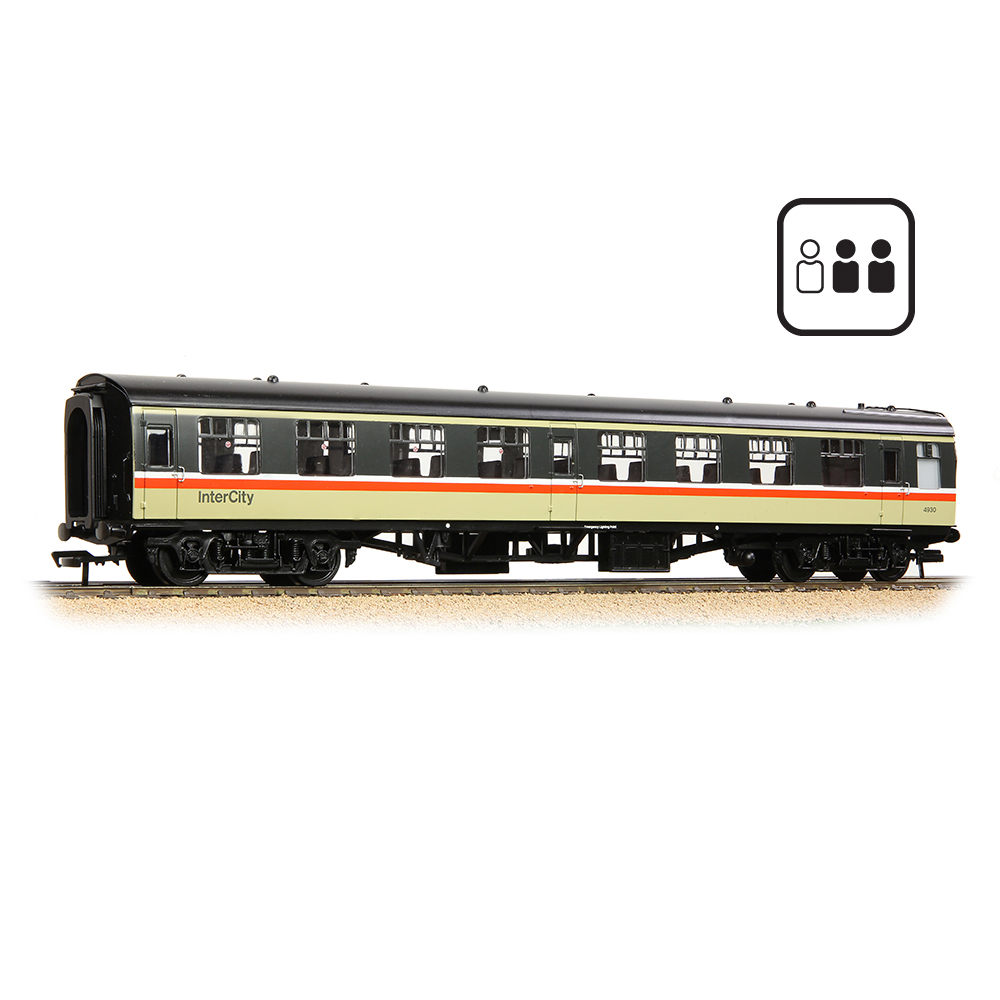
Our Price:
£62.95
£62.95
39-080ABR Mk1 BSK Brake Second Corridor BR InterCity (Executive)
'OO' GaugeReleased: 30/10/24Era 8
Our Price:
£53.95
£53.95
39-080APFBR Mk1 BSK Brake Second Corridor BR InterCity (Executive) With Passengers Fitted
'OO' GaugeReleased: 30/10/24Era 8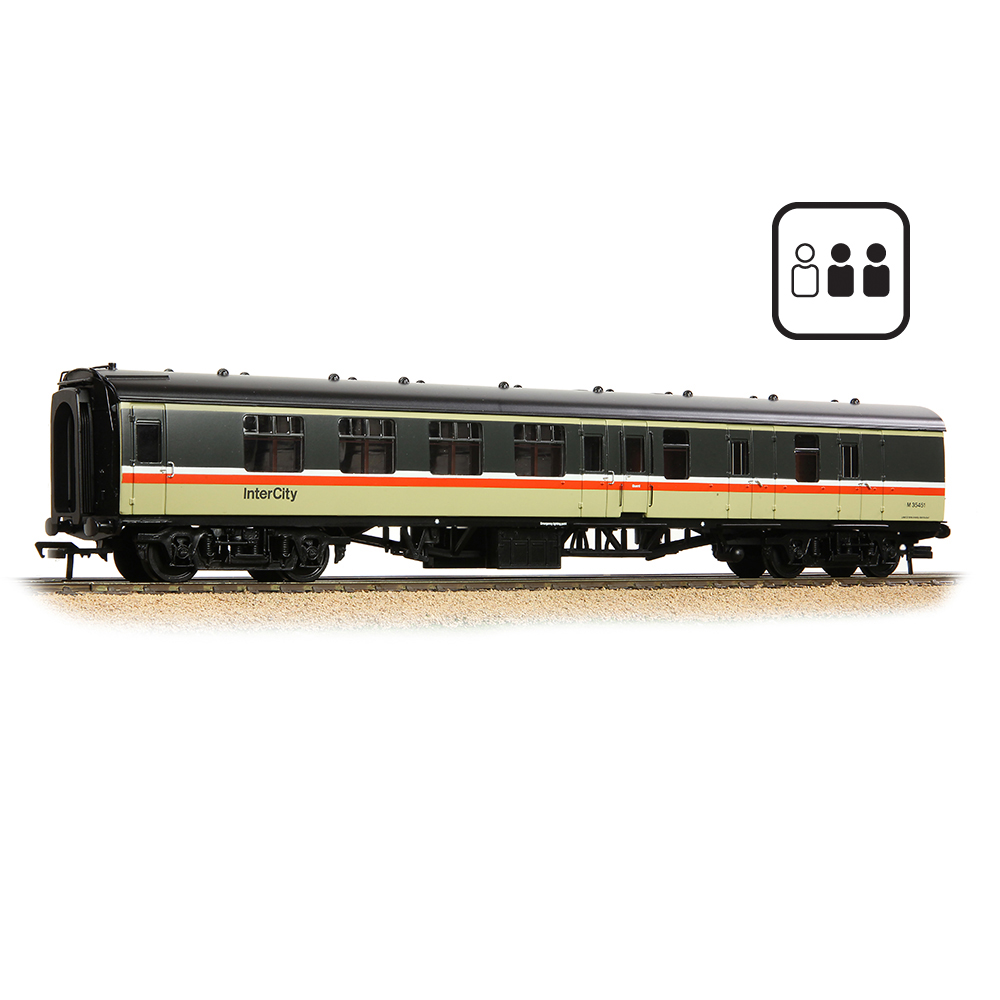
Our Price:
£62.95
£62.95
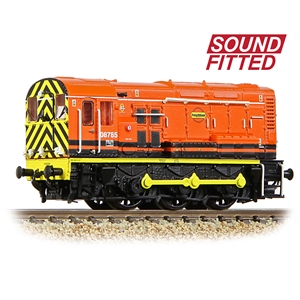
371-018ASFClass 08 08785 Freightliner G&W With DCC Sound Fitted
'N' GaugeReleased: 07/11/24DCC FittedDCC SoundEra 9The first diesel shunters were pioneered by the LMS which began trialling designs during the 1930s. It soon became apparent that this form of traction offered many advantages over the steam locomotive – the former being ‘ready to use’ as and when required, whereas steam locos had to be kept at the ready even when not required immediately – with the obvious staffing and fuel costs associated with doing so. By the time of Nationalisation in 1948, the LMS had built various shunters and the 12033 series was adopted by BR as the basis for a new standard design of diesel-electric shunting locomotive. As a stop gap whilst the Class 08 was being developed, BR constructed further 12033 series locomotives and these would later be designated as Class 11s.
Production of the 08s began in 1952 with the first example, No. 13000, entering traffic in 1953. Construction continued until 1962 and during the ten year period, 996 locomotives were built making the Class 08 the most numerous of all British locomotive classes. In addition, construction of the near-identical Class 09s (26 examples) and Class 10s (171) took the total well above a thousand – the former differed in having higher gearing whilst the latter had different engines and transmission.
Built ‘in-house’ at BR’s Crewe, Darlington, Derby, Doncaster and Horwich Works, the 08s were allocated across the BR regions, with many being based at major stations and terminals where stock was marshalled and positioned ready for service, where trains were divided or merged, and of course at many freight facilities. Although they had a top speed of just 15 mph, what the 08s lacked in speed they more than made up for with tractive effort which was more than double that of the 03s and 04s.
Although the first example was withdrawn in 1967, just four had gone prior to the introduction of TOPS and despite an ever-decreasing need for shunting locomotives, around a quarter of the Class remained in traffic at the start of the 21st century. Upon Privatisation of British Rail in 1994, EWS inherited many of the survivors, with others going to passenger operators for use as depot shunters. More than a decade later EWS was still operating over 40 of the shunters, with many more in store. Even today, Class 08s can still be found earning their keep at numerous depots, freight facilities and railway workshops. Meanwhile, ever since the first withdrawals Class 08s have been popular machines with heritage railways and today, more than 70 have found a new lease of life in preservation – often carrying out similar tasks to those for which they were designed some seven decades ago.
Our Price:
£208.20
£208.20
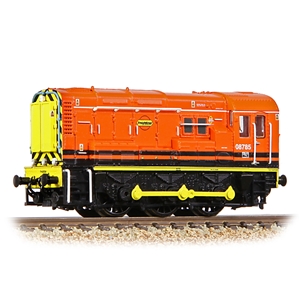
371-018AClass 08 08785 Freightliner G&W
'N' GaugeReleased: 07/11/24DCC Ready (Next18)Era 9The first diesel shunters were pioneered by the LMS which began trialling designs during the 1930s. It soon became apparent that this form of traction offered many advantages over the steam locomotive – the former being ‘ready to use’ as and when required, whereas steam locos had to be kept at the ready even when not required immediately – with the obvious staffing and fuel costs associated with doing so. By the time of Nationalisation in 1948, the LMS had built various shunters and the 12033 series was adopted by BR as the basis for a new standard design of diesel-electric shunting locomotive. As a stop gap whilst the Class 08 was being developed, BR constructed further 12033 series locomotives and these would later be designated as Class 11s.
Production of the 08s began in 1952 with the first example, No. 13000, entering traffic in 1953. Construction continued until 1962 and during the ten year period, 996 locomotives were built making the Class 08 the most numerous of all British locomotive classes. In addition, construction of the near-identical Class 09s (26 examples) and Class 10s (171) took the total well above a thousand – the former differed in having higher gearing whilst the latter had different engines and transmission.
Built ‘in-house’ at BR’s Crewe, Darlington, Derby, Doncaster and Horwich Works, the 08s were allocated across the BR regions, with many being based at major stations and terminals where stock was marshalled and positioned ready for service, where trains were divided or merged, and of course at many freight facilities. Although they had a top speed of just 15 mph, what the 08s lacked in speed they more than made up for with tractive effort which was more than double that of the 03s and 04s.
Although the first example was withdrawn in 1967, just four had gone prior to the introduction of TOPS and despite an ever-decreasing need for shunting locomotives, around a quarter of the Class remained in traffic at the start of the 21st century. Upon Privatisation of British Rail in 1994, EWS inherited many of the survivors, with others going to passenger operators for use as depot shunters. More than a decade later EWS was still operating over 40 of the shunters, with many more in store. Even today, Class 08s can still be found earning their keep at numerous depots, freight facilities and railway workshops. Meanwhile, ever since the first withdrawals Class 08s have been popular machines with heritage railways and today, more than 70 have found a new lease of life in preservation – often carrying out similar tasks to those for which they were designed some seven decades ago.
Our Price:
£123.20
£123.20
33-088B5 Plank China Clay Wagon GWR Grey with Tarpaulin Cover
'OO' GaugeReleased: 07/11/24Era 3
Our Price:
£20.65
£20.65