
Search results
 35-82SF
Class 31/1 Refurbished 31188 BR Engineers Grey & Yellow With DCC Sound Fitted
 'OO' Gauge
 Released: 19/12/25
 DCC FittedDCC Sound
 Era 8
Era 8The Brush Type Twos – Class 30s and Class 31s – by Bachmann Branchline are back and better than ever, now featuring a Bach-Up Stay Alive System fitted as standard and all-wheel electrical pickup assuring the smooth and powerful performance you’ve come to expect from Bachmann Branchline models.
Depicting a Refurbished Class 31/1, this locomotive has had its Mirrlees engine replaced with an English Electric 12SVT and the Branchline model faithfully recreates this, with the correct roof exhaust ports and 12SVT engine block detail visible through the bodyside windows.
With high fidelity mouldings, numerous separately fitted parts and countless tooling variations to capture the minutiae of the real locomotives throughout their lives, our new Class 30 is brought to life with an exquisite livery application using true-to-prototype colours, fonts and logos. Along with an unprecedented array of lighting features, our Dual Fitted speaker system is fitted to all models – bringing to life this SOUND FITTED model

Our Price:
£276.20
£276.20
50-004Class 66/8 66847 'Terry Baker' Colas Rail Freight
'OO' GaugeReleased: 19/12/25DCC Ready (PluX22)Era 9The Class 66 Diesel Locomotive revolutionised the British rail freight landscape when the first examples arrived in 1998, and more than a quarter of a century later, the type remains at the forefront of freight operations the length and breadth of the country. Now, we are delighted to present the all-new Bachmann Branchline OO Scale Class 66 which has been designed from the rails up, capturing this modern icon like never before.

Our Price:
£195.45
£195.45
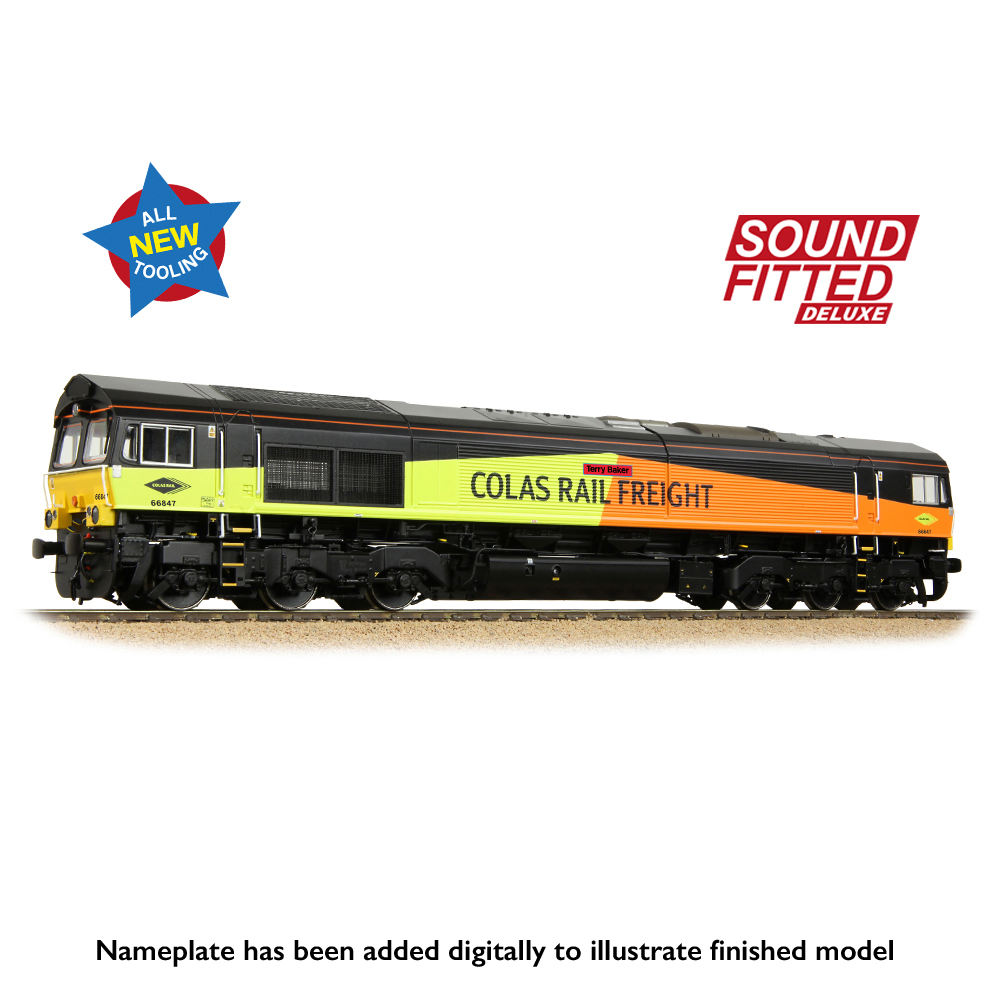
50-004SFXClass 66/8 66847 'Terry Baker' Colas Rail Freight With DCC Sound Deluxe
'OO' GaugeReleased: 19/12/25DCC FittedDCC SoundEra 9The Class 66 Diesel Locomotive revolutionised the British rail freight landscape when the first examples arrived in 1998, and more than a quarter of a century later, the type remains at the forefront of freight operations the length and breadth of the country. Now, we are delighted to present the all-new Bachmann Branchline OO Scale Class 66 which has been designed from the rails up, capturing this modern icon like never before.
Our Price:
£314.45
£314.45
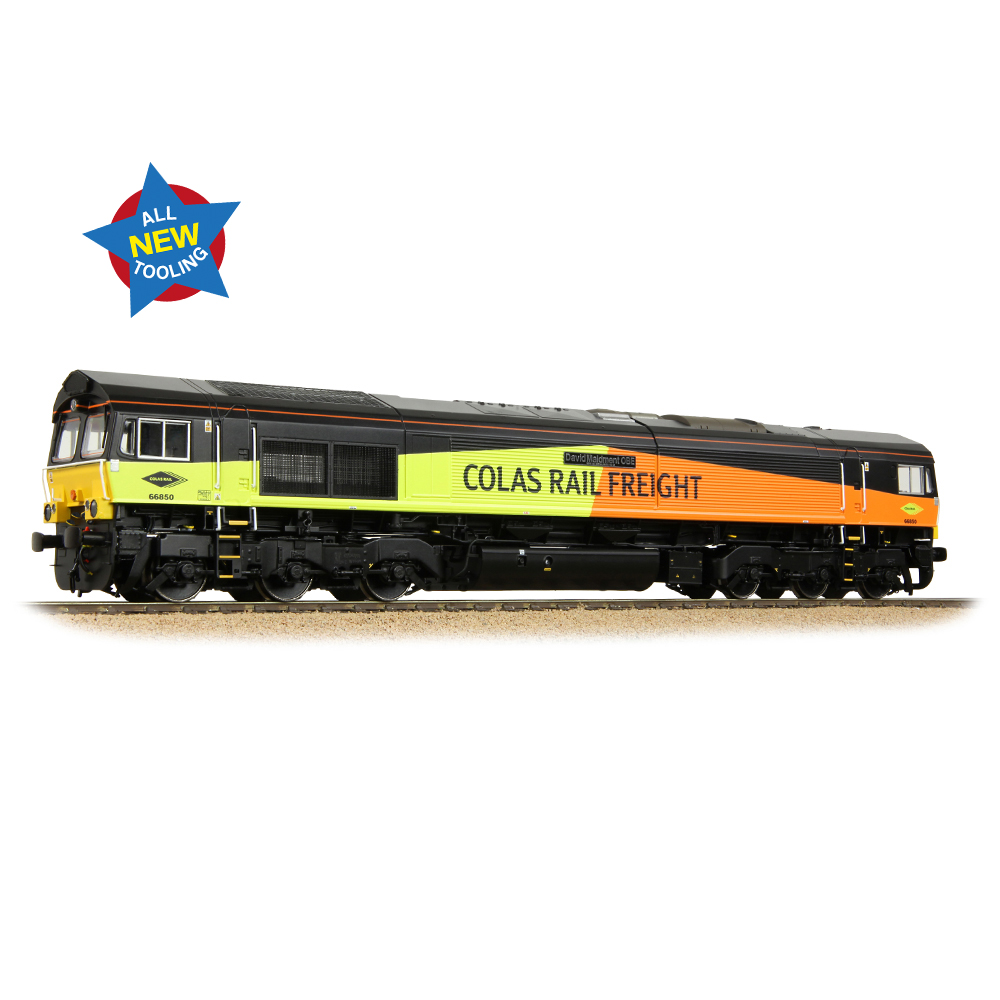
50-004AClass 66/8 66850 'David Maidment OBE' Colas Rail Freight
'OO' GaugeReleased: 19/12/25DCC Ready (PluX22)Era 9The Class 66 Diesel Locomotive revolutionised the British rail freight landscape when the first examples arrived in 1998, and more than a quarter of a century later, the type remains at the forefront of freight operations the length and breadth of the country. Now, we are delighted to present the all-new Bachmann Branchline OO Scale Class 66 which has been designed from the rails up, capturing this modern icon like never before.
Our Price:
£195.45
£195.45
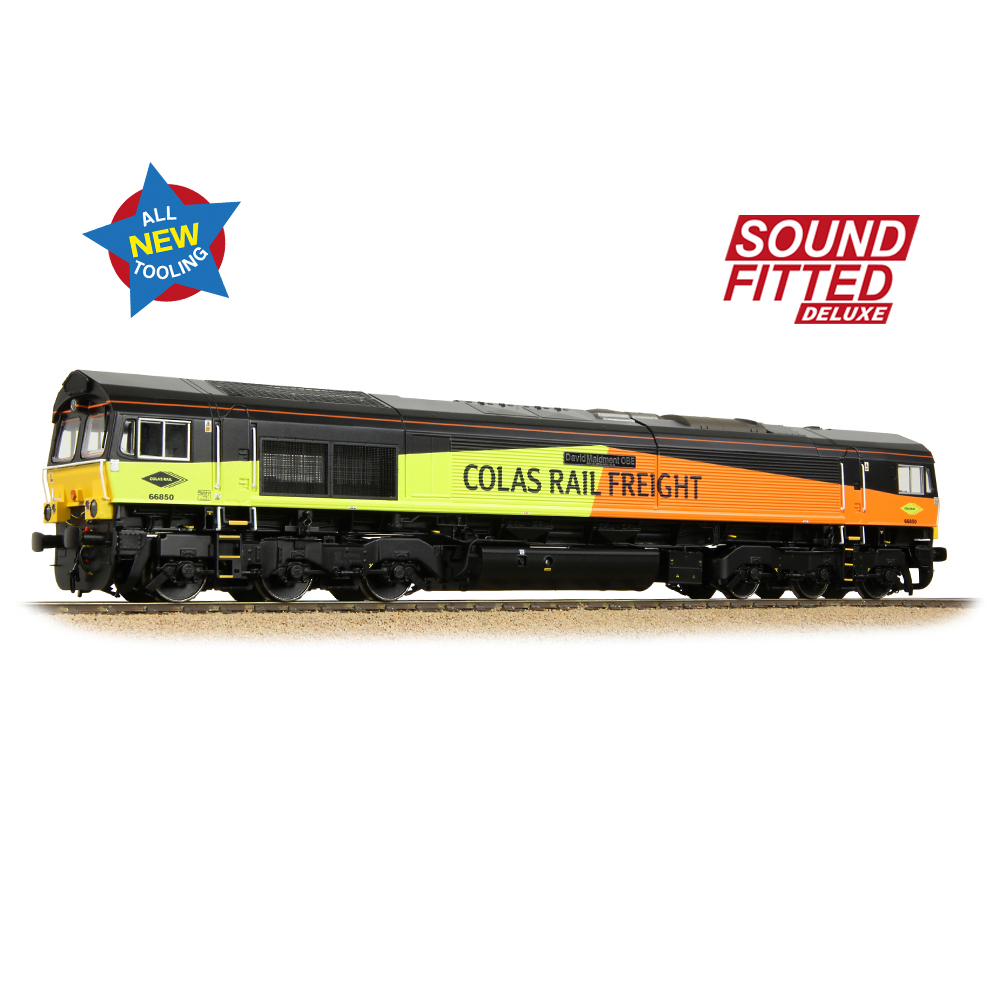
40-004ASFXClass 66/8 66850 'David Maidment OBE' Colas Rail Freight DCC Sound Deluxe
'OO' GaugeReleased: 19/12/25DCC FittedDCC SoundEra 9The Class 66 Diesel Locomotive revolutionised the British rail freight landscape when the first examples arrived in 1998, and more than a quarter of a century later, the type remains at the forefront of freight operations the length and breadth of the country. Now, we are delighted to present the all-new Bachmann Branchline OO Scale Class 66 which has been designed from the rails up, capturing this modern icon like never before.
Our Price:
£314.45
£314.45
 371-337
Class 150/2 2-Car DMU 150232 GWR Green (FirstGroup)
'N' GaugeReleased: 24/12/25DCC Ready (6 Pin)Era 9he Class 150 Diesel Multiple Unit (DMU) is an enduring design, first introduced in 1984 much of the fleet remains in service today with operators including GWR FirstGroup. The striking green livery of GWR adorns the Graham Farish Class 150 DMU for the first time and we’ve selected 150/2 No. 150232 as the subject for this sublime N Scale model. The 150/2 sub-class is characterised by the gangway doors fitted to the cab ends, allowing two or more units to work in multiple whilst allowing access from one unit to another.

Our Price:
£212.45
£212.45
371-337SFClass 150/2 2-Car DMU 150232 GWR Green (FirstGroup) With DCC Sound Fitted
'N' GaugeReleased: 24/12/25DCC FittedDCC SoundEra 9he Class 150 Diesel Multiple Unit (DMU) is an enduring design, first introduced in 1984 much of the fleet remains in service today with operators including GWR FirstGroup. The striking green livery of GWR adorns the Graham Farish Class 150 DMU for the first time and we’ve selected 150/2 No. 150232 as the subject for this sublime N Scale model which comes complete with SOUND FITTED. The 150/2 sub-class is characterised by the gangway doors fitted to the cab ends, allowing two or more units to work in multiple whilst allowing access from one unit to another.
Constructed from a highly detailed bodyshell which is adorned with separate components like the cab front handrails, gangway connectors and exhaust, the Graham Farish model replicates the Class 150/2 faithfully. The chassis boasts a suite of parts to depict the engine, drive train, electrical gear and auxiliary equipment, while inside the model, passenger seating is included along with cab detail. The livery application, using authentic colours and accurate typefaces and logos just enhances the model’s good looks, while the powerful and smooth drive mechanism and pre-fitted DCC decoders in this SOUND FITTED model makes the Class 150 DMU the perfect addition to any modern N scale collection.

Our Price:
£305.95
£305.95
39-653ABR Mk2F FO First Open BR InterCity (Swallow)
'OO' GaugeReleased: 24/12/25Era 8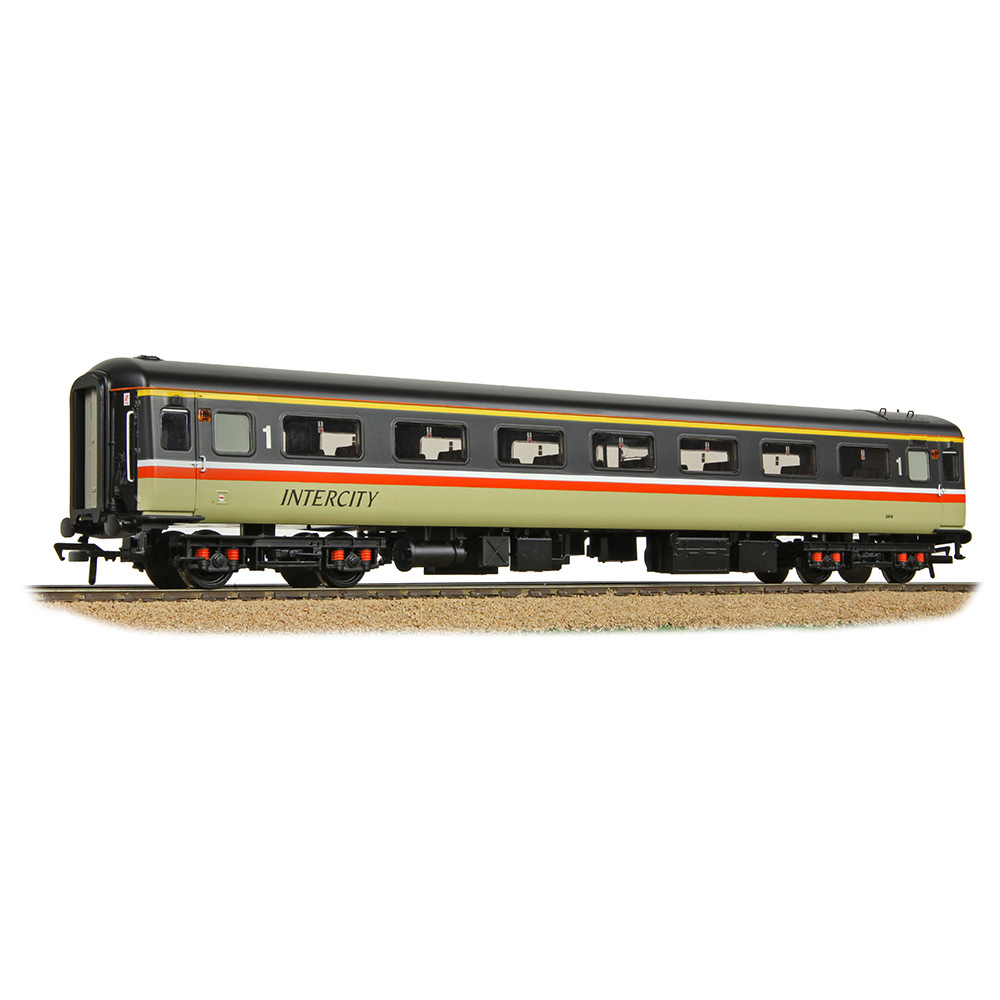
Our Price:
£80.95
£80.95
39-653ADCBR Mk2F FO First Open BR InterCity (Swallow) DCC On Board
'OO' GaugeReleased: 24/12/25DCC FittedEra 8
Our Price:
£98.95
£98.95
39-725ADCBR Mk2F DBSO Driving Brake Second Open BR Blue & Grey (Inter-City) DCC On Board
'OO' GaugeReleased: 24/12/25DCC FittedEra 8
Our Price:
£134.95
£134.95