
Search results
 38-678A
 Shunters Truck BR Departmental Black
 'OO' Gauge
 Released: 15/03/22
 Era 4
Era 4
Our Price:
£33.25
£33.25
38-870BR 12T 'Vanwide' Ventilated Van BR Bauxite (Early)
Released: 15/03/22Era 5
Our Price:
£35.95
£35.95
38-871BR 12T 'Vanwide' Ventilated Van BR Bauxite (Late) (VANWIDE)
'OO' GaugeReleased: 15/03/22Era 6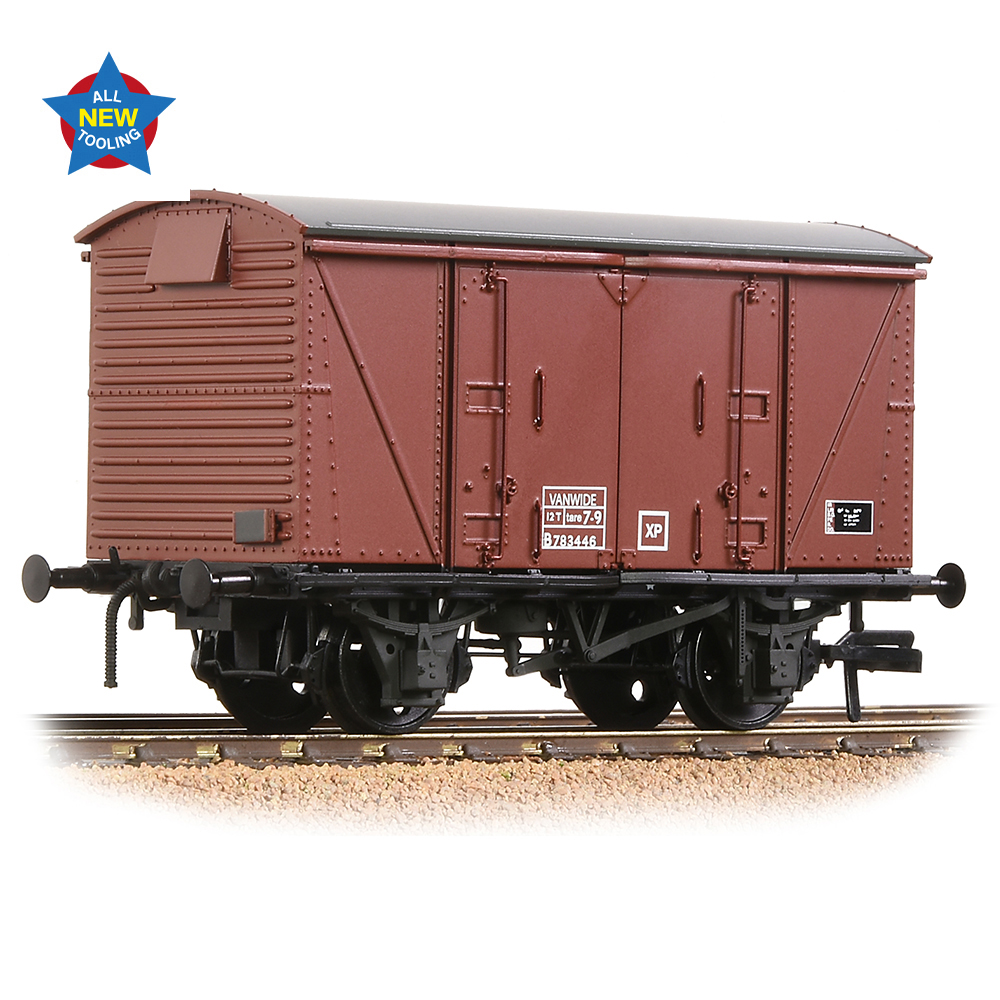
Our Price:
£35.95
£35.95
38-872BR 12T 'Vanwide' Ventilated Van BR Bauxite (Late) (VAN)
'OO' GaugeReleased: 15/03/22Era 6
Our Price:
£35.95
£35.95
38-873BR 12T 'Vanwide' Ventilated Van BR Bauxite (TOPS) [W]
'OO' GaugeReleased: 15/03/22Era 7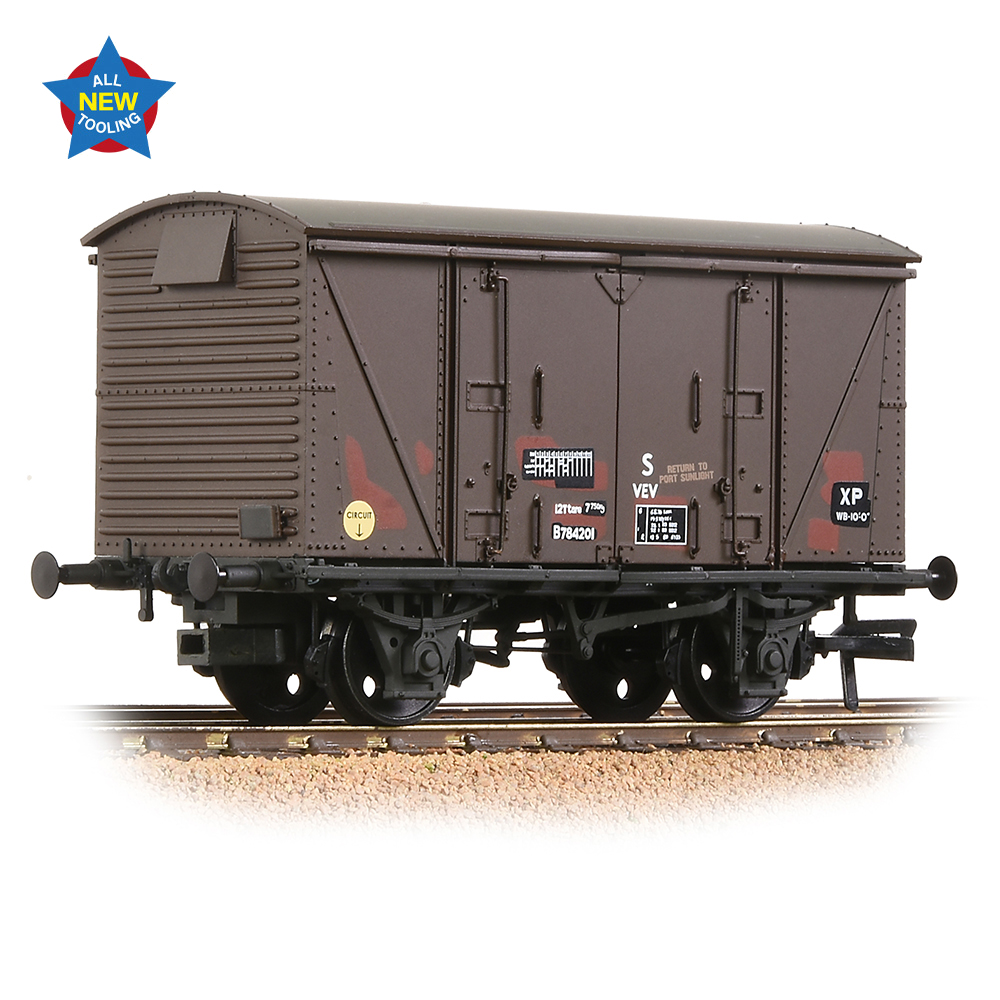
Our Price:
£35.95
£35.95
38-880BR VEA Van BR Bauxite (TOPS)
'OO' GaugeReleased: 15/03/22Era 7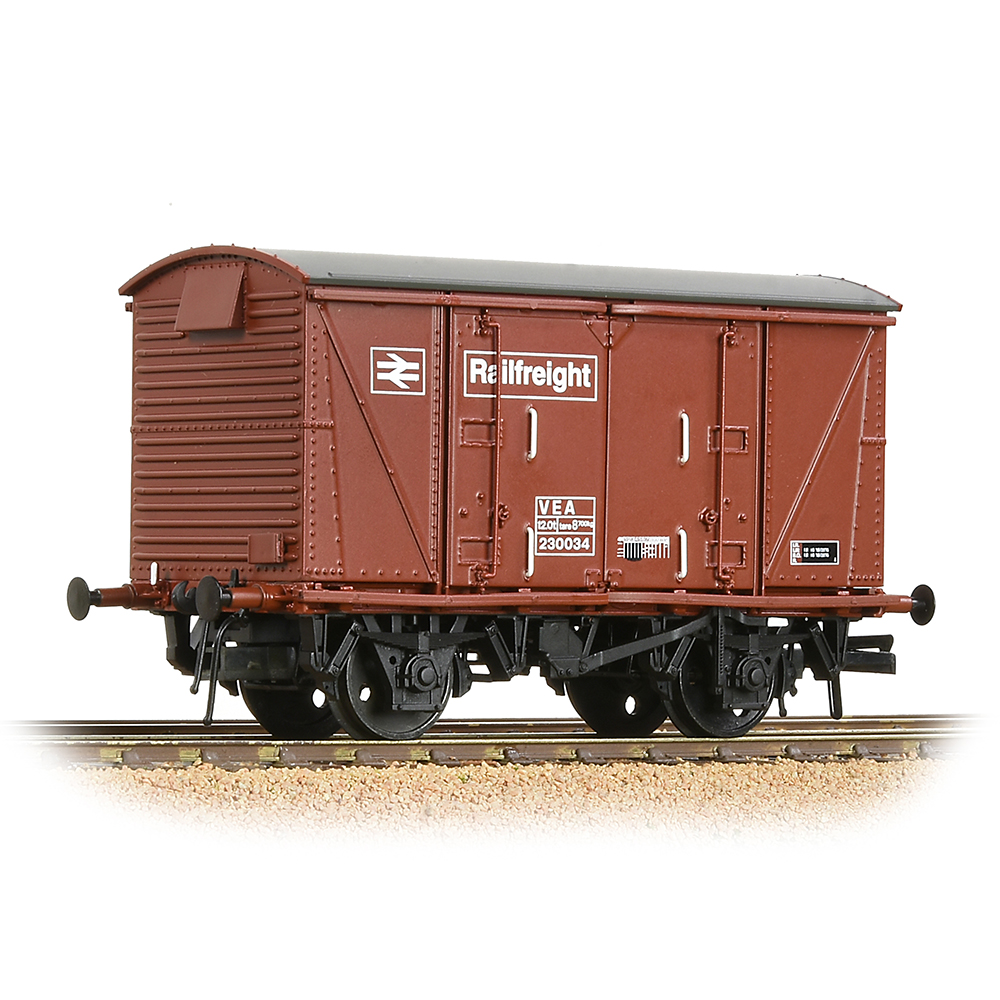
Our Price:
£35.95
£35.95
38-881BR VEA Van BR Railfreight Red & Grey
'OO' GaugeReleased: 15/03/22Era 7/8
Our Price:
£35.95
£35.95
38-882BR VEA Van BR Railfreight Distribution Sector
'OO' GaugeReleased: 15/03/22Era 8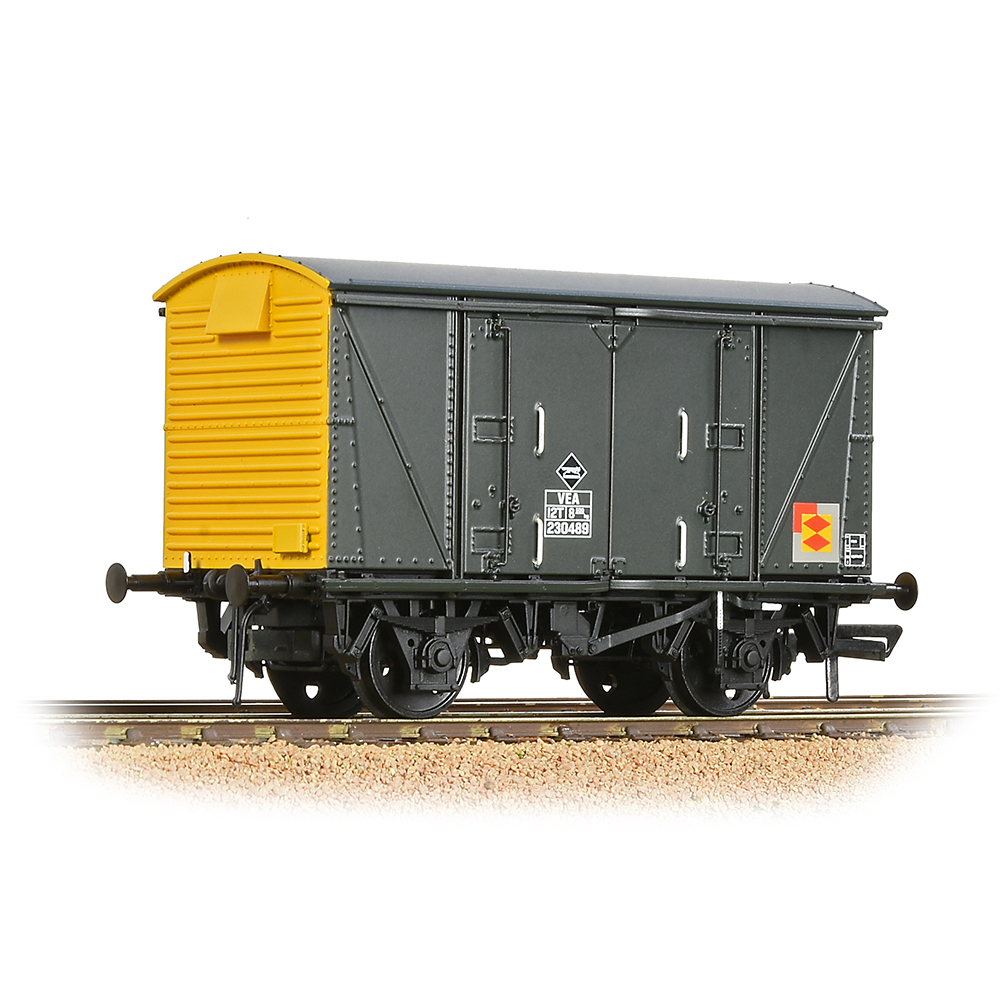
Our Price:
£35.95
£35.95
38-883BR VEA Van BR Railfreight Red & Grey
'OO' GaugeReleased: 15/03/22Era 7
Our Price:
£35.95
£35.95
 371-051D
Class 04 D2289 BR Blue
'N' GaugeReleased: 16/03/22 DCC Ready (6 Pin)Era 6
CLASS 04 HISTORY
Supplied by the Drewry Car Company, the first Class 04 diesel-mechanical shunters were built in 1952 and construction continued until 1962, with a total of 142 outshopped over the ten year period. The construction was subcontracted by Drewry to two companies, Vulcan Foundry building the first whilst later examples were made by Robert Stephenson and Hawthorns. Two locomotives of the same design were built for the Central Electricity Generating Board.
Featuring a Gardner engine and using a jackshaft drive arrangement, these shunters had a top speed of 27mph and tipped the scales at just over 30 Tons. Intended for shunting duties and distributed across the British Railways regions, the Class 04 design was used as the basis of the Class 03 on which construction began in 1957. With the changing face of the railways and reduced requirements for shunting locomotives, the Class 03 was selected as BR’s standard light shunting locomotive and so the withdrawal of the 04s began in 1967. The last example was withdrawn from BR service in 1972 but several were granted a second life in private and industrial use. Today, 21 examples survive in preservation, including one of the two locos built for the Central Electricity Generating Board.

Our Price:
£110.45
£110.45