
Search results
 31-578
Windhoff MPV 2-Car Set Network Rail Yellow
 'OO' Gauge
 Released: 29/03/23
 DCC Ready (21 Pin)
 Era 9
Era 9The Windhoff MPV (Multi Purpose Vehicle) is a purpose-built two-car engineering/infrastructure train designed to meet the demands of the modern rail network. Introduced in 1999, the MPVs were introduced to replace the ageing fleet of departmental vehicles, many of which had been adapted or repurposed to meet departmental needs rather than being designed for the role they would eventually serve.

Our Price:
£271.95
£271.95
34-387Thompson Second Corridor BR Maroon
'OO' GaugeReleased: 29/03/23Era 5Entering traffic just after World War Two, the Thompson coaches were the last mainline corridor coaches to be built by the LNER, and indeed examples continued to be outshopped after Nationalisation in 1948. Utilising steel panelling, a departure from the teak panelling traditionally seen on coaches built by the LNER and its predecessors, the Thompson coaches were sleek and modern in appearance. Whilst much of the fleet would remain in service until the final days of steam, many of their hallmarks would also be seen in their successors, the British Railway Mark 1 Standard Coaching Stock.

Our Price:
£62.95
£62.95
34-387AThompson Second Corridor BR Maroon
'OO' GaugeReleased: 29/03/23Era 5Entering traffic just after World War Two, the Thompson coaches were the last mainline corridor coaches to be built by the LNER, and indeed examples continued to be outshopped after Nationalisation in 1948. Utilising steel panelling, a departure from the teak panelling traditionally seen on coaches built by the LNER and its predecessors, the Thompson coaches were sleek and modern in appearance. Whilst much of the fleet would remain in service until the final days of steam, many of their hallmarks would also be seen in their successors, the British Railway Mark 1 Standard Coaching Stock.

Our Price:
£62.95
£62.95
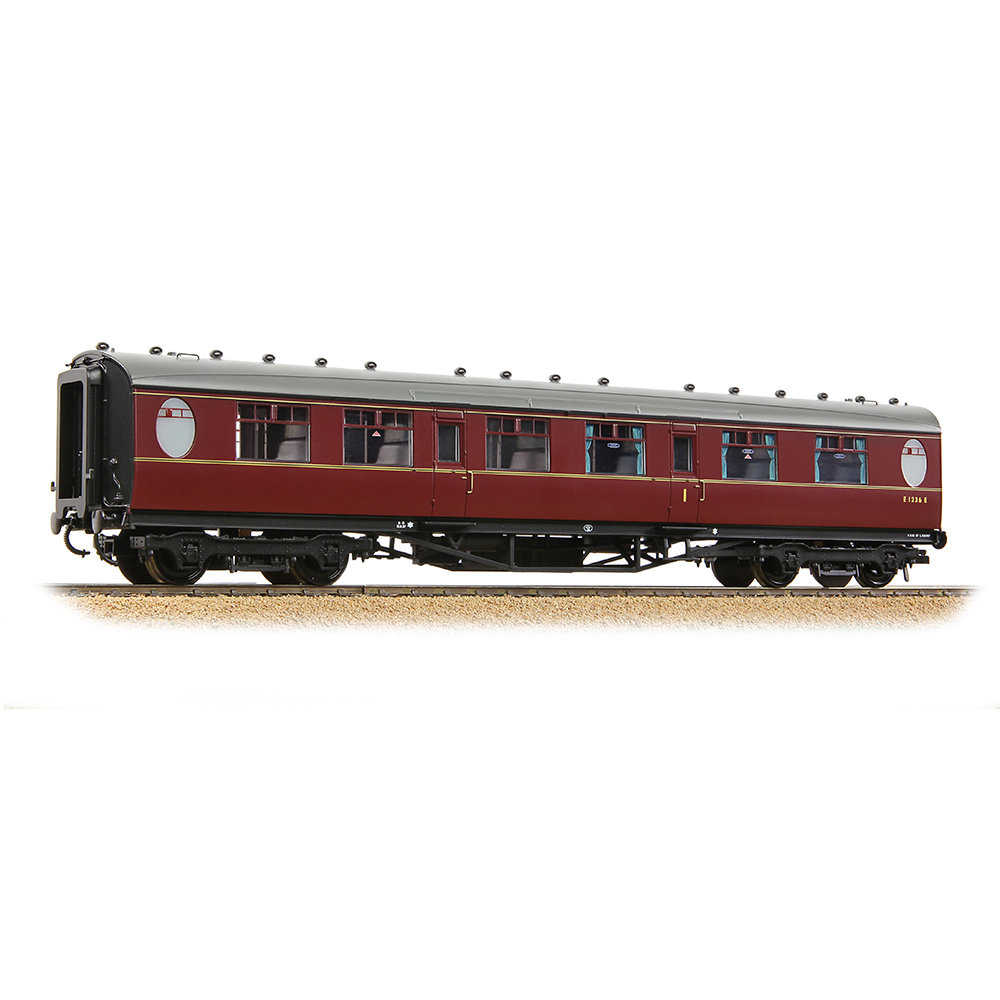
34-412Thompson Composite Corridor BR Maroon
'OO' GaugeReleased: 30/03/23Era 5Entering traffic just after World War Two, the Thompson coaches were the last mainline corridor coaches to be built by the LNER, and indeed examples continued to be outshopped after Nationalisation in 1948. Utilising steel panelling, a departure from the teak panelling traditionally seen on coaches built by the LNER and its predecessors, the Thompson coaches were sleek and modern in appearance. Whilst much of the fleet would remain in service until the final days of steam, many of their hallmarks would also be seen in their successors, the British Railway Mark 1 Standard Coaching Stock.
Our Price:
£62.95
£62.95
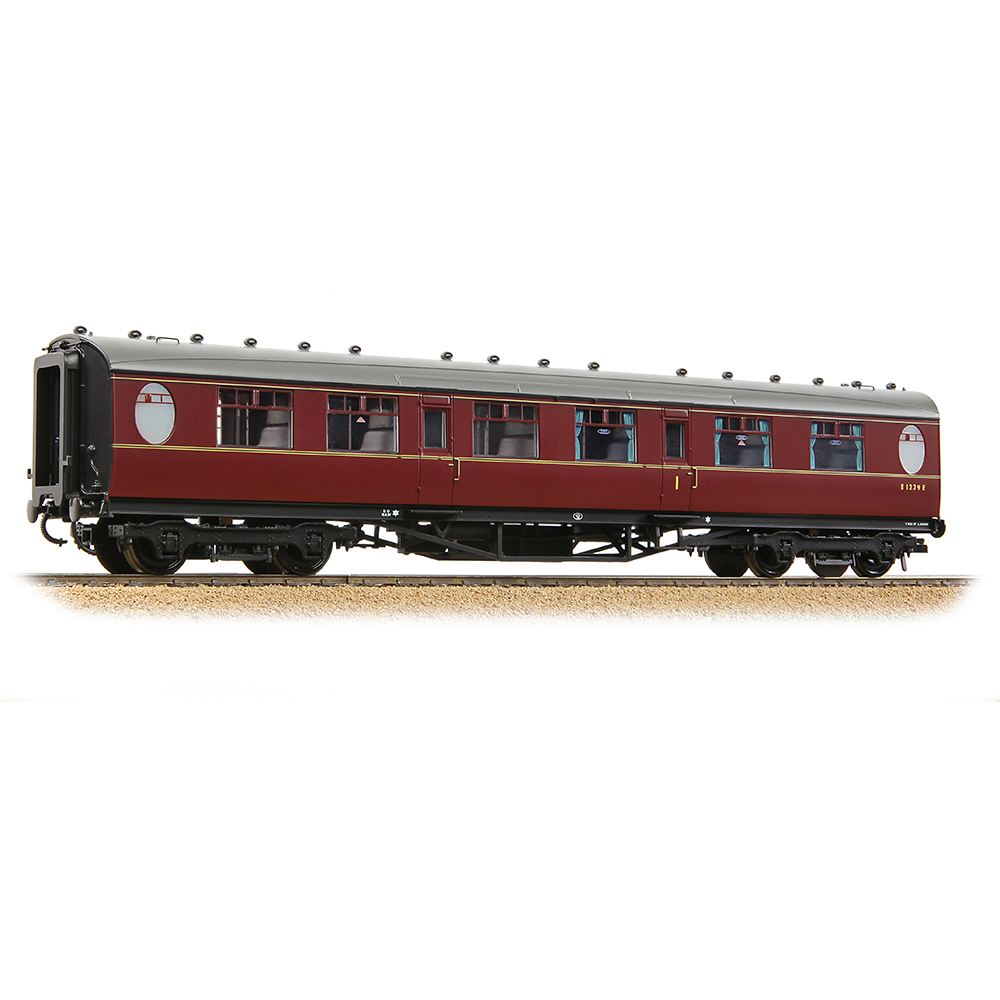
34-412AThompson Composite Corridor BR Maroon
'OO' GaugeReleased: 30/03/23Era 5Entering traffic just after World War Two, the Thompson coaches were the last mainline corridor coaches to be built by the LNER, and indeed examples continued to be outshopped after Nationalisation in 1948. Utilising steel panelling, a departure from the teak panelling traditionally seen on coaches built by the LNER and its predecessors, the Thompson coaches were sleek and modern in appearance. Whilst much of the fleet would remain in service until the final days of steam, many of their hallmarks would also be seen in their successors, the British Railway Mark 1 Standard Coaching Stock.
Our Price:
£62.95
£62.95
34-437Thompson Brake Composite Corridor BR Maroon
'OO' GaugeReleased: 30/03/23Era 5Entering traffic just after World War Two, the Thompson coaches were the last mainline corridor coaches to be built by the LNER, and indeed examples continued to be outshopped after Nationalisation in 1948. Utilising steel panelling, a departure from the teak panelling traditionally seen on coaches built by the LNER and its predecessors, the Thompson coaches were sleek and modern in appearance. Whilst much of the fleet would remain in service until the final days of steam, many of their hallmarks would also be seen in their successors, the British Railway Mark 1 Standard Coaching Stock.

Our Price:
£62.95
£62.95
34-437AThompson Brake Composite Corridor BR Maroon
'OO' GaugeReleased: 30/03/23Era 5Entering traffic just after World War Two, the Thompson coaches were the last mainline corridor coaches to be built by the LNER, and indeed examples continued to be outshopped after Nationalisation in 1948. Utilising steel panelling, a departure from the teak panelling traditionally seen on coaches built by the LNER and its predecessors, the Thompson coaches were sleek and modern in appearance. Whilst much of the fleet would remain in service until the final days of steam, many of their hallmarks would also be seen in their successors, the British Railway Mark 1 Standard Coaching Stock.

Our Price:
£62.95
£62.95
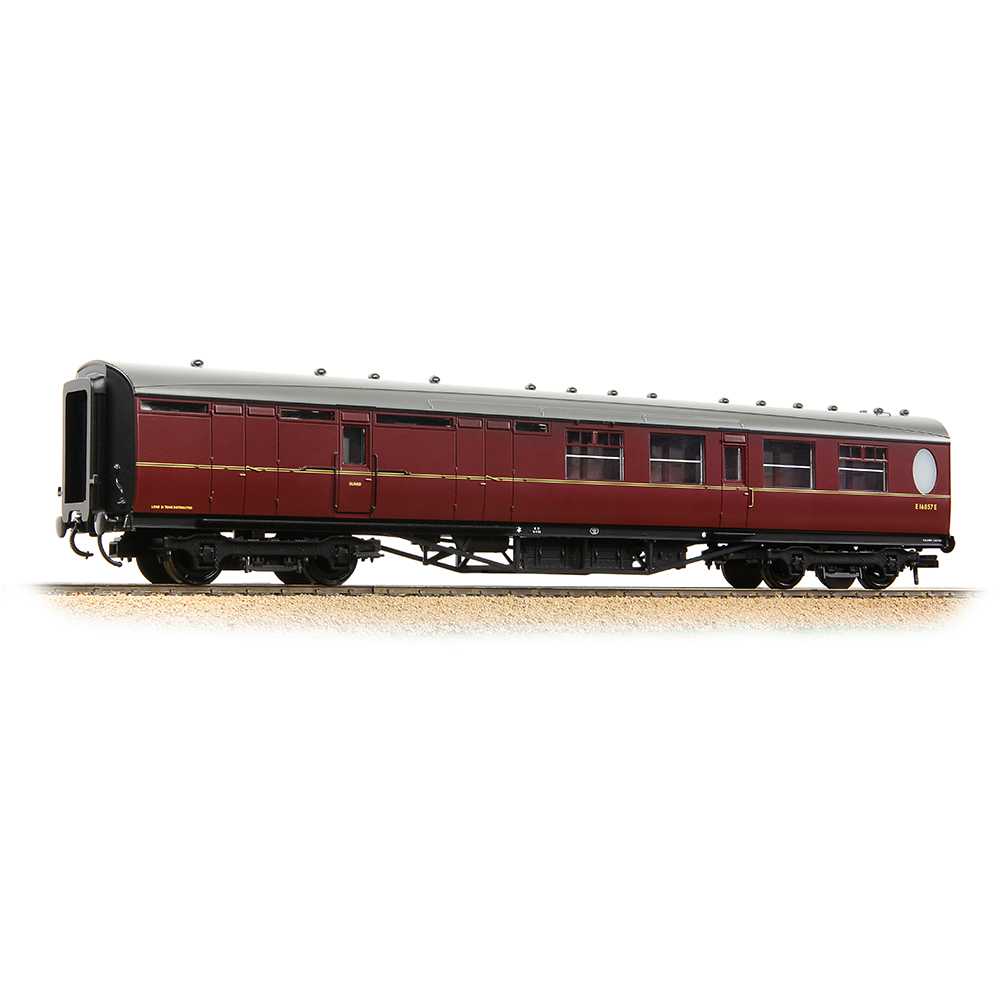
34-462Thompson Brake Second Corridor BR Maroon
'OO' GaugeReleased: 30/03/23Era 5Entering traffic just after World War Two, the Thompson coaches were the last mainline corridor coaches to be built by the LNER, and indeed examples continued to be outshopped after Nationalisation in 1948. Utilising steel panelling, a departure from the teak panelling traditionally seen on coaches built by the LNER and its predecessors, the Thompson coaches were sleek and modern in appearance. Whilst much of the fleet would remain in service until the final days of steam, many of their hallmarks would also be seen in their successors, the British Railway Mark 1 Standard Coaching Stock.
Our Price:
£62.95
£62.95
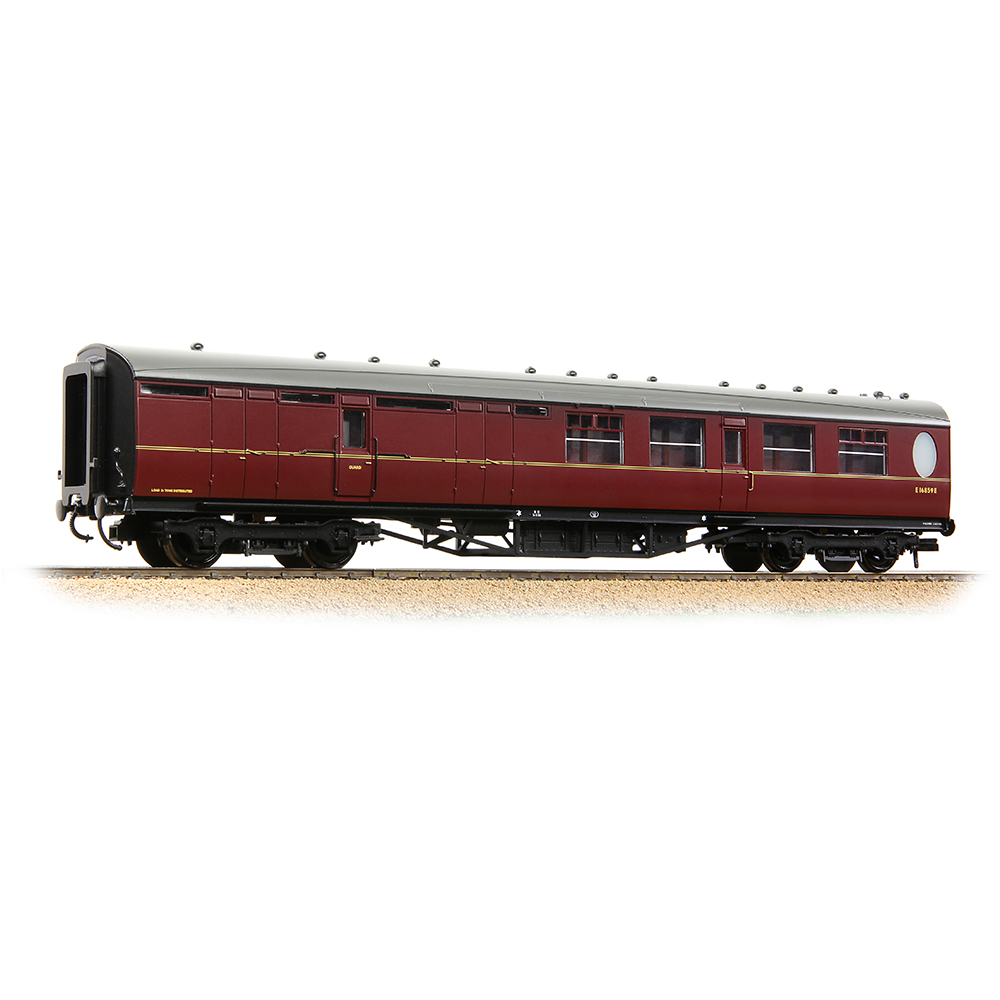
34-462AThompson Brake Second Corridor BR Maroon
'OO' GaugeReleased: 30/03/23Era 5Entering traffic just after World War Two, the Thompson coaches were the last mainline corridor coaches to be built by the LNER, and indeed examples continued to be outshopped after Nationalisation in 1948. Utilising steel panelling, a departure from the teak panelling traditionally seen on coaches built by the LNER and its predecessors, the Thompson coaches were sleek and modern in appearance. Whilst much of the fleet would remain in service until the final days of steam, many of their hallmarks would also be seen in their successors, the British Railway Mark 1 Standard Coaching Stock.
Our Price:
£62.95
£62.95
34-487Thompson First Corridor BR Maroon
'OO' GaugeReleased: 30/03/23Era 5Entering traffic just after World War Two, the Thompson coaches were the last mainline corridor coaches to be built by the LNER, and indeed examples continued to be outshopped after Nationalisation in 1948. Utilising steel panelling, a departure from the teak panelling traditionally seen on coaches built by the LNER and its predecessors, the Thompson coaches were sleek and modern in appearance. Whilst much of the fleet would remain in service until the final days of steam, many of their hallmarks would also be seen in their successors, the British Railway Mark 1 Standard Coaching Stock.

Our Price:
£62.95
£62.95