
Search results
 974008
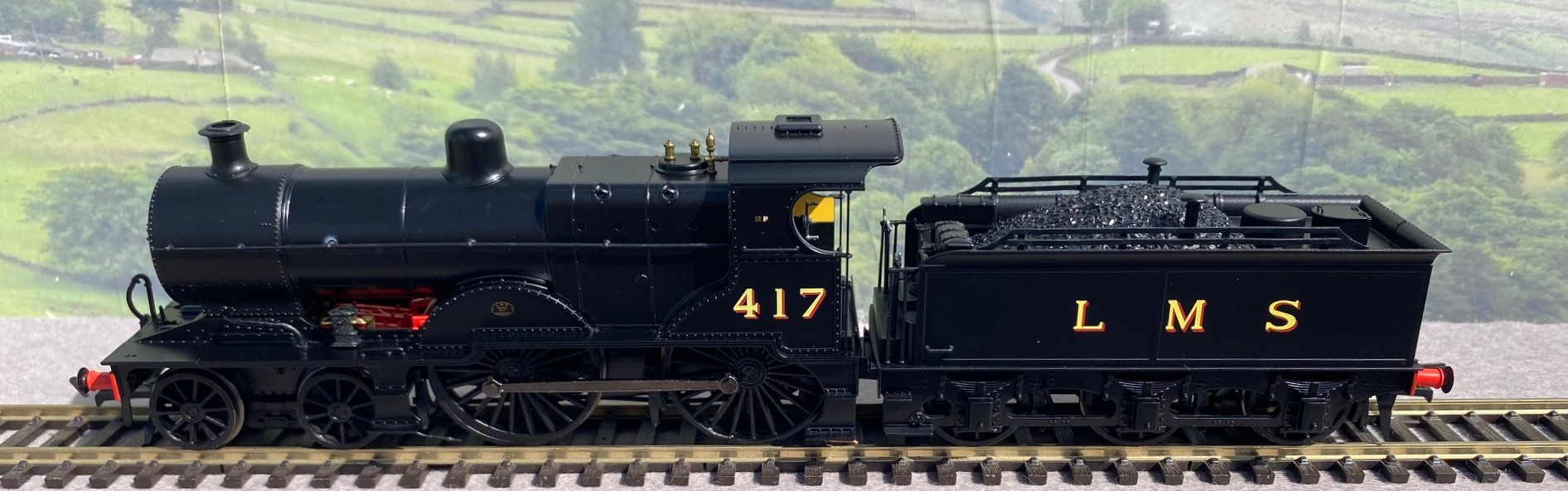
MR 483 No.417 LMS Wartime Unlined Black
 'OO' Gauge
 Released: 19/08/26
 DCC Ready (21 Pin)
 Era 3
Era 3The Midland Railway 483 Class 4-4-0 was a class of steam-driven locomotive designed by Henry Fowler for passenger work on the Midland Railway. The class were nominally "rebuilds" of various earlier classes designed by Samuel W. Johnson. This design formed the basis for the later LMS Class 2P 4-4-0.
Construction of the first batch was authorised by Midland Railway Order O/3942 dated 21 June 1911: Four more batches were authorised; in 1912, 1913, 1914 and 1922. The London, Midland and Scottish Railway (LMS) inherited these locomotives at the Grouping of the railways in 1923, completing the last of these rebuilds in 1924. Some of them entered British Railways (BR) ownership in 1948 but all were scrapped from 1950 to 1959.
Our Price:
£178.45
£178.45
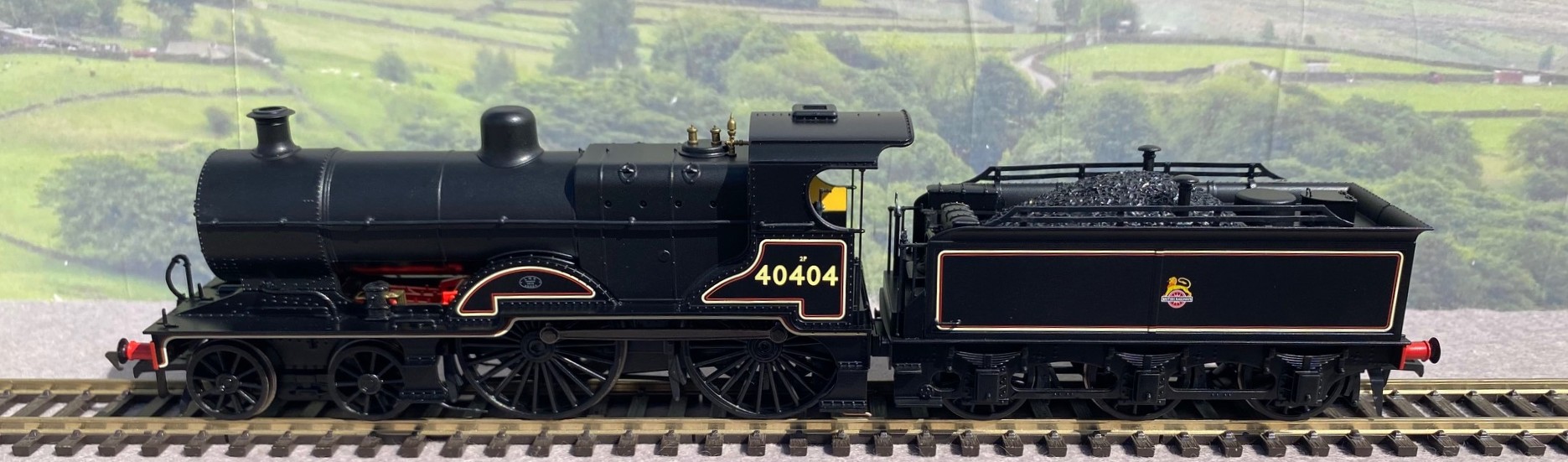
974011MR 483 No.40404 BR Lined Early Crest
'OO' GaugeReleased: 19/08/26DCC Ready (21 Pin)Era 4The Midland Railway 483 Class 4-4-0 was a class of steam-driven locomotive designed by Henry Fowler for passenger work on the Midland Railway. The class were nominally "rebuilds" of various earlier classes designed by Samuel W. Johnson. This design formed the basis for the later LMS Class 2P 4-4-0.
Construction of the first batch was authorised by Midland Railway Order O/3942 dated 21 June 1911: Four more batches were authorised; in 1912, 1913, 1914 and 1922. The London, Midland and Scottish Railway (LMS) inherited these locomotives at the Grouping of the railways in 1923, completing the last of these rebuilds in 1924. Some of them entered British Railways (BR) ownership in 1948 but all were scrapped from 1950 to 1959.
Our Price:
£178.45
£178.45
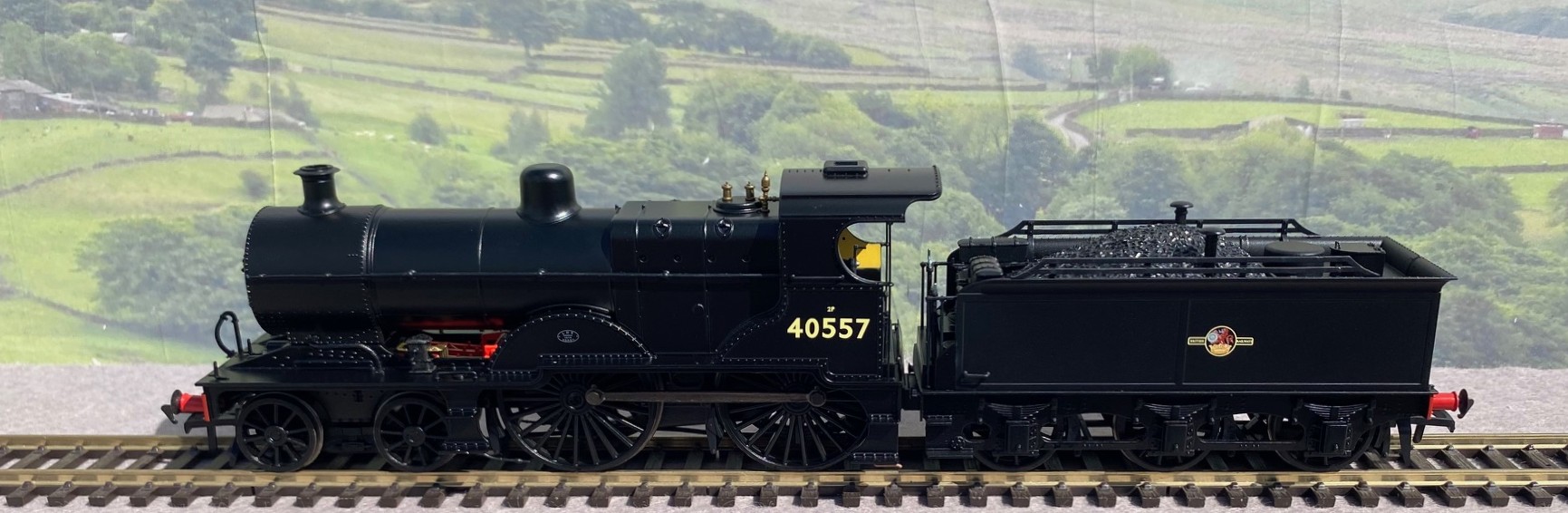
974012MR 483 No.40557 BR Late Crest
'OO' GaugeReleased: 19/08/26DCC Ready (21 Pin)Era 5The Midland Railway 483 Class 4-4-0 was a class of steam-driven locomotive designed by Henry Fowler for passenger work on the Midland Railway. The class were nominally "rebuilds" of various earlier classes designed by Samuel W. Johnson. This design formed the basis for the later LMS Class 2P 4-4-0.
Construction of the first batch was authorised by Midland Railway Order O/3942 dated 21 June 1911: Four more batches were authorised; in 1912, 1913, 1914 and 1922. The London, Midland and Scottish Railway (LMS) inherited these locomotives at the Grouping of the railways in 1923, completing the last of these rebuilds in 1924. Some of them entered British Railways (BR) ownership in 1948 but all were scrapped from 1950 to 1959.
Our Price:
£178.45
£178.45
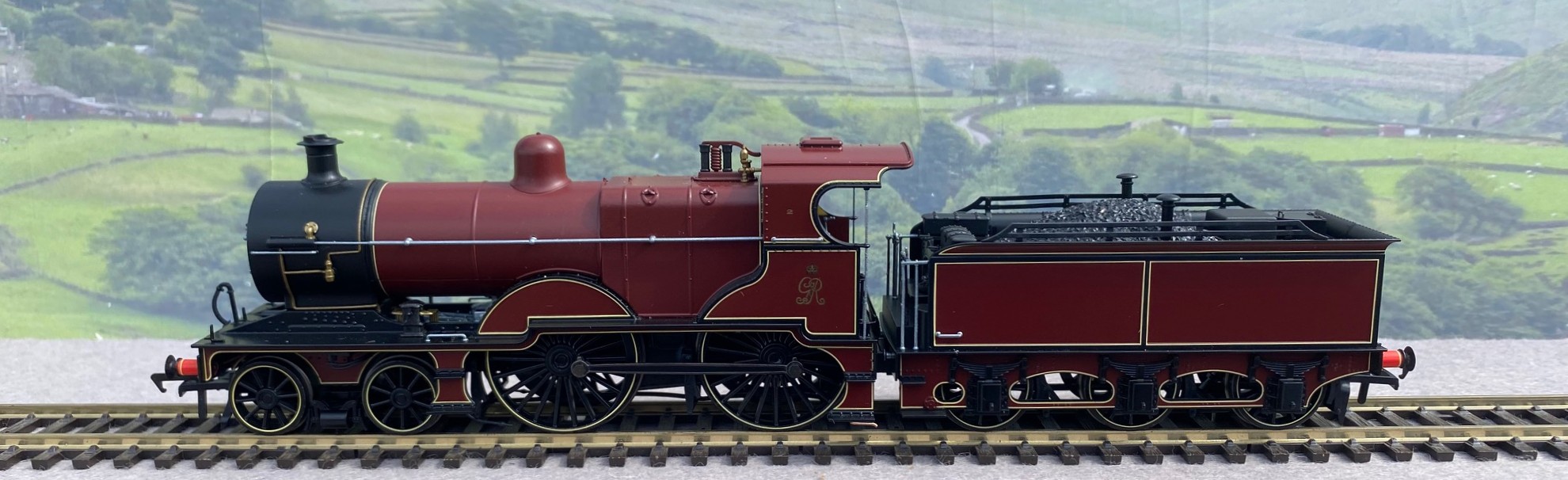
974501MR 483 No.502 Midland Railway Royal Train With DCC Sound Fitted
'OO' GaugeReleased: 19/08/26DCC FittedDCC SoundEra 2The Midland Railway 483 Class 4-4-0 was a class of steam-driven locomotive designed by Henry Fowler for passenger work on the Midland Railway. The class were nominally "rebuilds" of various earlier classes designed by Samuel W. Johnson. This design formed the basis for the later LMS Class 2P 4-4-0.
Construction of the first batch was authorised by Midland Railway Order O/3942 dated 21 June 1911: Four more batches were authorised; in 1912, 1913, 1914 and 1922. The London, Midland and Scottish Railway (LMS) inherited these locomotives at the Grouping of the railways in 1923, completing the last of these rebuilds in 1924. Some of them entered British Railways (BR) ownership in 1948 but all were scrapped from 1950 to 1959.
Our Price:
£271.95
£271.95
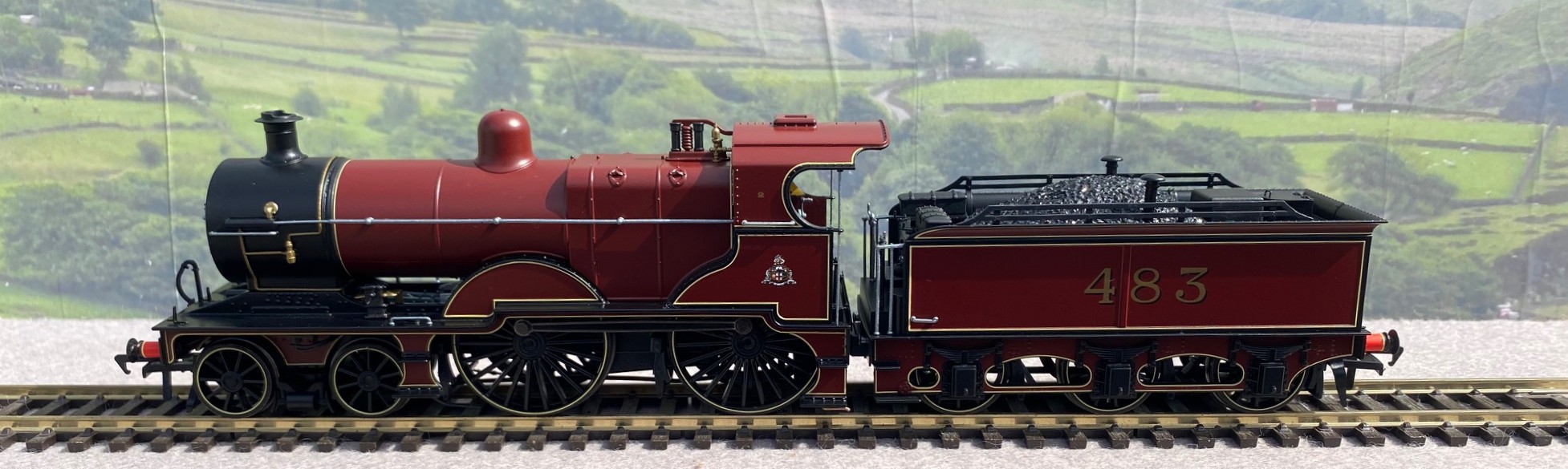
974502MR 483 No.483 Midland Railway Crimson With DCC Sound Fitted
'OO' GaugeReleased: 19/08/26DCC FittedDCC SoundEra 2The Midland Railway 483 Class 4-4-0 was a class of steam-driven locomotive designed by Henry Fowler for passenger work on the Midland Railway. The class were nominally "rebuilds" of various earlier classes designed by Samuel W. Johnson. This design formed the basis for the later LMS Class 2P 4-4-0.
Construction of the first batch was authorised by Midland Railway Order O/3942 dated 21 June 1911: Four more batches were authorised; in 1912, 1913, 1914 and 1922. The London, Midland and Scottish Railway (LMS) inherited these locomotives at the Grouping of the railways in 1923, completing the last of these rebuilds in 1924. Some of them entered British Railways (BR) ownership in 1948 but all were scrapped from 1950 to 1959.
Our Price:
£271.95
£271.95
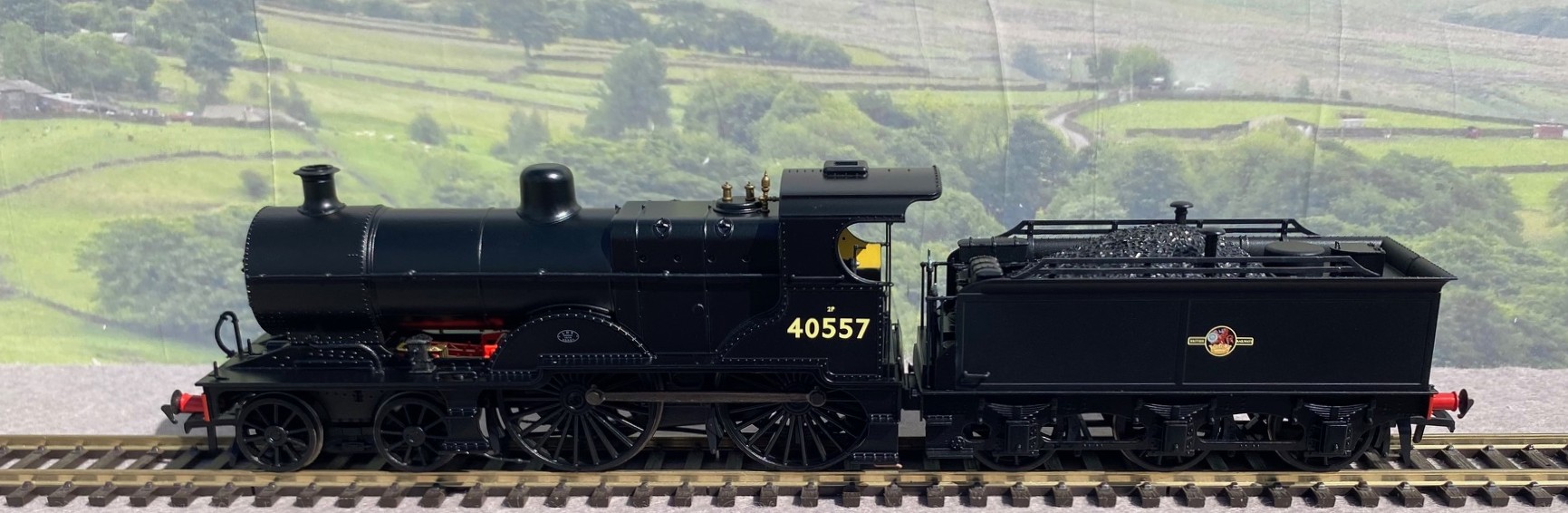
974512MR 483 No.40557 BR Late Crest With DCC Sound Fitted
'OO' GaugeReleased: 19/08/26DCC FittedDCC SoundEra 5The Midland Railway 483 Class 4-4-0 was a class of steam-driven locomotive designed by Henry Fowler for passenger work on the Midland Railway. The class were nominally "rebuilds" of various earlier classes designed by Samuel W. Johnson. This design formed the basis for the later LMS Class 2P 4-4-0.
Construction of the first batch was authorised by Midland Railway Order O/3942 dated 21 June 1911: Four more batches were authorised; in 1912, 1913, 1914 and 1922. The London, Midland and Scottish Railway (LMS) inherited these locomotives at the Grouping of the railways in 1923, completing the last of these rebuilds in 1924. Some of them entered British Railways (BR) ownership in 1948 but all were scrapped from 1950 to 1959.
Our Price:
£271.95
£271.95
 R30414
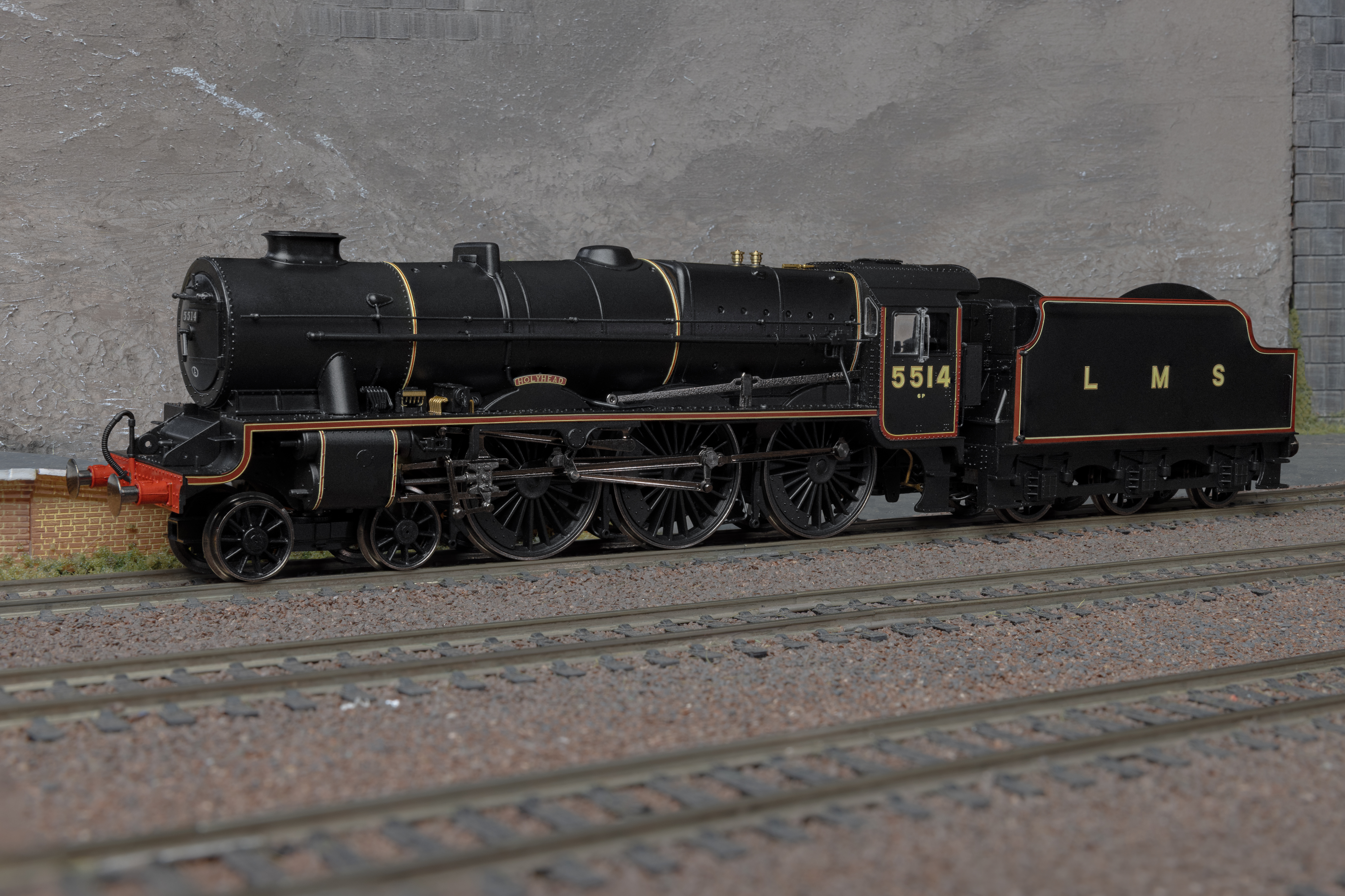
LMS - Patriot Class - 'Holyhead' 5514
'OO' GaugeReleased: 14/08/26DCC Ready (21 Pin)Era 3Henry Fowler designed the ‘Patriot’ 4-6-0 for the LMS as an upgrade of the LNWR’s ‘Large Claughton’ Class for express passenger work. Built at both Crewe and Derby Works, 42 and ten respectively, 52 entered service between 1930 and 1934. ‘Holyhead’ was new from Crewe in September 1932, numbered 5983, but this was changed to 5514 in August 1938, as represented by the model.
The locomotive would later be rebuilt with a Stanier taper boiler in 1947, before becoming BR 45514, with withdrawal coming at Derby in May 1961, the first of the rebuilt ‘Patriots’ to be condemned.
Our Price:
£215.99
£215.99
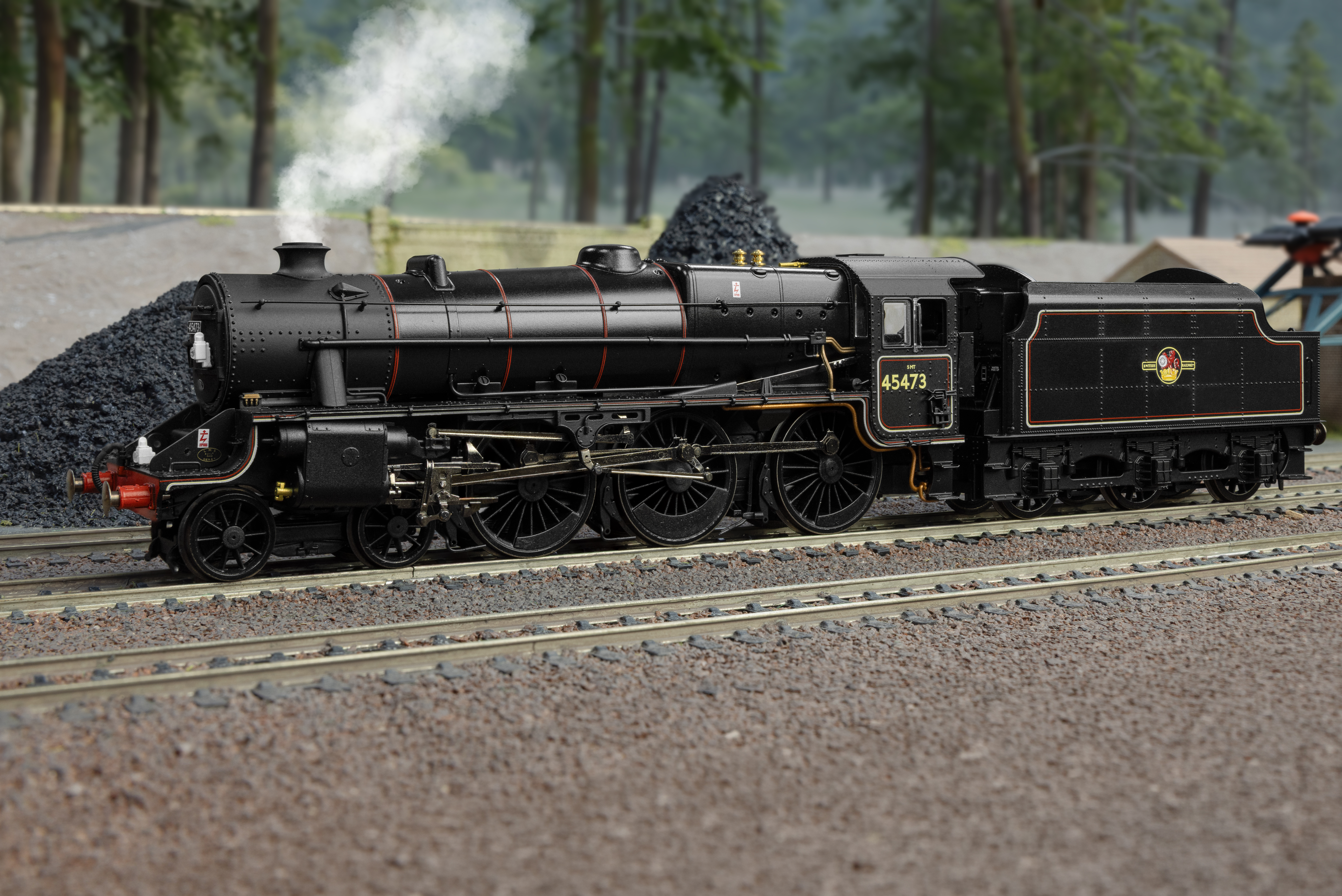
R30475SSBR (Late) - Stanier 5MT - 'Black 5' - 45473 (With Steam Generator)
'OO' GaugeReleased: 14/08/26DCC FittedDCC SoundEra 5The Wiiliam Stanier-designed Class 5 was introduced in 1934 onto the LMS and by the time the last was built in 1951, the class was 842-strong. No. 45473 was completed at Derby in May 1943, entering service as 5473 and spending much of its working life in Scotland, being part of Perth’s allocation at the time of Nationalisation in 1948 and finishing its career at Dundee Tay Bridge. From there, it was withdrawn in November 1966 and subsequently scrapped at W.H. Arnott, Young at Co. Ltd, Carmyle, Glasgow the following February.
Our Price:
£296.99
£296.99
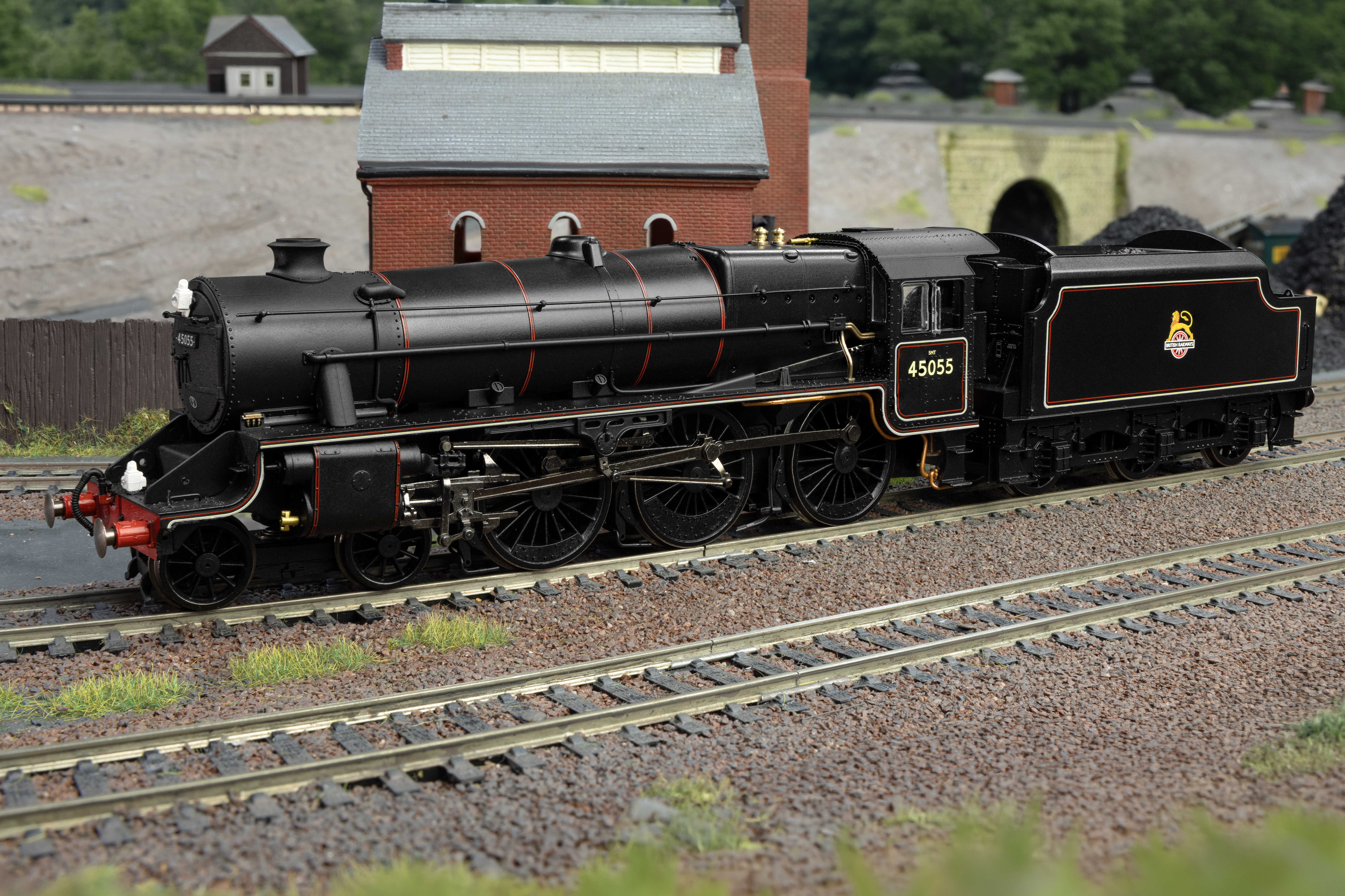
R30484BR - Stanier 5MT - 'Black 5' - 45055
'OO' GaugeReleased: 14/08/26DCC Ready (21 Pin)Era 4Completed in November 1935, this ‘Black Five’ was built at Vulcan Foundry, near Newton-le-Willows in Lancashire.
It spent most of its working career in north-west England and North Wales, though in 1966 it had brief allocations at West Hartlepool and York, before moving back to the Liverpool area and serving at Bank Hall and then Aintree. It almost lasted to the end of steam, withdrawal coming a month shy on 6th July 1968 from Lostock Hall, Preston, with scrapping the following February.
Our Price:
£224.99
£224.99
Prev | Next