


Search results
 4P-020-301
GWR TOPLIGHT M/LINE CITY THIRD BRAKE '3753' SET 4 SHIRTBUTTON
 'OO' Gauge
 Released: 05/08/24
 Era 3
Era 3
Our Price:
£58.32
£58.32
4P-020-302GWR TOPLIGHT M/LINE CITY THIRD BRAKE '3754' SET 4 SHIRTBUTTON
'OO' GaugeReleased: 05/08/24Era 3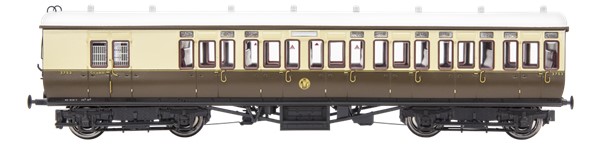
Our Price:
£58.32
£58.32
4P-020-312GWR TOPLIGHT M/LINE CITY ALL THIRD '3908' SET 4 SHIRTBUTTON
'OO' GaugeReleased: 05/08/24Era 3
Our Price:
£58.32
£58.32
4P-020-321GWR TOPLIGHT M/LINE CITY COMPOSITE '7907' SET 4 SHIRTBUTTON
'OO' GaugeReleased: 05/08/24Era 3
Our Price:
£58.32
£58.32
4P-020-322GWR TOPLIGHT M/LINE CITY COMPOSITE '7908' SET 4 SHIRTBUTTON
'OO' GaugeReleased: 05/08/24Era 3
Our Price:
£58.32
£58.32
4P-020-402GWR TOPLIGHT M/LINE CITY ALL BROWN BRAKE THIRD '3756' SET 5
'OO' GaugeReleased: 06/08/24Era 3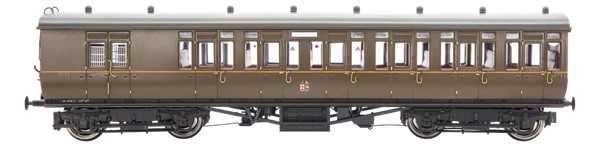
Our Price:
£58.32
£58.32
4P-020-401GWR TOPLIGHT M/LINE CITY ALL BROWN BRAKE THIRD '3755' SET 5
'OO' GaugeReleased: 06/08/24Era 3
Our Price:
£58.32
£58.32
4P-020-411GWR TOPLIGHT M/LINE CITY ALL BROWN ALL THIRD '3909' SET 5
'OO' GaugeReleased: 06/08/24Era 3
Our Price:
£58.32
£58.32
4P-020-421GWR TOPLIGHT M/LINE CITY ALL BROWN COMPOSITE '7909' SET 5
'OO' GaugeReleased: 06/08/24Era 3
Our Price:
£58.32
£58.32
4P-020-422GWR TOPLIGHT M/LINE CITY ALL BROWN COMPOSITE '7910' SET 5
'OO' GaugeReleased: 06/08/24Era 3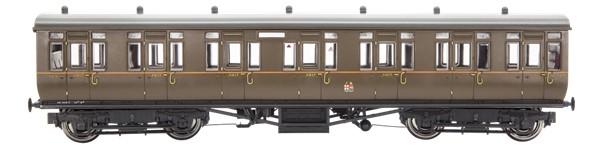 4D-022-027
DRS COMPASS (NEW DRS LOGO) CLASS 68 '68002' INTREPID
'OO' GaugeReleased: 06/08/24 DCC Ready (21 Pin)Era 11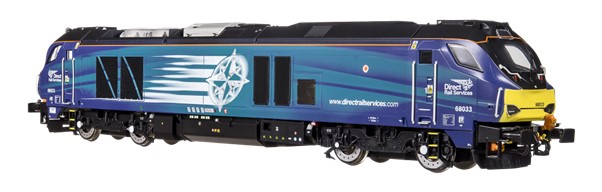
Our Price:
£153.00
£153.00
 R60243
Mainline, YGB 'Seacow', DB980115
'OO' GaugeReleased: 16/08/24Era 9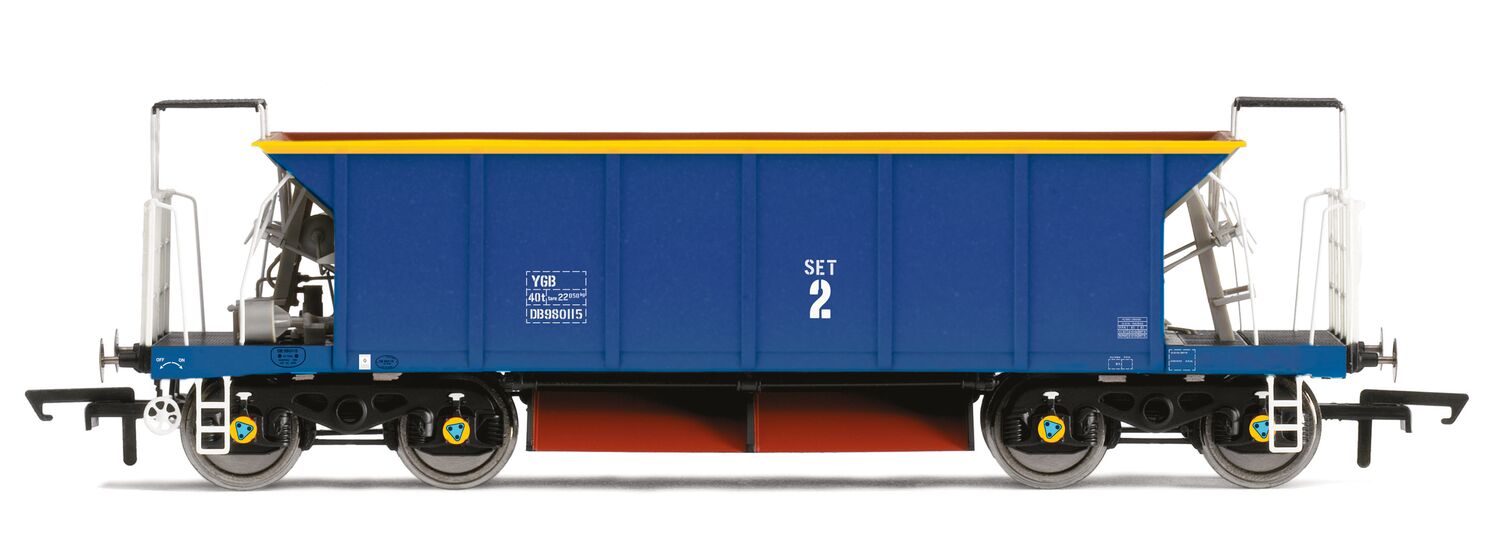
Our Price:
£33.75
£33.75
R60244EWS, YGB 'Seacow', DB980220
'OO' GaugeReleased: 16/08/24Era 9
Our Price:
£33.75
£33.75
R60245BR Civil Engineering, YGH 'Sealion', DB982792
'OO' GaugeReleased: 16/08/24Era 8
Our Price:
£33.75
£33.75
R60246BR, YGH 'Sealion', DB982725
'OO' GaugeReleased: 16/08/24Era 7
Our Price:
£33.75
£33.75
R60247Loadhaul, YGH 'Sealion', DB982587
'OO' GaugeReleased: 16/08/24Era 9
Our Price:
£33.75
£33.75
 39-421C
BR Mk1 POS Post Office Sorting Van Post Office Red (with Net)
'OO' GaugeReleased: 21/08/24Era 5MODEL FEATURES:
Bachmann Branchline OO Scale
Era 5
Pristine Post Office Red livery
Running No. W80301
BR1 Bogies
Shell Roof Ventilators
Mail Exchange Gear (Traductor Arms and Net)
Side Lights (Non-functional)
Accessory Pack
NEM Coupling Pockets
Close Coupling Mechanism
Length 270mm

Our Price:
£65.65
£65.65
39-421DBR Mk1 POS Post Office Sorting Van Post Office Red (with Net)
'OO' GaugeReleased: 21/08/24Era 5MODEL FEATURES:
Bachmann Branchline OO Scale
Era 5
Pristine Post Office Red livery
Running No. W80302
BR1 Bogies
Shell Roof Ventilators
Mail Exchange Gear (Traductor Arms and Net)
Side Lights (Non-functional)
Accessory Pack
NEM Coupling Pockets
Close Coupling Mechanism
Length 270mm

Our Price:
£65.65
£65.65
32-340Class 25/1 25057 BR Blue [W]
'OO' GaugeReleased: 21/08/24DCC Ready (PluX22)Era 7The Class 25 Diesel Locomotive has long been a fixture of the Bachmann Branchline OO scale range, but this all-new model owes nothing to its predecessors. Designed from the rails up, this new family Class 25s from Bachmann Branchline encompasses Class 25/1s, 25/2s and 25/3s, capturing the differences – some small, some anything but – between the three distinct types. Regardless of the particular locomotive being depicted, every model features high fidelity mouldings and numerous separately fitted parts, with the utmost attention to detail paid to the features of the prototype.
Our new Class 25 is brought to life with an exquisite livery application using true-to-prototype colours, fonts and logos.

Our Price:
£178.45
£178.45
32-340SFXClass 25/1 25057 BR Blue [W] With DCC Sound
'OO' GaugeReleased: 21/08/24DCC FittedDCC SoundEra 7The Class 25 Diesel Locomotive has long been a fixture of the Bachmann Branchline OO scale range, but this all-new model owes nothing to its predecessors. Designed from the rails up, this new family Class 25s from Bachmann Branchline encompasses Class 25/1s, 25/2s and 25/3s, capturing the differences – some small, some anything but – between the three distinct types. Regardless of the particular locomotive being depicted, every model features high fidelity mouldings and numerous separately fitted parts, with the utmost attention to detail paid to the features of the prototype.
Our new Class 25 is brought to life with an exquisite livery application using true-to-prototype colours, fonts and logos. Following the precedent set by the Bachmann Branchline Class 47, and subsequently the 37 and 31 to he Class 25 features a full lighting suite and is available in three formats; standard, SOUND FITTED or SOUND FITTED DELUXE as in the case of the example – this award winning specification features our motorised radiator fan system and authentic tinted windscreen!

Our Price:
£297.45
£297.45