
Search results
 7S-094-001
J94 AUSTERITY LNER BLACK '8006'
 'O' Gauge
 Released: 14/02/25
 DCC Ready (21 Pin)
 Era 3
Era 3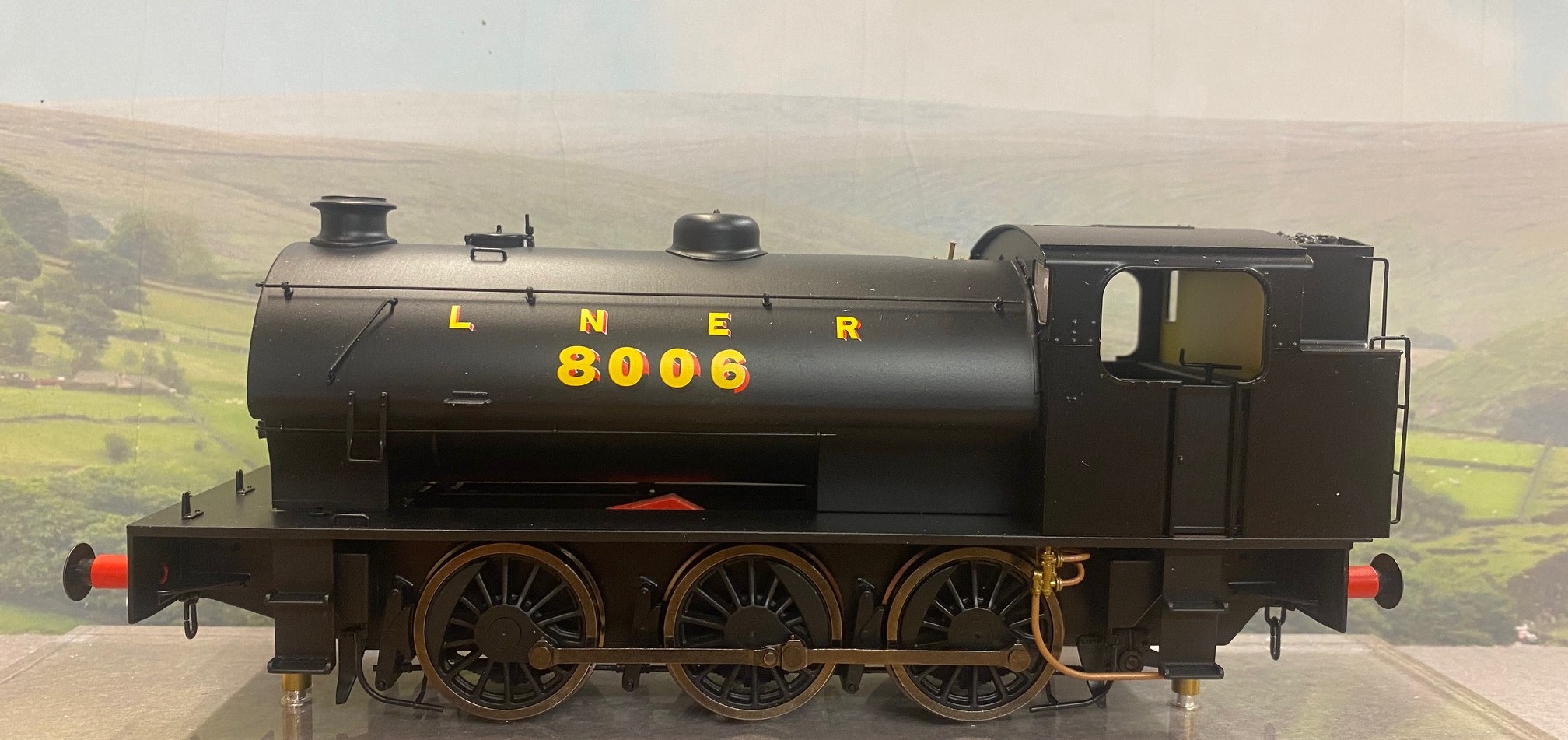
Our Price:
£229.50
£229.50
7S-094-003J94 AUSTERITY BR BLACK EARLY CREST '68030'
'O' GaugeReleased: 14/02/25DCC Ready (21 Pin)Era 4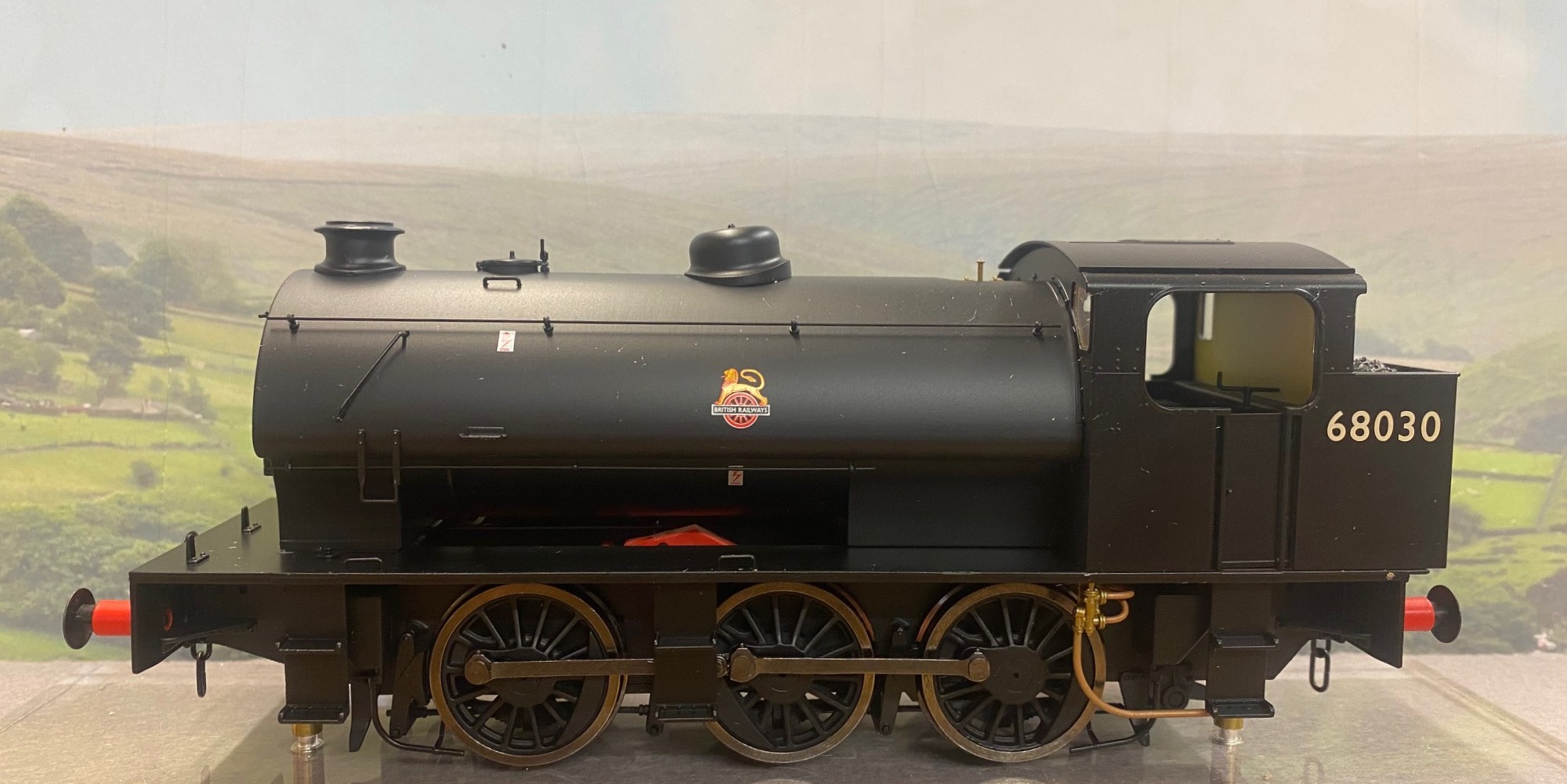
Our Price:
£229.50
£229.50
7S-094-006J94 AUSTERITY WEMYSS WPR LINED BROWN No.15
'O' GaugeReleased: 14/02/25DCC Ready (21 Pin)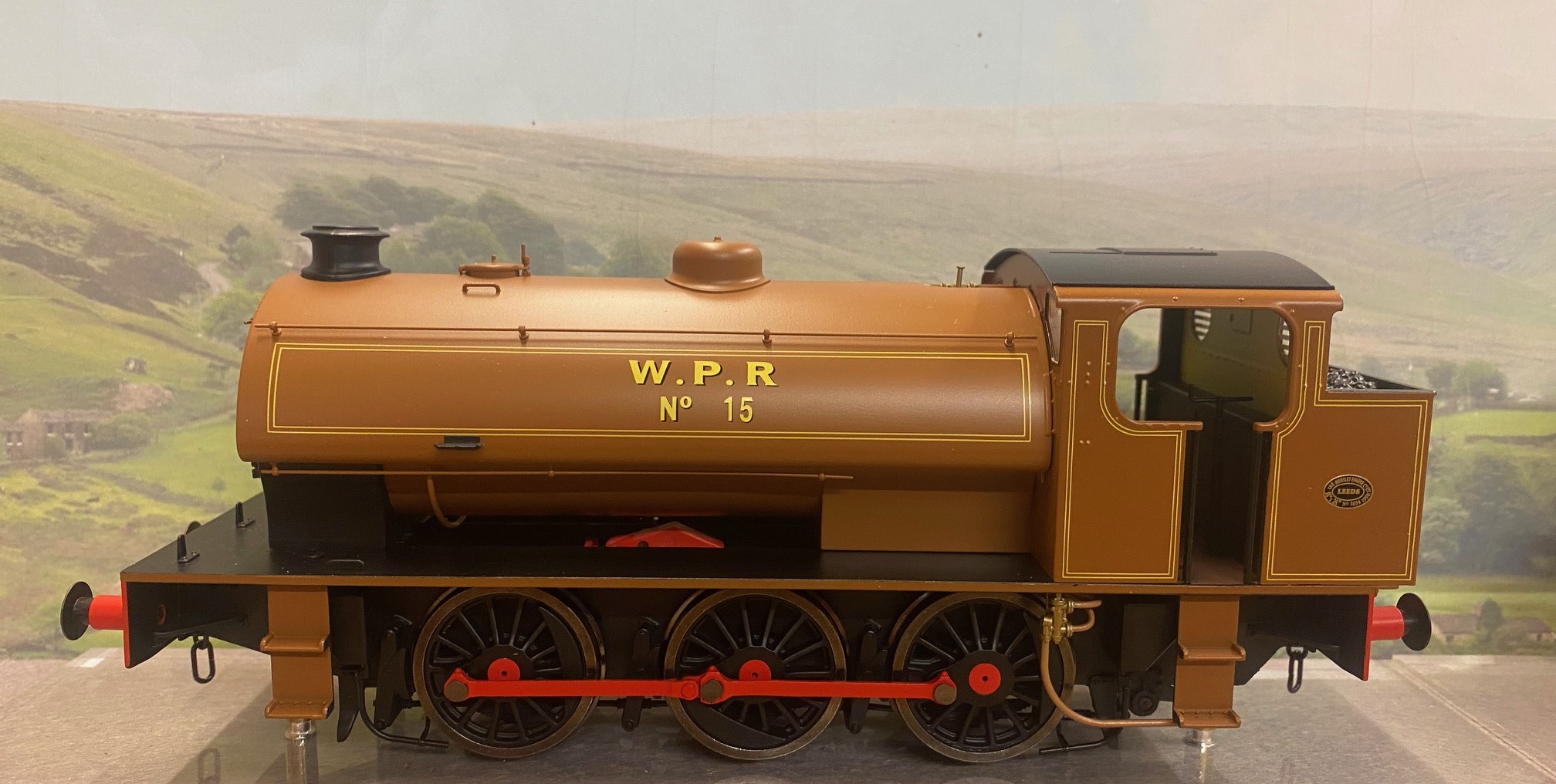
Our Price:
£229.50
£229.50
7S-094-009J94 AUSTERITY MECH. NAVVIES RED '71515'
'O' GaugeReleased: 14/02/25DCC Ready (21 Pin)
Our Price:
£229.50
£229.50
7S-094-010J94 AUSTERITY LMR LINED BLUE 'ERROL LONSDALE'
'O' GaugeReleased: 14/02/25DCC Ready (21 Pin)
Our Price:
£229.50
£229.50
 ACC2769
BR INTERCITY MAINLINE CLASS 31 '31420'
'OO' GaugeReleased: 17/02/25DCC Ready (21 Pin)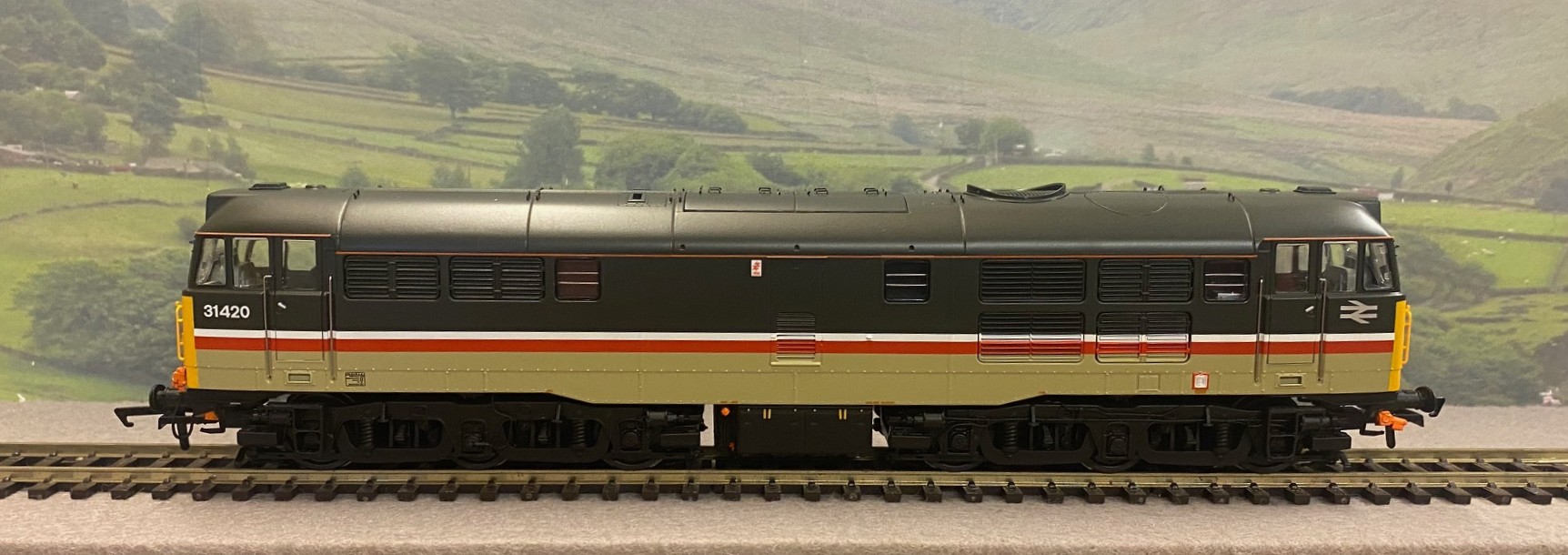
Our Price:
£169.95
£169.95
ACC2737BR GREEN CLASS 31 'D5803'
'OO' GaugeReleased: 17/02/25DCC Ready (21 Pin)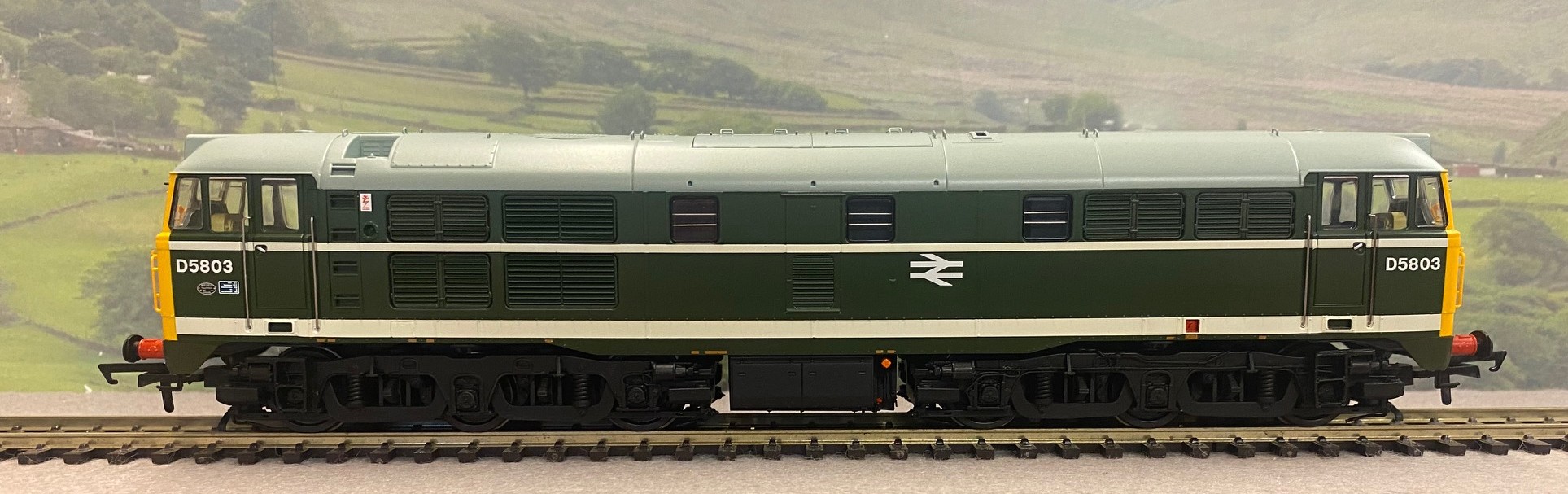
Our Price:
£169.95
£169.95
 R30362
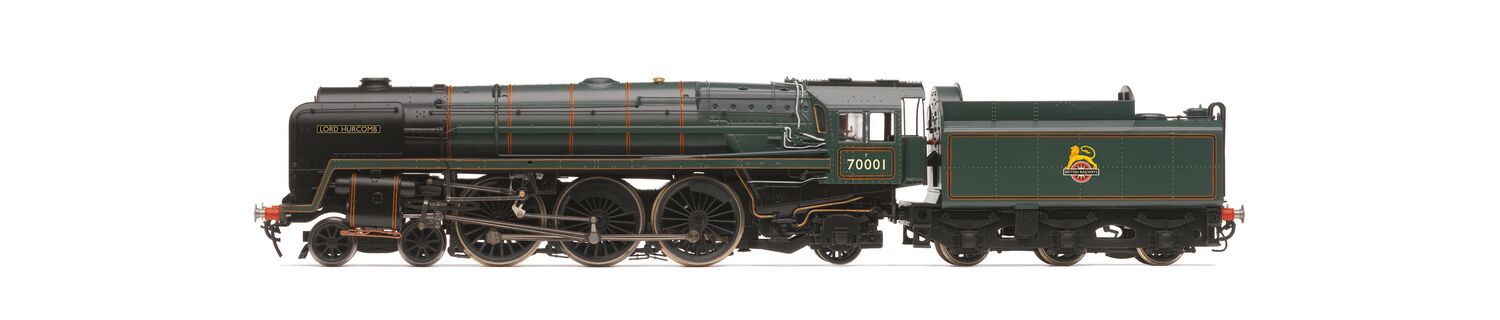
BR (Early), Britannia Class, 4-6-2, 70001 'Lord Hurcomb'
'OO' GaugeReleased: 03/03/25DCC Ready (21 Pin)Era 4No. 70001 ‘Lord Hurcomb’ was constructed at Crewe Works in February 1951 and bore the name of Cyril Hurcomb who oversaw the Ministry of War Transport. It was constructed to Order No. E479/220 and completed on 14th February that year.
From Stratford shed, 70001 hauled passenger express trains on the Great Eastern Railway such as ‘The Norfolkman’. For over twelve years, the locomotive was in service on the GE section. In 1954, the total mileage was 78,600.
The locomotive was withdrawn from service on 3rd September 1966 and stored at Carlisle Kingmoor Shed (12A) until the end of the year. In January 1967, 70001 was cut up at Motherwell Machinery and Scrap Co in Wishaw, Scotland.
Our Price:
£233.99
£233.99
R30377RailRoad MR Class 4P Compound Train Pack
'OO' GaugeReleased: 17/03/25DCC Ready (8 Pin)Era 3The LMS Class 4P Compound steam locomotives had a wheel arrangement of 4-4-0 and were designed for hauling passenger trains. A total of 195 engines were constructed between 1924 and 1932 by the LMS Derby Works, LMS Horwich Works, North British Locomotive Company, and the Vulcan Foundry. These locomotives were almost identical to the MR Class 1000, of which there were 45 of the class. It was decided that the driving wheel diameter should be reduced in size from the MR engines. Each locomotive was withdrawn from service between 1952 and 1961, with none surviving into a preservation status.

Our Price:
£161.99
£161.99
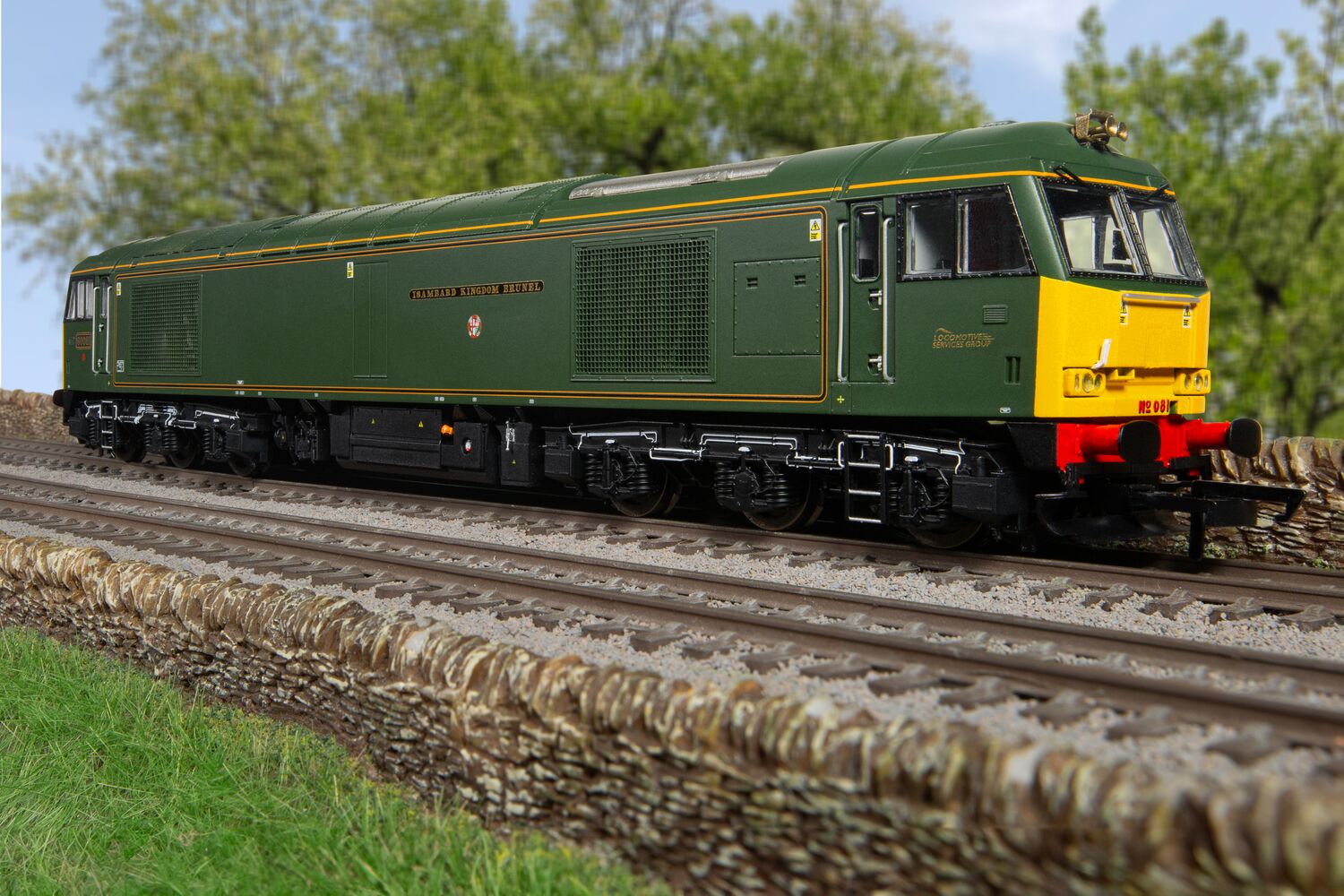
R30373Class 60 - GWR - 60081 'Isambard Kingdom Brunel' (The One:One Collection)
'OO' GaugeReleased: 18/03/25DCC Ready (21 Pin)Era 11No. 60081 was built at Brush Traction. The locomotive was delivered in November 1991 with a Trainload Metals Sector livery and 'Bleaklow Hill' as a name. 60081 gained a new lined GWR Brunswick Green livery and it was renamed 'Isambard Kingdom Brunel' on 5 August 2000 at Old Oak Common for the open day. 60081 became the Class 60's 'celebrity' locomotive due to this.
Our Price:
£224.99
£224.99
R3860BR, Merchant Navy Class, 4-6-2, 35012 'United States Lines'
'OO' GaugeReleased: 18/03/25DCC Ready (8 Pin)Era 4Locomotive 35012 entered service with the Southern Railway in January 1945 with the palindromic locomotive 'number' 21C12. It would gain its more conventional number under BR before being rebuilt by the nationalised operator in February 1957, making it one of the first examples to be rebuilt. The locomotive would go on to serve under BR, mainly on the former Southern region before being withdrawn in April 1967. United States Lines would be scrapped in Newport shortly after.

Our Price:
£215.99
£215.99
R30358The One:One Collection, BR (Early), Class B1, 4-6-0, 61306 'Mayflower'
'OO' GaugeReleased: 18/03/25DCC Ready (21 Pin)Era 11Class B1 locomotives were designed to be mixed-traffic engines and had various duties such as hauling express passenger trains and freight traffic. Due to their versatility, each B1 worked on main lines from East Anglia to Scotland.
No. 61306 ‘Mayflower’ was constructed in 1948 by the North British Locomotive Company. The locomotive was allocated to Hull Botanic Gardens and then transferred to Low Moor Depot in Bradford. 61306’s final trip, as the last B1 in service, occurred in September 1967 when it hauled the ‘Yorkshire Pullman’ from Leeds. Saved for preservation, it was based at Steamtown in Carnforth. At the time, 61306 was restored for mainline operation.

Our Price:
£215.99
£215.99
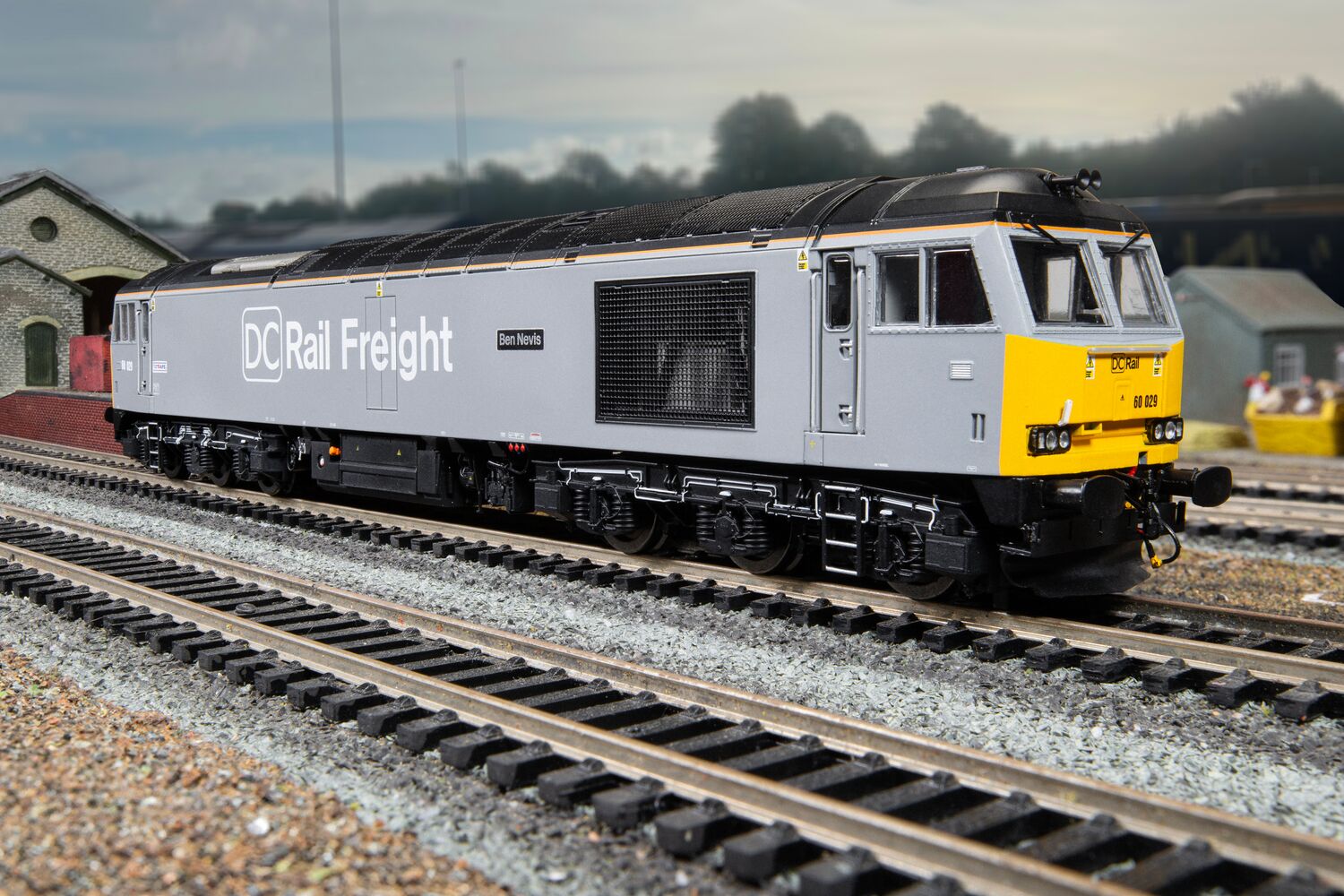
R30374Class 60 - DC Rail Freight - 60029 'Ben Nevis'
'OO' GaugeReleased: 18/03/25DCC Ready (21 Pin)Era 11No. 60029 'Ben Nevis' was built by Brush Traction in Loughborough and the locomotive entered service in November 1990 with a Trainload Metals Sector livery. Following various livery changes including TransRail and EWS, the locomotive was in storage from 2013 until 2019, when it was sold by DB Cargo to DC Rail Freight. Overhauled at Toton, 'Ben Nevis' re-entered service in 2020.
Our Price:
£224.99
£224.99
R3735ROD, J36 Class, 0-6-0, 5662
'OO' GaugeReleased: 18/03/25DCC Ready (8 Pin)Era 2Built at Cowlairs in November 1891, NBR No. 662 was rebuilt in May 1915 and was one of twenty five Class C locomotives requisitioned by the Railway Executive on August 4, 1917 for use by the Railway Operating Division of the Royal Engineers.
Sent to the Western Front on 7 November, 1917, it is thought that ROD 5662 worked around Verquigneul in the Pas-de-Calais, proving reliable in ROD service. Returning on 12 April, 1919 to the UK, NBR 662 was named Birdwood.

Our Price:
£175.49
£175.49
R3859BR, Class J36, 0-6-0, 65330, Limited Edition
'OO' GaugeReleased: 18/03/25DCC Ready (8 Pin)Era 4The J36 Class, as it was christened by the LNER started out life as the Matthew Holmes designed C Class built for the North British Railway, North British in this case being a euphemism for Scotland. The locomotives were introduced in 1888 and would number 168 at their most populous, with 123 of them lasting into BR service.

Our Price:
£175.49
£175.49
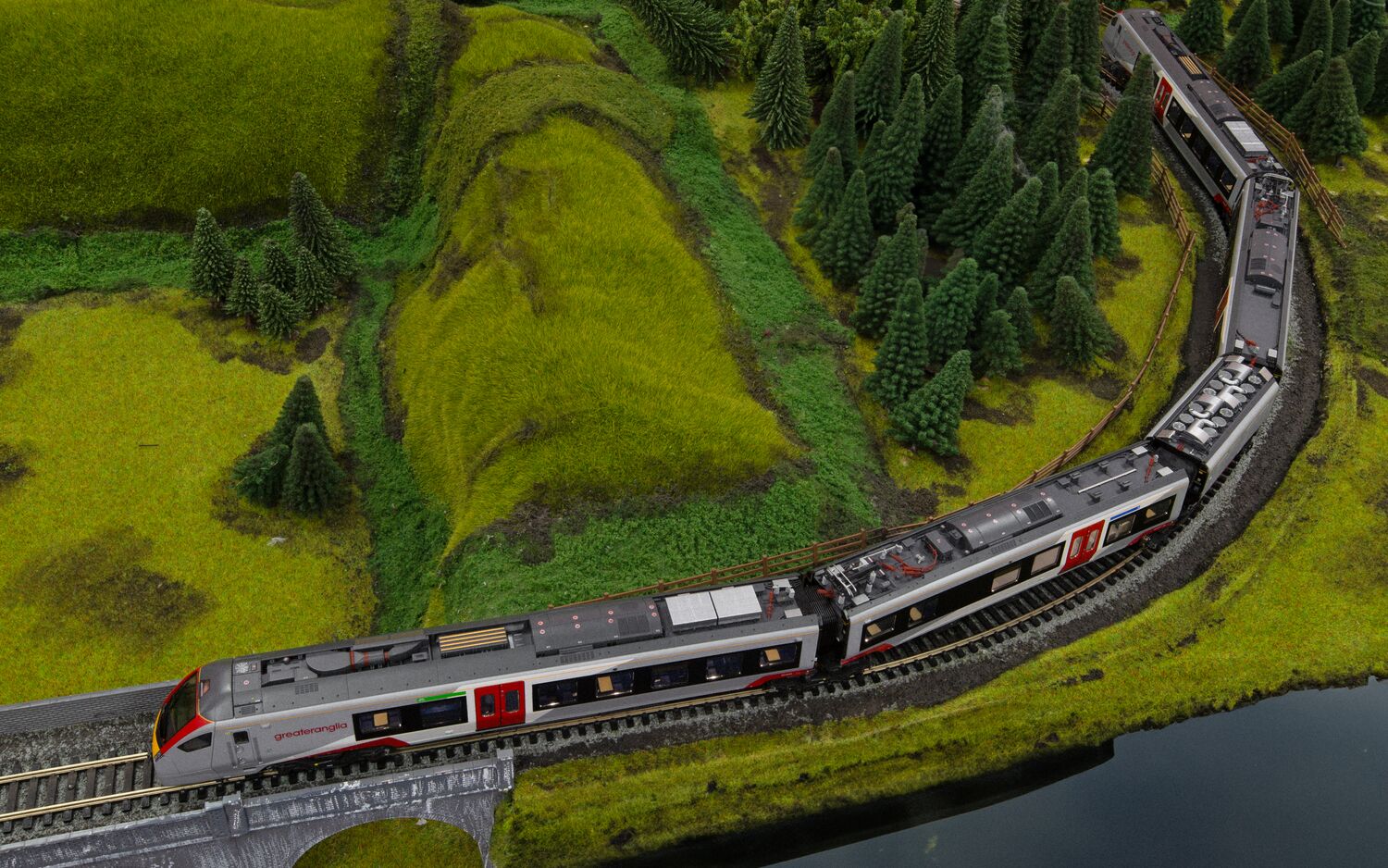
R3964Greater Anglia, Class 755/4 'FLIRT' 4 Car Train Pack
'OO' GaugeReleased: 03/04/25DCC Ready (21 Pin)Era 11The Class 755 bi-mode multiple unit trains are built by Stadler Rail for Greater Anglia as one of five EMU’s for the UK, part of the highly configurable FLIRT modular train family and designed for greater capacity, the typical 25 kV 50 Hz AC overhead power supply, and comfort over long-distance journeys. The Class 755 entered service on the 29th of July 2019 having been delivered to Greater Anglia the previous November.
4-car unit
Set number ‘755406’
Destination boards show ‘Norwich’
With large bike and wheelchair symbols in the windows
Our Price:
£404.99
£404.99
R60176ADrax Biomass Wagon Pack, 83700698071-3 & 83700698009-3
'OO' GaugeReleased: 03/04/25Era 11In 2013, Drax unveiled the UK’s first purpose-built biomass rail freight wagon at the National Railway Museum in York. Developed by designers at Lloyd’s Register Rail and manufactured by WH Davis, it is the largest ever produced and pushes the boundaries of rail engineering.
This award-winning wagon transports sustainable biomass from the Ports of Tyne, Hull, and Immingham to Drax Power Station, near Selby for use in generating low carbon, cost effective, and reliable renewable electricity.
At 18.9m long with top doors stretching 18.2m and bottom doors of 3.7m, the supersize wagon has a capacity of 116 cubic metres allowing a biomass load weighing 71.6 tonnes. Its volume is almost 30 per cent bigger than any freight wagon currently used in the UK.
The Drax biomass wagon pack consists of two bright blue Drax Northern Powerhouse liveried wagons with their respective running numbers, 83700698071-3 and 83700698009-3. R60177A contains two biomass wagons with different decals as decoration on the livery compared to this pack.

Our Price:
£79.19
£79.19
R30102Lumo, Class 803, 803005 Five Car Train Pack
'OO' GaugeReleased: 03/04/25DCC Ready (21 Pin)Era 11The Class 803 AT300 is a new type of electric multiple unit passenger train built by Japanese rolling stock manufacturer Hitachi at their Newton Aycliffe factory in County Durham, based upon the Hitachi A-train design. While sharing a bodyshell with the previous UK A-train variants, the Class 803 differs in that it has no auxiliary diesel engines fitted. Batteries are fitted to power the on-board facilities in case of overhead line equipment failure.

Our Price:
£494.99
£494.99
R60177ADrax Biomass Wagon Pack, 83700698083-8 & 83700698158-8
'OO' GaugeReleased: 03/04/25Era 11In 2013, Drax unveiled the UK’s first purpose-built biomass rail freight wagon at the National Railway Museum in York. Developed by designers at Lloyd’s Register Rail and manufactured by WH Davis, it is the largest ever produced and pushes the boundaries of rail engineering.
This award-winning wagon transports sustainable biomass from the Ports of Tyne, Hull, and Immingham to Drax Power Station, near Selby for use in generating low carbon, cost effective, and reliable renewable electricity.
At 18.9m long with top doors stretching 18.2m and bottom doors of 3.7m, the supersize wagon has a capacity of 116 cubic metres allowing a biomass load weighing 71.6 tonnes. Its volume is almost 30 per cent bigger than any freight wagon currently used in the UK.

Our Price:
£79.19
£79.19
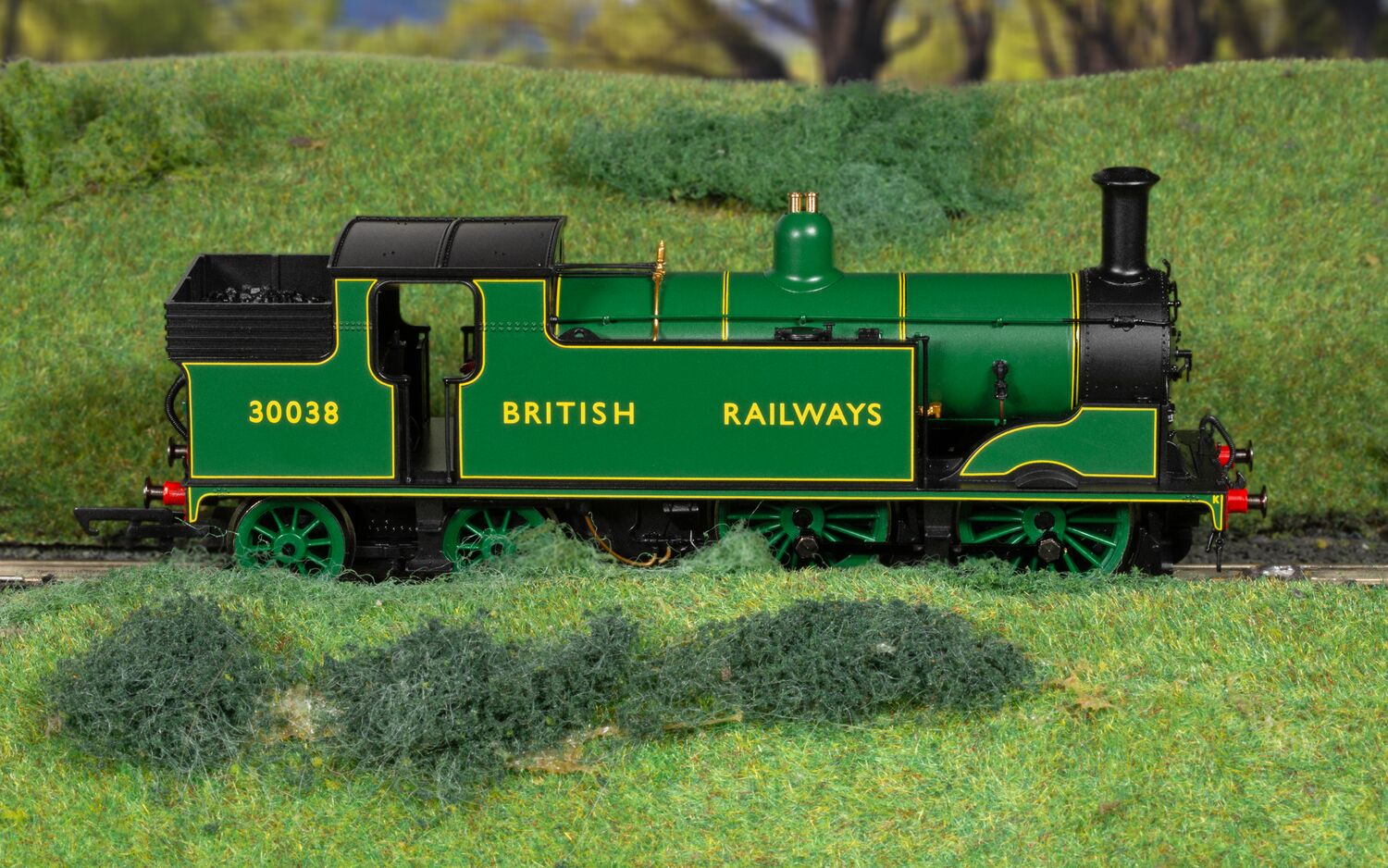
R30140BR, M7 Class, 0-4-4T, 30038
'OO' GaugeReleased: 07/04/25DCC Ready (8 Pin)Era 4Ideally suited to the demands of suburban workings with frequent station stops, the M7 possessed quick acceleration and good tractive power, equally at home on Branch line workings or acting as station pilots. Unfortunately, following a major derailment at Tavistock in 1898, the Class were withdrawn from fast passenger services, the 0-4-4 arrangement proving inherently unstable at continuous high speeds. While two M7s still exist in preservation, 30038 sadly is not among them.
Our Price:
£193.49
£193.49