
Search results
 31-483
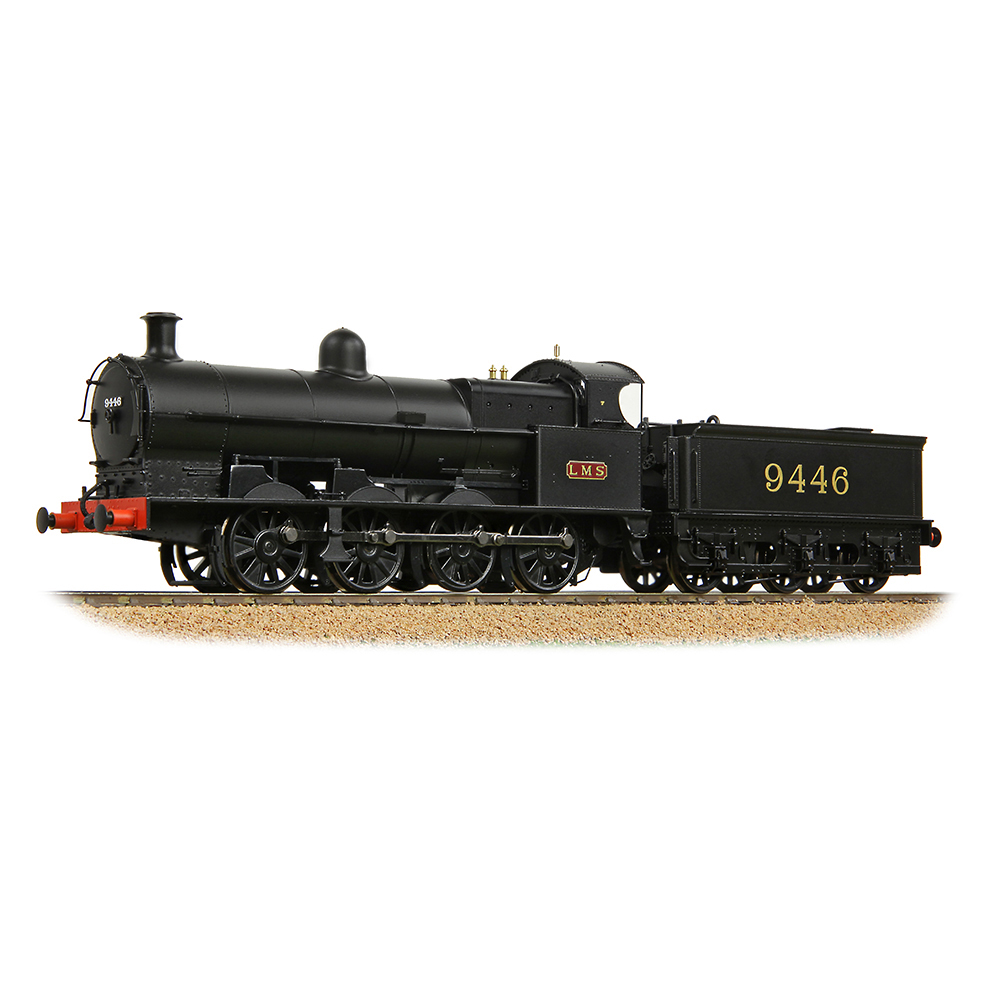
LNWR G2 9446 LMS Black
 'OO' Gauge
 Released: 07/05/25
 DCC Ready (21 Pin)
 Era 3
Era 3The London & North Western Railway (LNWR) had an long history of producing 0-8-0 tender freight engines with the first prototype design emerging in 1892, and the last, the G2, appearing in the early 1920s. The G2 was a class of 60 brand new steam locomotives built between 1921-22, and with a boiler generating a pressure of 175psi, they were the most powerful design the LNWR had ever constructed. From 1924 onwards, the G2s were rebuilt with a belpaire boiler which improved performance even further. The entire class passed into BR ownership in 1948, with the first withdrawals beginning in 1959 and the last in 1964. One example, No. 49395 has been preserved as part of the National Collection, where it has been restored to running order.
Owing to a lack of suitable freight engines in the 1930s, the LMS decided to rebuild a significant number of LNWR-built G1s with the powerful 175psi belpaire boiler found on the G2 to create a new class of locomotives, the G2A. These rebuilds were virtually indistinguishable from the G2s and were very successful for the LMS, with over 300 examples rebuilt. Although some were downgraded back to a 160psi boiler and reclassified to G1, the majority of the class was inherited by British Railways in 1948, with the last four cut up in 1964.
Our Price:
£161.45
£161.45
31-483SFLNWR G2 9446 LMS Black With DCC Sound Fitted
'OO' GaugeReleased: 07/05/25DCC FittedDCC SoundEra 3The London & North Western Railway (LNWR) had an long history of producing 0-8-0 tender freight engines with the first prototype design emerging in 1892, and the last, the G2, appearing in the early 1920s. The G2 was a class of 60 brand new steam locomotives built between 1921-22, and with a boiler generating a pressure of 175psi, they were the most powerful design the LNWR had ever constructed. From 1924 onwards, the G2s were rebuilt with a belpaire boiler which improved performance even further. The entire class passed into BR ownership in 1948, with the first withdrawals beginning in 1959 and the last in 1964. One example, No. 49395 has been preserved as part of the National Collection, where it has been restored to running order.
Owing to a lack of suitable freight engines in the 1930s, the LMS decided to rebuild a significant number of LNWR-built G1s with the powerful 175psi belpaire boiler found on the G2 to create a new class of locomotives, the G2A. These rebuilds were virtually indistinguishable from the G2s and were very successful for the LMS, with over 300 examples rebuilt. Although some were downgraded back to a 160psi boiler and reclassified to G1, the majority of the class was inherited by British Railways in 1948, with the last four cut up in 1964.

Our Price:
£254.95
£254.95
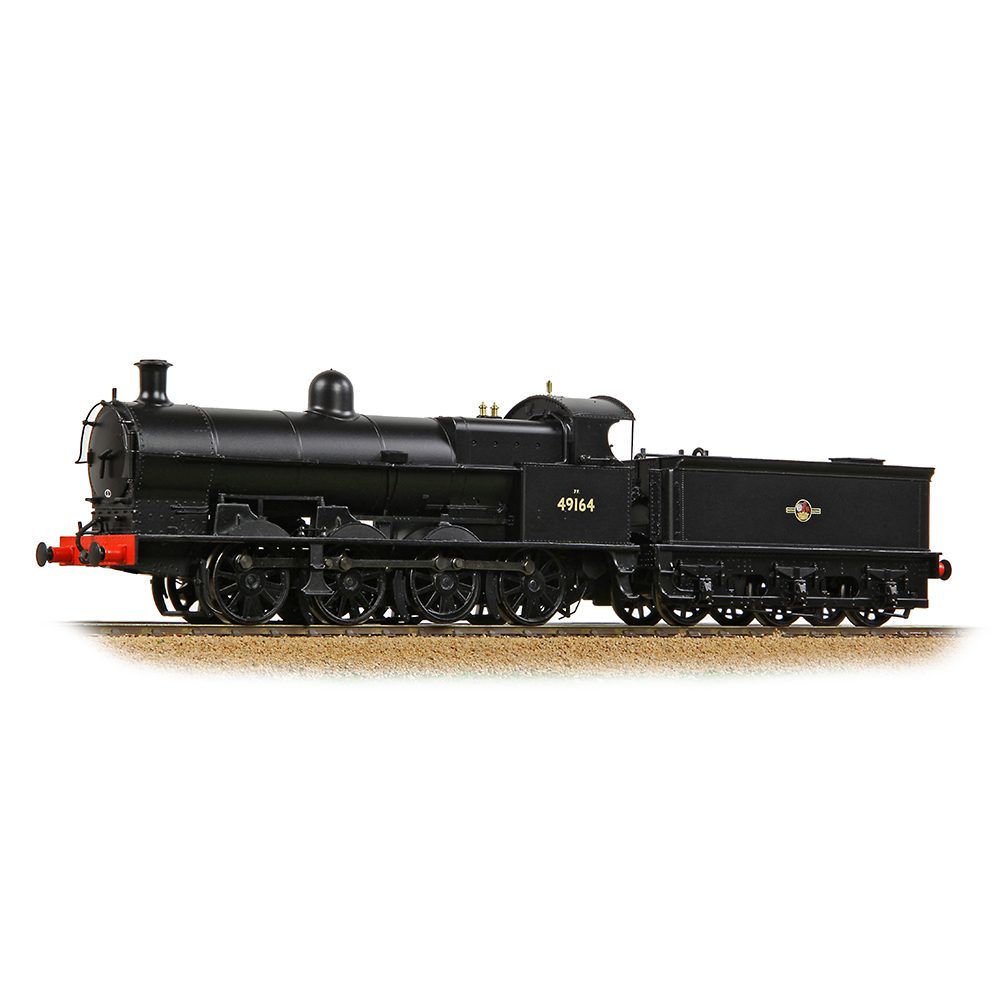
31-479ALNWR G2A 49164 BR Black (Late Crest)
'OO' GaugeReleased: 07/05/25DCC Ready (21 Pin)Era 5The London & North Western Railway (LNWR) had an long history of producing 0-8-0 tender freight engines with the first prototype design emerging in 1892, and the last, the G2, appearing in the early 1920s. The G2 was a class of 60 brand new steam locomotives built between 1921-22, and with a boiler generating a pressure of 175psi, they were the most powerful design the LNWR had ever constructed. From 1924 onwards, the G2s were rebuilt with a belpaire boiler which improved performance even further. The entire class passed into BR ownership in 1948, with the first withdrawals beginning in 1959 and the last in 1964. One example, No. 49395 has been preserved as part of the National Collection, where it has been restored to running order.
Our Price:
£161.45
£161.45
31-479ASFLNWR G2A 49164 BR Black (Late Crest) With DCC Sound Fitted
'OO' GaugeReleased: 07/05/25DCC FittedDCC SoundEra 5The London & North Western Railway (LNWR) had an long history of producing 0-8-0 tender freight engines with the first prototype design emerging in 1892, and the last, the G2, appearing in the early 1920s. The G2 was a class of 60 brand new steam locomotives built between 1921-22, and with a boiler generating a pressure of 175psi, they were the most powerful design the LNWR had ever constructed. From 1924 onwards, the G2s were rebuilt with a belpaire boiler which improved performance even further. The entire class passed into BR ownership in 1948, with the first withdrawals beginning in 1959 and the last in 1964. One example, No. 49395 has been preserved as part of the National Collection, where it has been restored to running order.

Our Price:
£254.95
£254.95
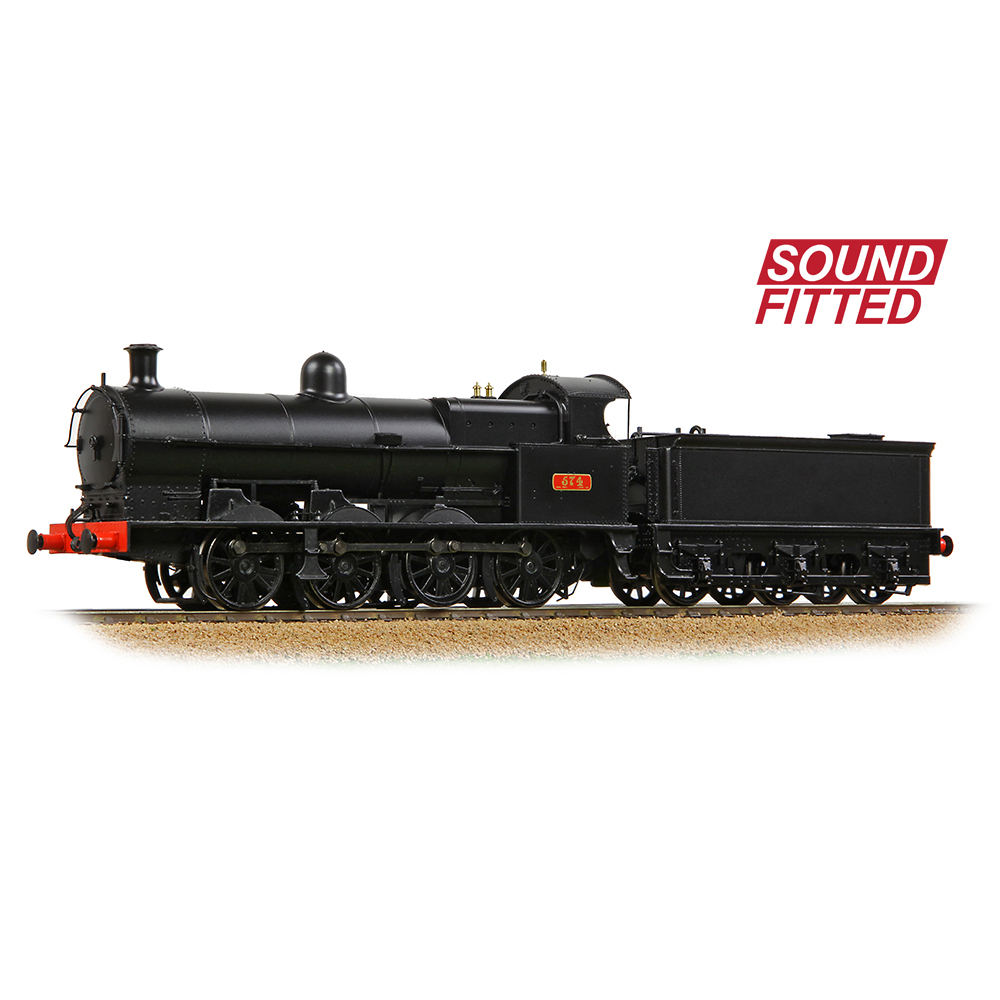
31-482SFLNWR G2 574 LNWR Black With DCC Sound Fitted
'OO' GaugeReleased: 07/05/25DCC FittedDCC SoundEra 2The London & North Western Railway (LNWR) had an long history of producing 0-8-0 tender freight engines with the first prototype design emerging in 1892, and the last, the G2, appearing in the early 1920s. The G2 was a class of 60 brand new steam locomotives built between 1921-22, and with a boiler generating a pressure of 175psi, they were the most powerful design the LNWR had ever constructed. From 1924 onwards, the G2s were rebuilt with a belpaire boiler which improved performance even further. The entire class passed into BR ownership in 1948, with the first withdrawals beginning in 1959 and the last in 1964. One example, No. 49395 has been preserved as part of the National Collection, where it has been restored to running order.
Our Price:
£254.95
£254.95
31-740AMR 1532 Tank 1725 Midland Railway Crimson Lake
'OO' GaugeReleased: 07/05/25DCC Ready (Next18)Era 2The Class 1532 was designed by Samuel W. Johnson for the Midland Railway (MR) and 65 locomotives were built at the MR’s Derby Works between 1881 and 1886. Tank engines with a 0-4-4 wheel formation were the Midland’s principle suburban and branch line passenger locomotive and so the 1532s were joined by several other very similar classes; by 1900 the railway had a fleet of more than 200 0-4-4Ts of comparable types.
The Class 1532s were built across five batches and two of the batches included locomotives fitted with condensing gear, in total ten examples were equipped in order to work through the Metropolitan Railway tunnels around London. Other locomotives were fitted with push-pull gear, evidenced by the additional apparatus fitted to the smokebox and the extra vacuum pipes adorning the bufferbeams, along with cab roof fittings that allowed the whistle to be controlled remotely.
Upon Grouping in 1923 the London, Midland & Scottish Railway (LMS) inherited 62 locomotives which they classified as 1Ps. Two examples had already been withdrawn by the MR and a third was sold to the Somerset & Dorset Joint Railway (SDJR), this would be absorbed into LMS stock in 1930.

Our Price:
£148.70
£148.70
31-742AMR 1532 (1P) Tank 58051 BR Lined Black (Early Emblem)
'OO' GaugeReleased: 07/05/25DCC Ready (Next18)Era 4The Class 1532 was designed by Samuel W. Johnson for the Midland Railway (MR) and 65 locomotives were built at the MR’s Derby Works between 1881 and 1886. Tank engines with a 0-4-4 wheel formation were the Midland’s principle suburban and branch line passenger locomotive and so the 1532s were joined by several other very similar classes; by 1900 the railway had a fleet of more than 200 0-4-4Ts of comparable types.
The Class 1532s were built across five batches and two of the batches included locomotives fitted with condensing gear, in total ten examples were equipped in order to work through the Metropolitan Railway tunnels around London. Other locomotives were fitted with push-pull gear, evidenced by the additional apparatus fitted to the smokebox and the extra vacuum pipes adorning the bufferbeams, along with cab roof fittings that allowed the whistle to be controlled remotely.
Upon Grouping in 1923 the London, Midland & Scottish Railway (LMS) inherited 62 locomotives which they classified as 1Ps. Two examples had already been withdrawn by the MR and a third was sold to the Somerset & Dorset Joint Railway (SDJR), this would be absorbed into LMS stock in 1930.

Our Price:
£148.70
£148.70
31-742BMR 1532 (1P) Tank 58056 BR Lined Black (Early Emblem)
'OO' GaugeReleased: 07/05/25DCC Ready (Next18)Era 4The Class 1532 was designed by Samuel W. Johnson for the Midland Railway (MR) and 65 locomotives were built at the MR’s Derby Works between 1881 and 1886. Tank engines with a 0-4-4 wheel formation were the Midland’s principle suburban and branch line passenger locomotive and so the 1532s were joined by several other very similar classes; by 1900 the railway had a fleet of more than 200 0-4-4Ts of comparable types.
The Class 1532s were built across five batches and two of the batches included locomotives fitted with condensing gear, in total ten examples were equipped in order to work through the Metropolitan Railway tunnels around London. Other locomotives were fitted with push-pull gear, evidenced by the additional apparatus fitted to the smokebox and the extra vacuum pipes adorning the bufferbeams, along with cab roof fittings that allowed the whistle to be controlled remotely.
Upon Grouping in 1923 the London, Midland & Scottish Railway (LMS) inherited 62 locomotives which they classified as 1Ps. Two examples had already been withdrawn by the MR and a third was sold to the Somerset & Dorset Joint Railway (SDJR), this would be absorbed into LMS stock in 1930.

Our Price:
£148.70
£148.70
 R3763
R3763SR, 'H' Class, 0-4-4T, 1552
'OO' GaugeReleased: 12/05/25DCC Ready (8 Pin)Era 3Built at Ashford Works in January 1905, SE&CR No. 552 entered traffic at Maidstone West. Following Grouping, the locomotive was renumbered to A552, then as 1552 in the July 1931 renumbering scheme whilst allocated to Bricklayers Arms.
Following Nationalisation, the locomotive spent some time in storage, briefly being reinstated for two months in early 1953, before re-entering traffic properly at Tonbridge in October 1953, now numbered as 31552 and briefly fitted with a push-pull motor for just two months. In November 1961, 31552 was withdrawn whilst allocated to Ashford.

Our Price:
£143.95
£143.95
R3731BR, H Class, 0-4-4T, 31177
'OO' GaugeReleased: 12/05/25DCC Ready (8 Pin)Era 4Built at Ashford Works in March 1909, SE&CR No. 177 entered traffic at Bricklayers Arms and following Grouping, in 1924 the locomotive was renumbered as A177. Between January 1943 and August 1944, 1177 went on loan with the LMS, based at Forfar, working Arbroath local traffic.
In May 1953, now numbered 31177, the locomotive received a push-pull motor, keeping it until withdrawal in October 1961.

Our Price:
£143.95
£143.95
R60202LMS, 'Salmon' Bogie Wagon
'OO' GaugeReleased: 19/05/25Era 3The LMS, being the largest of the Big Four railway companies, was behind a great number of freight wagons, including some of the first large bogie flat wagons. British Rail, when they took charge of the UK national rail network chose an aquatic theme for their freight wagons, and as such the LMS bogie flat design would come to be called the Salmon. Salmon wagons were designed to carry lengths of rail and later, track panels.
The 65 foot length of the wagon enabled them to easily carry standard 60 foot lengths of track and consists of up to ten of these wagons would be connected to enable the transportation of even longer lengths.Batches of these wagons, totalling 894 examples, would be constructed between 1949 and 1961 with a further batch built in 1983.

Our Price:
£38.69
£38.69
R60203BR, YMO 'Salmon' Bogie Wagon
'OO' GaugeReleased: 19/05/25Era 6The LMS, being the largest of the Big Four railway companies, was behind a great number of freight wagons, including some of the first large bogie flat wagons. British Rail, when they took charge of the UK national rail network chose an aquatic theme for their freight wagons, and as such the LMS bogie flat design would come to be called the Salmon. Salmon wagons were designed to carry lengths of rail and later, track panels.
The 65 foot length of the wagon enabled them to easily carry standard 60 foot lengths of track and consists of up to ten of these wagons would be connected to enable the transportation of even longer lengths.Batches of these wagons, totalling 894 examples, would be constructed between 1949 and 1961 with a further batch built in 1983.

Our Price:
£38.69
£38.69
R60204BR, YMA 'Salmon' Bogie Wagon
'OO' GaugeReleased: 19/05/25Era 7The 65 foot length of the wagon enabled them to easily carry standard 60 foot lengths of track and consists of up to ten of these wagons would be connected to enable the transportation of even longer lengths. Batches of these wagons, totalling 894 examples, would be constructed between 1949 and 1961 with a further batch built in 1983.

Our Price:
£38.69
£38.69
R60205BR, YMO 'Salmon' Bogie Bolster Wagon
'OO' GaugeReleased: 19/05/25Era 7The 65 foot length of the wagon enabled them to easily carry standard 60 foot lengths of track and consists of up to ten of these wagons would be connected to enable the transportation of even longer lengths. Batches of these wagons, totalling 894 examples, would be constructed between 1949 and 1961 with a further batch built in 1983.

Our Price:
£38.69
£38.69
R60206BR, YMA 'Salmon' Bogie Wagon
'OO' GaugeReleased: 19/05/25Era 8The LMS, being the largest of the Big Four railway companies, was behind a great number of freight wagons, including some of the first large bogie flat wagons. British Rail, when they took charge of the UK national rail network chose an aquatic theme for their freight wagons, and as such the LMS bogie flat design would come to be called the Salmon. Salmon wagons were designed to carry lengths of rail and later, track panels.
The 65 foot length of the wagon enabled them to easily carry standard 60 foot lengths of track and consists of up to ten of these wagons would be connected to enable the transportation of even longer lengths. Batches of these wagons, totalling 894 examples, would be constructed between 1949 and 1961 with a further batch built in 1983.

Our Price:
£38.69
£38.69
 948006
CLASS 44 - 3 'SKIDDAW' BR BLUE
'N' GaugeReleased: 03/06/25DCC Ready (Next18)The British Rail Class 44 or Sulzer Type 4 diesel locomotives were built by British Railways' Derby Works between 1959 and 1960, intended for express passenger services. They were originally numbered D1-D10 and named after mountains in England and Wales, and, along with the similar Class 45 and 46 locomotives, they became known as Peaks.

Our Price:
£130.00
£130.00
38-625ABR FGA Outer Flats 2-Pack BR Blue, 5 x Type L/N Freightliner Conts.
'OO' GaugeReleased: 19/06/25Era 6
Our Price:
£112.45
£112.45
38-626ABR FFA Inner Flat BR Blue, 3 x Type L Freightliner Containers
'OO' GaugeReleased: 19/06/25Era 6
Our Price:
£58.45
£58.45
38-626BBR FFA Inner Flat BR Blue, 3 x Type L Freightliner Containers
'OO' GaugeReleased: 19/06/25Era 6
Our Price:
£58.45
£58.45
38-626CBR FFA Inner Flat BR Blue, 2 x Type N Freightliner Containers
'OO' GaugeReleased: 19/06/25Era 6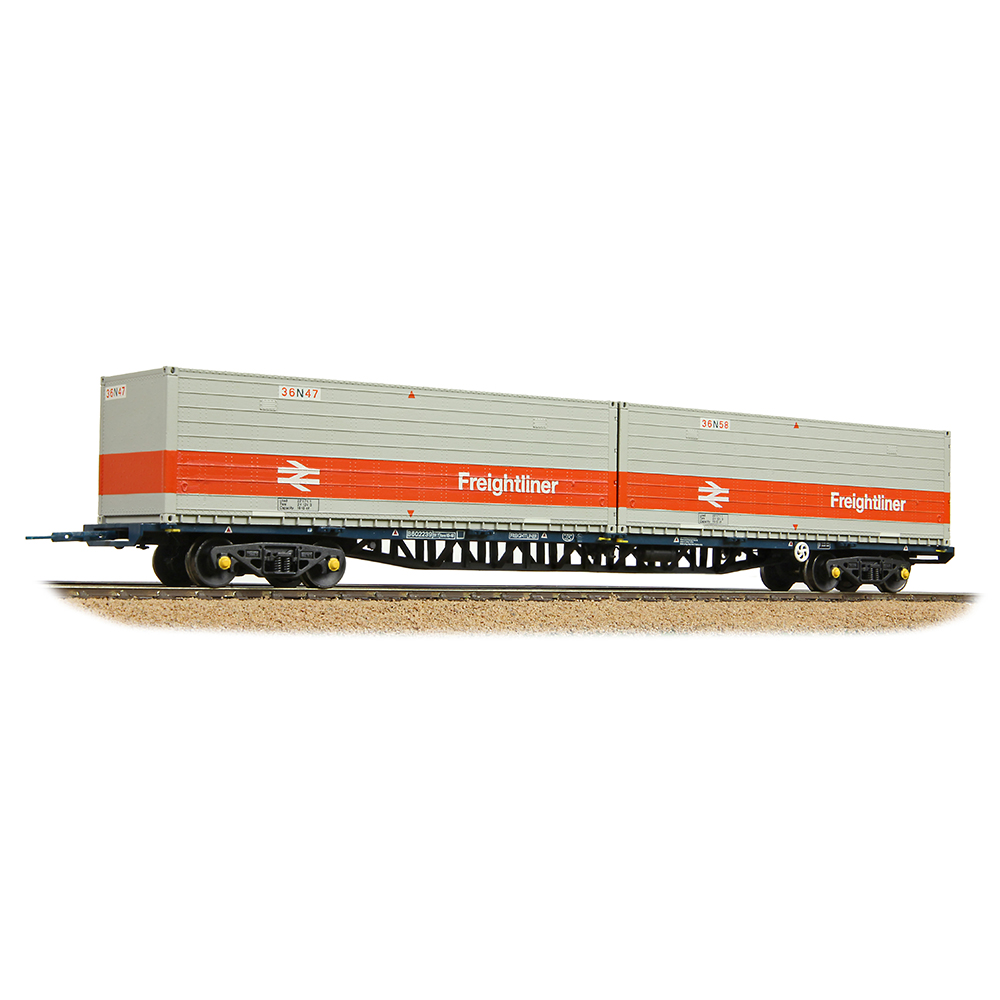
Our Price:
£58.45
£58.45