
Search results
 948006
CLASS 44 - 3 'SKIDDAW' BR BLUE
 'N' Gauge
 Released: 03/06/25
 DCC Ready (Next18)
The British Rail Class 44 or Sulzer Type 4 diesel locomotives were built by British Railways' Derby Works between 1959 and 1960, intended for express passenger services. They were originally numbered D1-D10 and named after mountains in England and Wales, and, along with the similar Class 45 and 46 locomotives, they became known as Peaks.

Our Price:
£130.00
£130.00
 38-625A
BR FGA Outer Flats 2-Pack BR Blue, 5 x Type L/N Freightliner Conts.
'OO' GaugeReleased: 19/06/25 Era 6
Era 6
Our Price:
£112.45
£112.45
38-626ABR FFA Inner Flat BR Blue, 3 x Type L Freightliner Containers
'OO' GaugeReleased: 19/06/25Era 6
Our Price:
£58.45
£58.45
38-626BBR FFA Inner Flat BR Blue, 3 x Type L Freightliner Containers
'OO' GaugeReleased: 19/06/25Era 6
Our Price:
£58.45
£58.45
38-626CBR FFA Inner Flat BR Blue, 2 x Type N Freightliner Containers
'OO' GaugeReleased: 19/06/25Era 6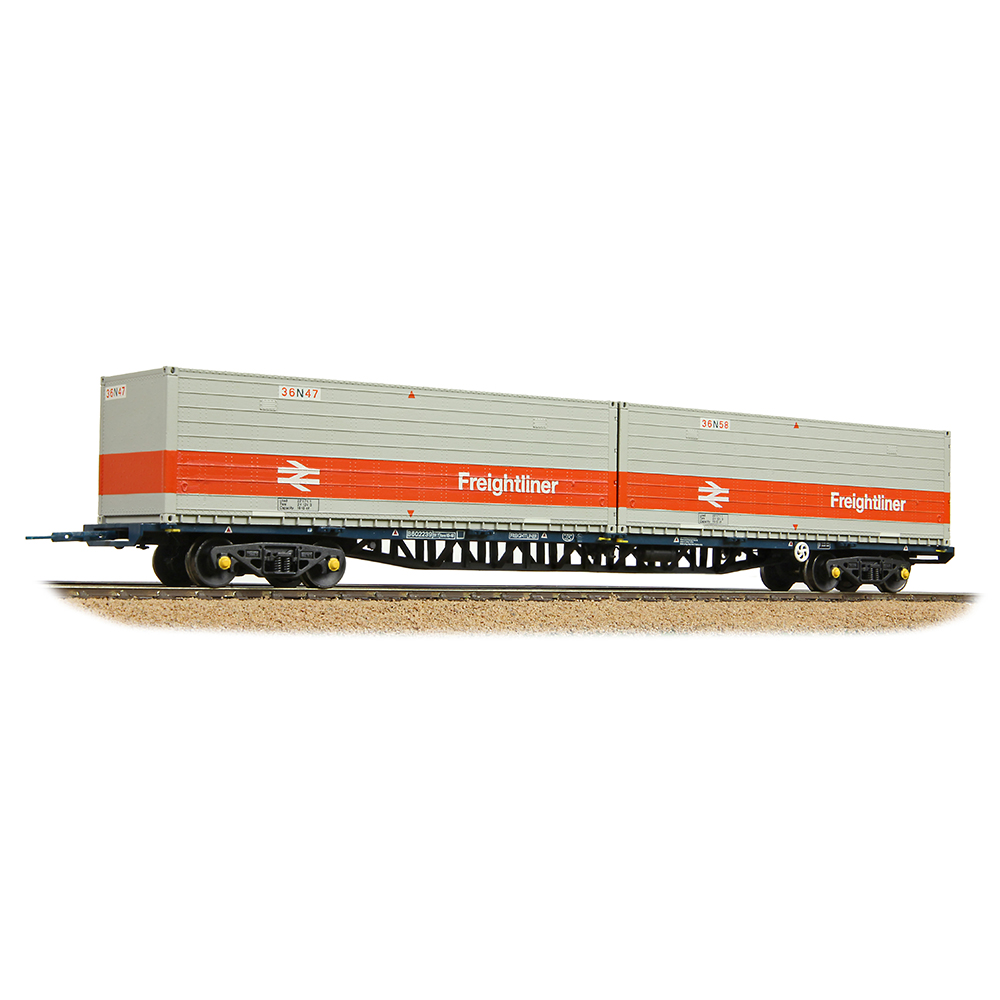
Our Price:
£58.45
£58.45
38-627ABR FGA Outer Flats 2-Pack BR Blue (TOPS), 5 x 20/40ft ISO Containers
'OO' GaugeReleased: 19/06/25Era 8
Our Price:
£112.45
£112.45
38-628ABR FFA Inner Flat BR Blue (TOPS), 2 x 20ft & 1 x Tank ISO Containers
'OO' GaugeReleased: 19/06/25Era 8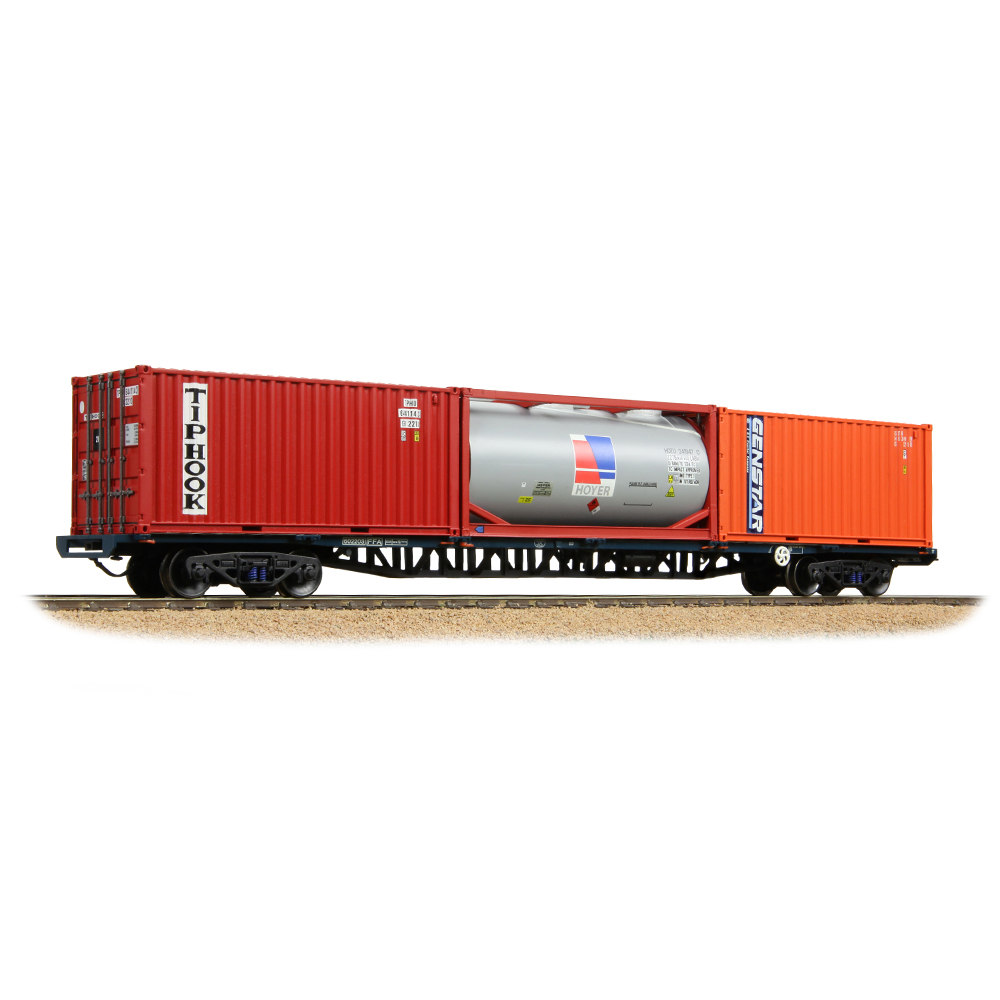
Our Price:
£58.45
£58.45
38-628BBR FFA Inner Flat BR Blue (TOPS), 20ft & 40ft ISO Containers
'OO' GaugeReleased: 19/06/25Era 8
Our Price:
£58.45
£58.45
38-628CBR FFA Inner Flat BR Blue (TOPS), 40ft & Tank ISO Containers
'OO' GaugeReleased: 19/06/25Era 8
Our Price:
£58.45
£58.45
 R30433
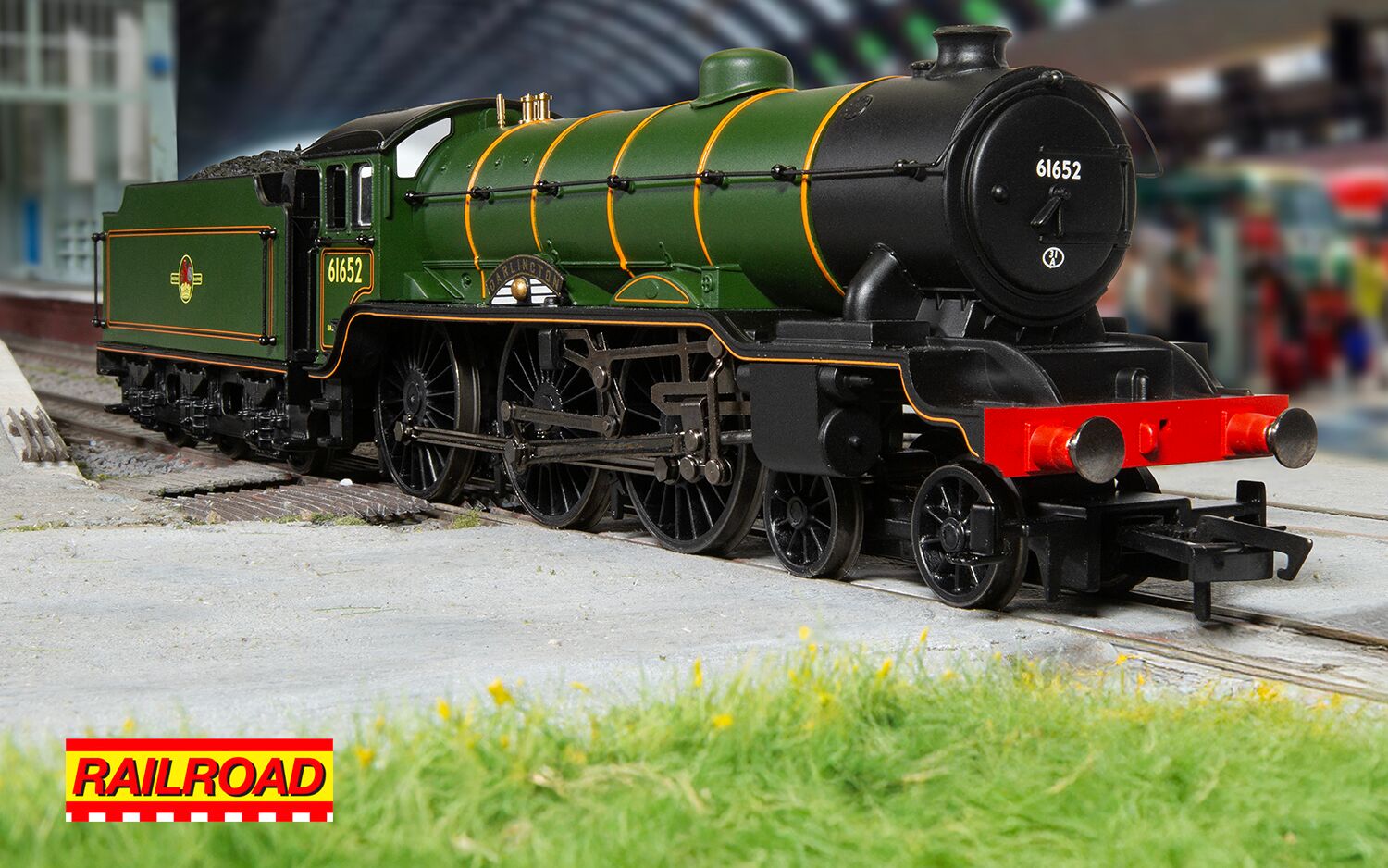
RailRoad: BR (Late) - B17 Class - 61652 'Darlington'
'OO' GaugeReleased: 23/06/25DCC Ready (21 Pin)Era 5The ‘B17’ Class was also known as either the ‘Sandringham’ Class or the ‘Footballer’ Class, depending on which name it carried. Designed by Nigel Gresley for passenger services on the Great Eastern Main Line, 73 were built between 1928 and 1937, 52 of them at the LNER’s Darlington Works and the remainder supplied by private builders North British in Glasgow and Robert Stephenson & Co. in Newcastle.
Built as No. 2852 in 1936, it became 61652 under BR and is one of the ‘Footballers’, carrying the crest of Darlington Football Club and a football beneath its nameplate. It is finished in BR Green with the late crest on the tender.
Our Price:
£130.49
£130.49
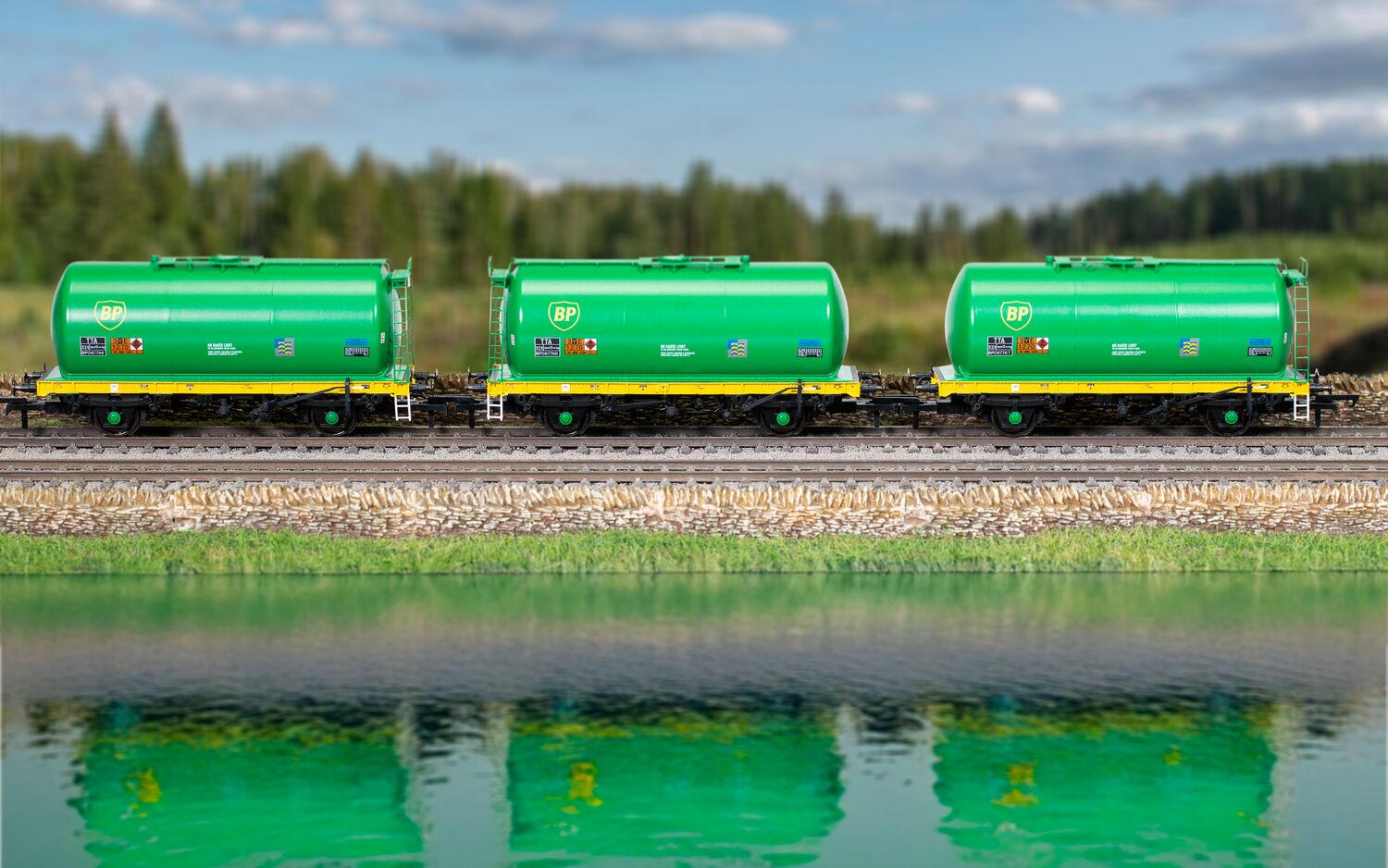
R60291BP - TTA - 67766-7-8 - Triple Pack Tanker Wagons
'OO' GaugeReleased: 23/06/25Era 8The TTA tanker was a mainstay of cargo traffic in the latter half of the 20th century. The TTA tanker was not a specific design, but had a specification which resulted in largely similar wagons from each company that made them. Initially designed to haul dangerous cargo such as fuel, the use of the wagons diversified as they came closer to withdrawal in the early 2000s.
Our Price:
£107.99
£107.99
903017NCB PLAIN RED HUNSLET 0-6-0ST 'PRIMROSE No.2'
'OO' GaugeReleased: 10/07/25DCC Ready (Next18)
Our Price:
£109.50
£109.50
903016LINED DARK GREEN HUNSLET 0-6-0ST 'JOHN SHAW'
'OO' GaugeReleased: 10/07/25DCC Ready (Next18)
Our Price:
£109.50
£109.50
903015LINED LIGHT GREEN HUNSLET 0-6-0ST 'GLASSHOUGHTON No.4'
'OO' GaugeReleased: 10/07/25DCC Ready (Next18)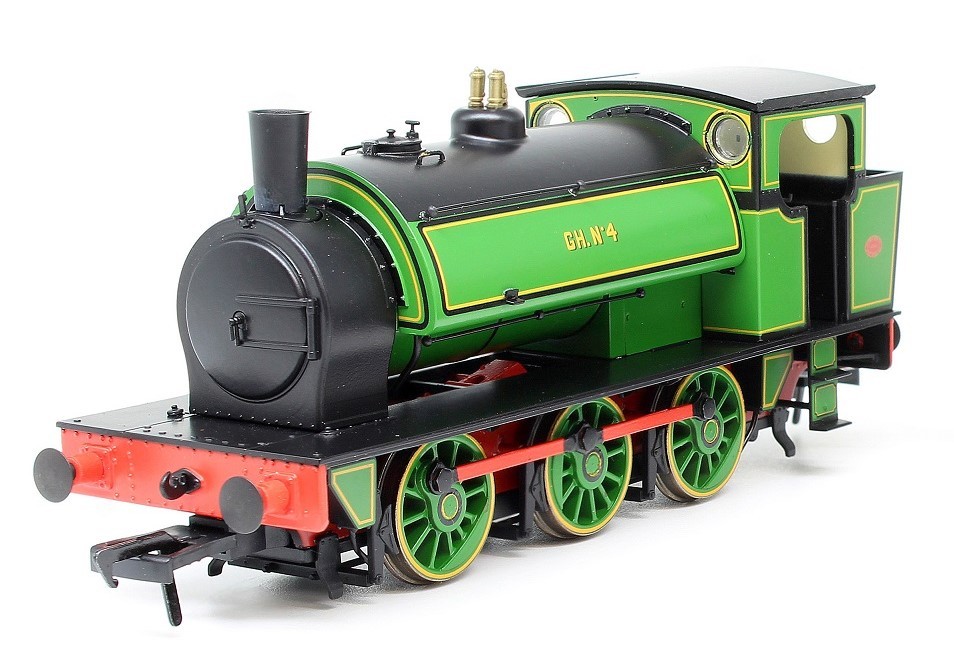
Our Price:
£109.50
£109.50
903014BLACK WITH CHEVRONS HUNSLET 0-6-0ST 'CLEMENT'
'OO' GaugeReleased: 10/07/25DCC Ready (Next18)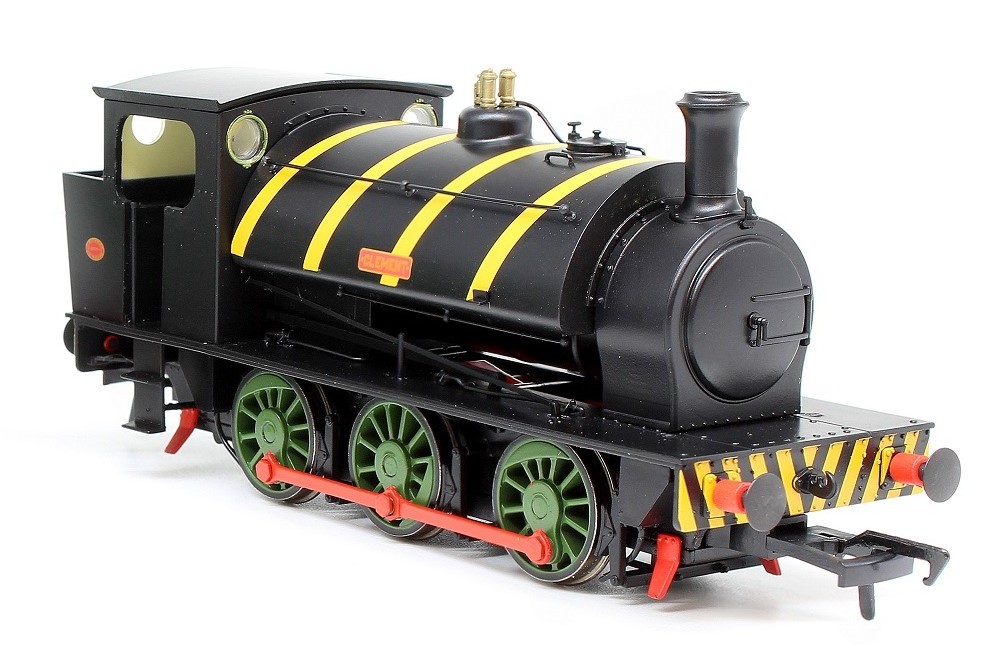
Our Price:
£109.50
£109.50
903013LINED GREEN HUNSLET 0-6-0ST 'BEATRICE' (AS PRESERVED)
'OO' GaugeReleased: 10/07/25DCC Ready (Next18)
Our Price:
£109.50
£109.50
 59101
59101Talyllyn Fletcher, Jennings & Co 0-4-2ST (Black)
'OO-9' GaugeReleased: 17/07/25Narrow Gauge Fletcher, Jennings & Co. 0-4-2ST Talyllyn Locomotive - Black - Opened in 1866, the 2'3" gauge Talyllyn Railway was the first narrow gauge line in the UK to operate steam-powered locomotives from the start, with predecessors having their origins in the horse-drawn wagon era. Construction of the 0-4-2ST “Talyllyn” locomotive preceded its namesake railway by two years, and the engine has spent its entire working life on the line. Initially designed for hauling slate, and later revenue passenger service, the Talyllyn locomotive today hauls tourists along its 7.25-mile railway, now recognized as one of the UK’s premier narrow gauge heritage lines.

Our Price:
£126.85
£126.85
59102Talyllyn Fletcher, Jennings & Co 0-4-2ST (Red)
'OO-9' GaugeReleased: 17/07/25Narrow Gauge Fletcher, Jennings & Co. 0-4-2ST Talyllyn Locomotive - Black - Opened in 1866, the 2'3" gauge Talyllyn Railway was the first narrow gauge line in the UK to operate steam-powered locomotives from the start, with predecessors having their origins in the horse-drawn wagon era. Construction of the 0-4-2ST “Talyllyn” locomotive preceded its namesake railway by two years, and the engine has spent its entire working life on the line. Initially designed for hauling slate, and later revenue passenger service, the Talyllyn locomotive today hauls tourists along its 7.25-mile railway, now recognized as one of the UK’s premier narrow gauge heritage lines.

Our Price:
£126.85
£126.85
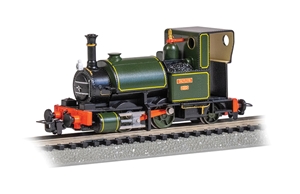
59103Talyllyn Fletcher, Jennings & Co 0-4-2ST (Green)
Released: 17/07/25Narrow Gauge Fletcher, Jennings & Co. 0-4-2ST Talyllyn Locomotive - Red - Opened in 1866, the 2'3" gauge Talyllyn Railway was the first narrow gauge line in the UK to operate steam-powered locomotives from the start, with predecessors having their origins in the horse-drawn wagon era. Construction of the 0-4-2ST “Talyllyn” locomotive preceded its namesake railway by two years, and the engine has spent its entire working life on the line. Initially designed for hauling slate, and later revenue passenger service, the Talyllyn locomotive today hauls tourists along its 7.25-mile railway, now recognized as one of the UK’s premier narrow gauge heritage lines.
Our Price:
£126.85
£126.85
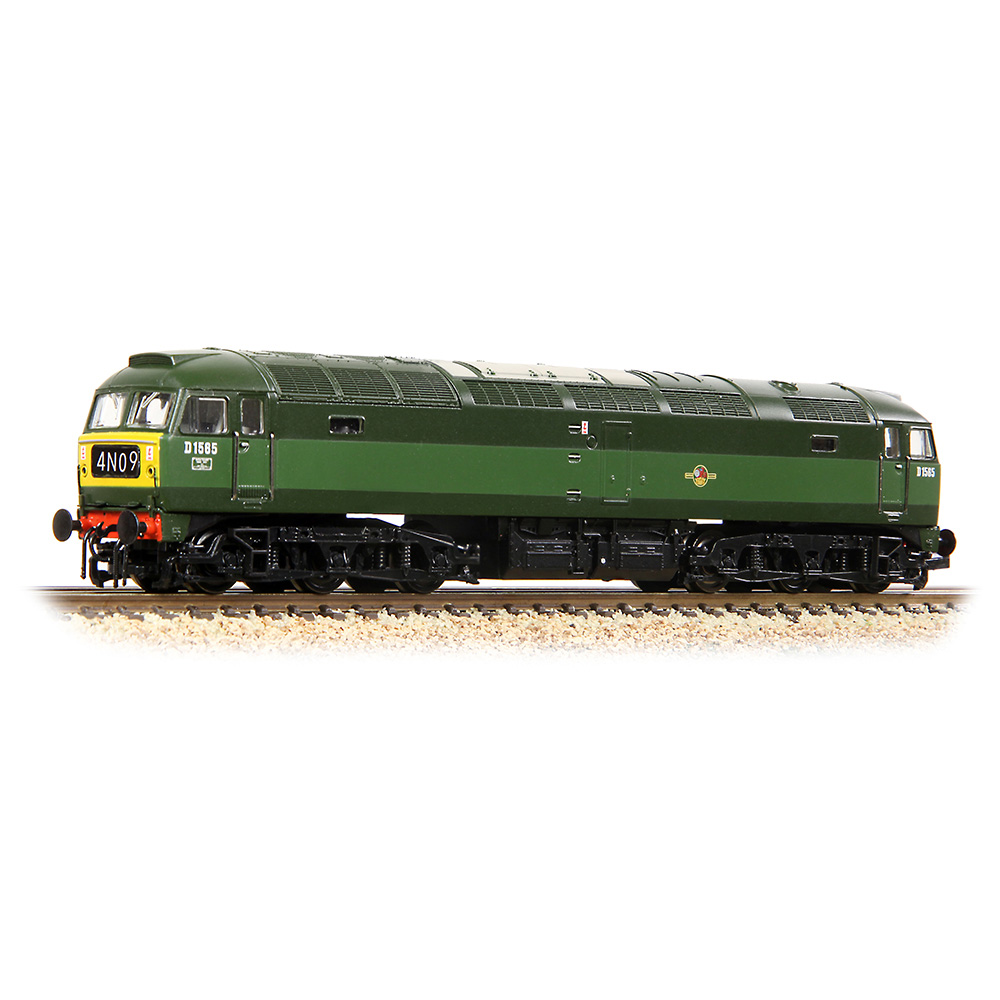
 371-825D
Class 47/0 D1565 BR Green (Small Yellow Panels)
'N' GaugeReleased: 17/07/25DCC Ready (Next18)Era 5The Class 47 was British Railways’ most prolific class of main-line diesel locomotive and so it’s no surprise that high fidelity models of these ever-popular machines are available in N Scale as part of the flagship Graham Farish range. This model tells the story of the Class’s early days of service, sporting original features and carrying the iconic two-tone green livery in which the majority of the fleet was outshopped, complete with small yellow warning panels at either end.
Our Price:
£152.95
£152.95