
Search results
 R60291
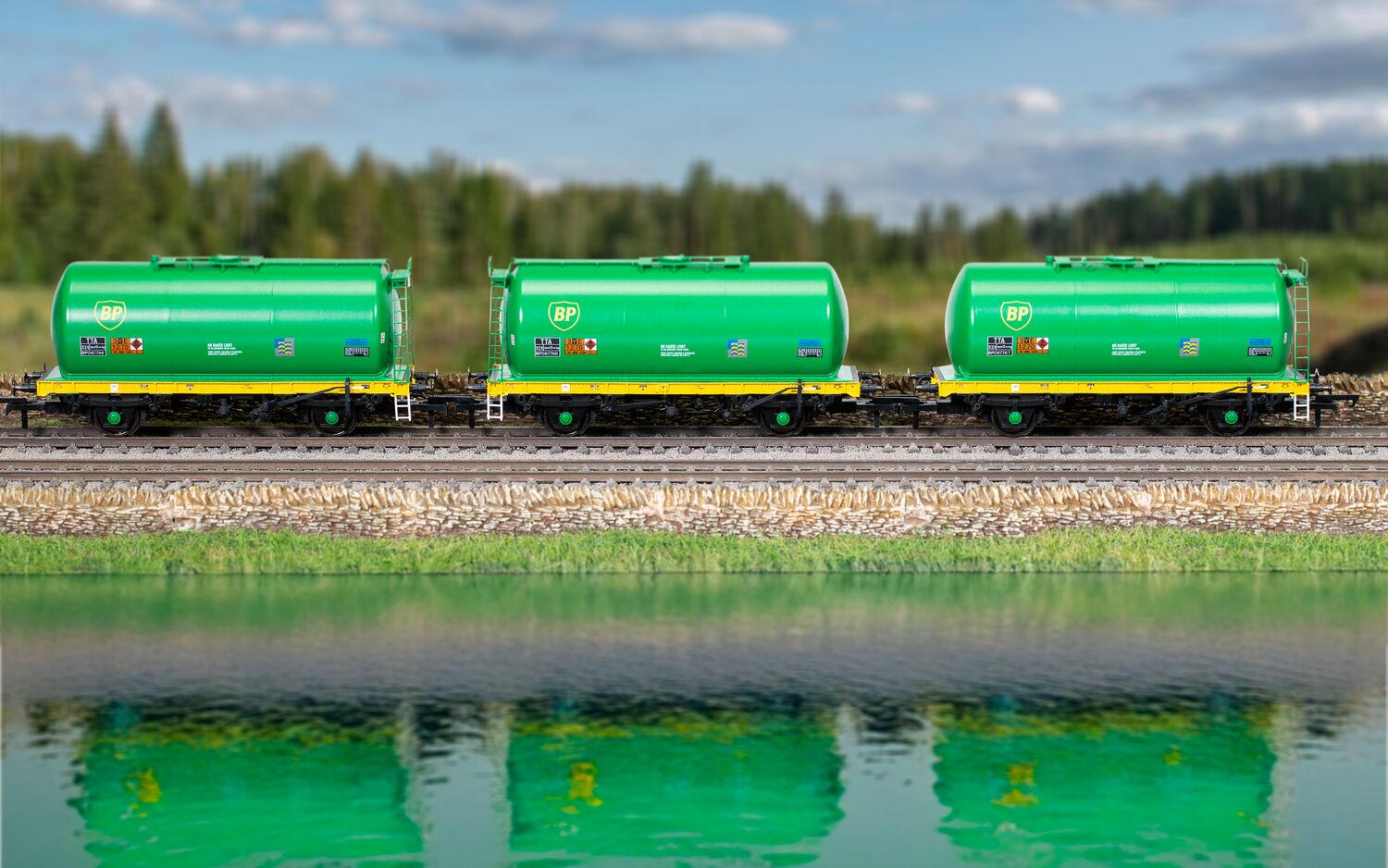
BP - TTA - 67766-7-8 - Triple Pack Tanker Wagons
 'OO' Gauge
 Released: 23/06/25
 Era 8
Era 8The TTA tanker was a mainstay of cargo traffic in the latter half of the 20th century. The TTA tanker was not a specific design, but had a specification which resulted in largely similar wagons from each company that made them. Initially designed to haul dangerous cargo such as fuel, the use of the wagons diversified as they came closer to withdrawal in the early 2000s.
Our Price:
£107.99
£107.99
 903017
NCB PLAIN RED HUNSLET 0-6-0ST 'PRIMROSE No.2'
'OO' GaugeReleased: 10/07/25 DCC Ready (Next18)
Our Price:
£109.50
£109.50
903016LINED DARK GREEN HUNSLET 0-6-0ST 'JOHN SHAW'
'OO' GaugeReleased: 10/07/25DCC Ready (Next18)
Our Price:
£109.50
£109.50
903015LINED LIGHT GREEN HUNSLET 0-6-0ST 'GLASSHOUGHTON No.4'
'OO' GaugeReleased: 10/07/25DCC Ready (Next18)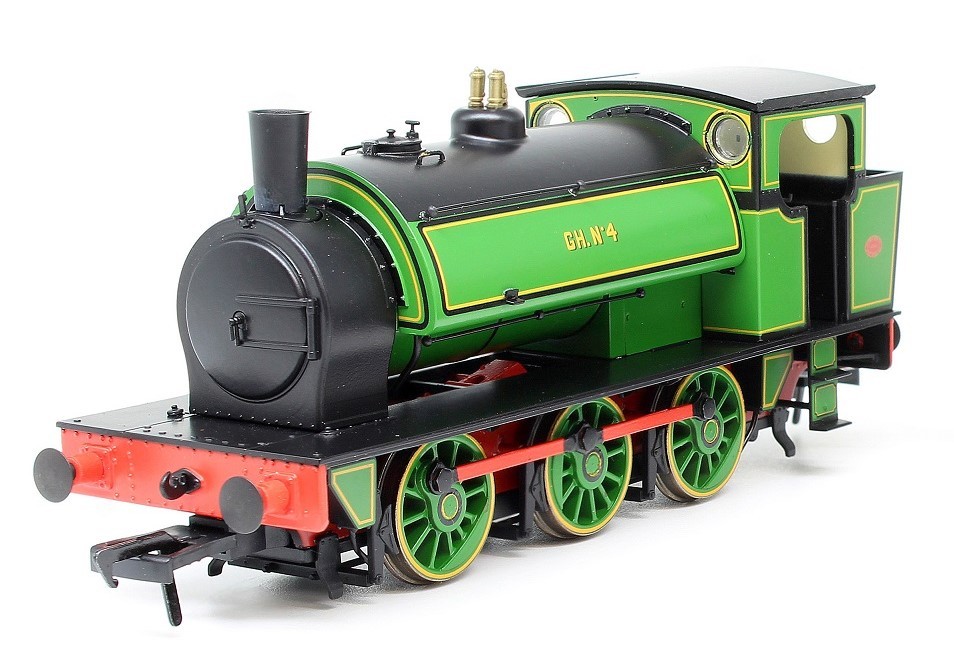
Our Price:
£109.50
£109.50
903014BLACK WITH CHEVRONS HUNSLET 0-6-0ST 'CLEMENT'
'OO' GaugeReleased: 10/07/25DCC Ready (Next18)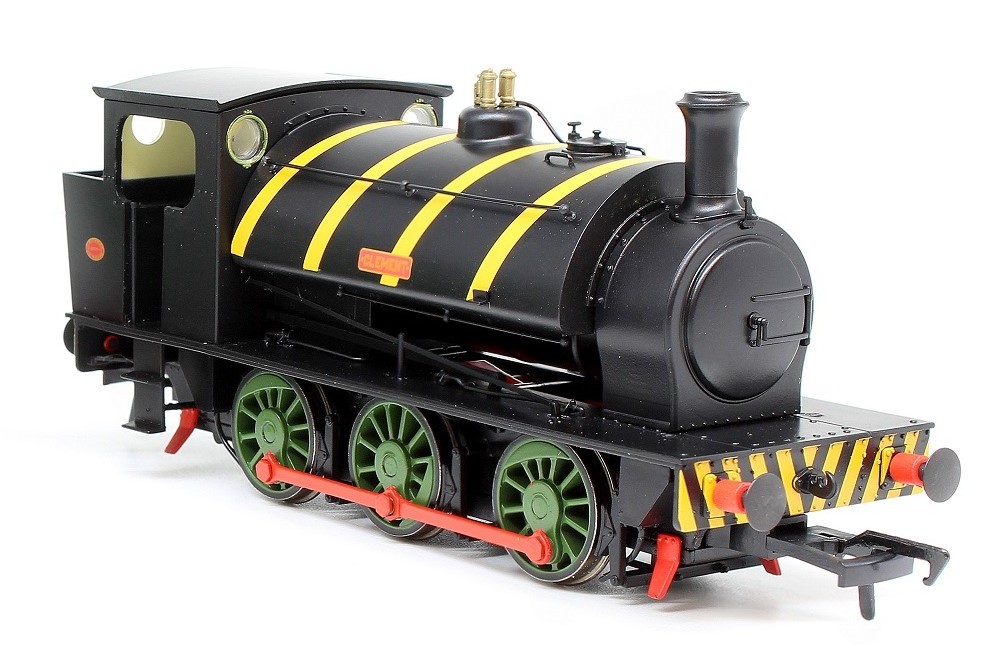
Our Price:
£109.50
£109.50
903013LINED GREEN HUNSLET 0-6-0ST 'BEATRICE' (AS PRESERVED)
'OO' GaugeReleased: 10/07/25DCC Ready (Next18)
Our Price:
£109.50
£109.50
 59101
59101Talyllyn Fletcher, Jennings & Co 0-4-2ST (Black)
'OO-9' GaugeReleased: 17/07/25Narrow Gauge Fletcher, Jennings & Co. 0-4-2ST Talyllyn Locomotive - Black - Opened in 1866, the 2'3" gauge Talyllyn Railway was the first narrow gauge line in the UK to operate steam-powered locomotives from the start, with predecessors having their origins in the horse-drawn wagon era. Construction of the 0-4-2ST “Talyllyn” locomotive preceded its namesake railway by two years, and the engine has spent its entire working life on the line. Initially designed for hauling slate, and later revenue passenger service, the Talyllyn locomotive today hauls tourists along its 7.25-mile railway, now recognized as one of the UK’s premier narrow gauge heritage lines.

Our Price:
£126.85
£126.85
59102Talyllyn Fletcher, Jennings & Co 0-4-2ST (Red)
'OO-9' GaugeReleased: 17/07/25Narrow Gauge Fletcher, Jennings & Co. 0-4-2ST Talyllyn Locomotive - Black - Opened in 1866, the 2'3" gauge Talyllyn Railway was the first narrow gauge line in the UK to operate steam-powered locomotives from the start, with predecessors having their origins in the horse-drawn wagon era. Construction of the 0-4-2ST “Talyllyn” locomotive preceded its namesake railway by two years, and the engine has spent its entire working life on the line. Initially designed for hauling slate, and later revenue passenger service, the Talyllyn locomotive today hauls tourists along its 7.25-mile railway, now recognized as one of the UK’s premier narrow gauge heritage lines.

Our Price:
£126.85
£126.85
 59103
59103Talyllyn Fletcher, Jennings & Co 0-4-2ST (Green)
Released: 17/07/25Narrow Gauge Fletcher, Jennings & Co. 0-4-2ST Talyllyn Locomotive - Red - Opened in 1866, the 2'3" gauge Talyllyn Railway was the first narrow gauge line in the UK to operate steam-powered locomotives from the start, with predecessors having their origins in the horse-drawn wagon era. Construction of the 0-4-2ST “Talyllyn” locomotive preceded its namesake railway by two years, and the engine has spent its entire working life on the line. Initially designed for hauling slate, and later revenue passenger service, the Talyllyn locomotive today hauls tourists along its 7.25-mile railway, now recognized as one of the UK’s premier narrow gauge heritage lines.
Our Price:
£126.85
£126.85
 371-825D
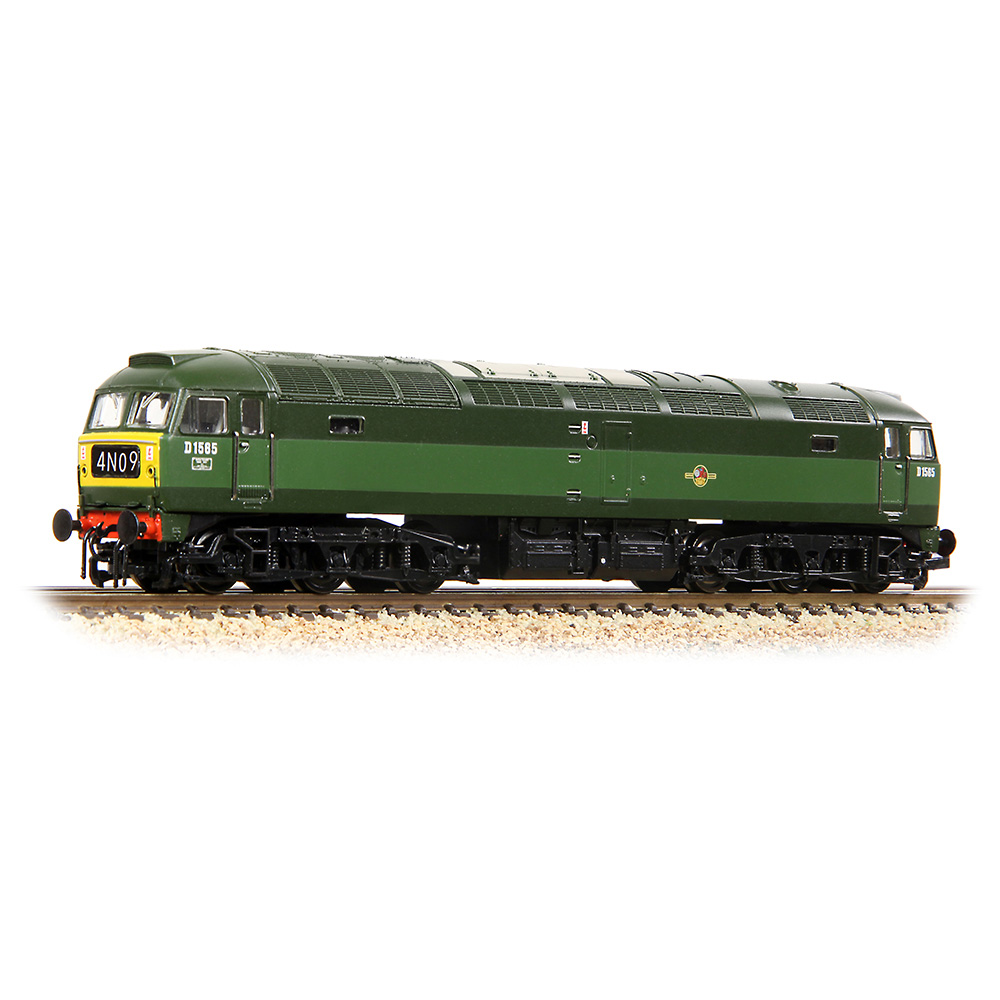
Class 47/0 D1565 BR Green (Small Yellow Panels)
'N' GaugeReleased: 17/07/25DCC Ready (Next18)Era 5The Class 47 was British Railways’ most prolific class of main-line diesel locomotive and so it’s no surprise that high fidelity models of these ever-popular machines are available in N Scale as part of the flagship Graham Farish range. This model tells the story of the Class’s early days of service, sporting original features and carrying the iconic two-tone green livery in which the majority of the fleet was outshopped, complete with small yellow warning panels at either end.
Our Price:
£152.95
£152.95
371-825DSFClass 47/0 D1565 BR Green (Small Yellow Panels) With DCC Sound Fitted
'N' GaugeReleased: 17/07/25DCC FittedDCC SoundEra 5The Class 47 was British Railways’ most prolific class of main-line diesel locomotive and so it’s no surprise that high fidelity models of these ever-popular machines are available in N Scale as part of the flagship Graham Farish range. This model tells the story of the Class’s early days of service, sporting original features and carrying the iconic two-tone green livery in which the majority of the fleet was outshopped, complete with small yellow warning panels at either end.
D1565 takes full advantage to the recent upgrades that have benefited the Graham Farish Class 47, namely the technical advancements which see the model boasting a Next18 DCC decoder interface, pre-fitted speaker, cab lighting (when used on DCC) and independent control of the directional lights at each end. With the Next18 interface and pre-fitted speaker, SOUND FITTED models can now be offered for the first time.

Our Price:
£246.45
£246.45
371-825ESFClass 47/0 D1601 BR Green (Small Yellow Panels) With DCC Sound Fitted
'N' GaugeReleased: 17/07/25DCC FittedDCC SoundEra 5The Class 47 was British Railways’ most prolific class of main-line diesel locomotive and so it’s no surprise that high fidelity models of these ever-popular machines are available in N Scale as part of the flagship Graham Farish range. This model tells the story of the Class’s early days of service, sporting original features and carrying the iconic two-tone green livery in which the majority of the fleet was outshopped, complete with small yellow warning panels at either end.
D1565 takes full advantage to the recent upgrades that have benefited the Graham Farish Class 47, namely the technical advancements which see the model boasting a Next18 DCC decoder interface, pre-fitted speaker, cab lighting (when used on DCC) and independent control of the directional lights at each end. With the Next18 interface and pre-fitted speaker, SOUND FITTED models can now be offered for the first time.

Our Price:
£246.45
£246.45
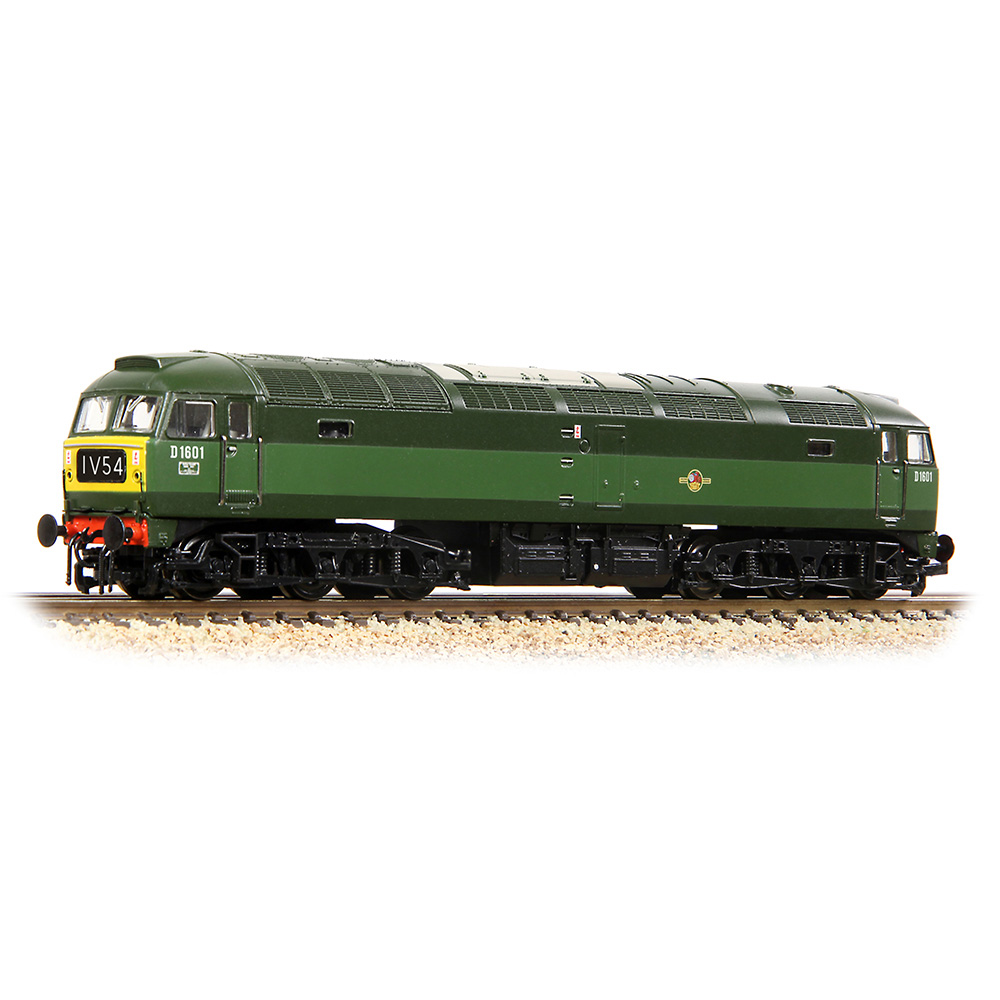
371-825EClass 47/0 D1601 BR Green (Small Yellow Panels)
'N' GaugeReleased: 17/07/25DCC Ready (Next18)Era 5The Class 47 was British Railways’ most prolific class of main-line diesel locomotive and so it’s no surprise that high fidelity models of these ever-popular machines are available in N Scale as part of the flagship Graham Farish range. This model tells the story of the Class’s early days of service, sporting original features and carrying the iconic two-tone green livery in which the majority of the fleet was outshopped, complete with small yellow warning panels at either end.
Our Price:
£152.95
£152.95
951001GWR 44XX No.4400 GREAT WESTERN GREEN
'OO' GaugeReleased: 15/08/25DCC Ready (Next18)Era 3They were introduced in 1904 for work on small branch lines. The 4500 class was a later development with larger driving wheels. The 4400s were particularly used in hilly districts, notably the Princetown and Much Wenlock Branches.[2] All were withdrawn and scrapped between 1949 and 1955.[2]

Our Price:
£147.00
£147.00
951002GWR 44XX No.4408 GREAT WESTERN GREEN
'OO' GaugeReleased: 15/08/25DCC Ready (Next18)Era 3They were introduced in 1904 for work on small branch lines. The 4500 class was a later development with larger driving wheels. The 4400s were particularly used in hilly districts, notably the Princetown and Much Wenlock Branches.[2] All were withdrawn and scrapped between 1949 and 1955.[2]

Our Price:
£147.00
£147.00
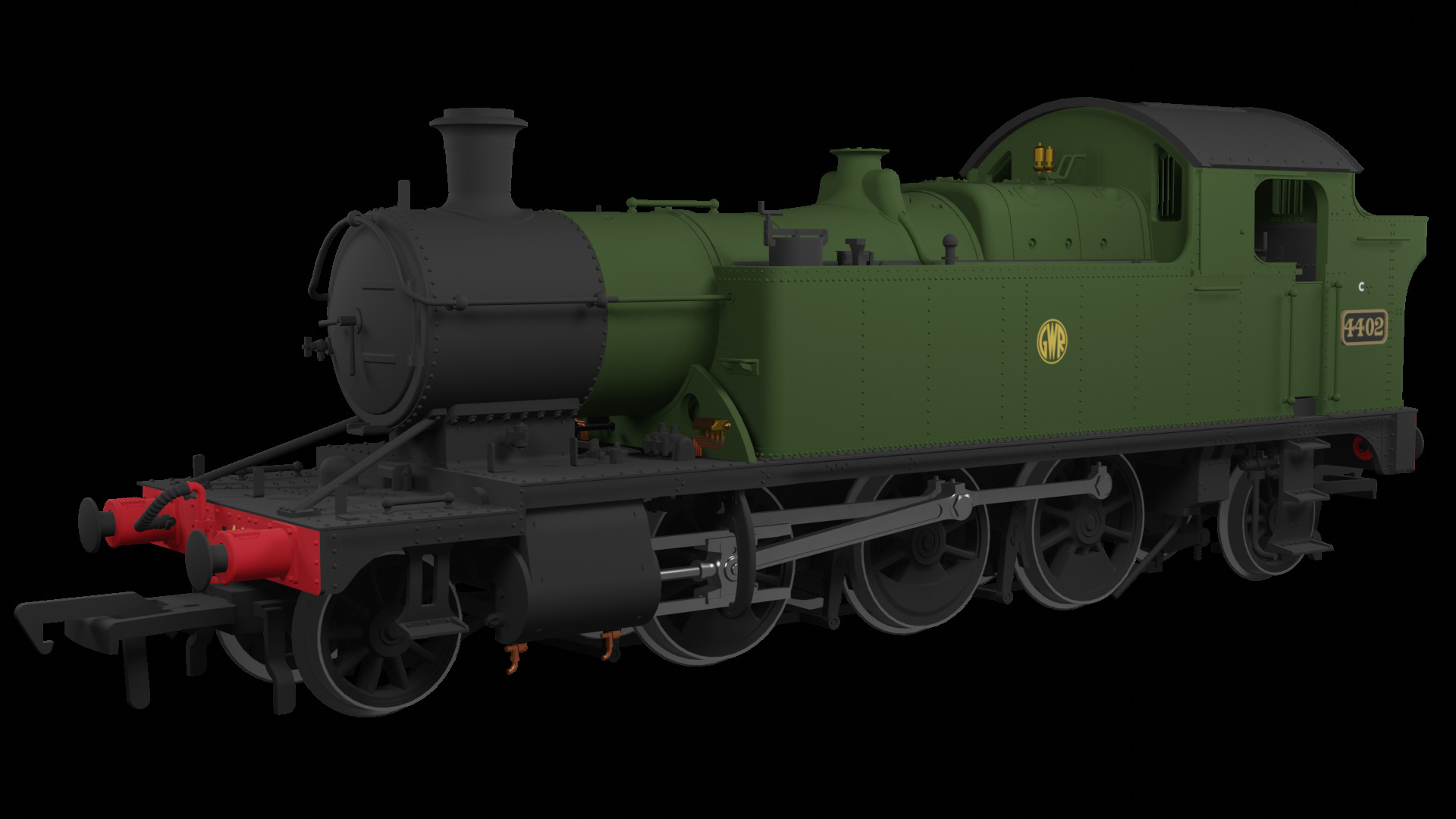
951003GWR 44XX No.4402 GREAT WESTERN GREEN WITH SHIRTBUTTON ROUNDEL
'OO' GaugeReleased: 15/08/25DCC Ready (Next18)Era 3They were introduced in 1904 for work on small branch lines. The 4500 class was a later development with larger driving wheels. The 4400s were particularly used in hilly districts, notably the Princetown and Much Wenlock Branches.[2] All were withdrawn and scrapped between 1949 and 1955.[2]
Our Price:
£147.00
£147.00
951007BR 44XX No.4406 BR LINED BLACK WITH EARLY CREST
'OO' GaugeReleased: 15/08/25DCC Ready (Next18)Era 4They were introduced in 1904 for work on small branch lines. The 4500 class was a later development with larger driving wheels. The 4400s were particularly used in hilly districts, notably the Princetown and Much Wenlock Branches.[2] All were withdrawn and scrapped between 1949 and 1955.[2]

Our Price:
£147.00
£147.00
951008BR 44XX No.4401 BR PLAIN BLACK WITH EARLY CREST
'OO' GaugeReleased: 15/08/25DCC Ready (Next18)Era 4They were introduced in 1904 for work on small branch lines. The 4500 class was a later development with larger driving wheels. The 4400s were particularly used in hilly districts, notably the Princetown and Much Wenlock Branches.[2] All were withdrawn and scrapped between 1949 and 1955.[2]

Our Price:
£147.00
£147.00
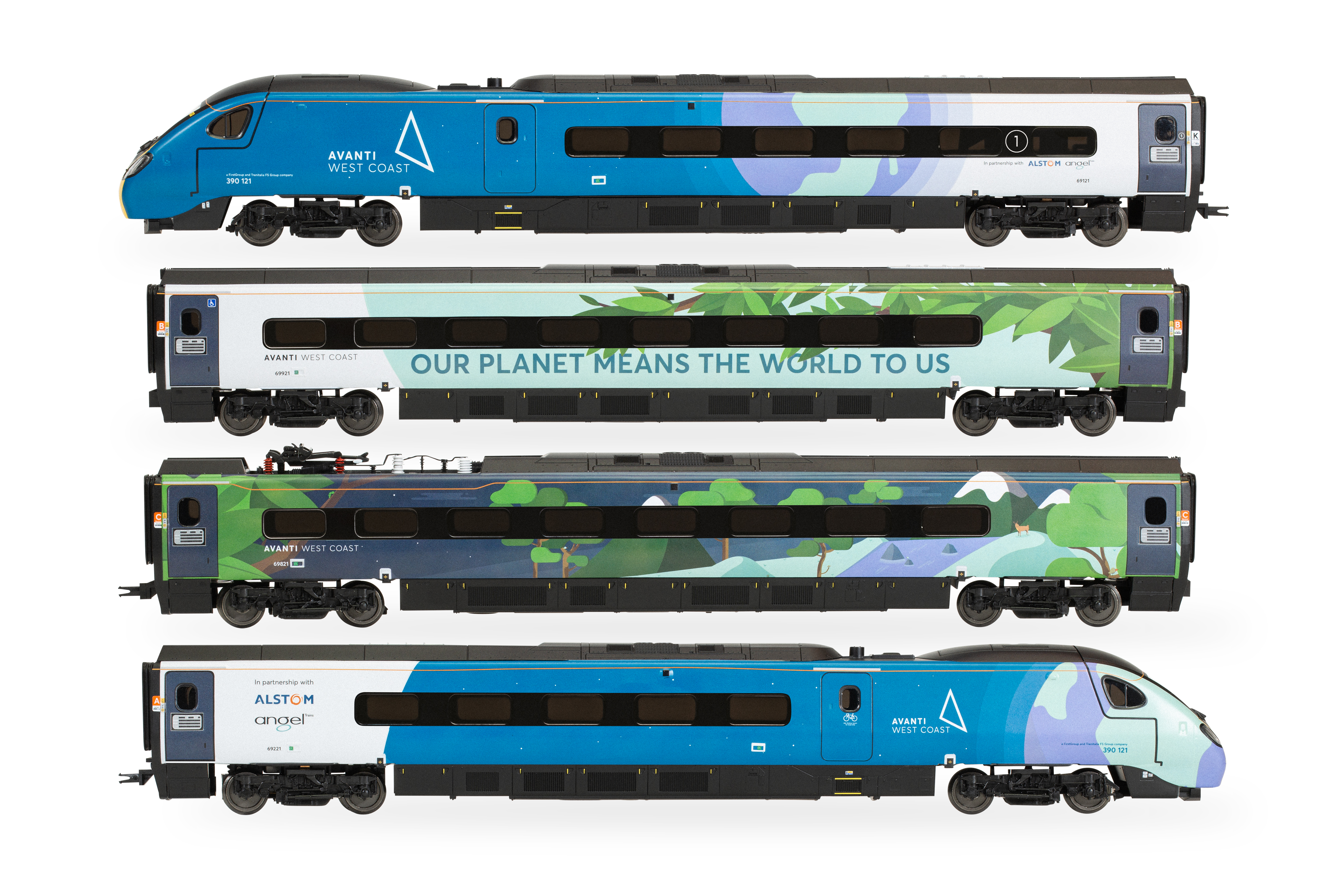
R30444Avanti West Coast - Class 390 - 390121 - 4 Car Train Pack (COP26 Livery)
'OO' GaugeReleased: 10/09/25DCC Ready (21 Pin)Era 11This attractive train pack features the eye-catching COP26 livery, allowing you to show your support for action against climate change while running your model railway layout. The four-car pack includes dual DCC-ready power cars and two coaches, with motors in each end of the train for two-way control.
History
First introduced in July 2002 for high-speed electric passenger services, 53 eight-car units were initially built for use on the West Coast Main Line and leased from Angel Trains.
They went to Virgin Trains at first, but in December 2019, they transferred to Avanti West Coast. Four more of the tilting sets were added to the fleet between 2010 and 2012.
From 2012, 31 of the original units were increased to 11-coach sets, including 390121, which was decorated in a special ‘Ride Against Climate Change’ livery for Glasgow Cop26 in 2021.
Our Price:
£305.99
£305.99
R40453LNER - Gresley Corridor - 31869 - Third Class Coach
'OO' GaugeReleased: 10/09/25Era 3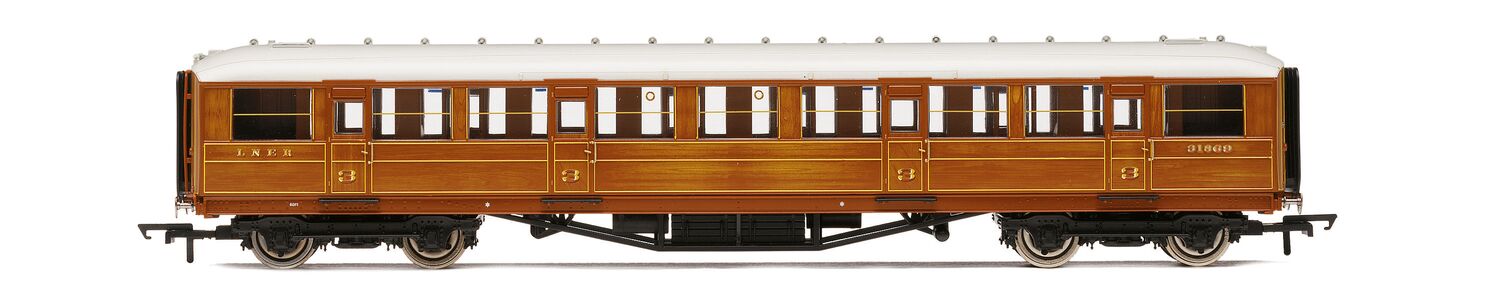
Our Price:
£62.99
£62.99