Search results
 371-825DSF
Class 47/0 D1565 BR Green (Small Yellow Panels) With DCC Sound Fitted
 'N' Gauge
 Released: 17/07/25
 DCC FittedDCC Sound
 Era 5
Era 5The Class 47 was British Railways’ most prolific class of main-line diesel locomotive and so it’s no surprise that high fidelity models of these ever-popular machines are available in N Scale as part of the flagship Graham Farish range. This model tells the story of the Class’s early days of service, sporting original features and carrying the iconic two-tone green livery in which the majority of the fleet was outshopped, complete with small yellow warning panels at either end.
D1565 takes full advantage to the recent upgrades that have benefited the Graham Farish Class 47, namely the technical advancements which see the model boasting a Next18 DCC decoder interface, pre-fitted speaker, cab lighting (when used on DCC) and independent control of the directional lights at each end. With the Next18 interface and pre-fitted speaker, SOUND FITTED models can now be offered for the first time.

Our Price:
£246.45
£246.45
371-825ESFClass 47/0 D1601 BR Green (Small Yellow Panels) With DCC Sound Fitted
'N' GaugeReleased: 17/07/25DCC FittedDCC SoundEra 5The Class 47 was British Railways’ most prolific class of main-line diesel locomotive and so it’s no surprise that high fidelity models of these ever-popular machines are available in N Scale as part of the flagship Graham Farish range. This model tells the story of the Class’s early days of service, sporting original features and carrying the iconic two-tone green livery in which the majority of the fleet was outshopped, complete with small yellow warning panels at either end.
D1565 takes full advantage to the recent upgrades that have benefited the Graham Farish Class 47, namely the technical advancements which see the model boasting a Next18 DCC decoder interface, pre-fitted speaker, cab lighting (when used on DCC) and independent control of the directional lights at each end. With the Next18 interface and pre-fitted speaker, SOUND FITTED models can now be offered for the first time.

Our Price:
£246.45
£246.45
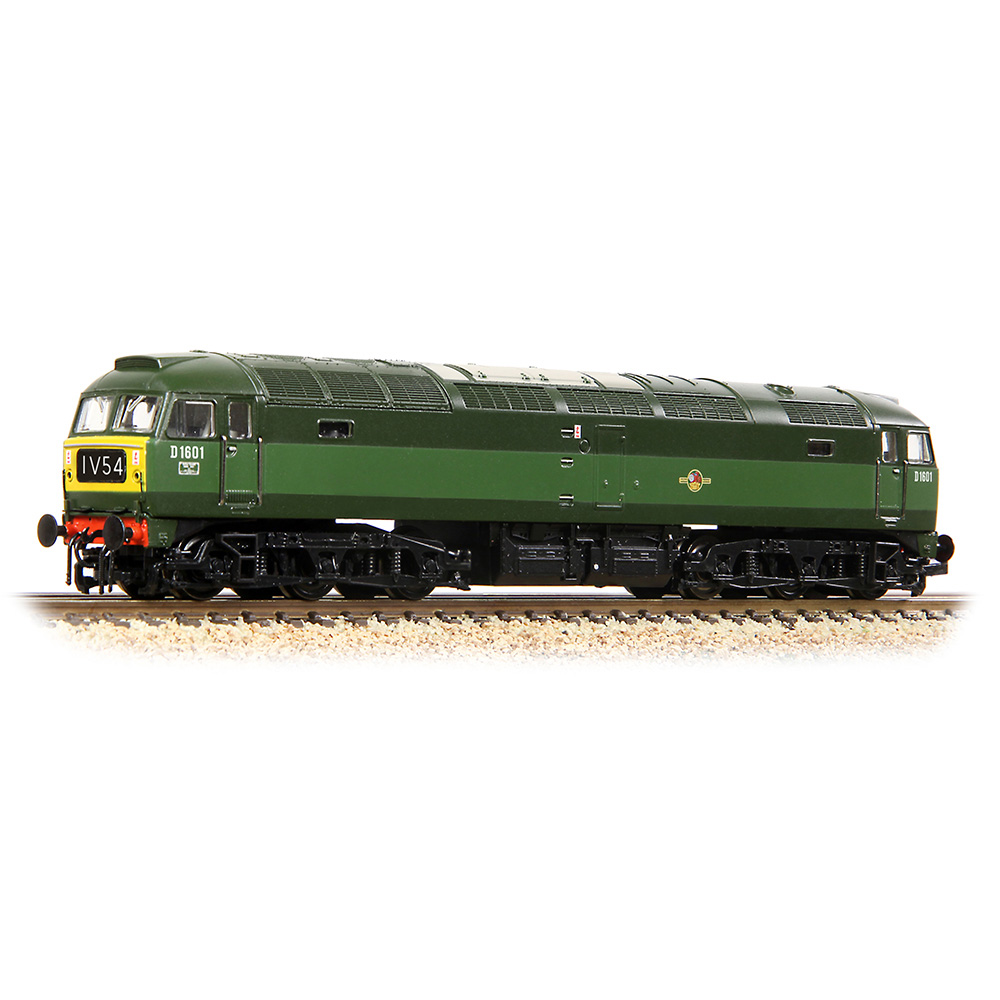
371-825EClass 47/0 D1601 BR Green (Small Yellow Panels)
'N' GaugeReleased: 17/07/25DCC Ready (Next18)Era 5The Class 47 was British Railways’ most prolific class of main-line diesel locomotive and so it’s no surprise that high fidelity models of these ever-popular machines are available in N Scale as part of the flagship Graham Farish range. This model tells the story of the Class’s early days of service, sporting original features and carrying the iconic two-tone green livery in which the majority of the fleet was outshopped, complete with small yellow warning panels at either end.
Our Price:
£152.95
£152.95
 951001
GWR 44XX No.4400 GREAT WESTERN GREEN
'OO' GaugeReleased: 15/08/25DCC Ready (Next18)Era 3They were introduced in 1904 for work on small branch lines. The 4500 class was a later development with larger driving wheels. The 4400s were particularly used in hilly districts, notably the Princetown and Much Wenlock Branches.[2] All were withdrawn and scrapped between 1949 and 1955.[2]

Our Price:
£147.00
£147.00
951002GWR 44XX No.4408 GREAT WESTERN GREEN
'OO' GaugeReleased: 15/08/25DCC Ready (Next18)Era 3They were introduced in 1904 for work on small branch lines. The 4500 class was a later development with larger driving wheels. The 4400s were particularly used in hilly districts, notably the Princetown and Much Wenlock Branches.[2] All were withdrawn and scrapped between 1949 and 1955.[2]

Our Price:
£147.00
£147.00
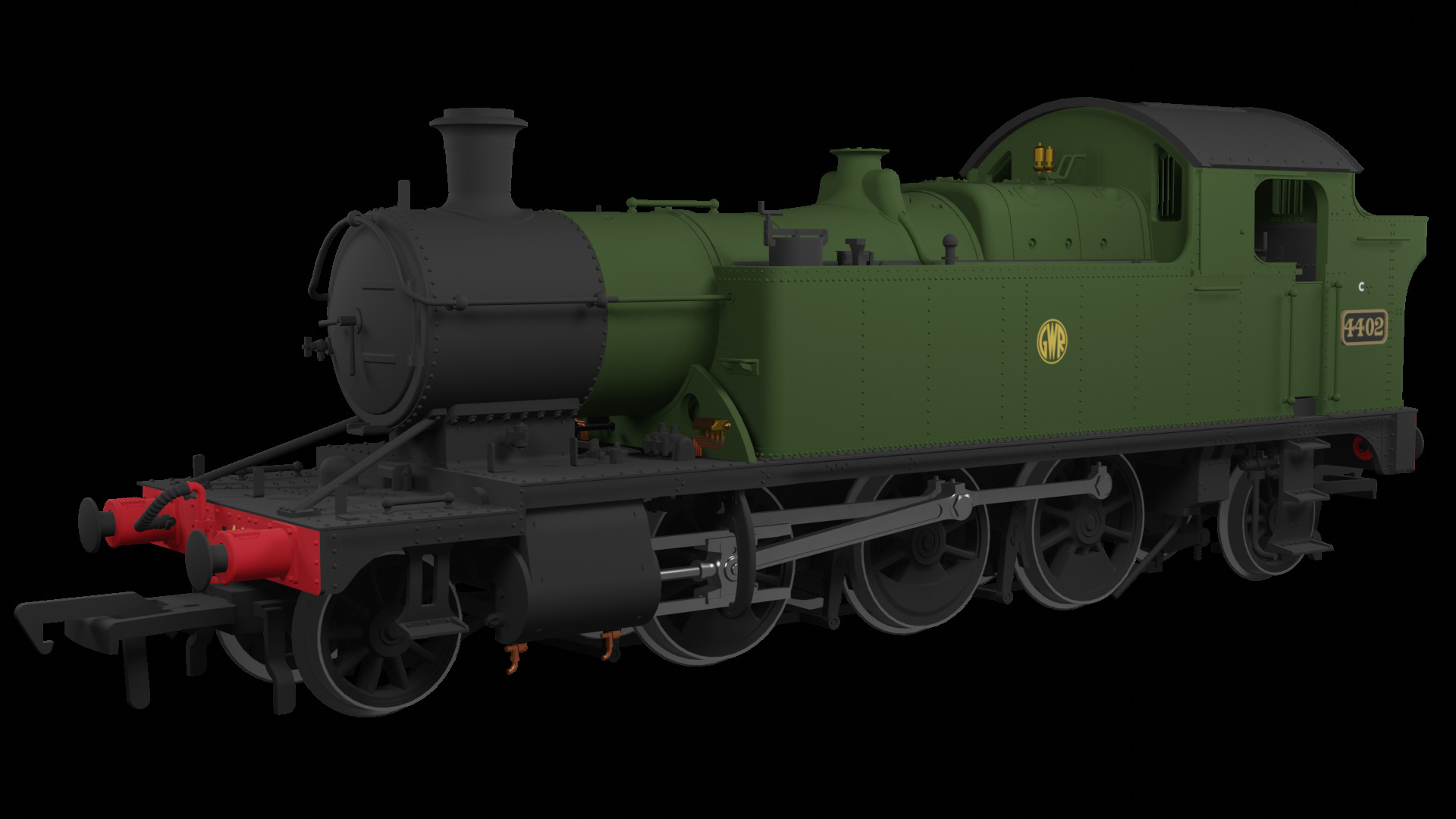
951003GWR 44XX No.4402 GREAT WESTERN GREEN WITH SHIRTBUTTON ROUNDEL
'OO' GaugeReleased: 15/08/25DCC Ready (Next18)Era 3They were introduced in 1904 for work on small branch lines. The 4500 class was a later development with larger driving wheels. The 4400s were particularly used in hilly districts, notably the Princetown and Much Wenlock Branches.[2] All were withdrawn and scrapped between 1949 and 1955.[2]
Our Price:
£147.00
£147.00
951007BR 44XX No.4406 BR LINED BLACK WITH EARLY CREST
'OO' GaugeReleased: 15/08/25DCC Ready (Next18)Era 4They were introduced in 1904 for work on small branch lines. The 4500 class was a later development with larger driving wheels. The 4400s were particularly used in hilly districts, notably the Princetown and Much Wenlock Branches.[2] All were withdrawn and scrapped between 1949 and 1955.[2]

Our Price:
£147.00
£147.00
951008BR 44XX No.4401 BR PLAIN BLACK WITH EARLY CREST
'OO' GaugeReleased: 15/08/25DCC Ready (Next18)Era 4They were introduced in 1904 for work on small branch lines. The 4500 class was a later development with larger driving wheels. The 4400s were particularly used in hilly districts, notably the Princetown and Much Wenlock Branches.[2] All were withdrawn and scrapped between 1949 and 1955.[2]

Our Price:
£147.00
£147.00
 R30444
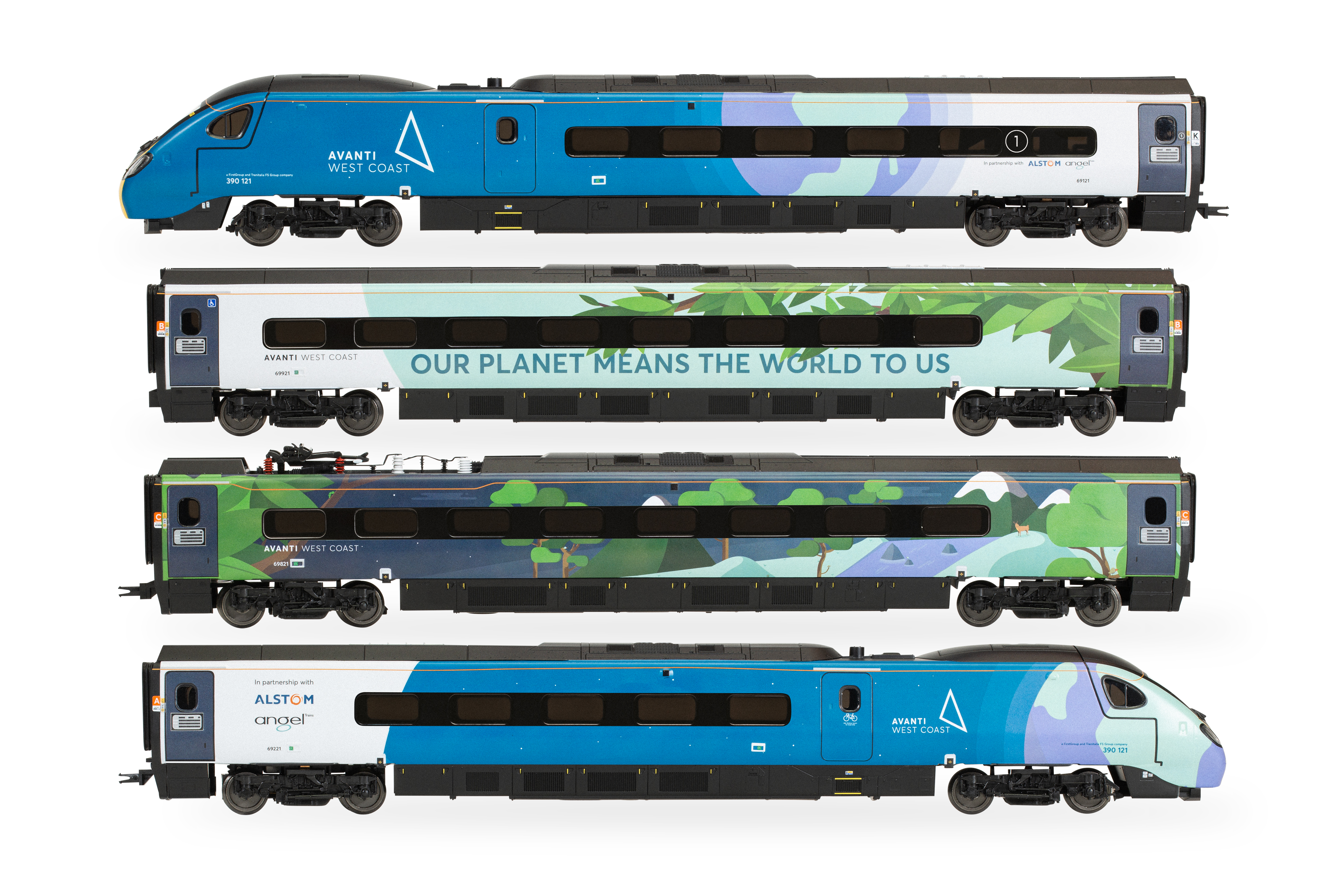
Avanti West Coast - Class 390 - 390121 - 4 Car Train Pack (COP26 Livery)
'OO' GaugeReleased: 10/09/25DCC Ready (21 Pin)Era 11This attractive train pack features the eye-catching COP26 livery, allowing you to show your support for action against climate change while running your model railway layout. The four-car pack includes dual DCC-ready power cars and two coaches, with motors in each end of the train for two-way control.
History
First introduced in July 2002 for high-speed electric passenger services, 53 eight-car units were initially built for use on the West Coast Main Line and leased from Angel Trains.
They went to Virgin Trains at first, but in December 2019, they transferred to Avanti West Coast. Four more of the tilting sets were added to the fleet between 2010 and 2012.
From 2012, 31 of the original units were increased to 11-coach sets, including 390121, which was decorated in a special ‘Ride Against Climate Change’ livery for Glasgow Cop26 in 2021.
Our Price:
£305.99
£305.99
R40453LNER - Gresley Corridor - 31869 - Third Class Coach
'OO' GaugeReleased: 10/09/25Era 3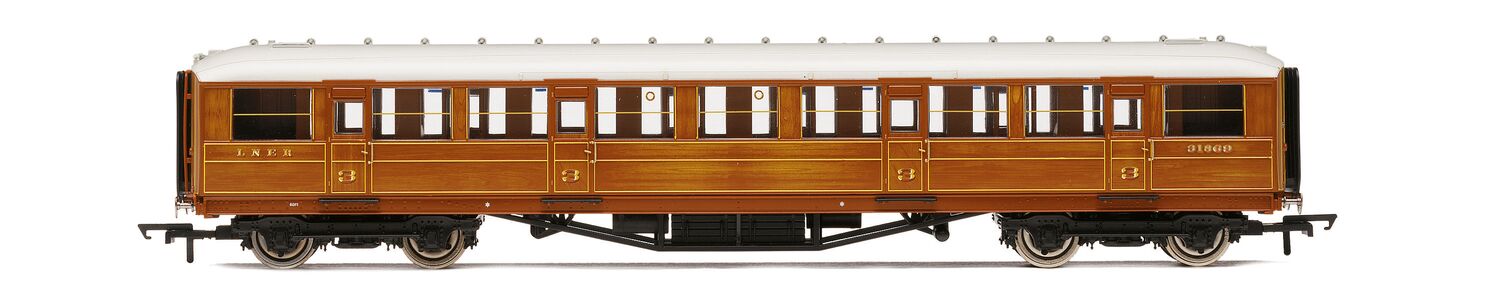
Our Price:
£62.99
£62.99
R40454LNER - Gresley Corridor - 21437 - Brake Composite Coach
'OO' GaugeReleased: 10/09/25Era 3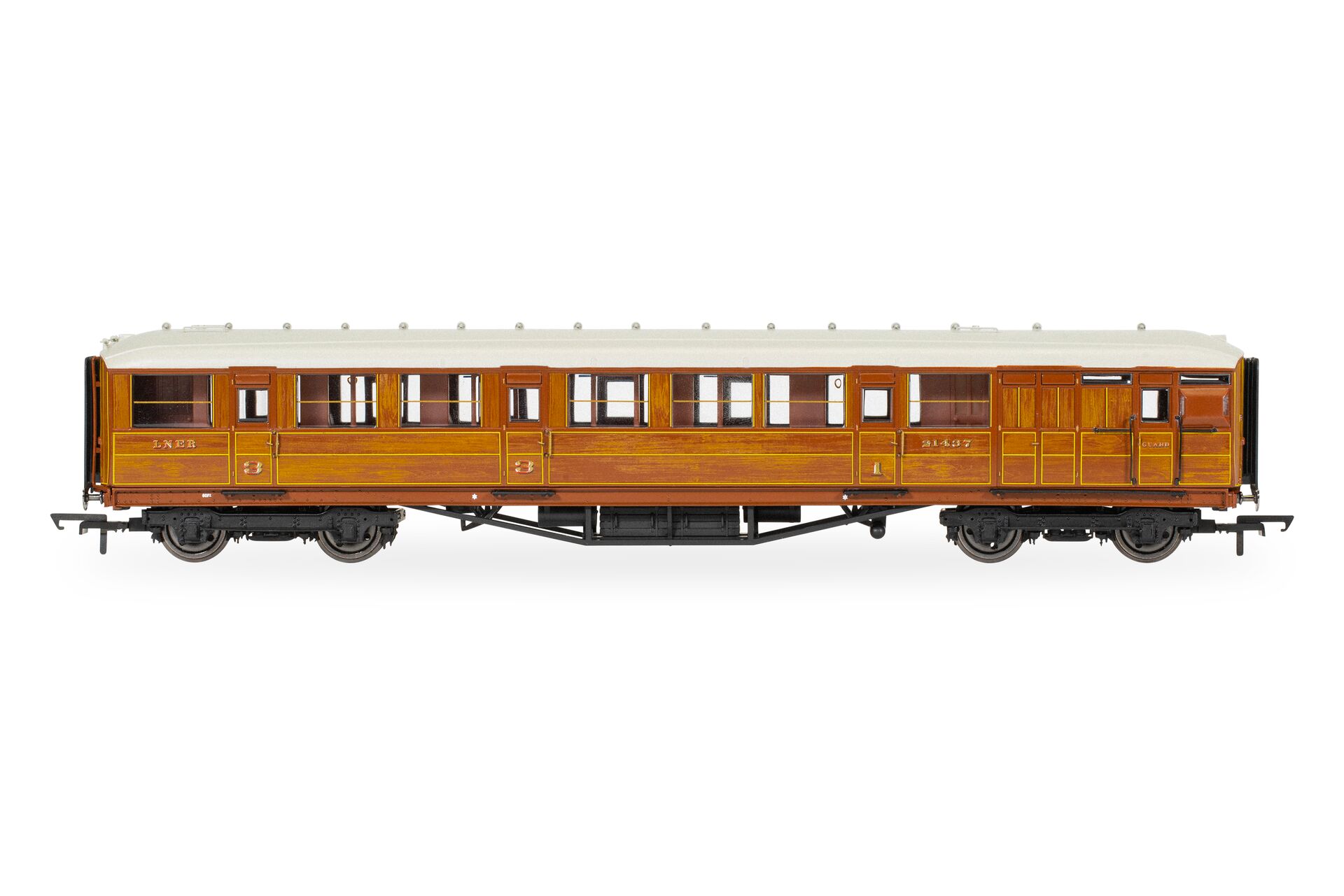
Our Price:
£62.99
£62.99
R40455LNER - Gresley Corridor - 21609 - Buffet Car
'OO' GaugeReleased: 10/09/25Era 3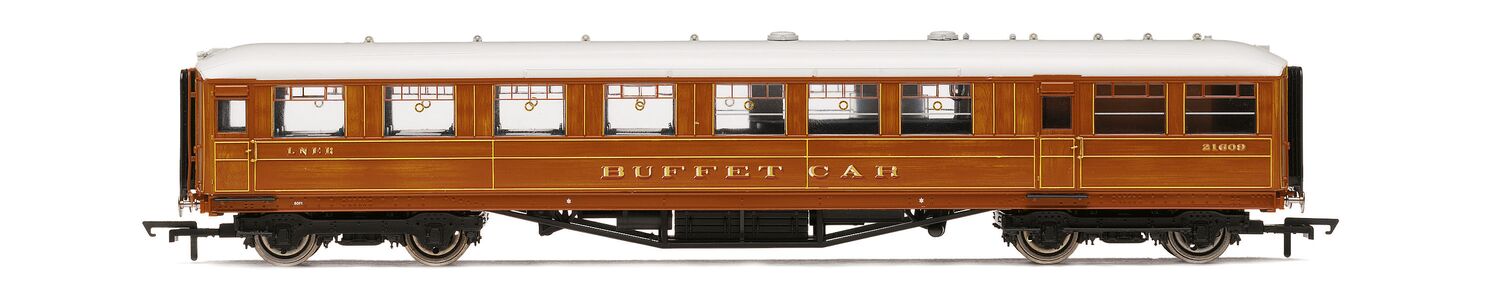
Our Price:
£62.99
£62.99
R30434RailRoad: LMS - 5540 'Patriot Sir Robert Turnbull'
'OO' GaugeReleased: 10/09/25DCC Ready (21 Pin)Era 3Fifty-two LMS ‘Patriots’ were built by the LMS, with 42 emerging from Crewe Works and the remaining ten from its Derby Works. They were designed for hauling express passenger trains on the West Coast Main Line and all carried names with a military association. They operated in their original parallel boiler form until rebuilt with tapered boilers under William Stanier between 1946 and 1949.
No. 5540 ‘Sir Robert Turnbull’ is in an LMS Crimson Lake livery. It is named after Robert Turnbull who served as Lieutenant Colonel in the Engineer and Railway Staff Corps and who also served the LNWR as its General Manager. He was knighted in 1913.

Our Price:
£134.99
£134.99
R40457BR - Gresley Corridor - E10126E - First Class Coach
'OO' GaugeReleased: 10/09/25Era 4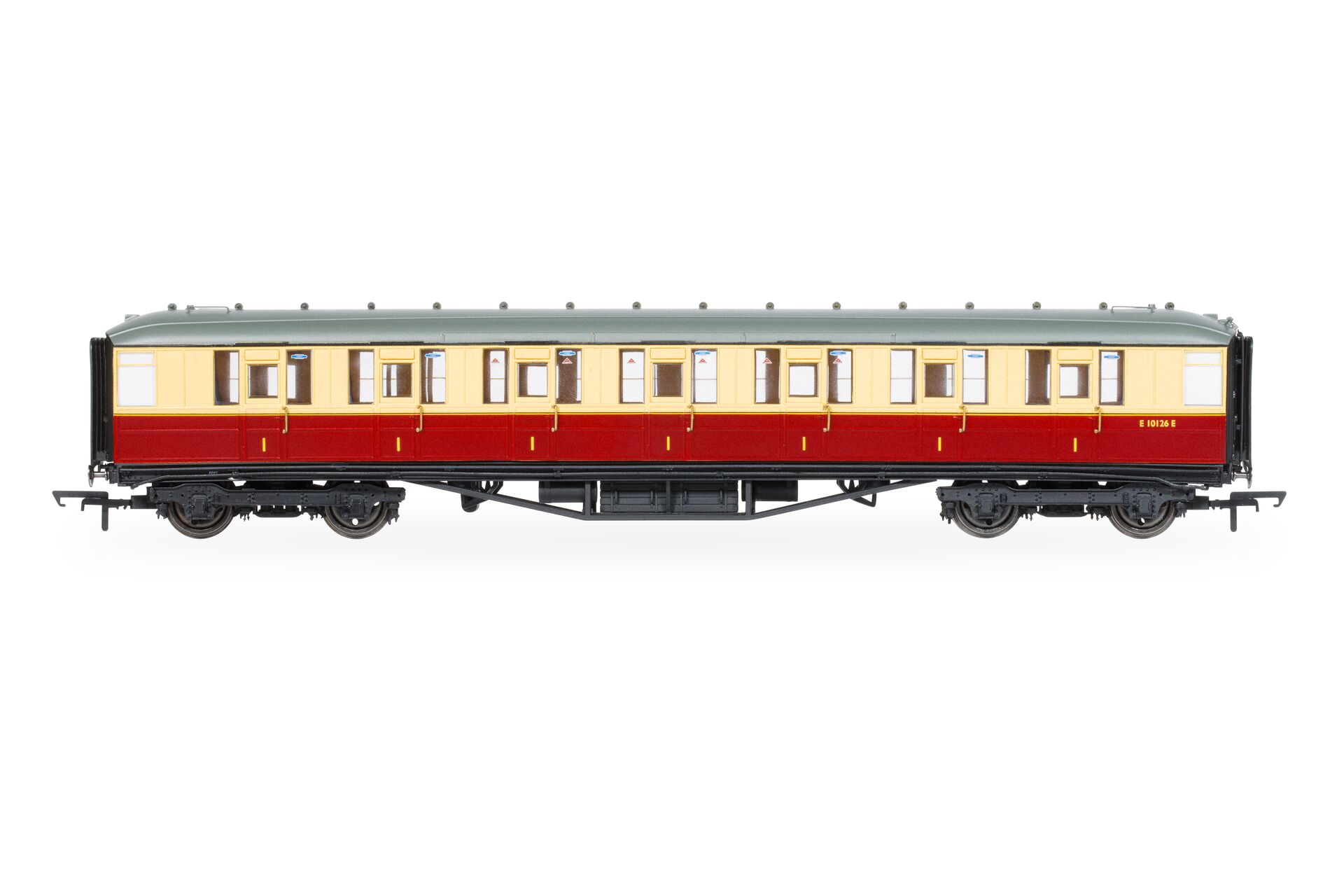
Our Price:
£55.79
£55.79
R40458BR - Gresley Corridor - E11010E - Third Class Coach
'OO' GaugeReleased: 10/09/25Era 4
Our Price:
£55.79
£55.79
R40459BR - Gresley Corridor - E12505E - Buffet Car
'OO' GaugeReleased: 10/09/25Era 4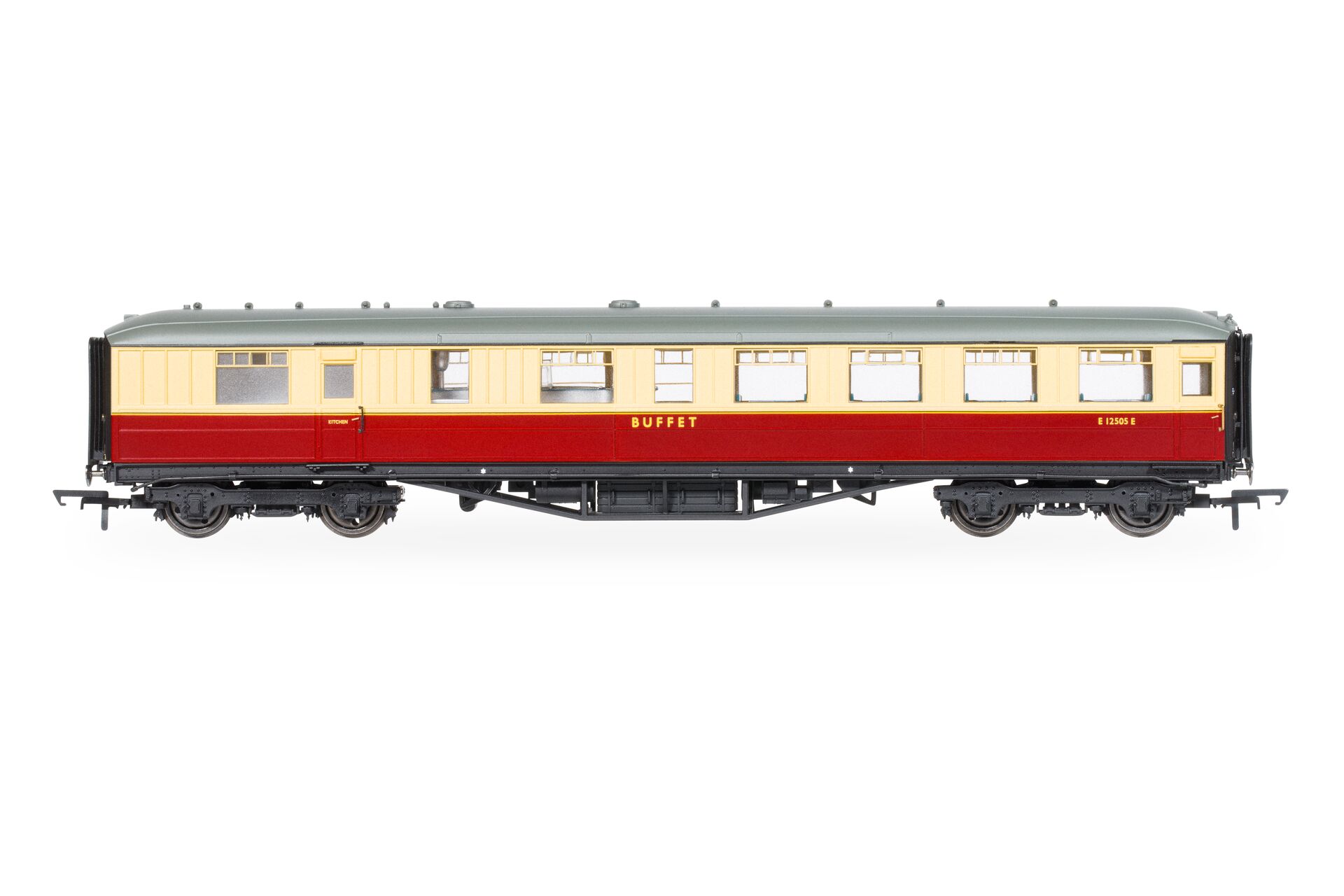
Our Price:
£55.79
£55.79
R40460BR - Gresley Corridor - E9126E - Composite Brake - Coach
'OO' GaugeReleased: 10/09/25Era 4
Our Price:
£55.79
£55.79
R40452LNER - Gresley Corridor - 51668 - First Class Coach
'OO' GaugeReleased: 10/09/25Era 3
Our Price:
£62.99
£62.99
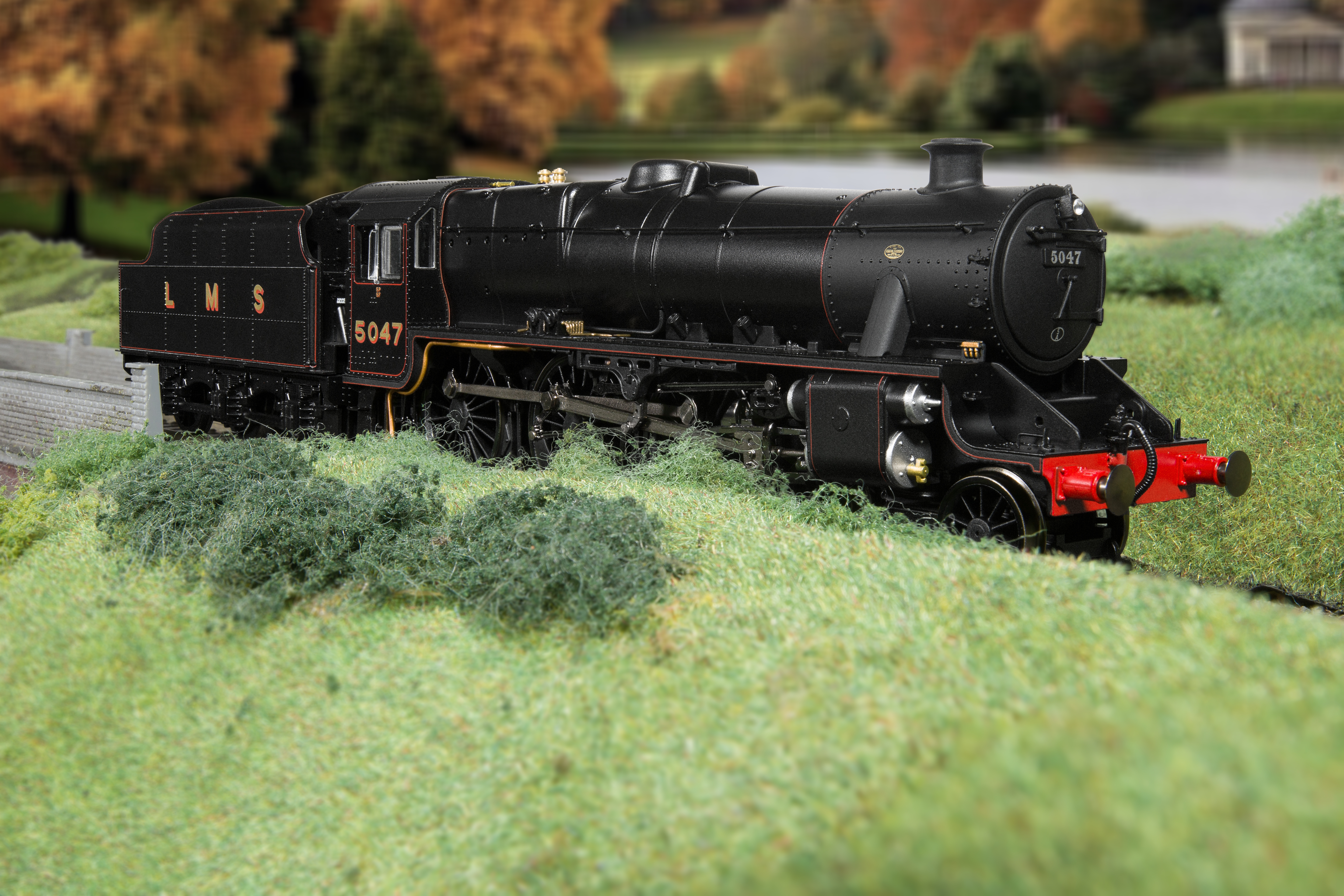
R30274LMS - Stanier 5MT 'Black 5' - 5047
'OO' GaugeReleased: 10/09/25DCC Ready (21 Pin)Era 3Known as ‘Black Fives’, or in Scotland as ‘Hikers’, Stanier’s 5MT 4-6-0s were one of the most numerous classes of locomotives built in the UK. Around 842 examples were built at a variety of locations, including the railway’s own works at Crewe, Derby and Horwich, plus private builders Vulcan Foundry and Armstrong Whitworth, the latter building the most with 327 machines.
No. 5047 was built at Vulcan Foundry, Newton-le-Willows in 1935 with a domeless boiler and spent most of its career in Scotland. It was withdrawn from St. Margaret’s shed, Edinburgh in July 1966 as BR No. 45047.
Our Price:
£224.99
£224.99
R7335HM7000-8: Bluetooth® & DCC Decoder (8-pin)
Released: 17/09/25DCC AccessoryPart of the innovative new HM7000 range, this 8-pin Bluetooth® and DCC decoder is perfect for getting OO scale locomotives working on the HM7000 system. The 8 pin socket has historicaly been fitted to Hornby locomotives manufactured prior to 2022.
The decoder is designed to supply 1000mA continuous load to the main motor and a peak demand of 1500mA.
**
An R7377 Power Bank can be purchased separately and added to this decoder. We recommend for ease you do this during the first install. The Power Bank will keep the loco operating during short power outages when running over dirty track or complex points.

Our Price:
£35.99
£35.99