
Search results
 R40454
LNER - Gresley Corridor - 21437 - Brake Composite Coach
 'OO' Gauge
 Released: 10/09/25
 Era 3
Era 3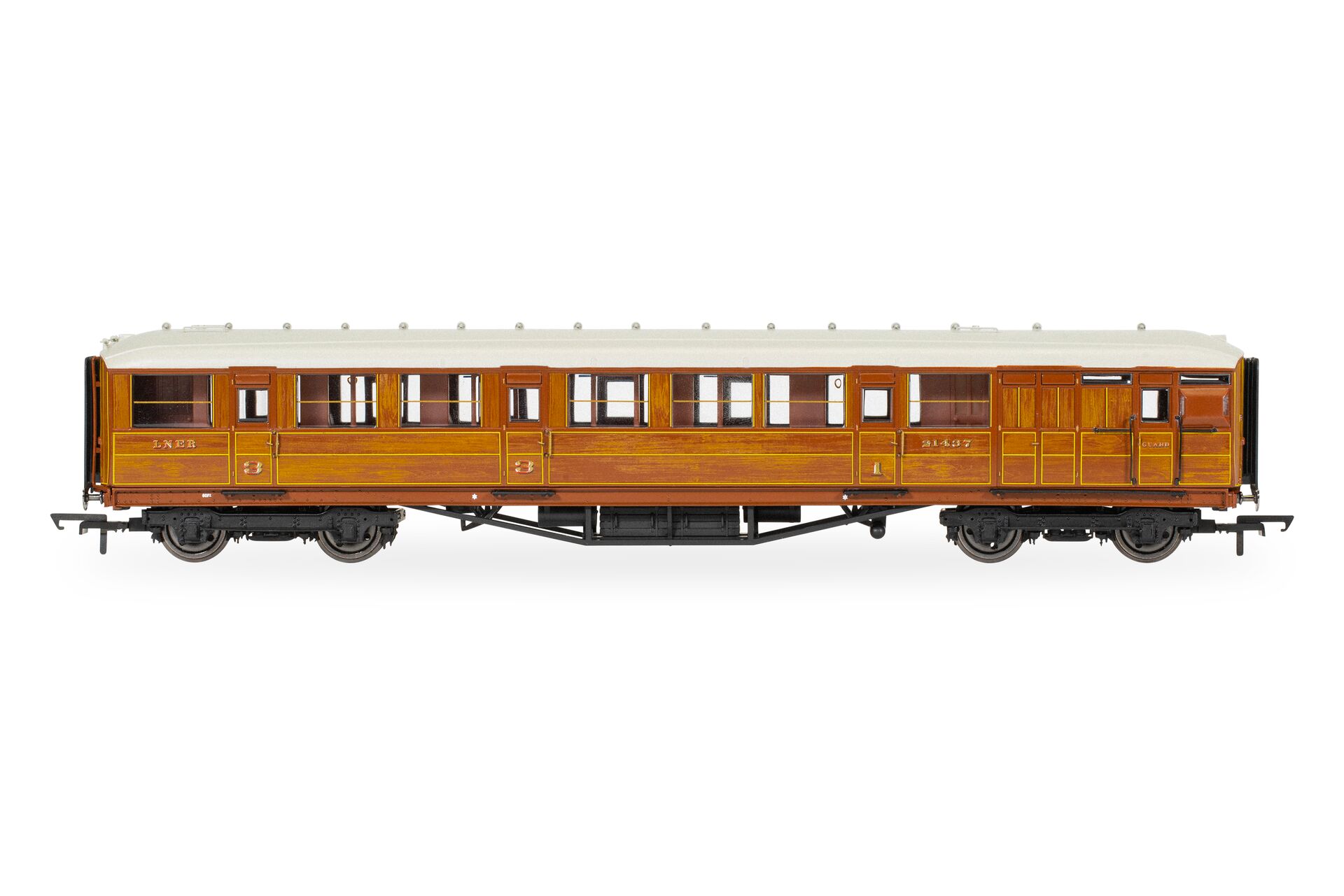
Our Price:
£62.99
£62.99
R40455LNER - Gresley Corridor - 21609 - Buffet Car
'OO' GaugeReleased: 10/09/25Era 3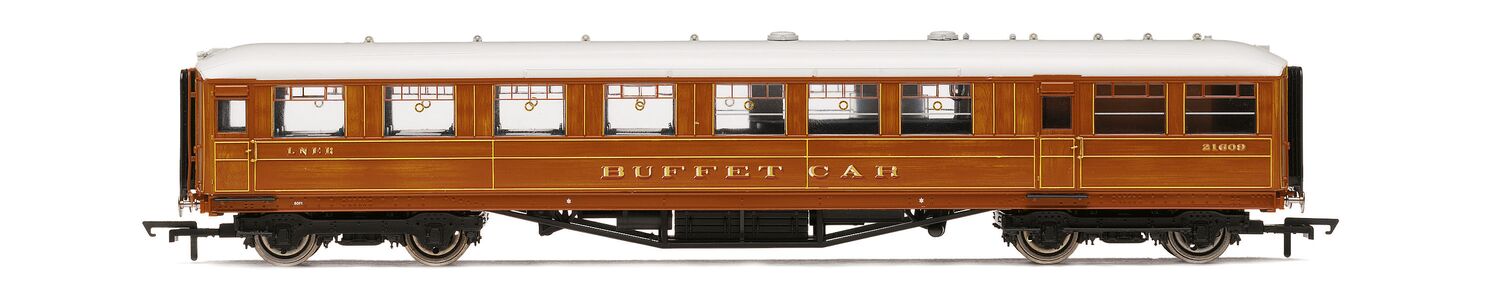
Our Price:
£62.99
£62.99
R30434RailRoad: LMS - 5540 'Patriot Sir Robert Turnbull'
'OO' GaugeReleased: 10/09/25 DCC Ready (21 Pin)Era 3
Fifty-two LMS ‘Patriots’ were built by the LMS, with 42 emerging from Crewe Works and the remaining ten from its Derby Works. They were designed for hauling express passenger trains on the West Coast Main Line and all carried names with a military association. They operated in their original parallel boiler form until rebuilt with tapered boilers under William Stanier between 1946 and 1949.
No. 5540 ‘Sir Robert Turnbull’ is in an LMS Crimson Lake livery. It is named after Robert Turnbull who served as Lieutenant Colonel in the Engineer and Railway Staff Corps and who also served the LNWR as its General Manager. He was knighted in 1913.

Our Price:
£134.99
£134.99
R40457BR - Gresley Corridor - E10126E - First Class Coach
'OO' GaugeReleased: 10/09/25Era 4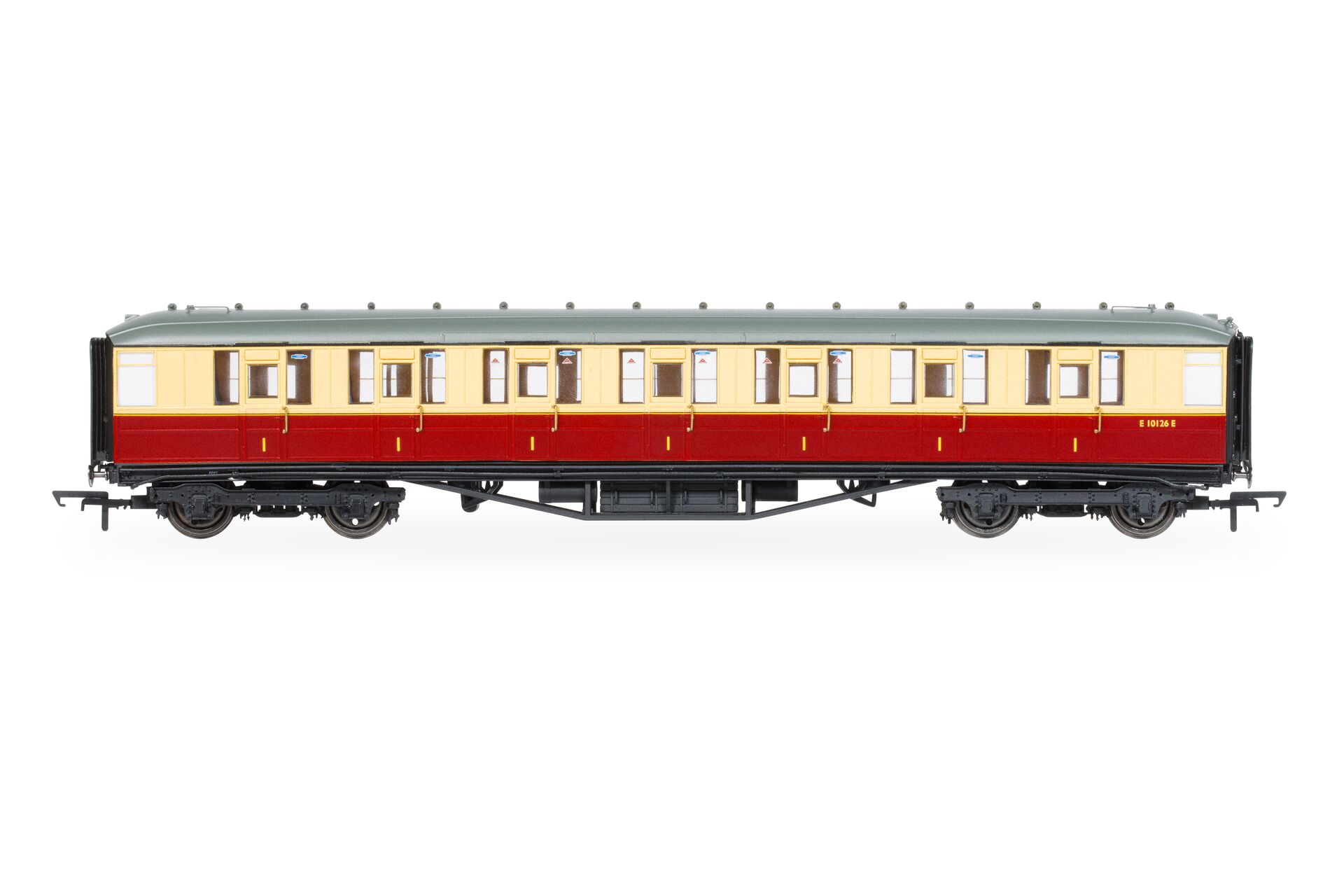
Our Price:
£55.79
£55.79
R40458BR - Gresley Corridor - E11010E - Third Class Coach
'OO' GaugeReleased: 10/09/25Era 4
Our Price:
£55.79
£55.79
R40459BR - Gresley Corridor - E12505E - Buffet Car
'OO' GaugeReleased: 10/09/25Era 4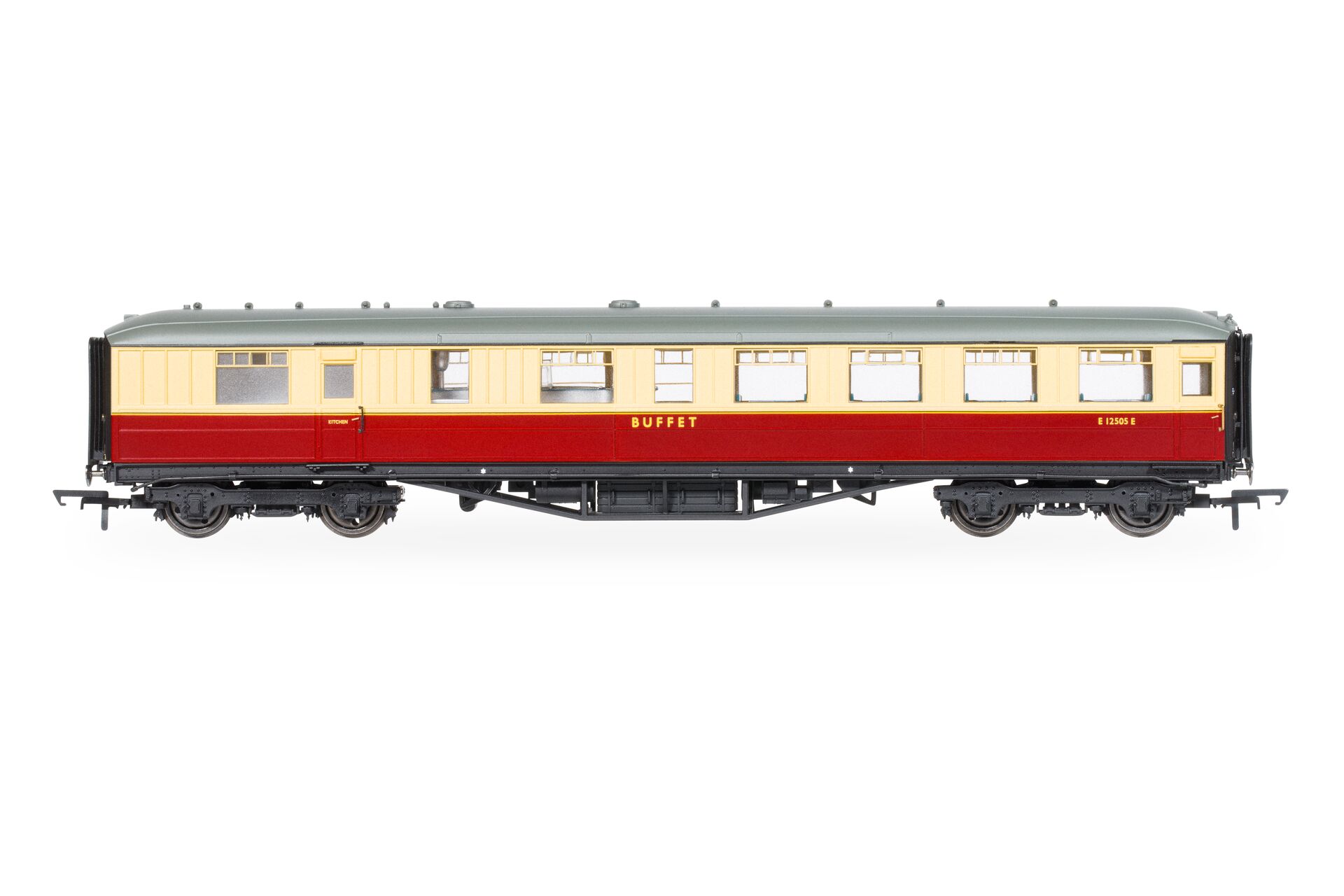
Our Price:
£55.79
£55.79
R40460BR - Gresley Corridor - E9126E - Composite Brake - Coach
'OO' GaugeReleased: 10/09/25Era 4
Our Price:
£55.79
£55.79
R40452LNER - Gresley Corridor - 51668 - First Class Coach
'OO' GaugeReleased: 10/09/25Era 3
Our Price:
£62.99
£62.99
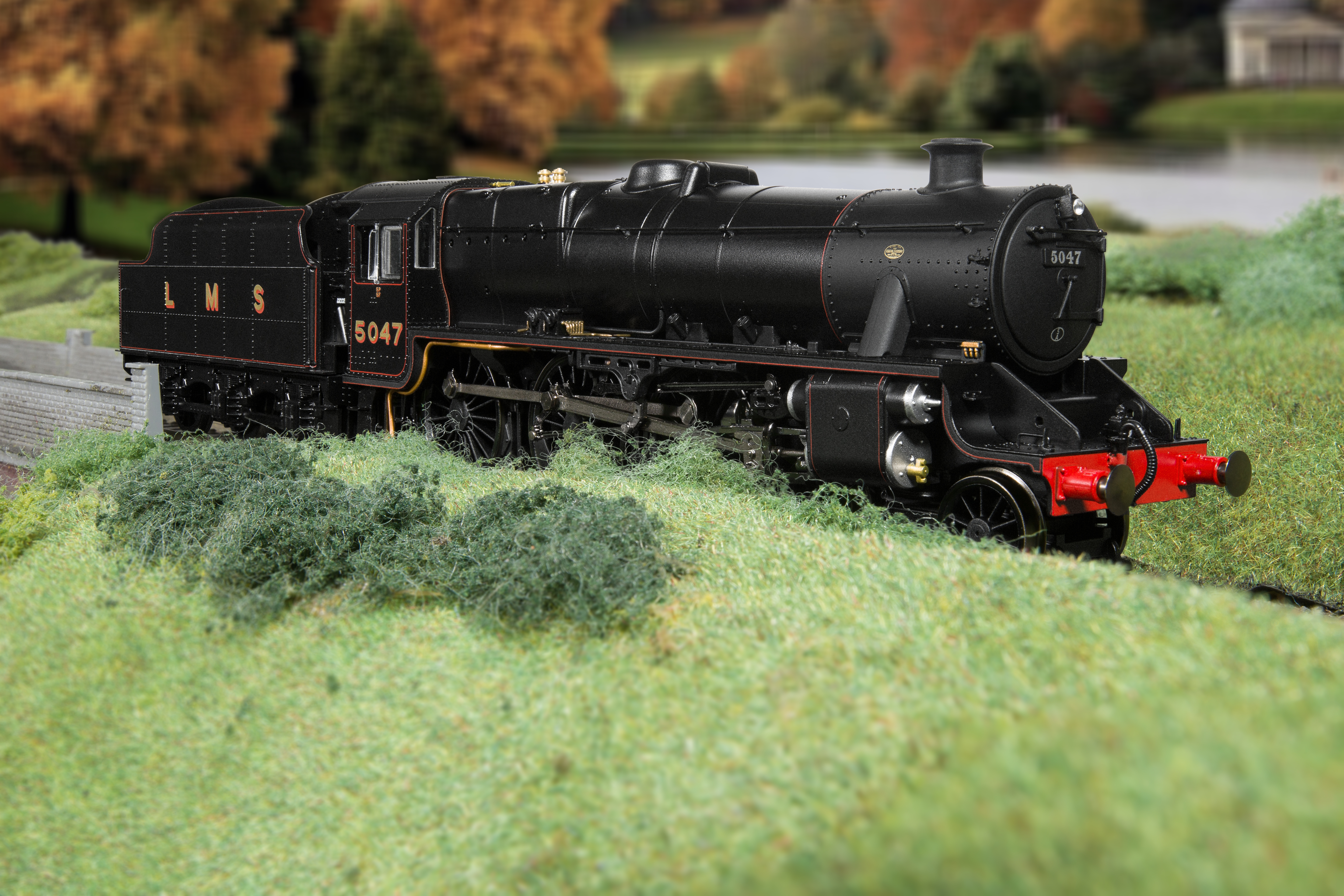
R30274LMS - Stanier 5MT 'Black 5' - 5047
'OO' GaugeReleased: 10/09/25DCC Ready (21 Pin)Era 3Known as ‘Black Fives’, or in Scotland as ‘Hikers’, Stanier’s 5MT 4-6-0s were one of the most numerous classes of locomotives built in the UK. Around 842 examples were built at a variety of locations, including the railway’s own works at Crewe, Derby and Horwich, plus private builders Vulcan Foundry and Armstrong Whitworth, the latter building the most with 327 machines.
No. 5047 was built at Vulcan Foundry, Newton-le-Willows in 1935 with a domeless boiler and spent most of its career in Scotland. It was withdrawn from St. Margaret’s shed, Edinburgh in July 1966 as BR No. 45047.
Our Price:
£224.99
£224.99
R7335HM7000-8: Bluetooth® & DCC Decoder (8-pin)
Released: 17/09/25DCC AccessoryPart of the innovative new HM7000 range, this 8-pin Bluetooth® and DCC decoder is perfect for getting OO scale locomotives working on the HM7000 system. The 8 pin socket has historicaly been fitted to Hornby locomotives manufactured prior to 2022.
The decoder is designed to supply 1000mA continuous load to the main motor and a peak demand of 1500mA.
**
An R7377 Power Bank can be purchased separately and added to this decoder. We recommend for ease you do this during the first install. The Power Bank will keep the loco operating during short power outages when running over dirty track or complex points.

Our Price:
£35.99
£35.99
R30456Hornby Dublo: LNER - Class A4 - 2509 'Silver Link' (Silver Jubilee Collection)
'OO' GaugeReleased: 17/09/25DCC Ready (21 Pin)Era 3Marking 90 years since its record-breaking debut, the Hornby Dublo LNER Class A4 2509 'Silver Link' a fitting addition to any railway enthusiast’s layout. Expertly designed, the chassis and body of this impressive model is manufactured out of die-cast metal and is fitted with a 5 pole skew wound motor for superior traction and pulling power.
The model has a flickering firebox and is DCC Ready with a 21-pin socket, allowing easy conversion for digital control. Supplied complete with an accessories pack including driver and fireman figures, this Hornby Dublo model combines heritage charm with modern features — the perfect way to relive the golden age of steam.
History
The first member of the ‘A4’ Class to enter service in September 1935, the locomotive worked on the prestigious ‘Silver Jubilee’ trains between London King’s Cross and Newcastle. It was repainted in LNER Garter Blue in December 1937, but that was short-lived, as ‘A4s’ were painted plain black during the Second World War, and at the same time had their side skirting removed, though the blue livery was reapplied after the war.
Renumbered 14 in June 1946, then 60014 under BR, the locomotive finished its career where it had started, allocated to King’s Cross ‘Top Shed’ in 1950, from where it was withdrawn in December 1962.

Our Price:
£288.89
£288.89
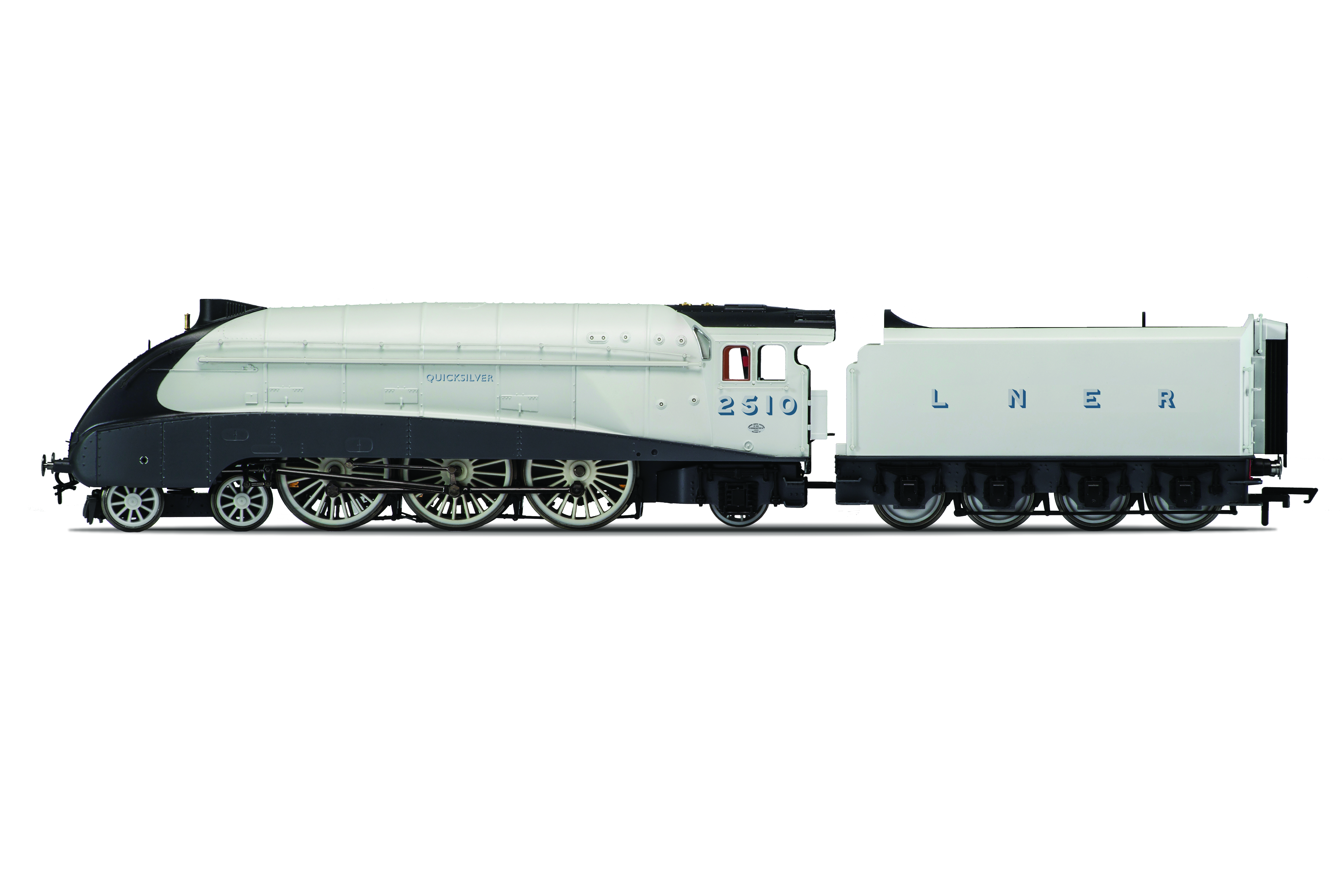
R30457Hornby Dublo: LNER - Class A4 - 2510 'Quicksilver' (Silver Jubilee Collection)
'OO' GaugeReleased: 17/09/25DCC Ready (21 Pin)Era 3Celebrating 90 years of style, speed and steam power, the Hornby Dublo LNER ‘A4’ Class 4-6-2 2510 ‘Quicksilver’ proudly joins the 90th Anniversary Collection. Finished in a striking silver livery, this model perfectly captures the distinctive lines and powerful presence of the original locomotive. ‘Quicksilver’ has a flickering firebox and is DCC Ready with a 21-pin socket for simple digital conversion.
Fitted with a 5 pole skew wound motor this model will not be short of pulling power, while the included accessories pack offers added detail and crew figures. A true classic of British steam, brought to life with all the quality and craftsmanship of Hornby Dublo.
History
‘Quicksilver’ entered service in September 1935, allocated to London’s King’s Cross shed. LNER Garter Blue was applied in May 1938 and in October 1943 was painted plain black under Second World War austerity measures. Like other members of the class, it was returned to the striking blue livery, in October 1947, carrying the new LNER number 15.
This was changed to 60015 after nationalisation in 1948, and the locomotive was painted into a new BR blue livery with black and white lining. A double chimney was added in August 1957 and the by now BR green ‘Pacific’ was withdrawn from ‘Top Shed’ in April 1963.
Our Price:
£288.89
£288.89
R30458Hornby Dublo: LNER - Class A4 - 2511 'Silver King' (Silver Jubilee Collection)
'OO' GaugeReleased: 17/09/25DCC Ready (21 Pin)Era 3
A striking member of Sir Nigel Gresley’s legendary A4 Pacific fleet, the Hornby Dublo LNER ‘A4’ Class 2511 ‘Silver King’ brings streamlined power and timeless elegance to the 90th Anniversary Collection.
Expertly crafted, this model has a flickering firebox and is DCC Ready with a 21-pin socket, allowing for easy digital conversion. The body and chassis is manufactured from die-cast metal for maximum traction and has a 5 pole motor to power this impressive express locomotive. This enables it to haul any rake of coaches at impressive speeds.
With its distinctive silver livery and powerful presence, ‘Silver King’ is a fitting tribute to one of the most celebrated locomotives of the LNER’s streamlined fleet.
History
Starting life in November 1935, ‘Silver King’ was immediately employed on ‘Silver Jubilee’ trains in its striking silver/grey livery, based at London’s King’s Cross shed, known to railwaymen as ‘Top Shed’.
It received Garter Blue in April 1938, and was then painted plain black with ‘NE’ on the tender in April 1943, at which point the side skirting was removed. After various allocation changes, it received its final LNER number 16 while based at Gateshead.
It finished its career as BR 60016 based at Aberdeen Ferryhill and was used on the three-hour expresses between Aberdeen and Glasgow. It was retired in March 1965.

Our Price:
£288.89
£288.89
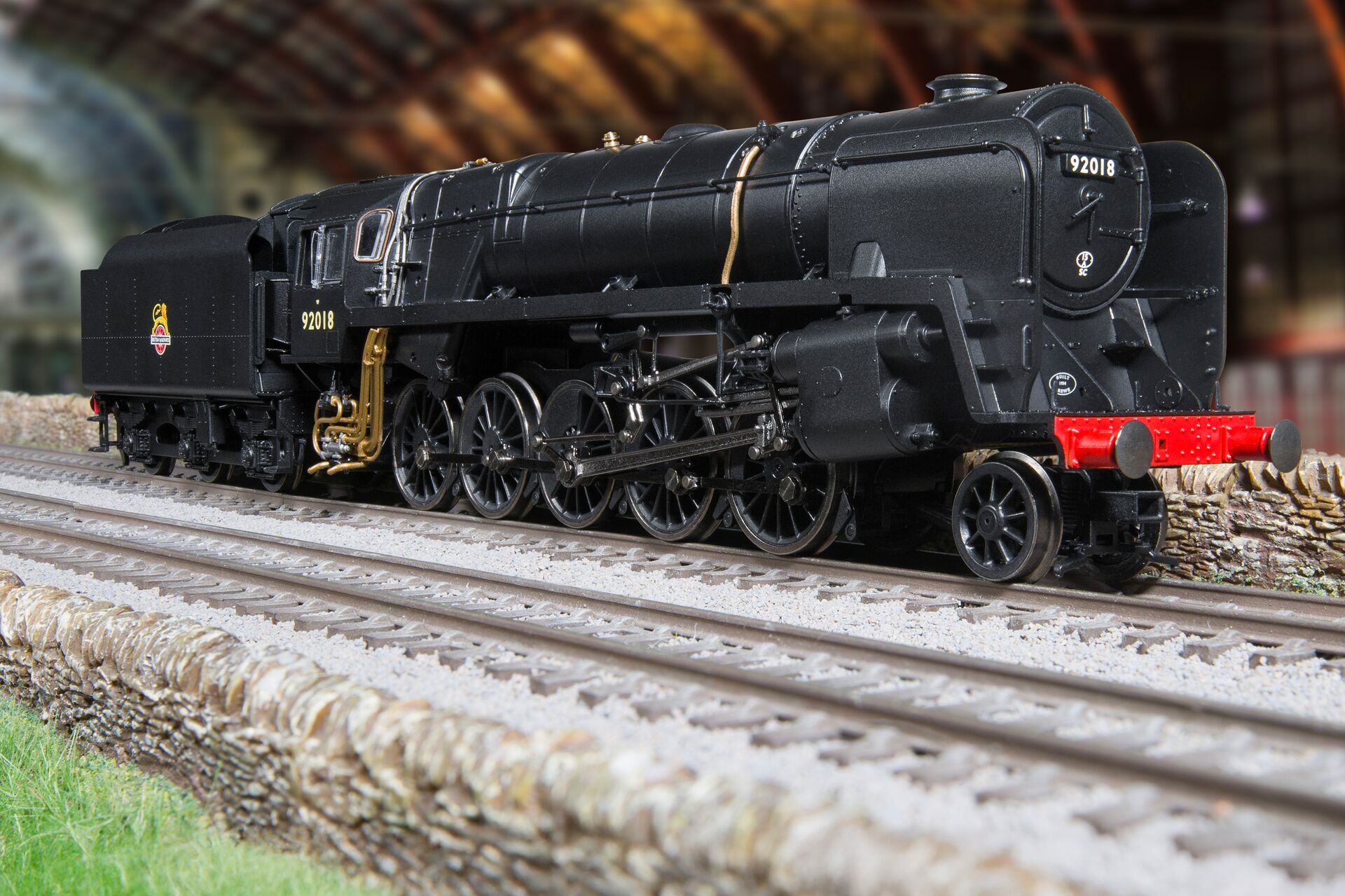
R30396BR (Early) - Class 9F - 92018 Steam Era 4 - Early BR (1948 - 1956)
'OO' GaugeReleased: 18/09/25DCC Ready (21 Pin)Era 4A total of 251 of these heavy-duty freight locomotives were built by BR between January 1954 and March 1960, with construction shared between its Works at Crewe and Swindon who built 198 and 53 of them respectively. No. 92018 went new from Crewe to Wellingborough in October 1954 and was withdrawn from Carlisle Kingmoor in April 1967, after a wastefully short career of just 12 years and five months in service.
Our Price:
£251.99
£251.99
R40466GWR COLLET COACH CORRIDOR BRAKE THIRD R/H '5041'
'OO' GaugeReleased: 19/09/25Era 3
Our Price:
£55.79
£55.79
R40468GWR COLLET COACH CORRIDOR COMPOSITE R/H '6522'
'OO' GaugeReleased: 19/09/25Era 3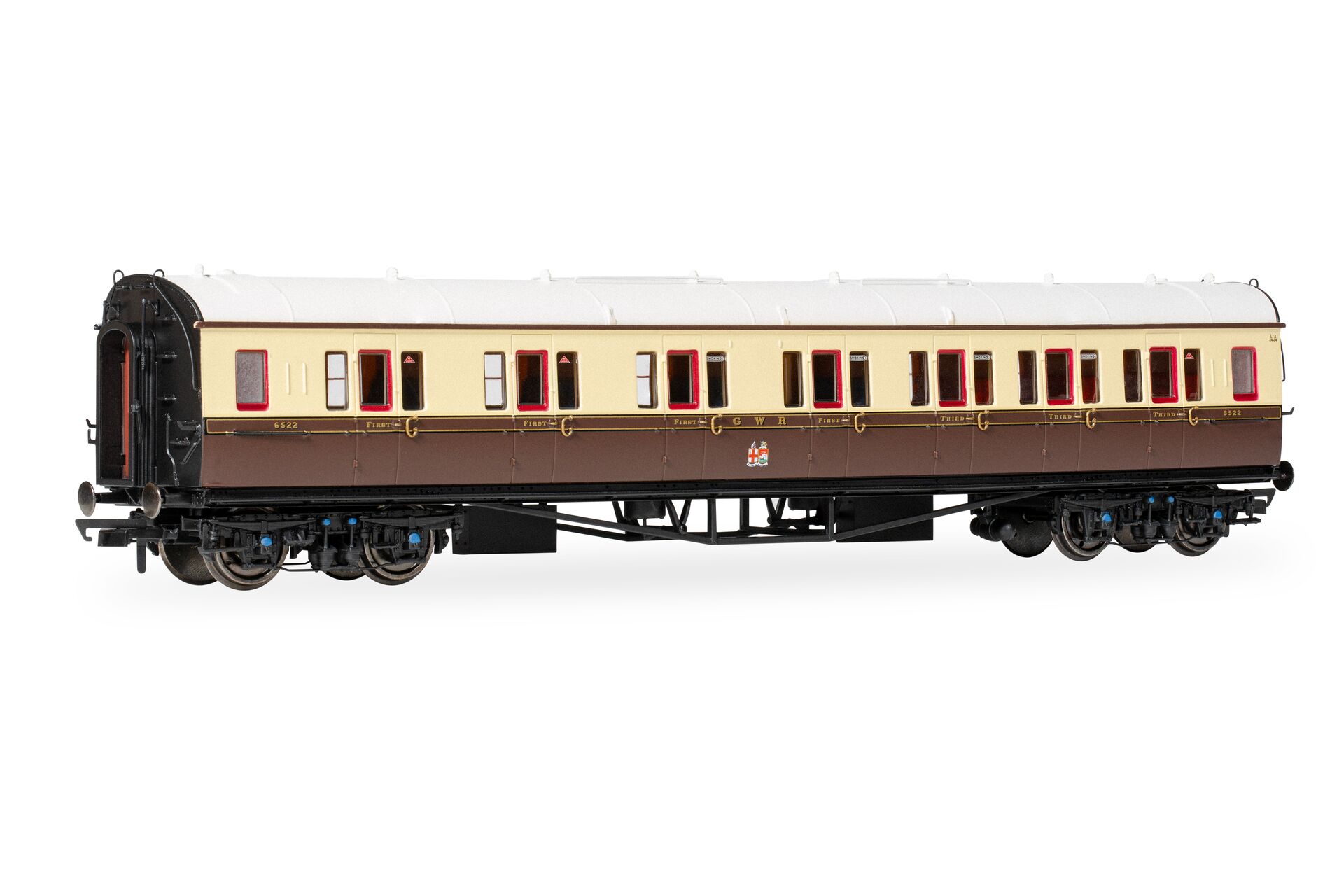
Our Price:
£55.79
£55.79
R40465GWR COLLET COACH CORRIDOR BRAKE THIRD L/H '5040'
'OO' GaugeReleased: 19/09/25Era 3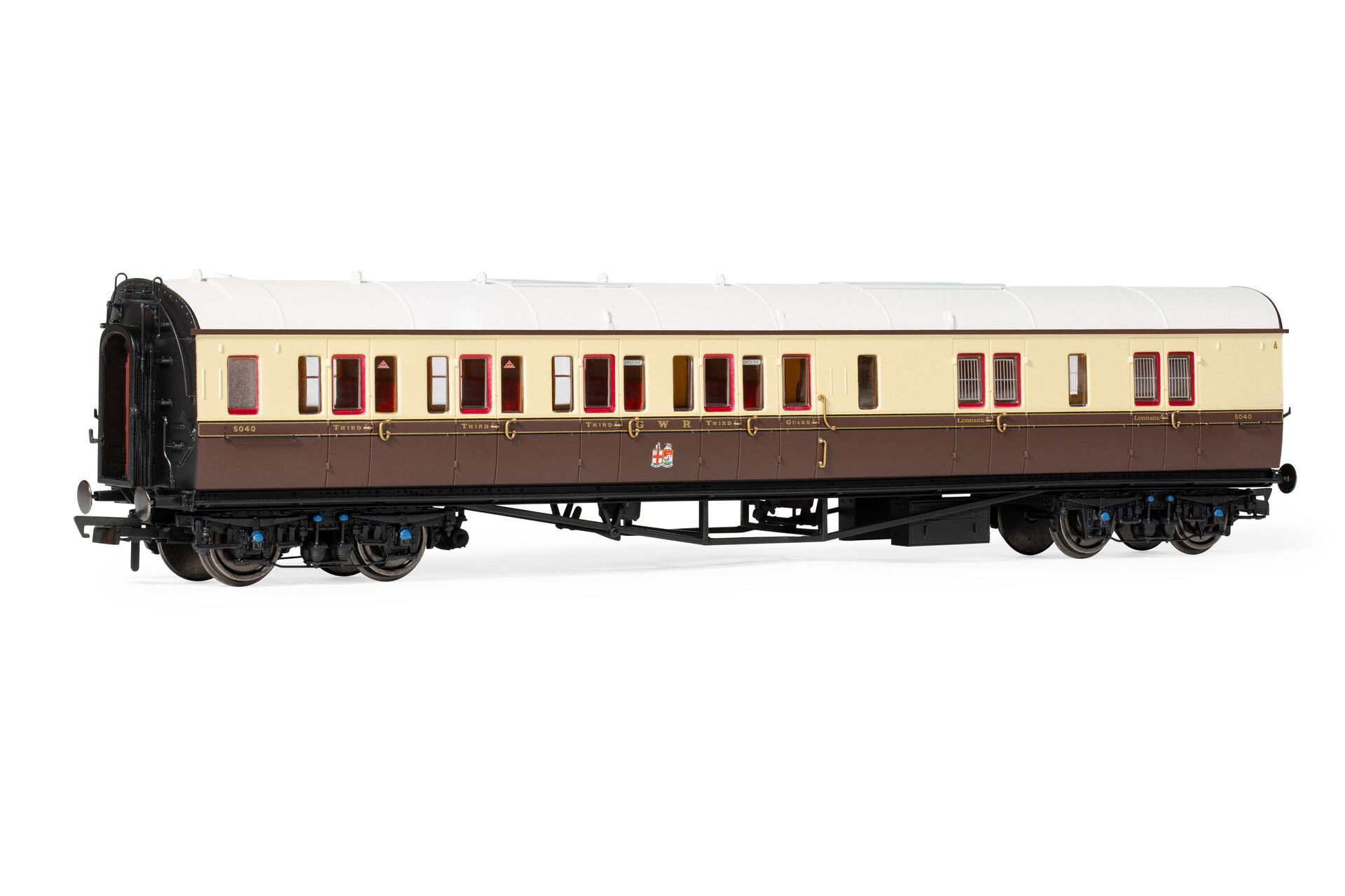
Our Price:
£55.79
£55.79
R40467GWR COLLET COACH CORRIDOR COMPOSITE L/H '6521'
'OO' GaugeReleased: 19/09/25Era 3
Our Price:
£55.79
£55.79
R40469GWR COLLET COACH CORRIDOR THIRD '5017'
'OO' GaugeReleased: 19/09/25Era 3
Our Price:
£55.79
£55.79
R30459Hornby Dublo: LNER - Class A4 - 2512 'Silver Fox' (Silver Jubilee Collection)
'OO' GaugeReleased: 19/09/25DCC Ready (21 Pin)Era 3‘Silver Fox’ followed a similar pattern to its fellow ‘Silver Jubilee A4s’ with its silver/grey livery giving way to Garter Blue in 1937 and then plain black during the war years.
Its number changed to 17 under the LNER’s 1946 renumbering system, which was prefixed by BR with ‘600’ following nationalisation in 1948, though the number 60017 wasn’t applied until April 1949. It was painted BR blue the following year, and then BR lined green in December 1952.
A Kylchap double-chimney was fitted in May 1957, the condition in which the ‘Pacific’ was withdrawn from New England (Peterborough) shed in October 1963.

Our Price:
£288.89
£288.89