Search results
 961012
G. FAWKES GUNPOWDER VAN
 'N' Gauge
 Released: 03/12/25
Our Price:
£22.45
£22.45
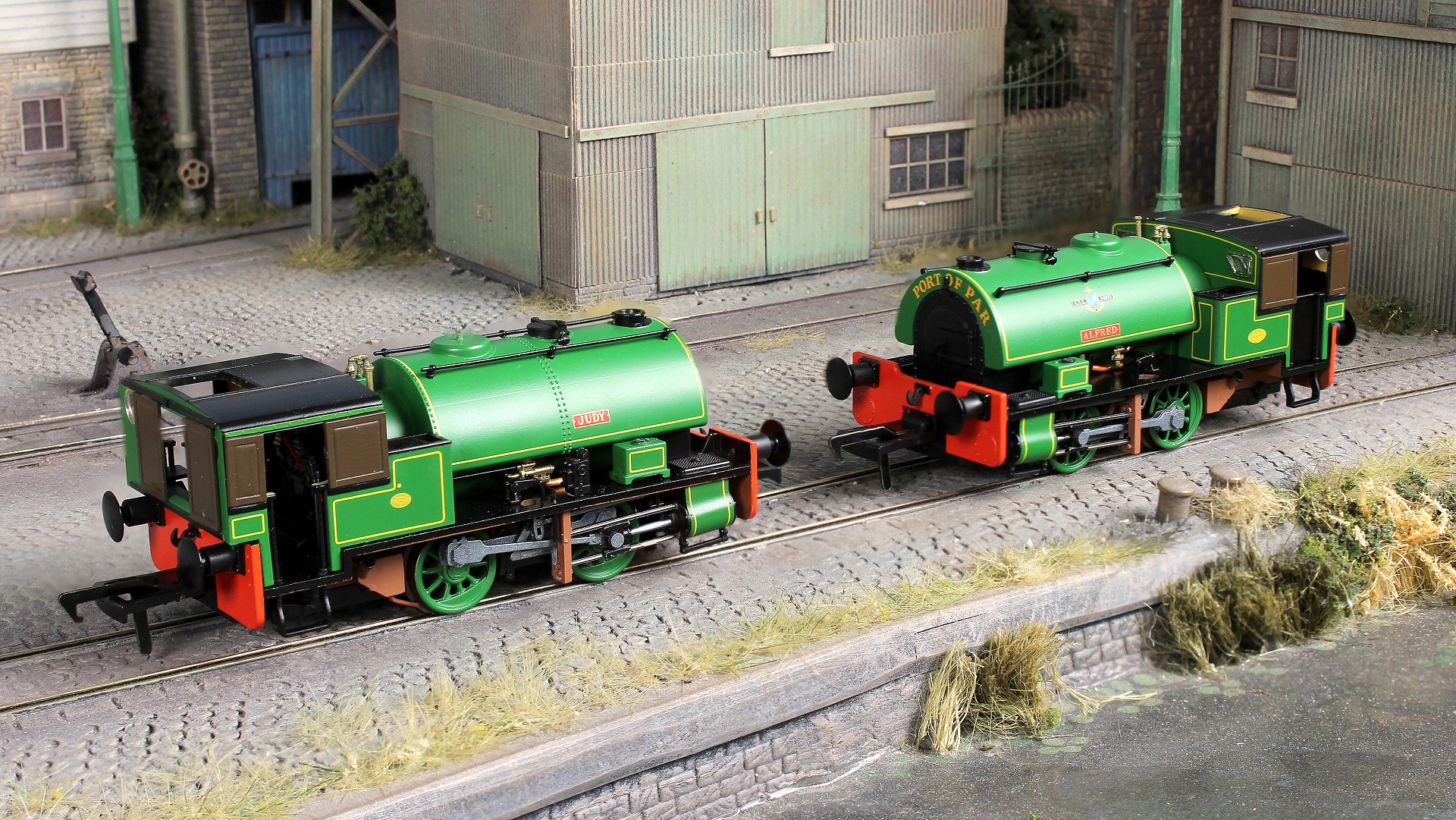
968001PORT OF PAR BAGNALLS TWIN PACK, LINED DARK GREEN
'OO' GaugeReleased: 03/12/25 Era 5
Era 5Double pack of “Judy” (Bagnall 2572) and “Alfred” (Bagnall 3058)
1960s condition
Lined dark green livery
Special Presentation Box
Illustrated booklet describing the history of the locomotives
Postcard print of exclusive Jonathan Clay painting.
* NOTE – THESE LOCO’S REQUIRE AN E24 DCC DECODER

Our Price:
£237.95
£237.95
968002PORT OF PAR BAGNALLS TWIN PACK, LINED LIGHT GREEN (AS PRESERVED)
'OO' GaugeReleased: 03/12/25Era 11Double pack of “Judy” (Bagnall 2572) and “Alfred” (Bagnall 3058)
2010s condition
Lined light green livery
Special Presentation Box
Illustrated booklet describing the history of the locomotives
Postcard print of exclusive Jonathan Clay painting.
*NOTE – THESE LOCO’S REQUIRE AN E24 DCC DECODER
Our Price:
£237.95
£237.95
968502PORT OF PAR BAGNALLS TWIN PACK, LINED LIGHT GREEN (AS PRESERVED) DCC SOUND FITTED
'OO' GaugeReleased: 03/12/25 DCC FittedDCC SoundEra 11
Double pack of “Judy” (Bagnall 2572) and “Alfred” (Bagnall 3058)
2010s condition
Lined light green livery
Special Presentation Box
Illustrated booklet describing the history of the locomotives
Postcard print of exclusive Jonathan Clay painting

Our Price:
£424.95
£424.95
 35-945
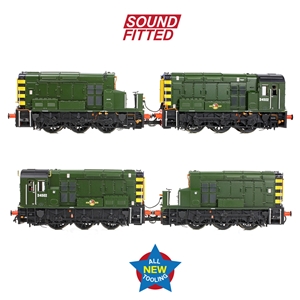
Class 13 D4502 BR Green (Wasp Stripes)
'OO' GaugeReleased: 09/12/25DCC Ready (PluX22)Era 6Although diesel shunters had been trialled by the ‘Big Four’ railway companies as early as the 1930s, it was not until after Nationalisation in 1948 that their use became widespread, culminating in the creation of the British Railways (BR) 350hp diesel electric shunter – or Class 08. Eventually 996 locomotives were built, making the Class 08 the most numerous of all British locomotive classes.
The 08s proved to be strong and versatile machines, capable of most shunting tasks, but there were some unique scenarios where they were not quite up to the job. One such scenario was at Tinsley Marshalling Yard, to the northeast of Sheffield; an enormous freight marshalling yard which opened in 1965 and was essentially a distribution hub where goods trains would arrive, be broken down, and were then reformed for onwards travel to other destinations. To aid the forming of new trains the yard employed hump shunting which allowed wagons to roll into the siding where their train was being assembled, however, to move these trains and propel the wagons up the hump for gravity to take effect, a new locomotive was required.
The solution was the Class 13. Formed of two modified Class 08s, the 13s had a greater tractive effort than any standard locomotive in BR’s fleet at the time, and by using two locomotives coupled together rather than one long-framed bogie locomotive, the risk of grounding on the hump was avoided.

Our Price:
£339.95
£339.95
35-945SFClass 13 D4502 BR Green (Wasp Stripes) With DCC Sound Fitted
'OO' GaugeReleased: 09/12/25DCC FittedDCC SoundEra 6Although diesel shunters had been trialled by the ‘Big Four’ railway companies as early as the 1930s, it was not until after Nationalisation in 1948 that their use became widespread, culminating in the creation of the British Railways (BR) 350hp diesel electric shunter – or Class 08. Eventually 996 locomotives were built, making the Class 08 the most numerous of all British locomotive classes.
The 08s proved to be strong and versatile machines, capable of most shunting tasks, but there were some unique scenarios where they were not quite up to the job. One such scenario was at Tinsley Marshalling Yard, to the northeast of Sheffield; an enormous freight marshalling yard which opened in 1965 and was essentially a distribution hub where goods trains would arrive, be broken down, and were then reformed for onwards travel to other destinations. To aid the forming of new trains the yard employed hump shunting which allowed wagons to roll into the siding where their train was being assembled, however, to move these trains and propel the wagons up the hump for gravity to take effect, a new locomotive was required.
The solution was the Class 13. Formed of two modified Class 08s, the 13s had a greater tractive effort than any standard locomotive in BR’s fleet at the time, and by using two locomotives coupled together rather than one long-framed bogie locomotive, the risk of grounding on the hump was avoided.
Our Price:
£458.95
£458.95
35-777Class 69 69002 'Bob Tiller CM&EE' BR Blue (Large Logo) (GBRf)
'OO' GaugeReleased: 09/12/25DCC Ready (PluX22)Era 11The Class 69 Diesel Locomotive was conceived by rail freight operator GB Railfreight (GBRf) to meet their growing locomotive needs. With a requirement for locomotives similar in performance to their fleet of Class 66s, but being unable to purchase new Class 66s, GBRf turned to redundant Class 56s which could be converted into new locos with similar capabilities. As part of the conversion new equipment and systems were installed, including EMD 710 diesel engines, the same as those used in Class 66s. The pool of Class 56s to be converted included examples built at BREL Crewe, BREL Doncaster and Electroputere in Romania, with the conversion work undertaken in Stoke-On-Trent by the American company Progress Rail.
GBRf formally announced the project in Spring 2019 and the first locomotive, No. 69001, commenced running trials at the Severn Valley Railway in February 2021. The type received approval by the Office of Rail and Road in May 2021, allowing the new locomotives to be pressed into service.

Our Price:
£212.45
£212.45
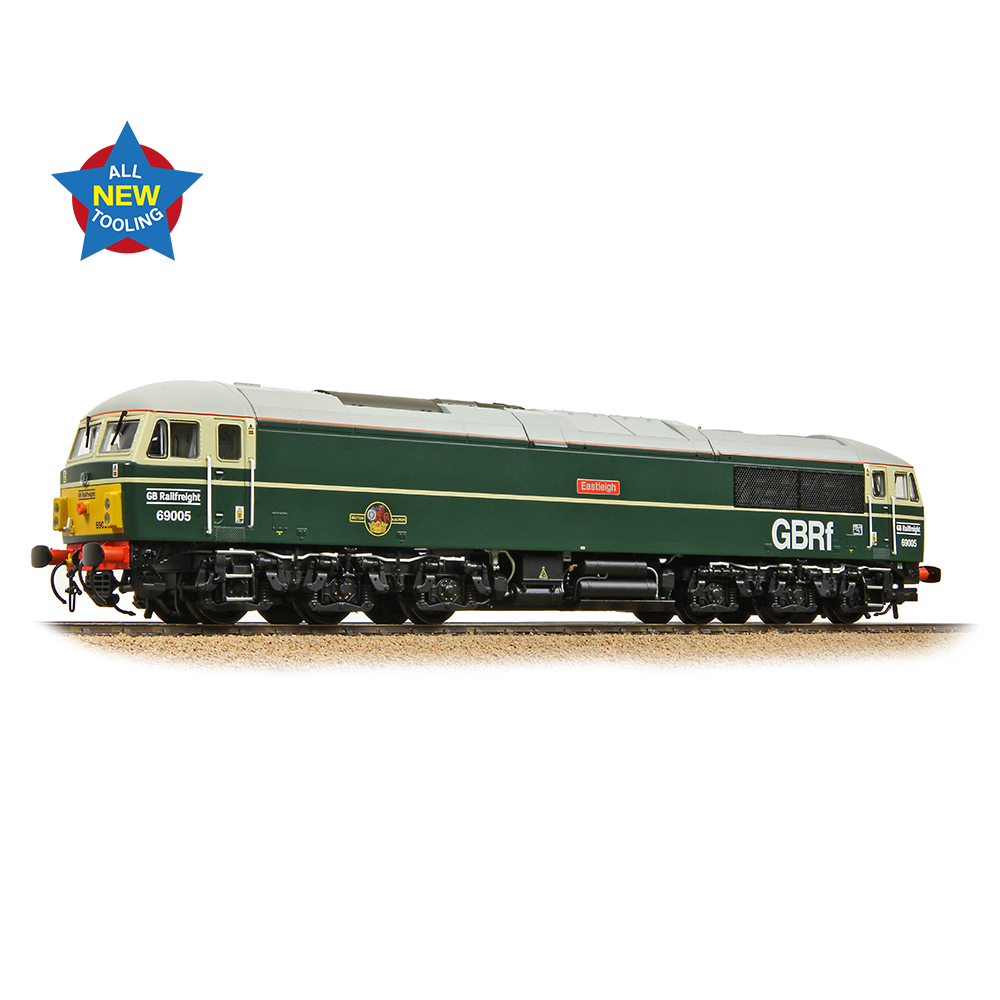
35-780Class 69 69005 'Eastleigh' BR Green (Late Crest) (GBRf)
'OO' GaugeReleased: 09/12/25DCC Ready (PluX22)Era 11The Class 69 Diesel Locomotive was conceived by rail freight operator GB Railfreight (GBRf) to meet their growing locomotive needs. With a requirement for locomotives similar in performance to their fleet of Class 66s, but being unable to purchase new Class 66s, GBRf turned to redundant Class 56s which could be converted into new locos with similar capabilities. As part of the conversion new equipment and systems were installed, including EMD 710 diesel engines, the same as those used in Class 66s. The pool of Class 56s to be converted included examples built at BREL Crewe, BREL Doncaster and Electroputere in Romania, with the conversion work undertaken in Stoke-On-Trent by the American company Progress Rail.
GBRf formally announced the project in Spring 2019 and the first locomotive, No. 69001, commenced running trials at the Severn Valley Railway in February 2021. The type received approval by the Office of Rail and Road in May 2021, allowing the new locomotives to be pressed into service.
Our Price:
£212.45
£212.45
35-780SFXClass 69 69005 'Eastleigh' BR Green (Late Crest) (GBRf) With DCC Sound Deluxe
'OO' GaugeReleased: 09/12/25DCC FittedDCC SoundEra 11The Class 69 Diesel Locomotive was conceived by rail freight operator GB Railfreight (GBRf) to meet their growing locomotive needs. With a requirement for locomotives similar in performance to their fleet of Class 66s, but being unable to purchase new Class 66s, GBRf turned to redundant Class 56s which could be converted into new locos with similar capabilities. As part of the conversion new equipment and systems were installed, including EMD 710 diesel engines, the same as those used in Class 66s. The pool of Class 56s to be converted included examples built at BREL Crewe, BREL Doncaster and Electroputere in Romania, with the conversion work undertaken in Stoke-On-Trent by the American company Progress Rail.
GBRf formally announced the project in Spring 2019 and the first locomotive, No. 69001, commenced running trials at the Severn Valley Railway in February 2021. The type received approval by the Office of Rail and Road in May 2021, allowing the new locomotives to be pressed into service.

Our Price:
£331.45
£331.45
 4P-004-001
GWR AUTOCOACH '37' GWR LINED CRIMSON LAKE
'OO' GaugeReleased: 05/12/25DCC Ready (Next18)Era 2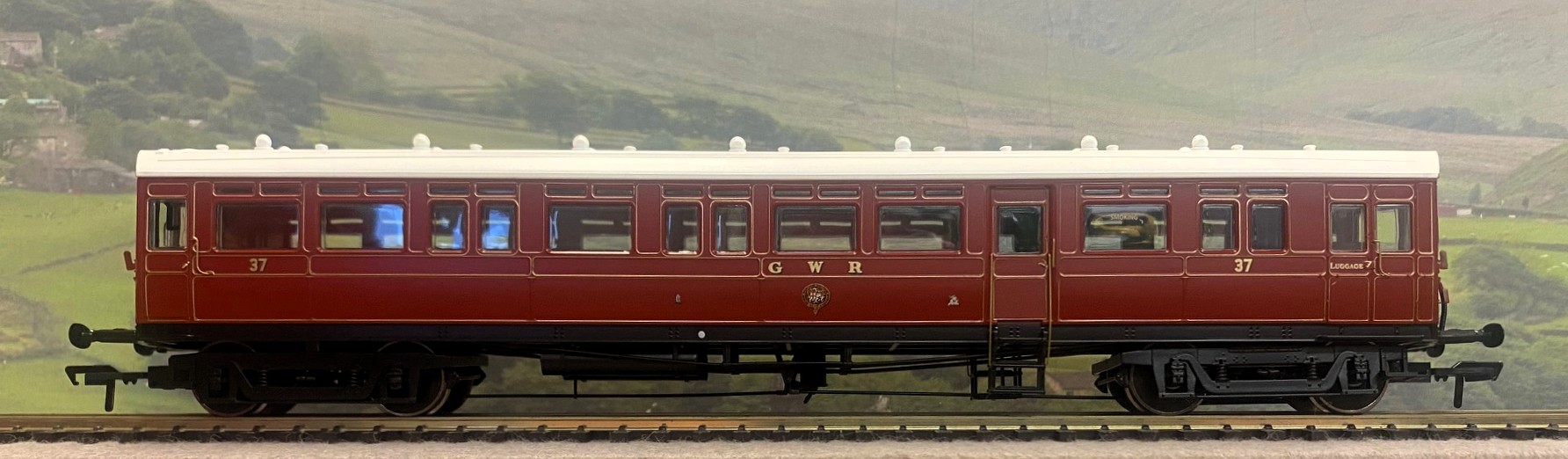
Our Price:
£74.39
£74.39
4P-004-002GWR AUTOCOACH '40' GWR LINED CHOCOLATE & CREAM
'OO' GaugeReleased: 05/12/25DCC Ready (Next18)Era 3
Our Price:
£74.39
£74.39
4P-004-004GWR AUTOCOACH '39' GWR SHIRTBUTTON CHOCOLATE & CREAM
'OO' GaugeReleased: 05/12/25DCC Ready (Next18)Era 3
Our Price:
£74.39
£74.39
4P-004-005GWR AUTOCOACH 'W37W' BR CARMINE & CREAM
'OO' GaugeReleased: 05/12/25DCC Ready (Next18)Era 4
Our Price:
£74.39
£74.39
4P-004-006GWR AUTOCOACH 'W36' BR CRIMSON
'OO' GaugeReleased: 05/12/25DCC Ready (Next18)Era 4/5
Our Price:
£74.39
£74.39
4P-004-007GWR AUTOCOACH 'W38' BR MAROON
'OO' GaugeReleased: 05/12/25DCC Ready (Next18)Era 5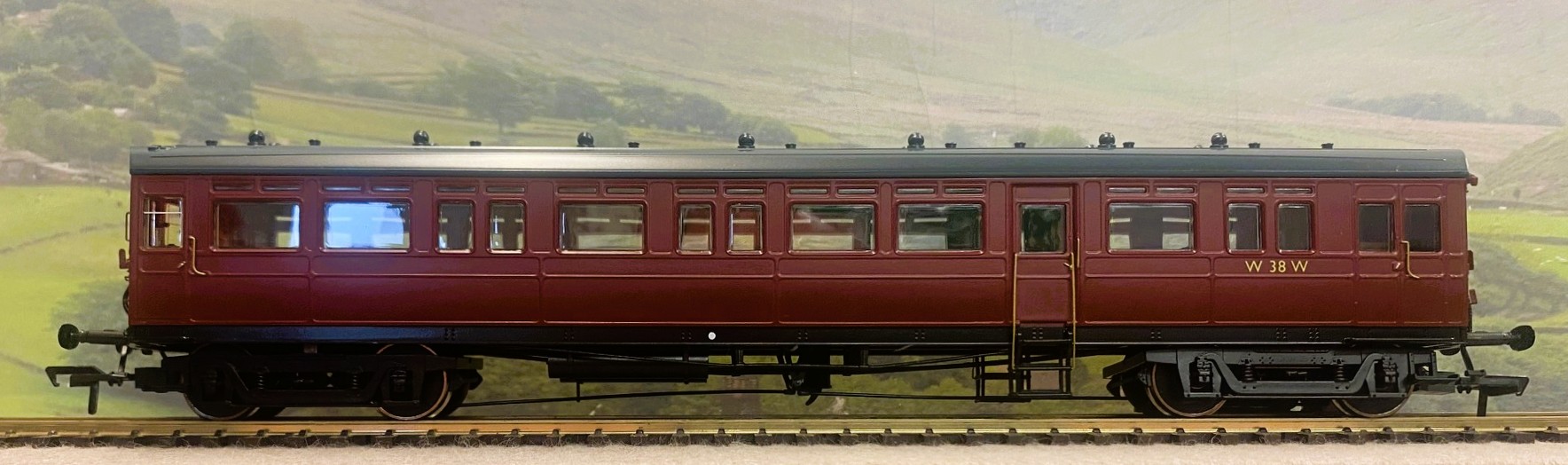
Our Price:
£74.39
£74.39
 R40472
BR - Collett Corridor Brake Third Class LH - 4936 - Coach
'OO' GaugeReleased: 01/12/25Era 4Although introduced onto the GWR by Collett from 1925, many of these modern-for-their-time coaches lasted in service until the 1960s, with many examples passing into departmental use. Some retained their chocolate and cream livery after nationalisation of Britain’s railways in 1948 and others were painted in the new owner’s crimson and cream.
These wooden-framed, but steel-panelled ‘bow-ended’ coaches were also ‘handed’ in a throw-back to the days they were introduced, when coach sets were marshalled with the compartments to the south (sunny) side and the corridors alongside London Paddington’s Platform 1 for ease of loading/unloading. For example, a left-hand brake coach would have its corridor on the opposite side to a right-hand brake.

Our Price:
£55.79
£55.79
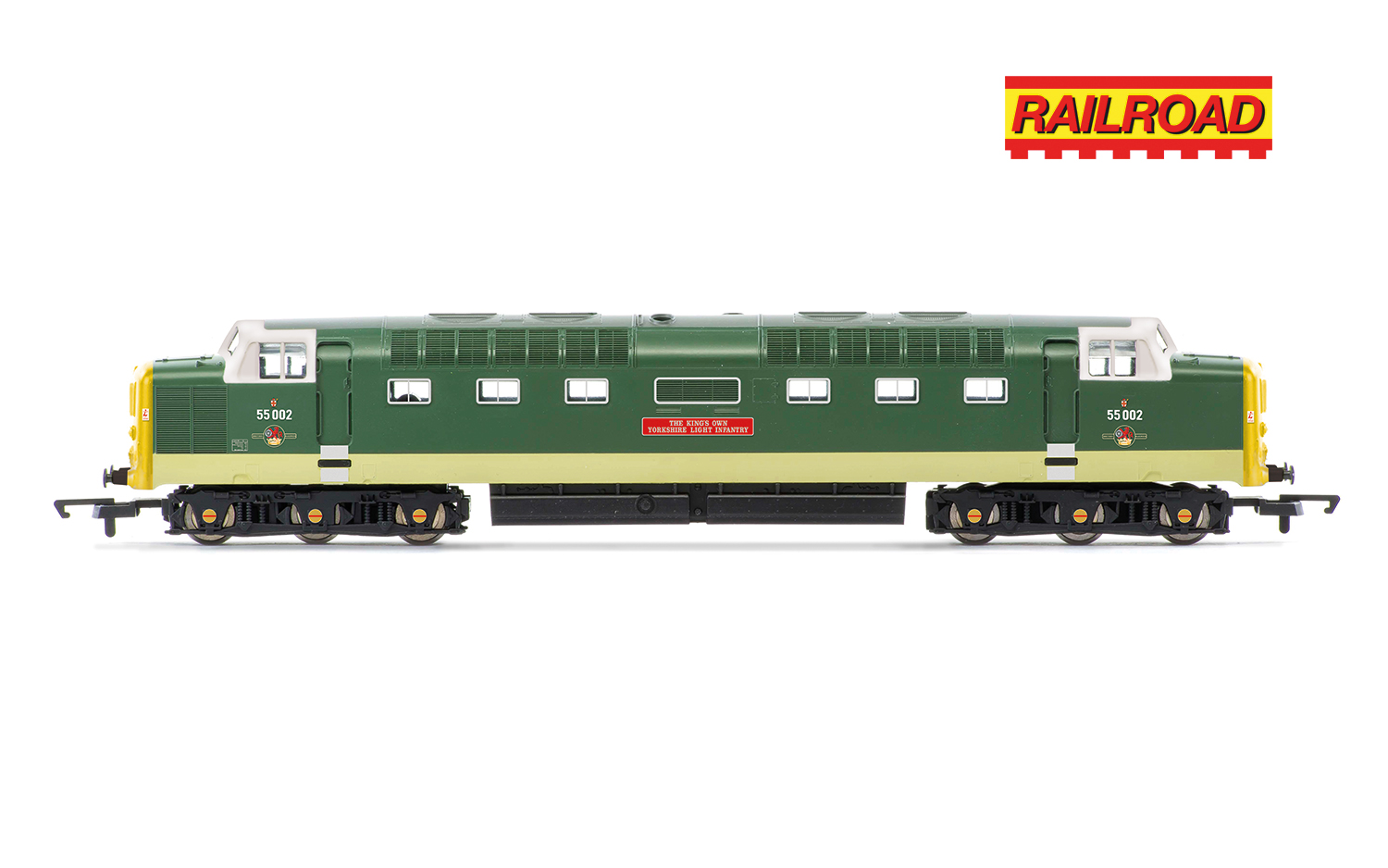
R40438RailRoad: Class 55 (Deltic) - BR - 55002 'The Kings own Yorkshire Light Infantry'
'OO' GaugeReleased: 10/12/25DCC Ready (8 Pin)Era 6The production ‘Deltics’ were a powerful Type 5 locomotive, designed for high-speed express passenger services on the East Coast Main Line. When introduced in 1961, these were the most powerful diesel locomotives in the world. Powered by two big Napier diesel engines, these locomotives – later known as Class 55s – were capable of speeds of up to 117mph (188km/h) and all were given names in the best tradition of East Coast express locomotives.
Known affectionately as ‘KOYLI’ by enthusiasts, 55002 is finished in a two-tone green livery, reminiscent of the early 1960s, but with full yellow ends and the classic white cab window surrounds.
Our Price:
£67.49
£67.49
R30438TXSRailRoad: Class 55 (Deltic) - BR - 55002 'The Kings own Yorkshire Light Infantry' (DCC Sound Fitted)
'OO' GaugeReleased: 10/12/25DCC FittedDCC SoundEra 6The production ‘Deltics’ were a powerful Type 5 locomotive, designed for high-speed express passenger services on the East Coast Main Line. When introduced in 1961, these were the most powerful diesel locomotives in the world. Powered by two big Napier diesel engines, these locomotives – later known as Class 55s – were capable of speeds of up to 117mph (188km/h) and all were given names in the best tradition of East Coast express locomotives.
Known affectionately as ‘KOYLI’ by enthusiasts, 55002 is finished in a two-tone green livery, reminiscent of the early 1960s, but with full yellow ends and the classic white cab window surrounds.

Our Price:
£116.99
£116.99
R40473BR - Collett Corridor Brake Third RH - 4937 - Coach
'OO' GaugeReleased: 01/12/25Era 4Although introduced onto the GWR by Collett from 1925, many of these modern-for-their-time coaches lasted in service until the 1960s, with many examples passing into departmental use. Some retained their chocolate and cream livery after nationalisation of Britain’s railways in 1948 and others were painted in the new owner’s crimson and cream.
These wooden-framed, but steel-panelled ‘bow-ended’ coaches were also ‘handed’ in a throw-back to the days they were introduced, when coach sets were marshalled with the compartments to the south (sunny) side and the corridors alongside London Paddington’s Platform 1 for ease of loading/unloading. For example, a left-hand brake coach would have its corridor on the opposite side to a right-hand brake.

Our Price:
£55.79
£55.79
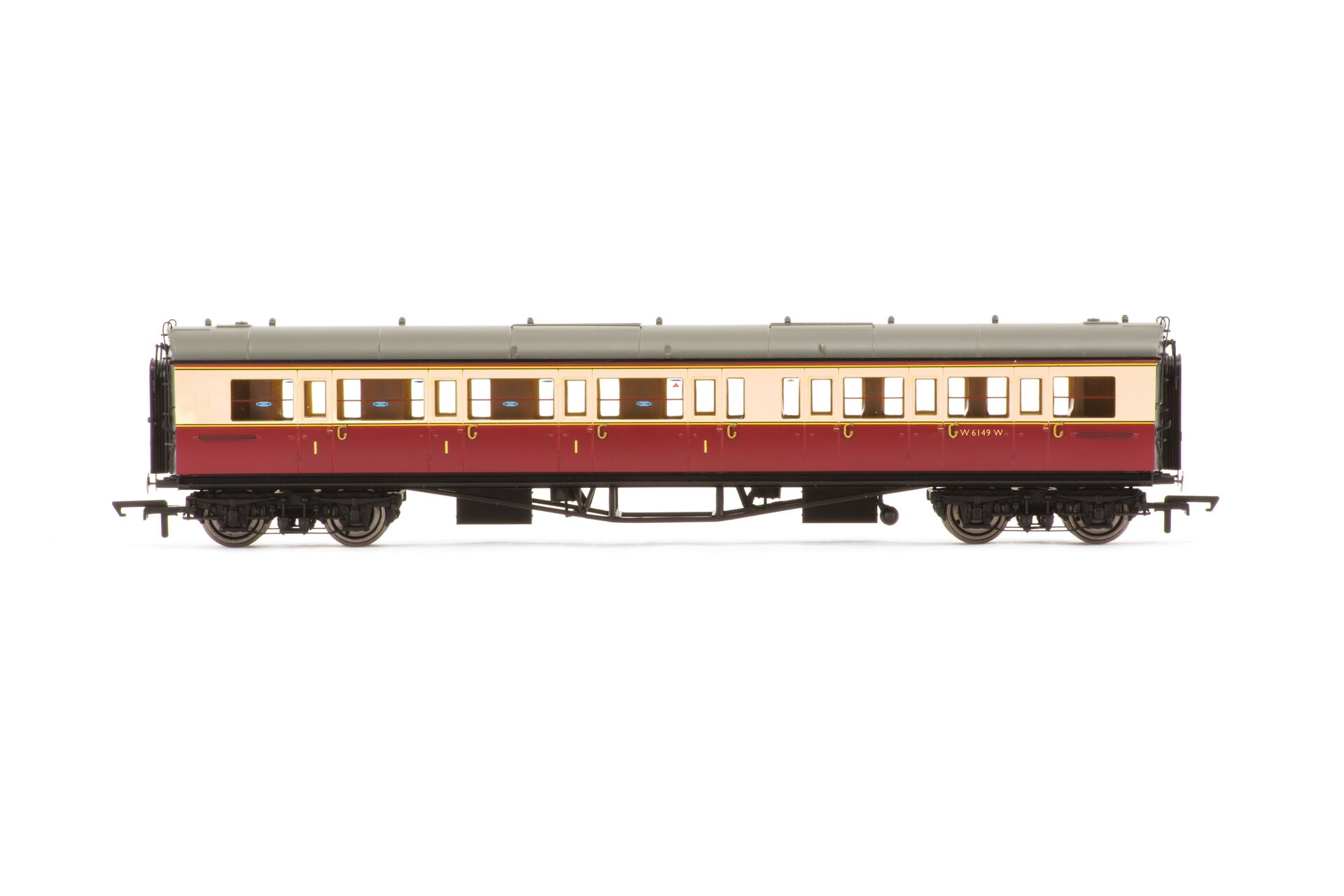
R40474BR - Collett Corridor Composite LH - 6149 - Coach
'OO' GaugeReleased: 01/12/25Era 4Although introduced onto the GWR by Collett from 1925, many of these modern-for-their-time coaches lasted in service until the 1960s, with many examples passing into departmental use. Some retained their chocolate and cream livery after nationalisation of Britain’s railways in 1948 and others were painted in the new owner’s crimson and cream.
These wooden-framed, but steel-panelled ‘bow-ended’ coaches were also ‘handed’ in a throw-back to the days they were introduced, when coach sets were marshalled with the compartments to the south (sunny) side and the corridors alongside London Paddington’s Platform 1 for ease of loading/unloading. For example, a left-hand brake coach would have its corridor on the opposite side to a right-hand brake.
Our Price:
£55.79
£55.79