
Search results
 R40481
LNER - 'Coronation' Observation Car 1729 (The One:One Collection)
 'OO' Gauge
 Released: 19/02/26
 Era 3
Era 3The LNER built two ‘beaver tail’ observation cars for its ‘Coronation’ service that operated between London and Edinburgh on the East Coast Main Line.
Both have survived, finding further use in converted form in Scotland, though Car 1729 has been painstakingly restored to its original profile with a streamlined tail that mirrored the shape of the ‘A4’ Class ‘Pacific’ on the front of the train.
Passengers paid an additional fee to enjoy the comforts of the observation car in which refreshments were served by the steward at passenger’s individual armchairs. The ‘beaver tail’ was only added to the train during summer months.

Our Price:
£73.79
£73.79
 955002
LNER Dynamometer Car No.902502
'N' GaugeReleased: 19/02/26Era 3
Our Price:
£84.95
£84.95
955003BR Dynamometer Car No.E902502
'N' GaugeReleased: 19/02/26Era 4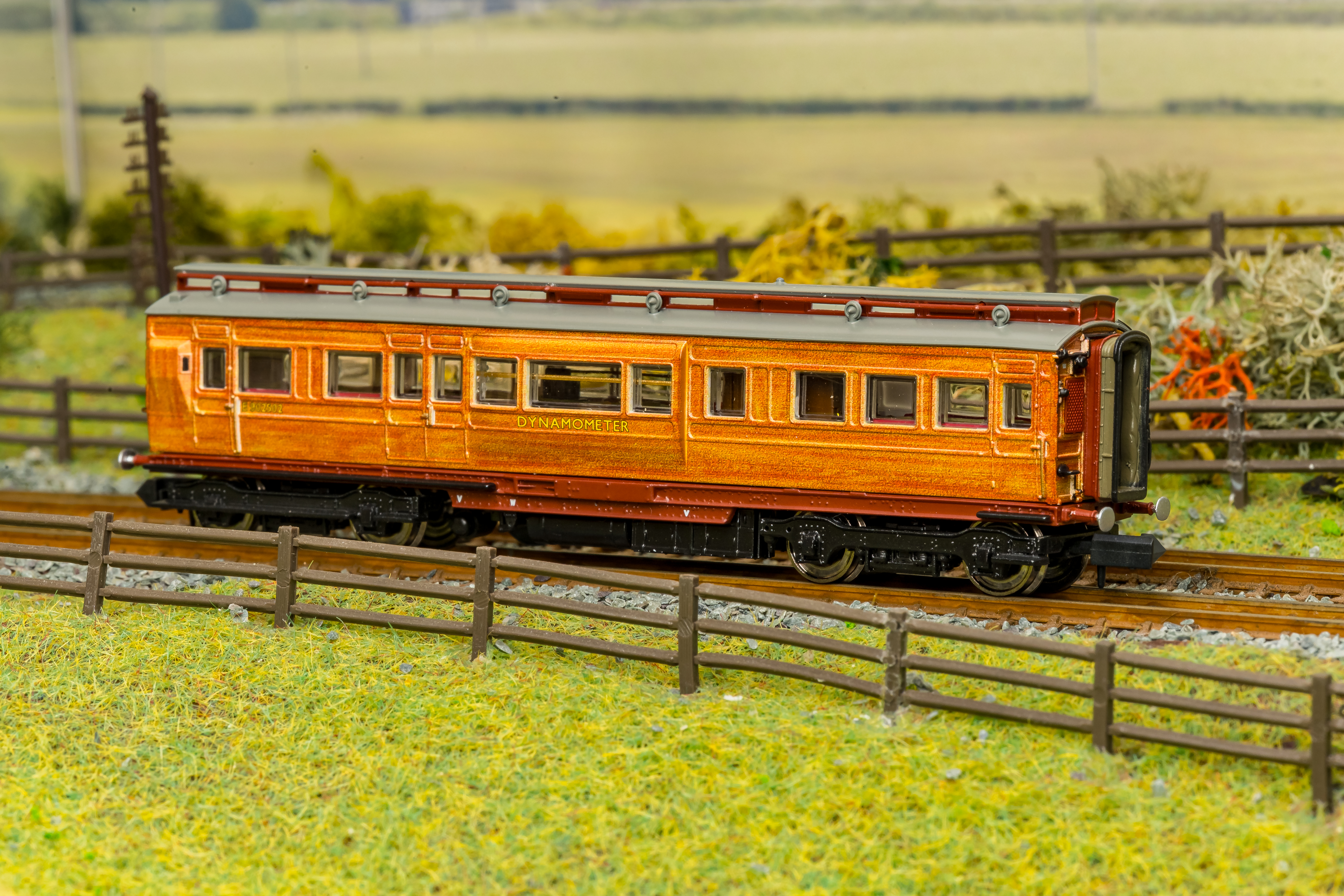
Our Price:
£84.95
£84.95
 E87108
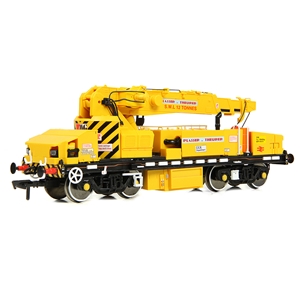
Plasser 12T YOB Diesel-Hydraulic Crane DRP81515 BR Departmental Yellow
'OO' GaugeReleased: 24/02/26Era 7The Plasser 12 Ton General Purpose Diesel-Hydraulic Crane returns to the EFE Rail range. These self-propelled cranes were given the TOPS code ‘YOB’ following their introduction in the mid-1970s. Used countrywide primarily at track relaying work sites, the cranes would be transported to site within engineering trains, but being self-propelled they were able to move around site and even perform light shunting during engineering possessions. Their compact nature allowed the YOBs to be used whilst an adjacent line remained open to traffic, thanks to them having no tail swing when the crane was in operation.
Our Price:
£89.95
£89.95
 GM4210202
GBRFClass 59 003 'Yeoman Highlander' GBRf (DCC-Sound/Smoke)
'OO' GaugeReleased: 28/01/26 DCC FittedEra 10
The Class 59 is a Co-Co formation diesel locomotive and the first US produced, privately-owned locomotive to operate regularly in the UK. The ordering of the first Class 59 was a result of quarry company Foster Yeomans dissatisfaction with the performance of the BR Class 56. The first 4 locomotives built by General Motors Electromotive Division were delivered to Foster Yeoman during 1986 and 59005 in 1989.
Proving very successful; one locomotive set a new UK haulage record for a single locomotive of 4639 tonnes. Foster Yeomans rivals ARC, Amey Roadstone Corporation, also ordered four modified Class 59s, the 59/1, as did National Power, who ordered six 59/2’s. GM invested in this initial UK success by extensively modifying the Class 59 internally to produce the Class 66, also hugely successful, within both the UK and continental Europe. Other than 59003, which after return from loan to HHPI in Germany is operated by GBRf, the Class 59 fleet is operated today by DB Schenker and Mendip Rail.

Our Price:
£280.45
£280.45
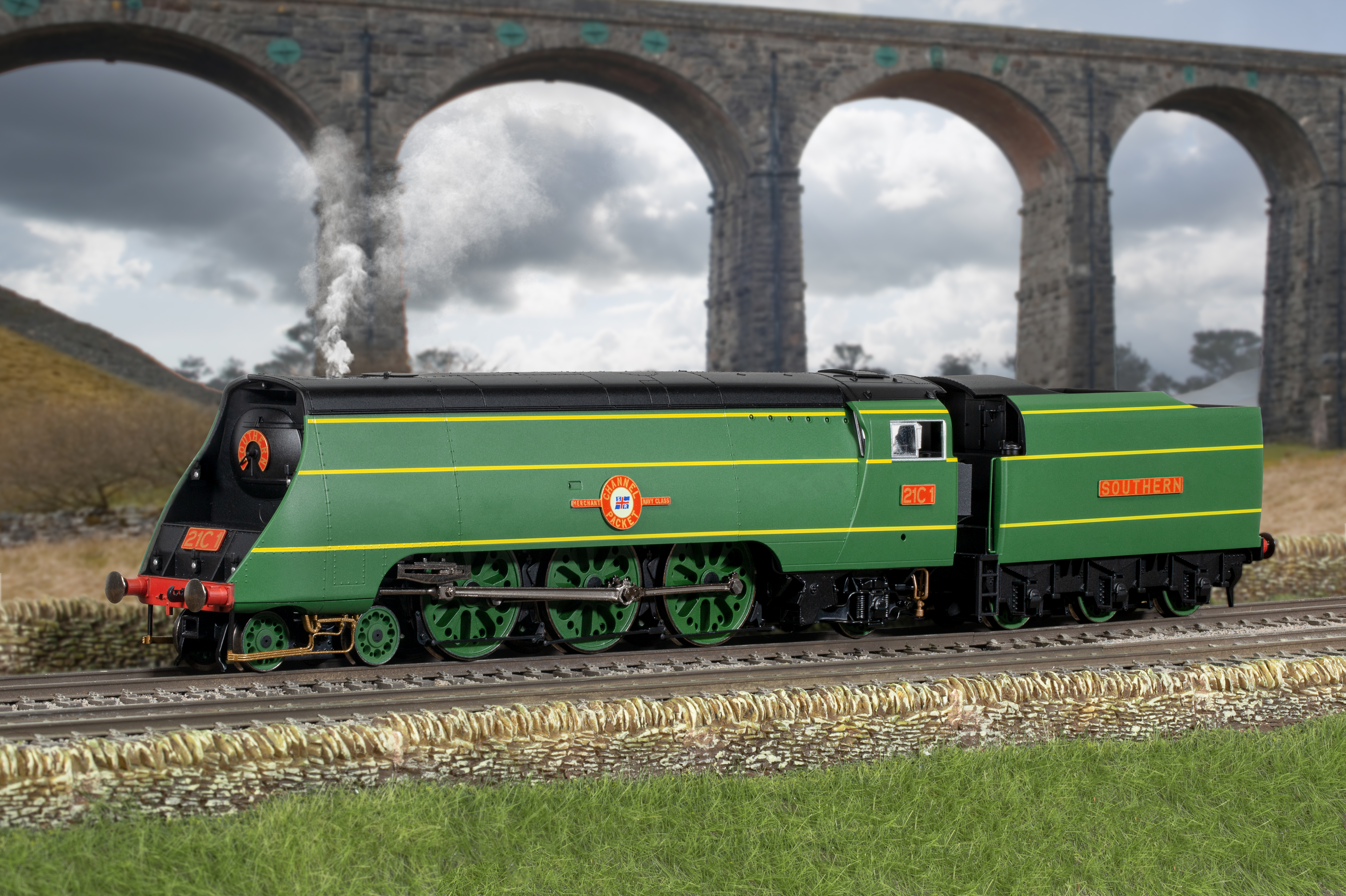
R30399SSSR - Merchant Navy Class - 21C1 'Channel Packet' (With Steam Generator & Sound)
'OO' GaugeReleased: 27/02/26DCC FittedDCC SoundEra 3Locomotive 21C1 'Channel Packet' was the first of the Merchant Navy class, entering service in 1941 at Salisbury and then Exmouth Junction from 1942. Renumbered '35001' under British Railways in 1948, 'Channel Packet' was allocated to Stewarts Lane from 1957 until rebuilding in 1959.
This model features DCC sound and steam functionality to recreate the first of Bulleid’s powerful and iconic Merchant Navy locomotives in the most authentic way.
Our Price:
£328.49
£328.49
 37-807A
LMS 12T Planked Ventilated Van 'Express Dairy Company' Blue
'OO' GaugeReleased: 25/03/26Era 3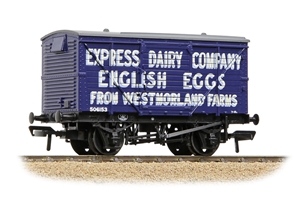
Our Price:
£22.45
£22.45
 372-031A
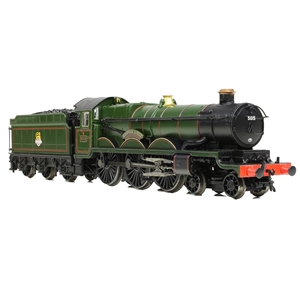
GWR 4073 'Castle' 5015 'Kingswear Castle' BR Lined Green Early Emblem
'N' GaugeReleased: 25/03/26DCC Ready (Next18)Era 4he first of the GWR 4073 ‘Castle’ Class locomotives was built in 1923 to the design of then- Chief Mechanical Engineer Charles Collett. The type was intended for express passenger trains and used the 4-6-0 wheel arrangement so favoured by the GWR and built on the success of the earlier Star Class which first entered traffic in 1907 albeit with a new, larger boiler making it more powerful and capable of handling the longest expresses.
Over a period of 27 years a total of 155 Castles were built by the GWR’s Swindon Works, joined between 1925 and 1940 by 16 more that were converted from older locomotives, mostly Stars. All 171 locomotives were named, usually after Castles in the west, but those rebuilt from Stars generally retained their original names although during their careers some Castles carried other names, including those of noble Earls and some named after RAF aircraft used during World War Two.
Our Price:
£152.95
£152.95
372-031ASFGWR 4073 'Castle' 5015 'Kingswear Castle' BR Lined Green Early Emblem With DCC Sound
'N' GaugeReleased: 25/03/26DCC FittedDCC SoundEra 4The first of the GWR 4073 ‘Castle’ Class locomotives was built in 1923 to the design of then- Chief Mechanical Engineer Charles Collett. The type was intended for express passenger trains and used the 4-6-0 wheel arrangement so favoured by the GWR and built on the success of the earlier Star Class which first entered traffic in 1907 albeit with a new, larger boiler making it more powerful and capable of handling the longest expresses.
Over a period of 27 years a total of 155 Castles were built by the GWR’s Swindon Works, joined between 1925 and 1940 by 16 more that were converted from older locomotives, mostly Stars. All 171 locomotives were named, usually after Castles in the west, but those rebuilt from Stars generally retained their original names although during their careers some Castles carried other names, including those of noble Earls and some named after RAF aircraft used during World War Two.

Our Price:
£246.45
£246.45
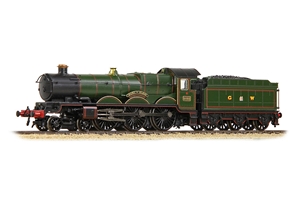
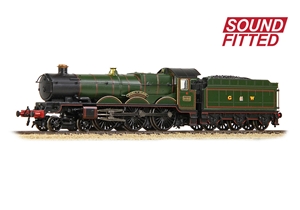
372-034GWR 4073 'Castle' 5055 'Earl of Eldon' GWR Lined Green (GW Crest)
'N' GaugeReleased: 25/03/26DCC Ready (Next18)Era 3The Graham Farish Castle Class locomotive is a worthy replica of one of the Great Western Railway’s (GWR) finest steam locomotive designs, with its elegant appearance only amplified by the beautiful lined green livery that was synonymous with the GWR, and later British Railway’s Western Region. This N scale model combines the Castle’s good looks with an exquisite paint finish to produce a masterpiece in miniature fit for any Western-inspired collection.
Our Price:
£152.95
£152.95
372-034SFGWR 4073 'Castle' 5055 'Earl of Eldon' GWR Lined Green (GW Crest) With DCC Sound
'N' GaugeReleased: 25/03/26DCC FittedDCC SoundEra 3The Graham Farish Castle Class locomotive is a worthy replica of one of the Great Western Railway’s (GWR) finest steam locomotive designs, with its elegant appearance only amplified by the beautiful lined green livery that was synonymous with the GWR, and later British Railway’s Western Region. This N scale model combines the Castle’s good looks with an exquisite paint finish to produce a masterpiece in miniature fit for any Western-inspired collection.
Our Price:
£246.45
£246.45
372-05SFGWR 4073 'Castle' 4082 'Windsor Castle' GWR Lined Green (Shirtbutton) With DCC Sound
'N' GaugeReleased: 25/03/26DCC FittedDCC SoundEra 3The Graham Farish Castle Class locomotive is a worthy replica of one of the Great Western Railway’s (GWR) finest steam locomotive designs, with its elegant appearance only amplified by the beautiful lined green livery that was synonymous with the GWR, and later British Railway’s Western Region. This N scale model combines the Castle’s good looks with an exquisite paint finish to produce a masterpiece in miniature fit for any Western-inspired collection.
Our model of No. 4082 ‘Windsor Castle’ is finished in GWR Lined Green livery with Shirtbutton logos on the tender, but earlier in its life this locomotive took part in the centenary celebrations of the opening of the Stockton & Darlington Railway in 1925, and so we’ve selected ‘Windsor Castle’ for our Railway Celebrations range and the model will be supplied in special Railway Celebrations packaging.

Our Price:
£246.45
£246.45
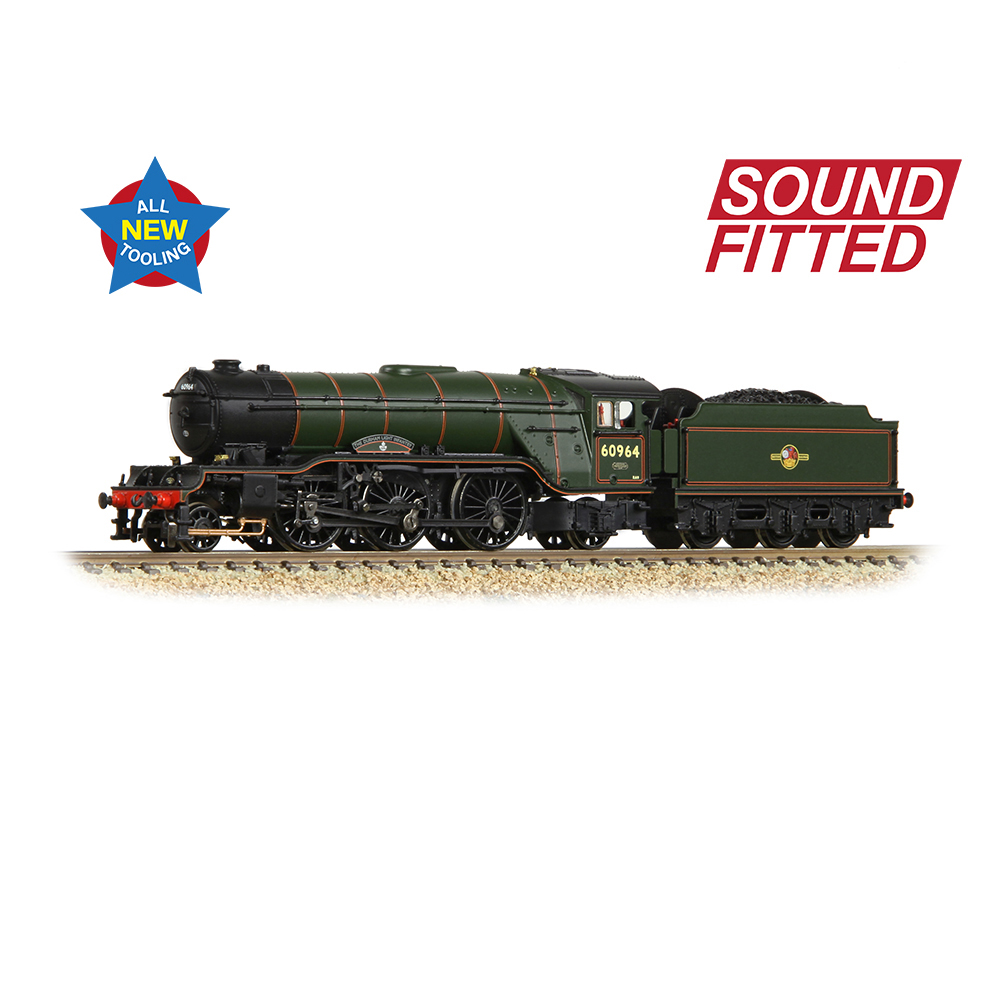
372-613SFLNER V2 60964 'Durham Light Infantry' BR Lined Green (Late Crest) With DCC Sound
'N' GaugeReleased: 25/03/26DCC FittedDCC SoundEra 5Some twenty years since the V2 was first produced in N scale by Graham Farish, this all-new model of the LNER Mixed Traffic icon is made to standards not even dreamt of twenty years ago. Often described as ‘the engines that won the war’, these new Graham Farish models are sure to win the heart of any discerning N scale enthusiast. Depicting one of the LNER’s most successful steam locomotive designs, this masterpiece in miniature captures the look and the character of the prototype to a tee. With highly detailed mouldings and many separate parts used on both the locomotive and tender, including era- and prototype-specific detailing to allow accurate models of any given class member throughout their working lives, the performance of these new V2s is just as impressive as their appearance.
A powerful coreless motor and flywheel is incorporated into the diecast locomotive chassis, powering the driving wheels which run in separate metal bearings. With electrical pickup from the driving wheels and tender wheels and the option to have traction tyres fitted to one driving wheelset, this new V2 is on a steady footing as soon as it hits the rails. Supplied complete with SOUND FITTED, this model will provide realistic sound effects on both analogue and DCC straight out of the box!
Our Price:
£280.45
£280.45
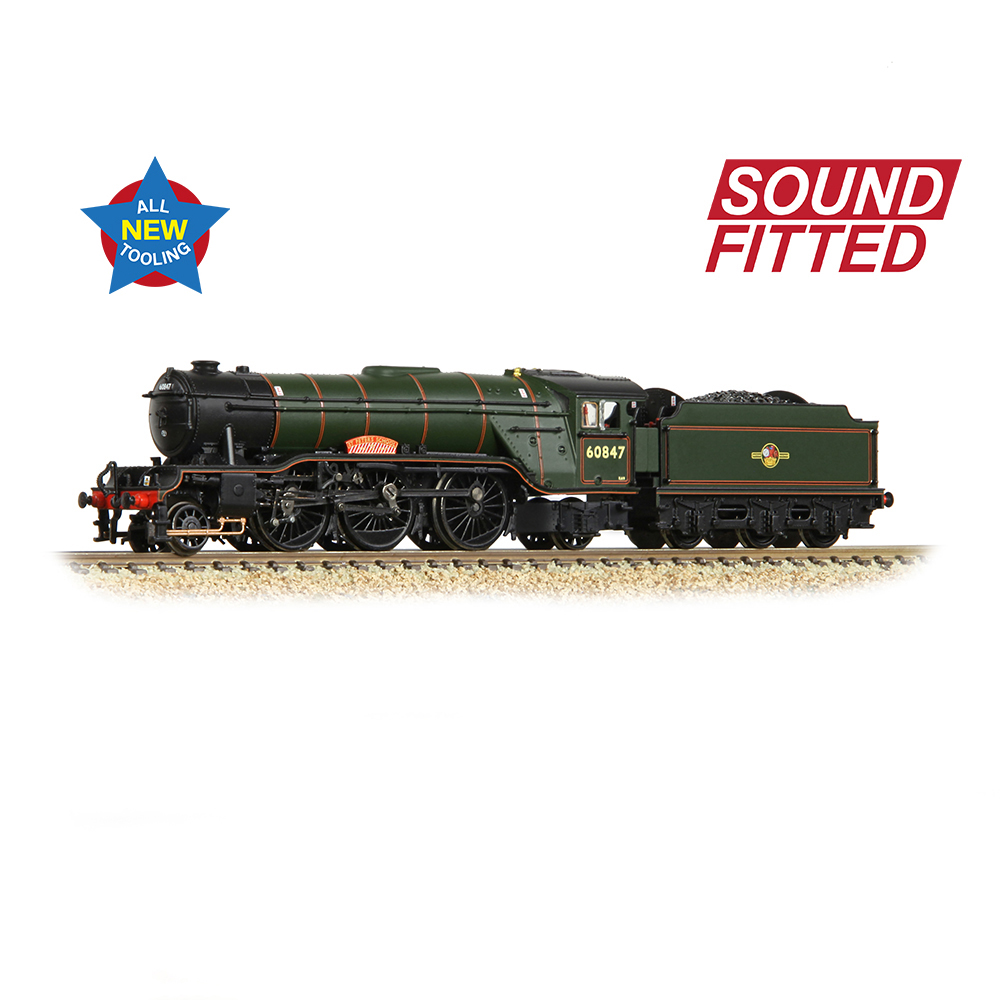
372-614SFLNER V2 60847 'St Peter's School' BR Lined Green (Late Crest) With DCC Sound
'N' GaugeReleased: 25/03/26DCC FittedDCC SoundEra 5Some twenty years since the V2 was first produced in N scale by Graham Farish, this all-new model of the LNER Mixed Traffic icon is made to standards not even dreamt of twenty years ago. Often described as ‘the engines that won the war’, these new Graham Farish models are sure to win the heart of any discerning N scale enthusiast. Depicting one of the LNER’s most successful steam locomotive designs, this masterpiece in miniature captures the look and the character of the prototype to a tee. With highly detailed mouldings and many separate parts used on both the locomotive and tender, including era- and prototype-specific detailing to allow accurate models of any given class member throughout their working lives, the performance of these new V2s is just as impressive as their appearance.
A powerful coreless motor and flywheel is incorporated into the diecast locomotive chassis, powering the driving wheels which run in separate metal bearings. With electrical pickup from the driving wheels and tender wheels and the option to have traction tyres fitted to one driving wheelset, this new V2 is on a steady footing as soon as it hits the rails. Supplied complete with SOUND FITTED, this model will provide realistic sound effects on both analogue and DCC straight out of the box!
Our Price:
£280.45
£280.45
372-775ASE&CR C Class 4 SE&CR Lined Green (Simplified)
'N' GaugeReleased: 25/03/26DCC Ready (Next18)Era 2Built between 1900 and 1908, the C Class was the SE&CR’s answer to the growing need for a standardised freight locomotive design. It proved extremely successful with a total of 109 being built, and many survived into the 1960s on mainline duties with BR. This model depicts running number 4 in the later simplified Lined Green of the SE&CR.

Our Price:
£131.70
£131.70
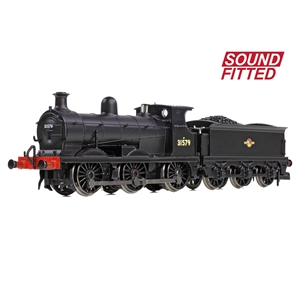
372-778SFSE&CR C Class 31579 BR Black (Late Crest) With DCC Sound
'N' GaugeReleased: 25/03/26DCC FittedDCC SoundEra 5Built between 1900 and 1908, the C Class was the SE&CR’s answer to the growing need for a standardised freight locomotive design. It proved extremely successful with a total of 109 being built, and many survived into the 1960s on mainline duties with BR. This model depicts running number 31579 in BR Black (Late Crest).
Our Price:
£216.70
£216.70
373-22024T Ore Hopper 'Cadbury Bournville' Yellow
'N' GaugeReleased: 25/03/26Era 3
Our Price:
£22.45
£22.45
373-220A24T Ore Hopper 'Cadbury Bournville' Yellow
'N' GaugeReleased: 25/03/26Era 3
Our Price:
£22.45
£22.45
373-22124T Ore Hopper 'Stanton' Red
'N' GaugeReleased: 25/03/26Era 3
Our Price:
£22.45
£22.45
373-221A24T Ore Hopper 'Stanton' Red
'N' GaugeReleased: 25/03/26Era 3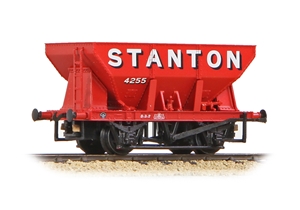
Our Price:
£22.45
£22.45