
Search results
 37-357
BR 13T Steel Sand Tippler BR Bauxite (Departmental)
 'OO' Gauge
 Released: 12/05/21
 Era 7
Era 7
Our Price:
£23.35
£23.35
 DCG-BB145
Back to Back OO/HO (Standard) 14.5mm
'OO' GaugeExpected:
UnknownBrass back-to-back gauge for Standard OO and HO ready to run, plus models built using BRSMB wheel standards OR running on pointwork built using OO-SF standards for common crossing and related gauging.

Our Price:
£8.95
£8.95
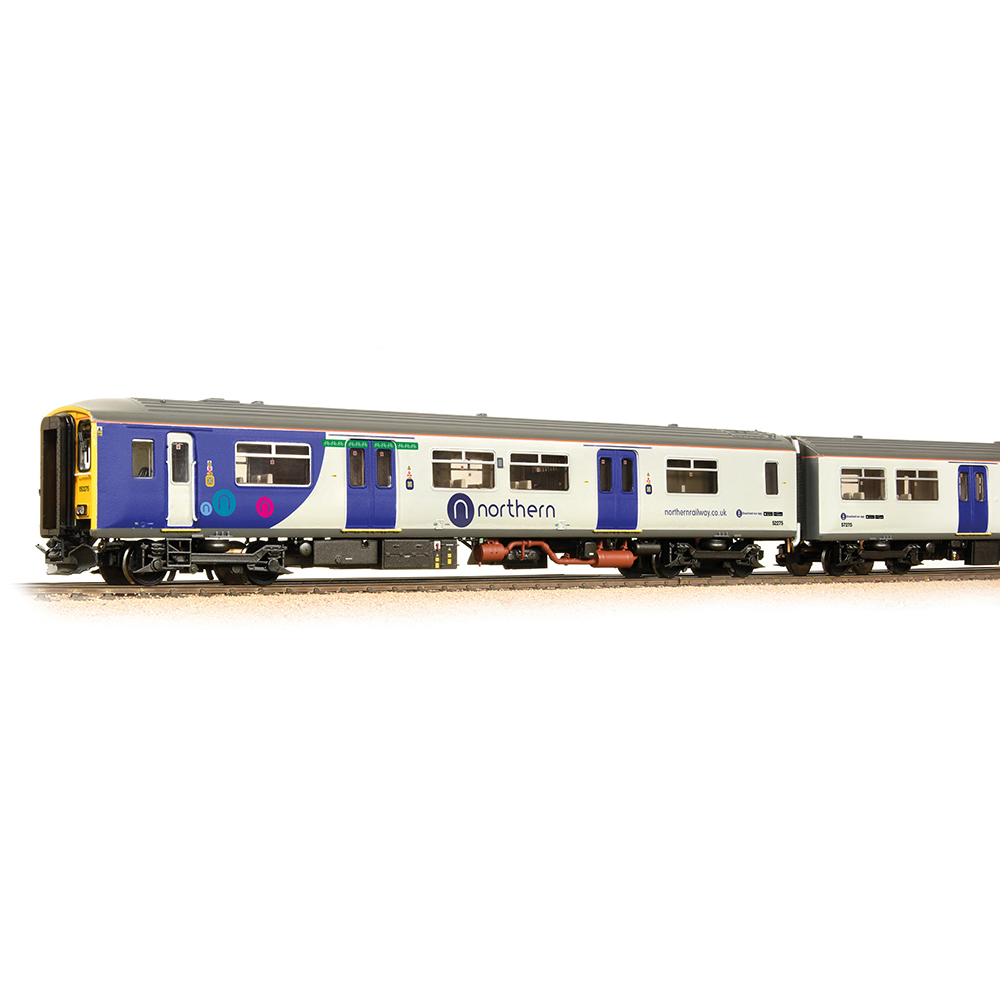
32-941Class 150/2 2-Car DMU 150220 Northern
'OO' GaugeReleased: 24/06/21 DCC Ready (21 Pin)Era 9
The British Rail Class 150 Sprinter is a class of diesel multiple-unit passenger trains built by BREL York from 1984 to 1987. A total of 137 units were produced in three main subclasses, replacing many of the earlier, first-generation "Heritage" DMUs. The first subclass, 150/0 comprised a pair of prototype units.
The second batch, of fifty units, was classified 150/1 and numbered in the range 150101-150. Like the prototype units, they did not have front-end gangway connections which allowed passengers to move between units working in multiple. Originally based at Derby Etches Park depot, these units were introduced in 1986, mainly concentrated around Birmingham and Manchester, and in later years restricted mainly to commuter services. Today the entire fleet is concentrated on the Northern franchise, mainly working around Manchester to places like Buxton, Sheffield, Liverpool, Southport and Carnforth.
The final batch of 85 two-car units were built with front-end gangway connections. These units were classified as Class 150/2 and numbered in the range 150201-285. They were used on longer-distance services. The 150/2s have operated in Scotland, Wales, the West of England and the North.
Our Price:
£250.70
£250.70
37-256ABR 16T Steel Mineral Wagon BR Bauxite (Early)
'OO' GaugeReleased: 24/06/21Era 4
Our Price:
£23.35
£23.35
37-354DBR 13T Steel Sand Tippler BR Grey (Early)
'OO' GaugeReleased: 24/06/21Era 4
Our Price:
£23.35
£23.35
37-40216T Steel Slope-Sided Mineral Wagon 'Stewart & Lloyds' Red
'OO' GaugeReleased: 24/06/21Era 3
Our Price:
£23.35
£23.35
37-42816T Steel Slope-Sided Mineral Wagon 'Rother Vale' Black
'OO' GaugeReleased: 24/06/21Era 3
Our Price:
£20.65
£20.65
 371-388
Class 66/4 66419 Freightliner G&W
'N' GaugeReleased: 24/06/21DCC Ready (6 Pin)Era 9The Class 66 is a type of six-axle diesel electric freight locomotive developed in part from the Class 59, for use on the railways of the UK. Since its introduction the class has been successful and has been sold to British and other European railway companies. In Continental Europe it is marketed as the EMD Class 66 (JT42CWR). Placing what was termed as "the biggest British loco order since steam days," EWS placed an order for 250 units in May 1996 to be built at the EMD plant in London, Ontario, Canada; the first locomotives were ready in 1998. They were given the Class 66 designation in the British classification system (TOPS). In 1998 Freightliner placed an order for further locomotives. They were followed by GB Railfreight, and then Direct Rail Services. The last of more than 500 built over an 18-year period was No 66779, Evening Star, delivered to GB Railfreight in spring 2016.
Class 66 is synonymous with the contemporary UK rail scene, operating for all the major freight operators including DB, Freightliner, GB Railfreight, Colas Rail, and DRS, and they are set to dominate the domestic locomotive fleet for many years to come.

Our Price:
£127.45
£127.45
374-122ABR Mk1 RU Restaurant Unclassified BR Blue & Grey
'N' GaugeReleased: 24/06/21Era 6/7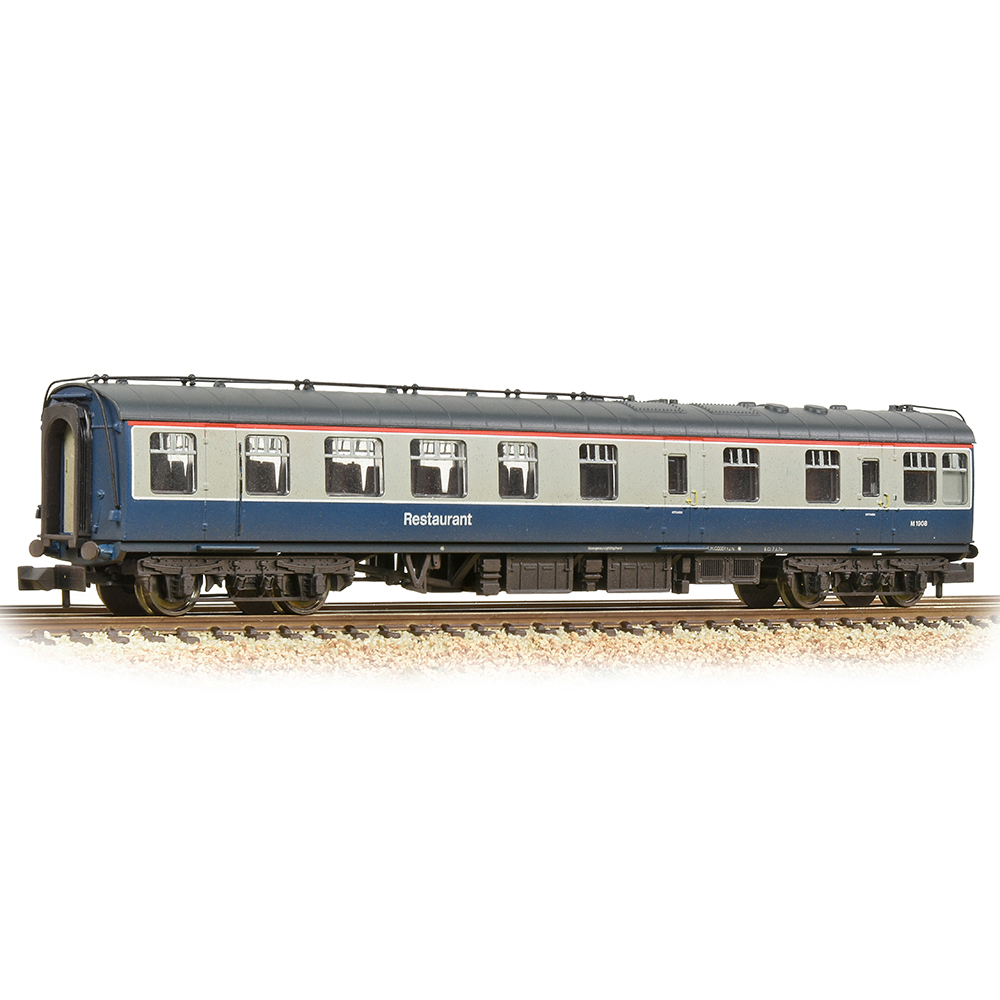
Our Price:
£42.25
£42.25
38-778A14T Class A Anchor-Mounted Tank Wagon 'National Benzole' Silver
'OO' GaugeReleased: 30/07/21Era 4Portraying one of the distinctive Anchor Mounted tanks, No. 861 is a Class A wagon used to transport flammable liquids and therefore is decorated in the standard silver paint scheme that was mandatory for Class A tank wagons during the period following World War Two. Along with the attractive National Benzole branding, the model also features a full complement of lettering and safety warnings – complete with a light weathered finish.

Our Price:
£31.45
£31.45
 R30051
G. Lee Mining Co. Ltd, Bagnall 0-4-0DH
'OO' GaugeReleased: 14/09/21Era 6The Stafford firm of W.G Bagnall built a range of steam and diesel shunting locomotives for industrial and shunting use, supplying a number of types to the National Coal Board during the 1950s.
Locomotive production ceased in 1961 and the last two 4w Diesel-Hydraulic shunters produced were built for the firm of Leys Malleable Castings Co. Ltd in Lincoln, a typical industrial customer for the small diesel shunter market, although similar locomotives found work across the United Kingdom during the 1960s and 1970s in British Railways' departmental use.

Our Price:
£41.63
£41.63
37-508A24T Ore Hopper BR Grey (Early)
'OO' GaugeReleased: 20/09/21Era 4
Our Price:
£25.15
£25.15
37-51124T Ore Hopper 'Stanton' Red
'OO' GaugeReleased: 20/09/21Era 3Depicting one of the wagons owned by the Stanton Ironworks Company, near Ilkeston in Nottinghamshire.

Our Price:
£23.35
£23.35
37-578BBR 45T TTA Tank Wagon 'ICI Petrochemicals & Plastics' White
'OO' GaugeReleased: 20/09/21Era 7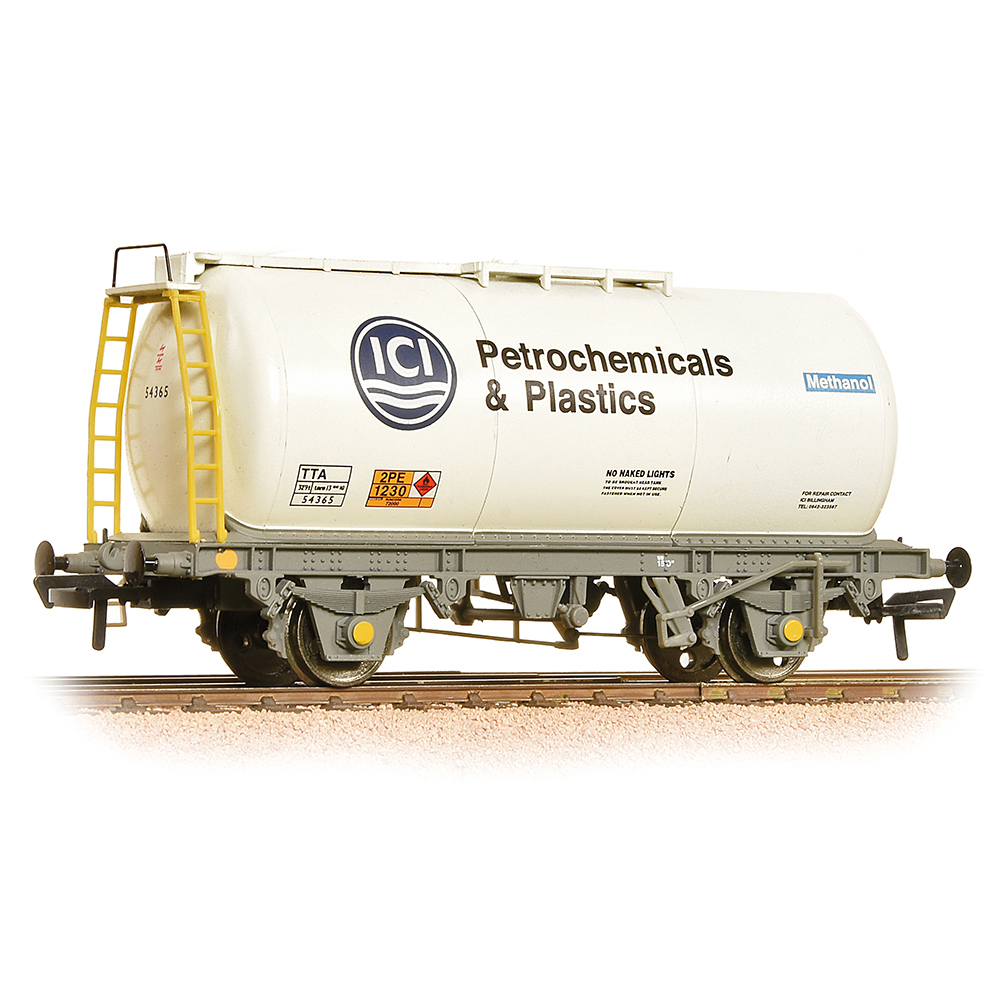
Our Price:
£29.65
£29.65
37-585ABR 45T TTA Tank Wagon 'Amoco' Grey
'OO' GaugeReleased: 20/09/21Era 7
Our Price:
£29.65
£29.65
37-588BR 45T TTA Tank Wagon 'Murco' Grey
'OO' GaugeReleased: 20/09/21Era 6/7
Our Price:
£29.65
£29.65
377-0665 Plank Wagon Wooden Floor 'J. H. Rainbow' Red
'N' GaugeReleased: 20/09/21Era 3
Our Price:
£17.95
£17.95
377-0675 Plank Wagon Wooden Floor 'Devlin's Trawlers' Green
'N' GaugeReleased: 20/09/21Era 3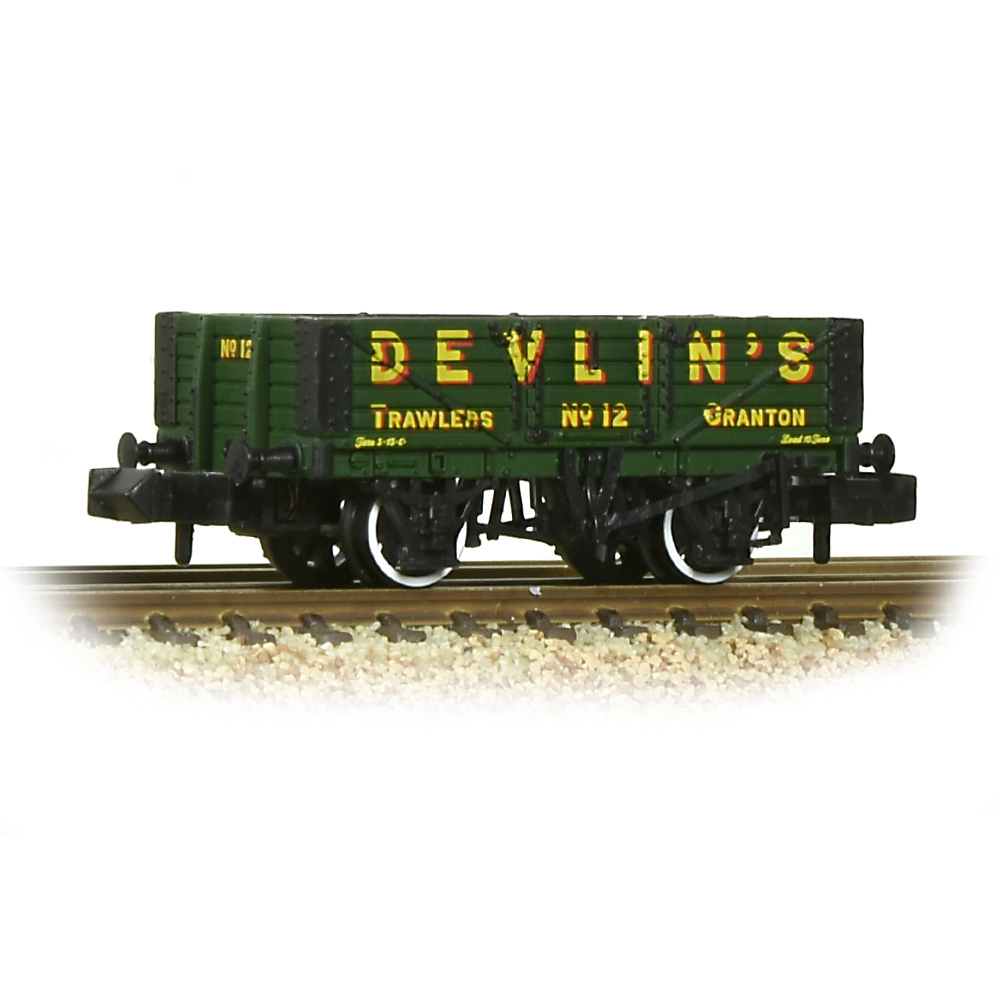
Our Price:
£17.95
£17.95
377-0685 Plank Wagon Fixed End Wooden Floor 'A. Butler & Co.' Black
'N' GaugeReleased: 20/09/21Era 3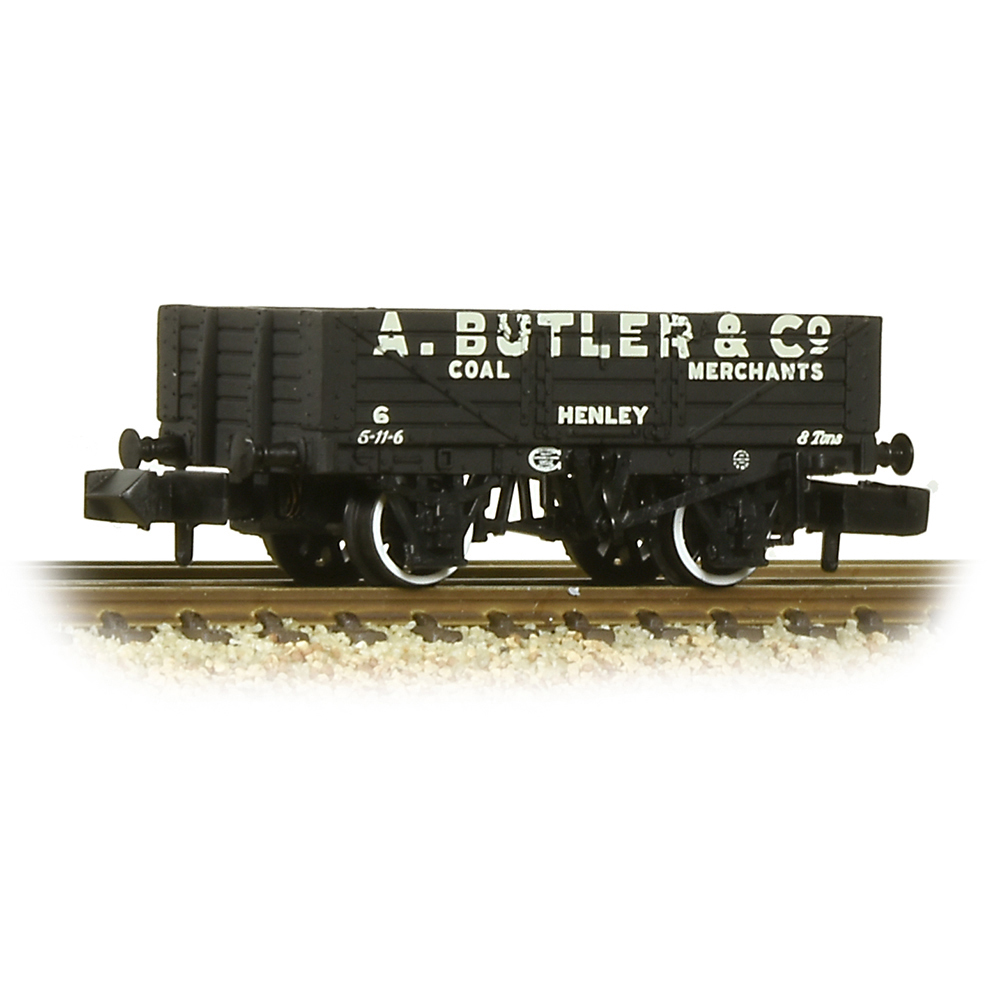
Our Price:
£17.95
£17.95
377-2098 Plank Wagon Fixed End 'William Harrison' Grey
'N' GaugeReleased: 20/09/21Era 3
Our Price:
£20.65
£20.65