
Search results
 37-588
BR 45T TTA Tank Wagon 'Murco' Grey
 'OO' Gauge
 Released: 20/09/21
 Era 6/7
Our Price:
£29.65
£29.65
 377-066
5 Plank Wagon Wooden Floor 'J. H. Rainbow' Red
'N' GaugeReleased: 20/09/21Era 3
Our Price:
£17.95
£17.95
377-0675 Plank Wagon Wooden Floor 'Devlin's Trawlers' Green
'N' GaugeReleased: 20/09/21Era 3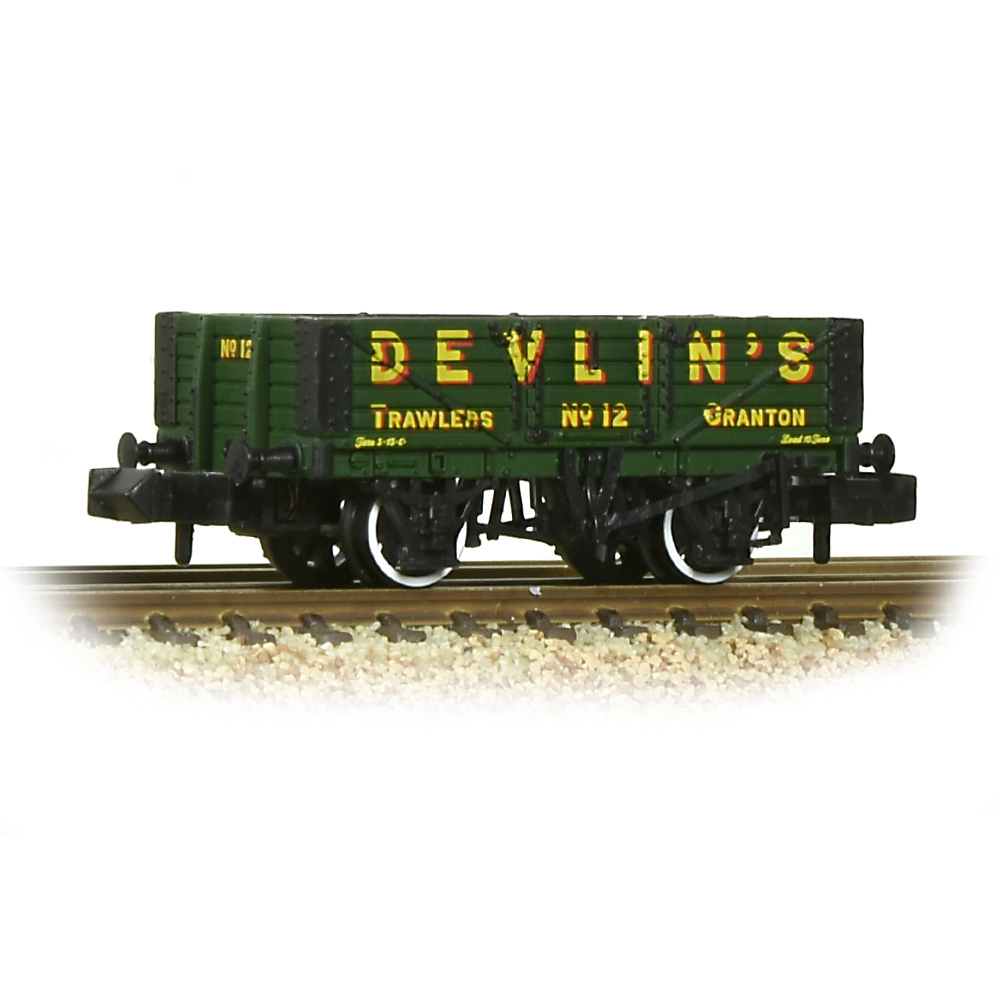
Our Price:
£17.95
£17.95
377-0685 Plank Wagon Fixed End Wooden Floor 'A. Butler & Co.' Black
'N' GaugeReleased: 20/09/21Era 3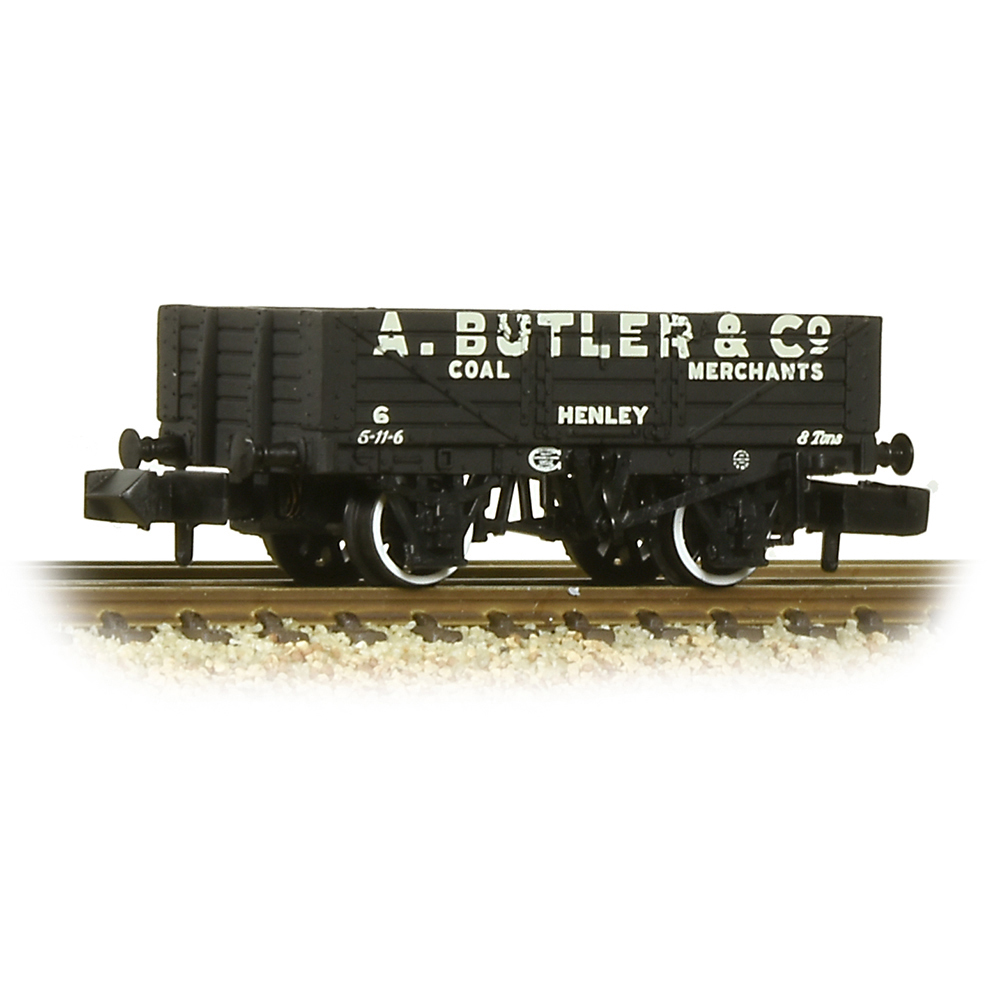
Our Price:
£17.95
£17.95
377-2098 Plank Wagon Fixed End 'William Harrison' Grey
'N' GaugeReleased: 20/09/21Era 3
Our Price:
£20.65
£20.65
39-654BR Mk2F FO First Open Virgin Trains (Original)
'OO' GaugeReleased: 20/09/21Era 9British Rail's second generation of Standard Coach design is known as the Mark 2. Design and construction followed on from the universal and ubiquitous Mk1 family of coaching stock, with the prototype example built in 1963. Series production continued until 1975 at Derby Carriage Works. They were of steel construction, and of a more monocoque design than the Mk1, which added to their safety and integrity in event of collision or mishap.
As passenger expectations and railway operations had moved on since the vast Mk1 range was conceived, and because there was still much life left in the Mk1s by the mid-sixties, a much reduced number of vehicle types were built. The basic Mk2 types included First and Second class accommodation, with corridors and compartments only available to First Class passengers, all Second Class coaches were conceived as open saloons. First and Second class Brake coaches were built, but no full brakes, catering cars, restaurants, buffets or sleeping cars were included, Mark 1 coaches fulfilling these needs until Mark 3s came along in the late seventies.
The Mark 2 family underwent a number of tweaks and improvements during the 12 years construction period. The principal visual differences included air braking from Mk2A, removal of the central bodyside doors and vestibule (Mk2B), introduction of wrap-around corner doors and provision of one WC at each end in lieu of two at one end (Mk2B), air conditioning - so no opening windows in the saloon area (Mk2D), no side corridor First Class compartment vehicles (from Mk2E onwards), varying style and colours of end gangway doors.

Our Price:
£62.95
£62.95
39-654DCBR Mk2F FO First Open Virgin Trains (Original)
'OO' GaugeReleased: 20/09/21Era 9MODEL FEATURES: • Accessory Pack • NEM Coupling Pockets • Close Coupling Mechanism • Length 270mm • Interior Lighting • Door Interlock Lighting (when used on DCC) • Constantly lit or Flashing Tail Lamps (optional – two types) • DCC-control of all lighting via the integrated DCC decoder • Lighting can be controlled by easy-access switches when used on analogue

Our Price:
£84.45
£84.45
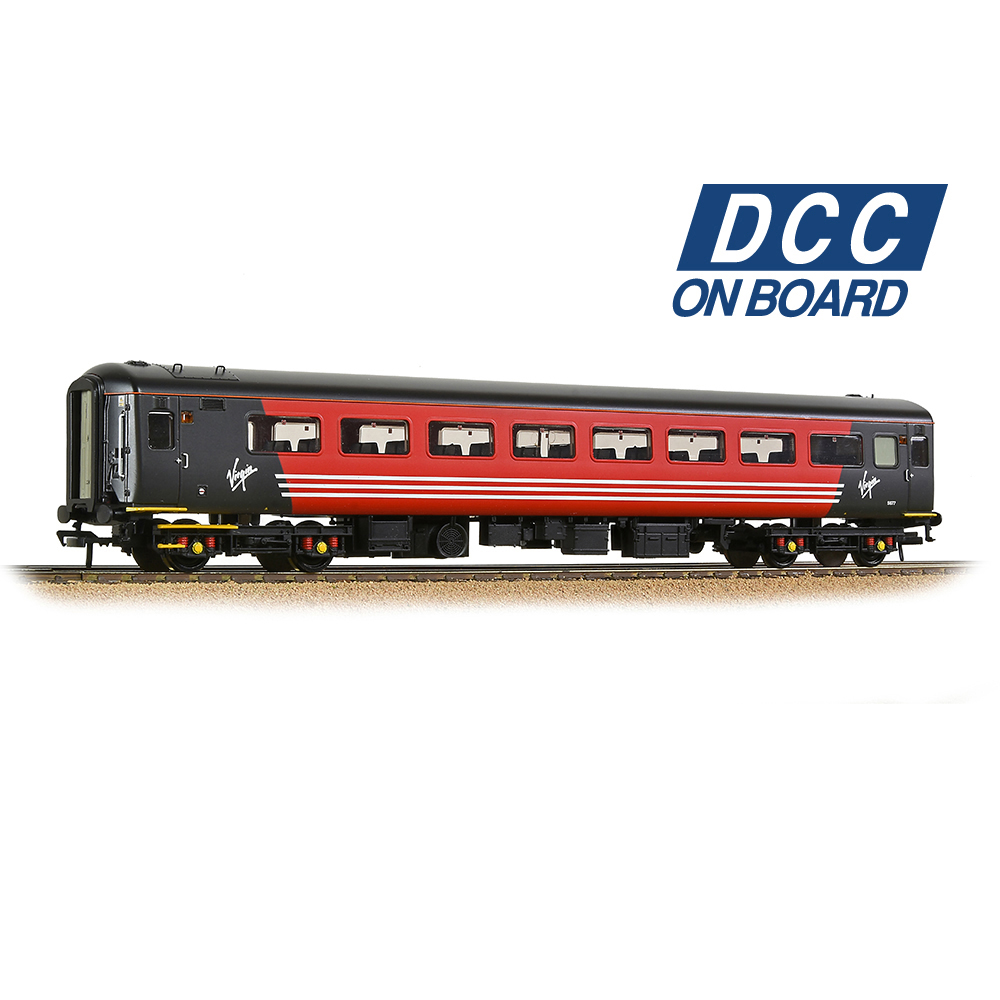
39-679DCBR Mk2F TSO Tourist Second Open Virgin Trains (Original)
'OO' GaugeReleased: 20/09/21Era 9MODEL FEATURES:
• Accessory Pack
• NEM Coupling Pockets
• Close Coupling Mechanism
• Length 270mm
• Interior Lighting
• Door Interlock Lighting (when used on DCC)
• Constantly lit or Flashing Tail Lamps (optional – two types)
• DCC-control of all lighting via the integrated DCC decoder
• Lighting can be controlled by easy-access switches when used on analogue
Our Price:
£85.45
£85.45
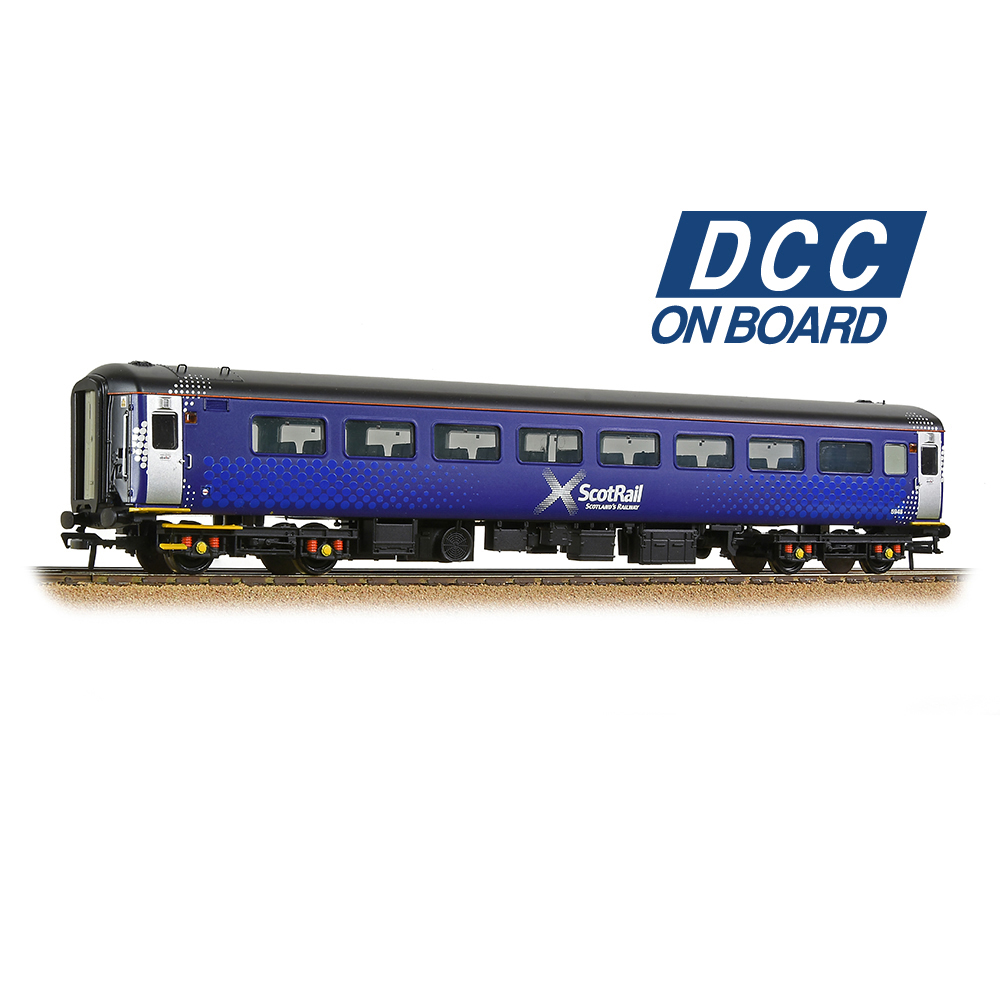
39-680DCBR Mk2F TSO Tourist Second Open ScotRail Saltire
'OO' GaugeReleased: 20/09/21Era 9MODEL FEATURES:
• Accessory Pack
• NEM Coupling Pockets
• Close Coupling Mechanism
• Length 270mm
• Interior Lighting
• Door Interlock Lighting (when used on DCC)
• Constantly lit or Flashing Tail Lamps (optional – two types)
• DCC-control of all lighting via the integrated DCC decoder
• Lighting can be controlled by easy-access switches when used on analogue
Our Price:
£85.45
£85.45
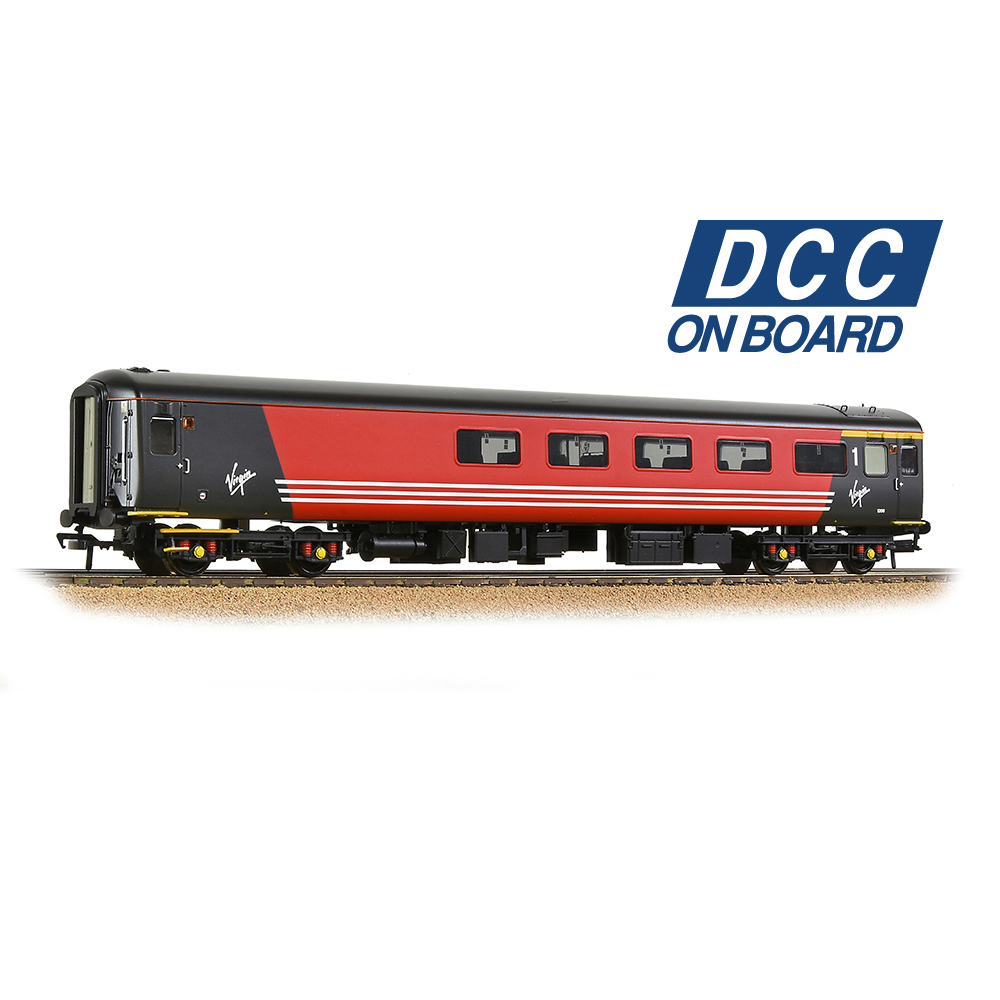
39-687DCBR Mk2F RFB Restaurant First Buffet Virgin Trains (Original)
'OO' GaugeReleased: 20/09/21Era 9MODEL FEATURES:
• Accessory Pack
• NEM Coupling Pockets
• Close Coupling Mechanism
• Length 270mm
• Interior Lighting
• Door Interlock Lighting (when used on DCC)
• Constantly lit or Flashing Tail Lamps (optional – two types)
• DCC-control of all lighting via the integrated DCC decoder
• Lighting can be controlled by easy-access switches when used on analogue
Our Price:
£84.45
£84.45
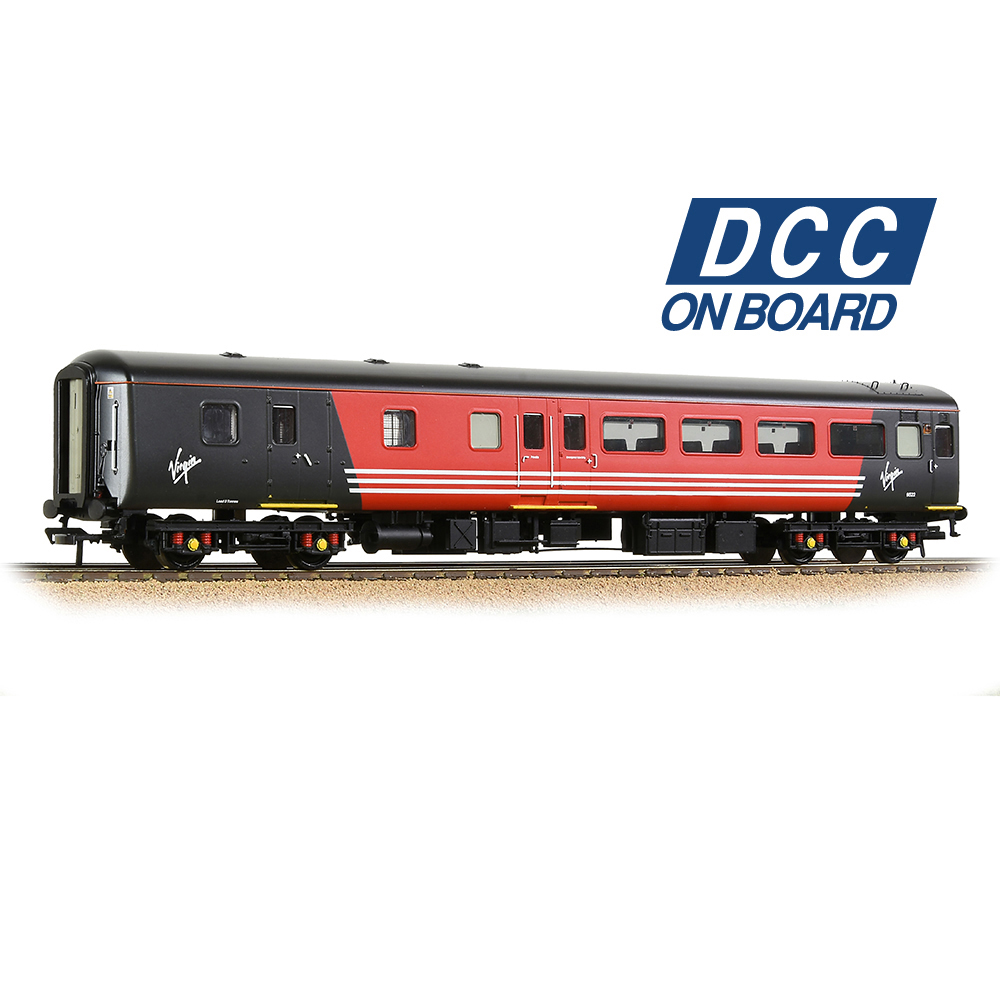
39-703DCBR Mk2F BSO Brake Second Open Virgin Trains (Original)
'OO' GaugeReleased: 20/09/21Era 9MODEL FEATURES: • Accessory Pack • NEM Coupling Pockets • Close Coupling Mechanism • Length 270mm • Interior Lighting • Door Interlock Lighting (when used on DCC) • Constantly lit or Flashing Tail Lamps (optional – two types) • DCC-control of all lighting via the integrated DCC decoder • Lighting can be controlled by easy-access switches when used on analogue
Our Price:
£85.45
£85.45
39-687BR Mk2F RFB Restaurant First Buffet Virgin Trains (Original)
'OO' GaugeReleased: 20/09/21Era 9British Rail's second generation of Standard Coach design is known as the Mark 2. Design and construction followed on from the universal and ubiquitous Mk1 family of coaching stock, with the prototype example built in 1963. Series production continued until 1975 at Derby Carriage Works. They were of steel construction, and of a more monocoque design than the Mk1, which added to their safety and integrity in event of collision or mishap.
As passenger expectations and railway operations had moved on since the vast Mk1 range was conceived, and because there was still much life left in the Mk1s by the mid-sixties, a much reduced number of vehicle types were built. The basic Mk2 types included First and Second class accommodation, with corridors and compartments only available to First Class passengers, all Second Class coaches were conceived as open saloons. First and Second class Brake coaches were built, but no full brakes, catering cars, restaurants, buffets or sleeping cars were included, Mark 1 coaches fulfilling these needs until Mark 3s came along in the late seventies.
The Mark 2 family underwent a number of tweaks and improvements during the 12 years construction period. The principal visual differences included air braking from Mk2A, removal of the central bodyside doors and vestibule (Mk2B), introduction of wrap-around corner doors and provision of one WC at each end in lieu of two at one end (Mk2B), air conditioning - so no opening windows in the saloon area (Mk2D), no side corridor First Class compartment vehicles (from Mk2E onwards), varying style and colours of end gangway doors.

Our Price:
£62.95
£62.95
39-702BR MK2F BSO Brake Second Open BR InterCity (Swallow)
'OO' GaugeReleased: 20/09/21Era 8British Rail's second generation of Standard Coach design is known as the Mark 2. Design and construction followed on from the universal and ubiquitous Mk1 family of coaching stock, with the prototype example built in 1963. Series production continued until 1975 at Derby Carriage Works. They were of steel construction, and of a more monocoque design than the Mk1, which added to their safety and integrity in event of collision or mishap.
As passenger expectations and railway operations had moved on since the vast Mk1 range was conceived, and because there was still much life left in the Mk1s by the mid-sixties, a much reduced number of vehicle types were built. The basic Mk2 types included First and Second class accommodation, with corridors and compartments only available to First Class passengers, all Second Class coaches were conceived as open saloons. First and Second class Brake coaches were built, but no full brakes, catering cars, restaurants, buffets or sleeping cars were included, Mark 1 coaches fulfilling these needs until Mark 3s came along in the late seventies.
The Mark 2 family underwent a number of tweaks and improvements during the 12 years construction period. The principal visual differences included air braking from Mk2A, removal of the central bodyside doors and vestibule (Mk2B), introduction of wrap-around corner doors and provision of one WC at each end in lieu of two at one end (Mk2B), air conditioning - so no opening windows in the saloon area (Mk2D), no side corridor First Class compartment vehicles (from Mk2E onwards), varying style and colours of end gangway doors.

Our Price:
£62.95
£62.95
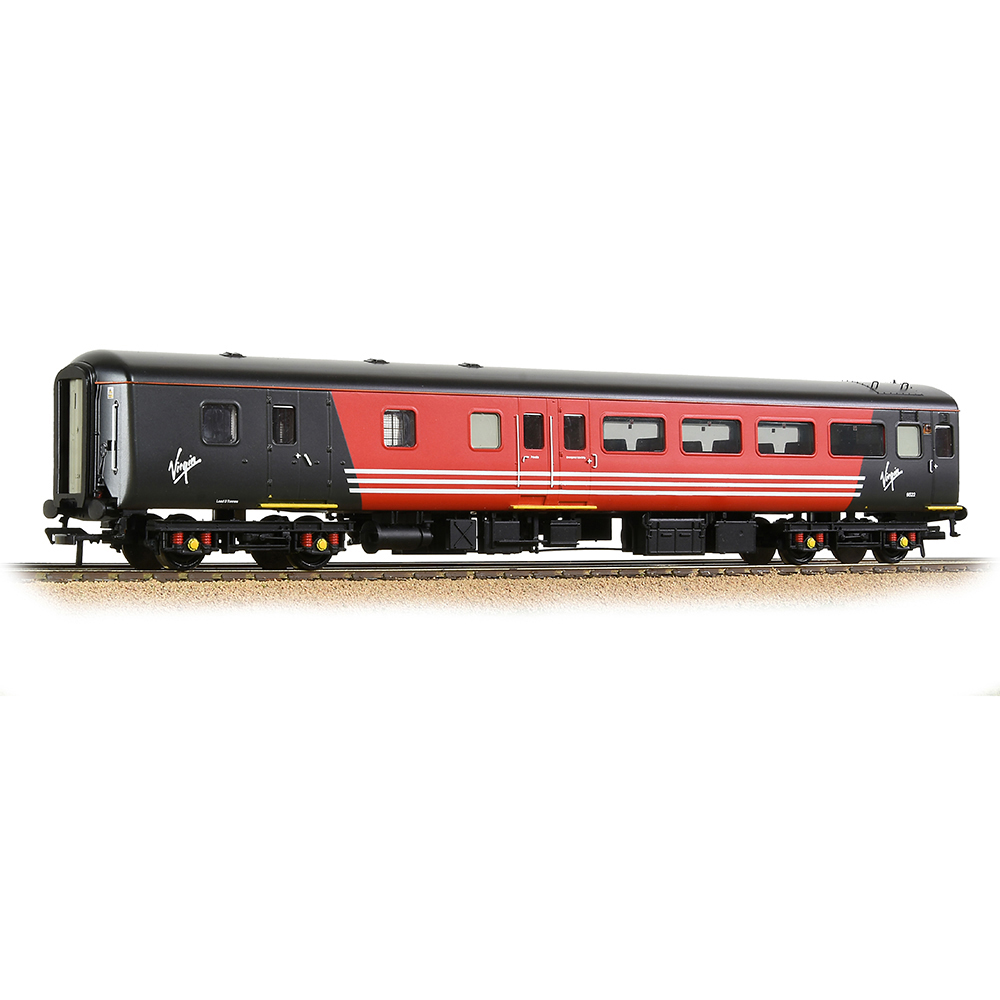
39-703BR Mk2F BSO Brake Second Open Virgin Trains (Original)
'OO' GaugeReleased: 20/09/21Era 9British Rail's second generation of Standard Coach design is known as the Mark 2. Design and construction followed on from the universal and ubiquitous Mk1 family of coaching stock, with the prototype example built in 1963. Series production continued until 1975 at Derby Carriage Works. They were of steel construction, and of a more monocoque design than the Mk1, which added to their safety and integrity in event of collision or mishap.
As passenger expectations and railway operations had moved on since the vast Mk1 range was conceived, and because there was still much life left in the Mk1s by the mid-sixties, a much reduced number of vehicle types were built. The basic Mk2 types included First and Second class accommodation, with corridors and compartments only available to First Class passengers, all Second Class coaches were conceived as open saloons. First and Second class Brake coaches were built, but no full brakes, catering cars, restaurants, buffets or sleeping cars were included, Mark 1 coaches fulfilling these needs until Mark 3s came along in the late seventies.
The Mark 2 family underwent a number of tweaks and improvements during the 12 years construction period. The principal visual differences included air braking from Mk2A, removal of the central bodyside doors and vestibule (Mk2B), introduction of wrap-around corner doors and provision of one WC at each end in lieu of two at one end (Mk2B), air conditioning - so no opening windows in the saloon area (Mk2D), no side corridor First Class compartment vehicles (from Mk2E onwards), varying style and colours of end gangway doors.
Our Price:
£62.95
£62.95
39-679BR Mk2F TSO Tourist Second Open Virgin Trains (Original)
'OO' GaugeReleased: 20/09/21Era 9British Rail's second generation of Standard Coach design is known as the Mark 2. Design and construction followed on from the universal and ubiquitous Mk1 family of coaching stock, with the prototype example built in 1963. Series production continued until 1975 at Derby Carriage Works. They were of steel construction, and of a more monocoque design than the Mk1, which added to their safety and integrity in event of collision or mishap.
As passenger expectations and railway operations had moved on since the vast Mk1 range was conceived, and because there was still much life left in the Mk1s by the mid-sixties, a much reduced number of vehicle types were built. The basic Mk2 types included First and Second class accommodation, with corridors and compartments only available to First Class passengers, all Second Class coaches were conceived as open saloons. First and Second class Brake coaches were built, but no full brakes, catering cars, restaurants, buffets or sleeping cars were included, Mark 1 coaches fulfilling these needs until Mark 3s came along in the late seventies.
The Mark 2 family underwent a number of tweaks and improvements during the 12 years construction period. The principal visual differences included air braking from Mk2A, removal of the central bodyside doors and vestibule (Mk2B), introduction of wrap-around corner doors and provision of one WC at each end in lieu of two at one end (Mk2B), air conditioning - so no opening windows in the saloon area (Mk2D), no side corridor First Class compartment vehicles (from Mk2E onwards), varying style and colours of end gangway doors.

Our Price:
£62.95
£62.95
39-680BR Mk2F TSO Tourist Second Open ScotRail Saltire
'OO' GaugeReleased: 20/09/21Era 9British Rail's second generation of Standard Coach design is known as the Mark 2. Design and construction followed on from the universal and ubiquitous Mk1 family of coaching stock, with the prototype example built in 1963. Series production continued until 1975 at Derby Carriage Works. They were of steel construction, and of a more monocoque design than the Mk1, which added to their safety and integrity in event of collision or mishap.
As passenger expectations and railway operations had moved on since the vast Mk1 range was conceived, and because there was still much life left in the Mk1s by the mid-sixties, a much reduced number of vehicle types were built. The basic Mk2 types included First and Second class accommodation, with corridors and compartments only available to First Class passengers, all Second Class coaches were conceived as open saloons. First and Second class Brake coaches were built, but no full brakes, catering cars, restaurants, buffets or sleeping cars were included, Mark 1 coaches fulfilling these needs until Mark 3s came along in the late seventies.
The Mark 2 family underwent a number of tweaks and improvements during the 12 years construction period. The principal visual differences included air braking from Mk2A, removal of the central bodyside doors and vestibule (Mk2B), introduction of wrap-around corner doors and provision of one WC at each end in lieu of two at one end (Mk2B), air conditioning - so no opening windows in the saloon area (Mk2D), no side corridor First Class compartment vehicles (from Mk2E onwards), varying style and colours of end gangway doors.

Our Price:
£62.95
£62.95
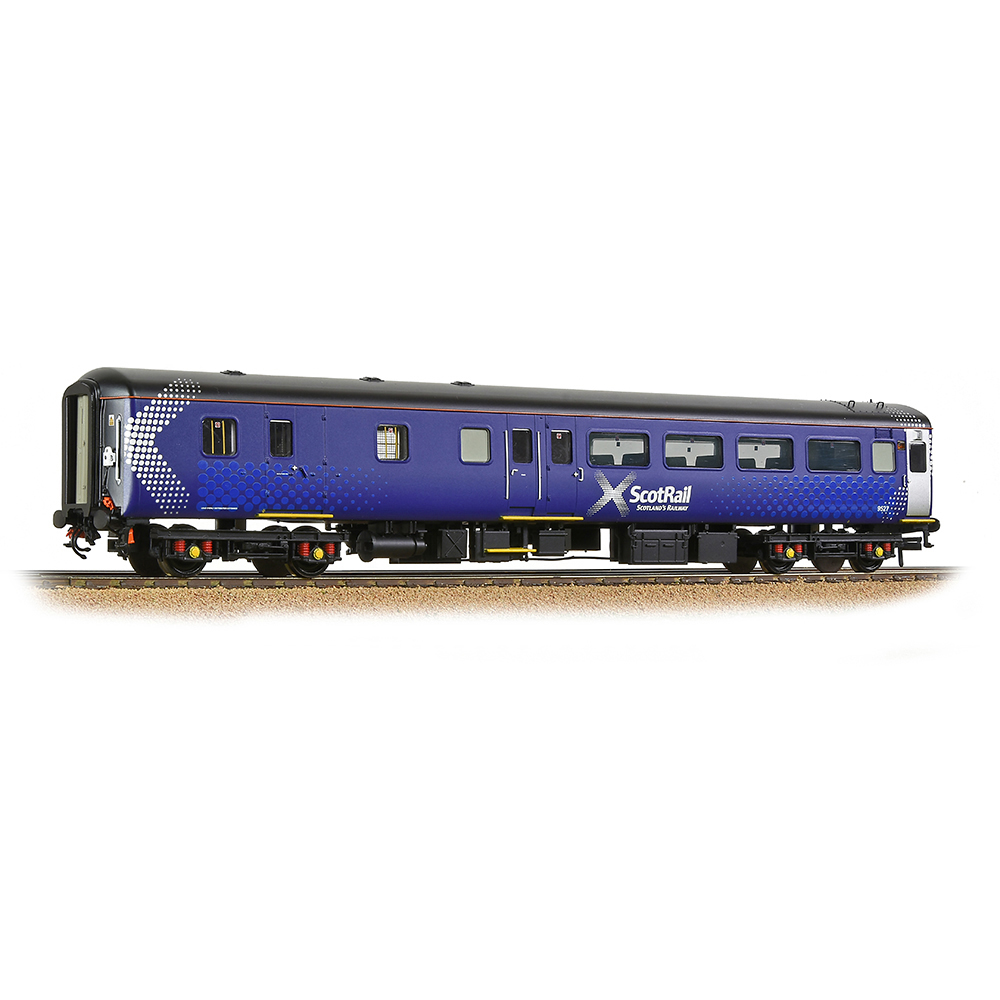
39-704BR Mk2F BSO Brake Second Open ScotRail Saltire
'OO' GaugeReleased: 20/09/21Era 9British Rail's second generation of Standard Coach design is known as the Mark 2. Design and construction followed on from the universal and ubiquitous Mk1 family of coaching stock, with the prototype example built in 1963. Series production continued until 1975 at Derby Carriage Works. They were of steel construction, and of a more monocoque design than the Mk1, which added to their safety and integrity in event of collision or mishap.
As passenger expectations and railway operations had moved on since the vast Mk1 range was conceived, and because there was still much life left in the Mk1s by the mid-sixties, a much reduced number of vehicle types were built. The basic Mk2 types included First and Second class accommodation, with corridors and compartments only available to First Class passengers, all Second Class coaches were conceived as open saloons. First and Second class Brake coaches were built, but no full brakes, catering cars, restaurants, buffets or sleeping cars were included, Mark 1 coaches fulfilling these needs until Mark 3s came along in the late seventies.
The Mark 2 family underwent a number of tweaks and improvements during the 12 years construction period. The principal visual differences included air braking from Mk2A, removal of the central bodyside doors and vestibule (Mk2B), introduction of wrap-around corner doors and provision of one WC at each end in lieu of two at one end (Mk2B), air conditioning - so no opening windows in the saloon area (Mk2D), no side corridor First Class compartment vehicles (from Mk2E onwards), varying style and colours of end gangway doors.
Our Price:
£62.95
£62.95
39-704DCBR Mk2F BSO Brake Second Open ScotRail Saltire
'OO' GaugeReleased: 20/09/21Era 9MODEL FEATURES: • Accessory Pack • NEM Coupling Pockets • Close Coupling Mechanism • Length 270mm • Interior Lighting • Door Interlock Lighting (when used on DCC) • Constantly lit or Flashing Tail Lamps (optional – two types) • DCC-control of all lighting via the integrated DCC decoder • Lighting can be controlled by easy-access switches when used on analogue

Our Price:
£85.45
£85.45
377-0937 Plank Wagon End Door 'Tredegar' Grey
'N' GaugeReleased: 27/09/21Era 3
Our Price:
£20.65
£20.65
377-0947 Plank Wagon End Door 'Whitwick' Grey
'N' GaugeReleased: 27/09/21Era 3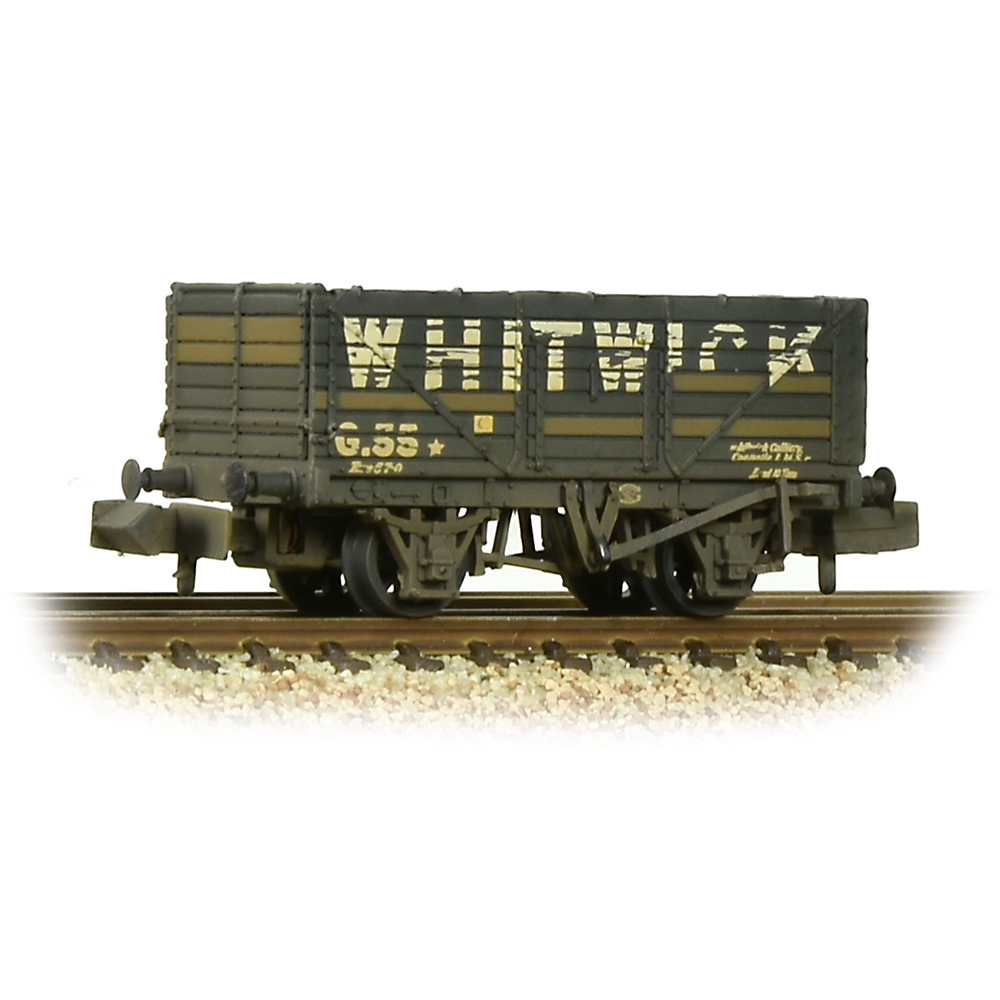
Our Price:
£20.65
£20.65