
Search results
 371-334
Class 150/2 2-Car DMU 150236 Arriva Trains Wales
 'N' Gauge
 Released: 15/03/22
 DCC Ready (6 Pin)
 Era 9
Era 9The British Rail Class 150 Sprinter is a class of diesel multiple-unit passenger trains built by BREL York from 1984 to 1987. A total of 137 units were produced in three main subclasses, replacing many of the earlier, first-generation "Heritage" DMUs. The first subclass, 150/0 comprised a pair of prototype units.
The second batch, of fifty units, was classified 150/1 and numbered in the range 150101-150. Like the prototype units, they did not have front-end gangway connections which allowed passengers to move between units working in multiple. Originally based at Derby Etches Park depot, these units were introduced in 1986, mainly concentrated around Birmingham and Manchester, and in later years restricted mainly to commuter services. Today the entire fleet is concentrated on the Northern franchise, mainly working around Manchester to places like Buxton, Sheffield, Liverpool, Southport and Carnforth.
The final batch of 85 two-car units were built with front-end gangway connections. These units were classified as Class 150/2 and numbered in the range 150201-285. They were used on longer-distance services. The 150/2s have operated in Scotland, Wales, the West of England and the North.

Our Price:
£203.95
£203.95
371-334SFClass 150/2 2-Car DMU 150236 Arriva Trains Wales
'N' GaugeReleased: 15/03/22DCC FittedEra 9SOUNDS
F0 - Lights - On/Off
F1 - On - Engine Start Up / Off - Engine Shut Down
F2 - Brake
F3 - Single Horn (Speed Related)
F4 - Two-Tone Horns (Speed Related)
F5* - Cold Start/Light Load
F6 - Engine Idle/Coasting
F7 - Flange Squeal (Speed Related)
F8** - On - Door Opening Sequence / Off - Door Closing Sequence
F9 - Detonators (Speed Related)
F10 - Guard’s Whistle
F11 - On - Guard’s Buzzer / Off - Driver’s Response
F12 - On - Guard’s Double Buzzer / Off - Driver’s Response
F13 - Engine Speed Up
F14 - AWS
F15 - Fire Bell
F16 - Forced Air Ventilation
F17 - Windscreen Wipers
F18** - On - Crew Door Opening / Off - Crew Door Closing
F19 - Fade All Sounds
F20 - Power Car - Directional Lights Off
F21 - Trailer Car - Directional Lights Off
F22 - Station Ambience
F23 - Remote Telephone Test
F27 - Volume Down
F28 - Volume Up
* Cold Start, F5 on Before F1. Engines will crank for longer before starting.
** The DMU will not move whilst doors are open, the doors also cannot be opened whilst the model us moving.
Analogue Users: Please note that normal load running sounds and any other automatic or randomised sounds will also operate when this model is used on analogue control (DC) straight from the box!
The British Rail Class 150 Sprinter is a class of diesel multiple-unit passenger trains built by BREL York from 1984 to 1987. A total of 137 units were produced in three main subclasses, replacing many of the earlier, first-generation "Heritage" DMUs. The first subclass, 150/0 comprised a pair of prototype units.
The second batch, of fifty units, was classified 150/1 and numbered in the range 150101-150. Like the prototype units, they did not have front-end gangway connections which allowed passengers to move between units working in multiple. Originally based at Derby Etches Park depot, these units were introduced in 1986, mainly concentrated around Birmingham and Manchester, and in later years restricted mainly to commuter services. Today the entire fleet is concentrated on the Northern franchise, mainly working around Manchester to places like Buxton, Sheffield, Liverpool, Southport and Carnforth.
The final batch of 85 two-car units were built with front-end gangway connections. These units were classified as Class 150/2 and numbered in the range 150201-285. They were used on longer-distance services. The 150/2s have operated in Scotland, Wales, the West of England and the North.

Our Price:
£288.95
£288.95
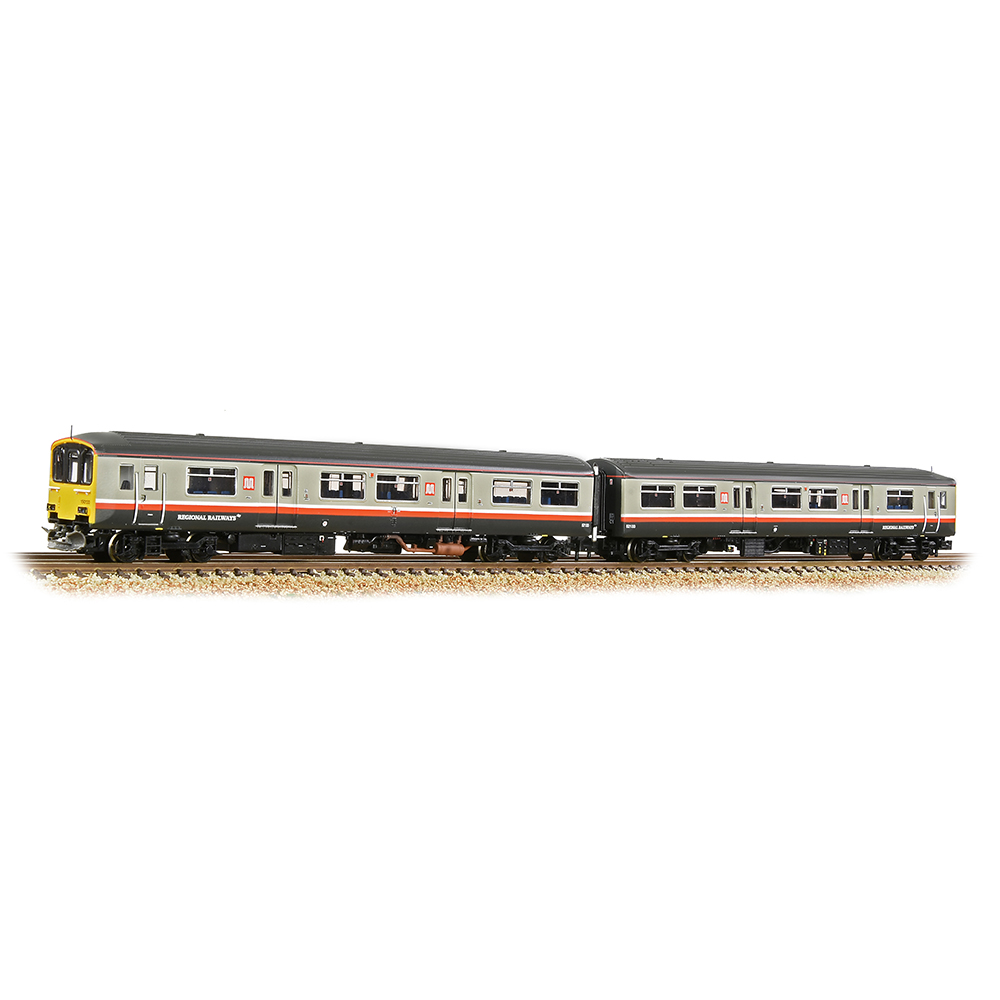
371-336Class 150/1 2-Car DMU 150133 BR GMPTE (Regional Railways)
'N' GaugeReleased: 15/03/22DCC Ready (6 Pin)Era 8CLASS 150 DMU HISTORY
The British Rail Class 150 ‘Sprinter’ is a class of diesel multiple unit passenger train built by BREL York from 1984 to 1987. A total of 137 units were produced in three main subclasses, replacing many of the earlier, first generation ‘heritage’ DMUs. The first subclass, the 150/0, comprised a pair of prototype units.
The second batch which comprised fifty units was classified 150/1s and numbered in the range 150101-150. Like the prototype units, they did not have front-end corridor connectors which are fitted to allow passengers to move between units when working in multiple. Originally based at Derby Etches Park depot, these units were introduced in 1986, mainly concentrated around Birmingham and Manchester, and in later years restricted mainly to commuter services. Today the entire fleet is concentrated on the Northern franchise, mainly working around Manchester to places like Buxton, Sheffield, Liverpool, Southport and Carnforth.
The final batch of 85 two car units were built with front-end corridor connectors. These units were classified as Class 150/2s and numbered in the range 150201-285. The Class 150/2s were used on longer-distance services and have operated in Scotland, Wales, the West of England and the North.
Our Price:
£203.95
£203.95
371-336SFClass 150/1 2-Car DMU 150133 BR GMPTE (Regional Railways)
'N' GaugeReleased: 15/03/22DCC FittedDCC SoundEra 8SOUNDS
F0 - Lights - On/Off
F1 - On - Engine Start Up / Off - Engine Shut Down
F2 - Brake
F3 - Single Horn (Speed Related)
F4 - Two-Tone Horns (Speed Related)
F5* - Cold Start/Light Load
F6 - Engine Idle/Coasting
F7 - Flange Squeal (Speed Related)
F8** - On - Door Opening Sequence / Off - Door Closing Sequence
F9 - Detonators (Speed Related)
F10 - Guard’s Whistle
F11 - On - Guard’s Buzzer / Off - Driver’s Response
F12 - On - Guard’s Double Buzzer / Off - Driver’s Response
F13 - Engine Speed Up
F14 - AWS
F15 - Fire Bell
F16 - Forced Air Ventilation
F17 - Windscreen Wipers
F18** - On - Crew Door Opening / Off - Crew Door Closing
F19 - Fade All Sounds
F20 - Power Car - Directional Lights Off
F21 - Trailer Car - Directional Lights Off
F22 - Station Ambience
F23 - Remote Telephone Test
F27 - Volume Down
F28 - Volume Up
* Cold Start, F5 on Before F1. Engines will crank for longer before starting.
** The DMU will not move whilst doors are open, the doors also cannot be opened whilst the model us moving.
Analogue Users: Please note that normal load running sounds and any other automatic or randomised sounds will also operate when this model is used on analogue control (DC) straight from the box!
CLASS 150 DMU HISTORY
The British Rail Class 150 ‘Sprinter’ is a class of diesel multiple unit passenger train built by BREL York from 1984 to 1987. A total of 137 units were produced in three main subclasses, replacing many of the earlier, first generation ‘heritage’ DMUs. The first subclass, the 150/0, comprised a pair of prototype units.
The second batch which comprised fifty units was classified 150/1s and numbered in the range 150101-150. Like the prototype units, they did not have front-end corridor connectors which are fitted to allow passengers to move between units when working in multiple. Originally based at Derby Etches Park depot, these units were introduced in 1986, mainly concentrated around Birmingham and Manchester, and in later years restricted mainly to commuter services. Today the entire fleet is concentrated on the Northern franchise, mainly working around Manchester to places like Buxton, Sheffield, Liverpool, Southport and Carnforth.
The final batch of 85 two car units were built with front-end corridor connectors. These units were classified as Class 150/2s and numbered in the range 150201-285. The Class 150/2s were used on longer-distance services and have operated in Scotland, Wales, the West of England and the North.

Our Price:
£288.95
£288.95
373-216A24T Iron Ore Hopper BR Bauxite (Early) [W]
'N' GaugeReleased: 15/03/22Era 4
Our Price:
£24.25
£24.25
373-218A24T Iron Ore Hopper BR Grey (Early) [W]
'N' GaugeReleased: 15/03/22Era 4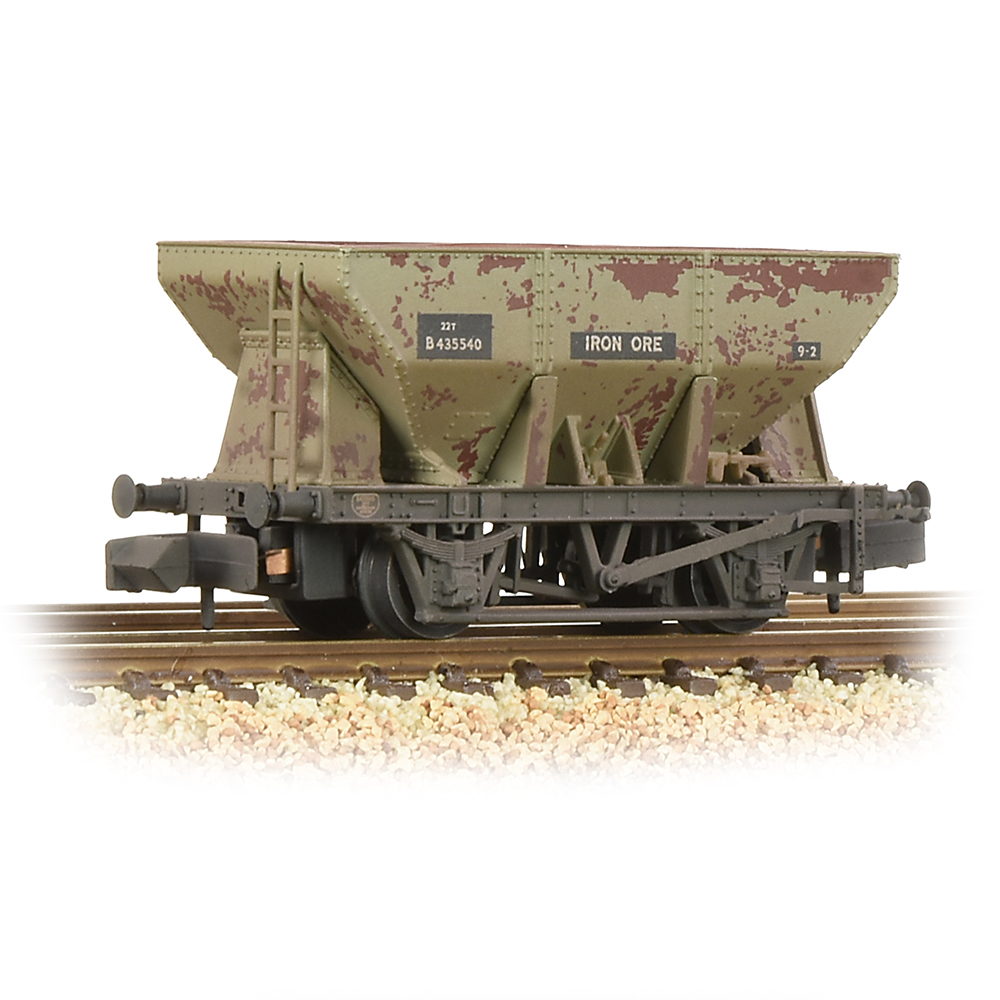
Our Price:
£24.25
£24.25
373-21924T Iron Ore Hopper 'B.I.S.C. Iron Ore' Red
'N' GaugeReleased: 15/03/22Era 3
Our Price:
£22.45
£22.45
377-675BJPA Bogie Cement Tank Wagon VTG 'Lafarge Cement' Silver
'N' GaugeReleased: 15/03/22Era 9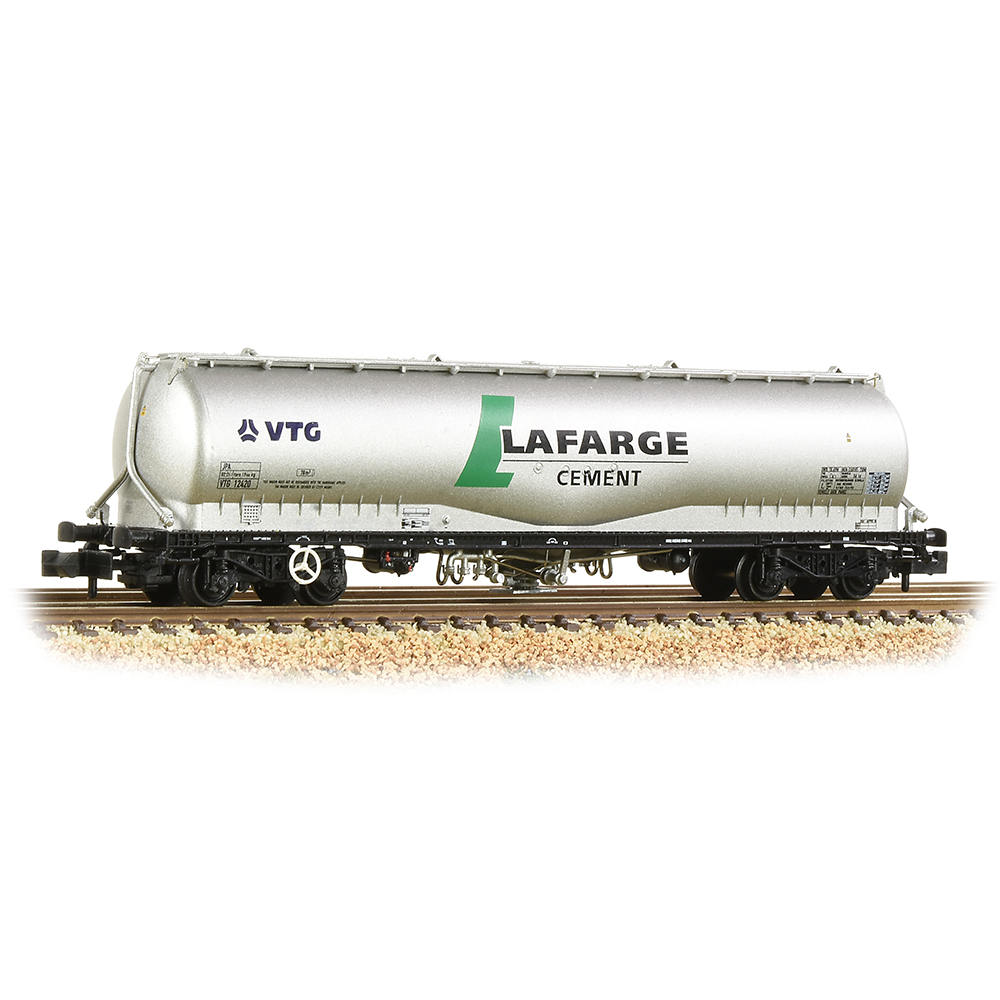
Our Price:
£44.05
£44.05
377-676BJPA Bogie Cement Tank Wagon VTG 'Castle Cement' Grey
'N' GaugeReleased: 15/03/22Era 9
Our Price:
£44.05
£44.05
 38-014
MFA Open Wagon Ex-Mainline Freight (EWS) [W]
'OO' GaugeReleased: 15/03/22Era 9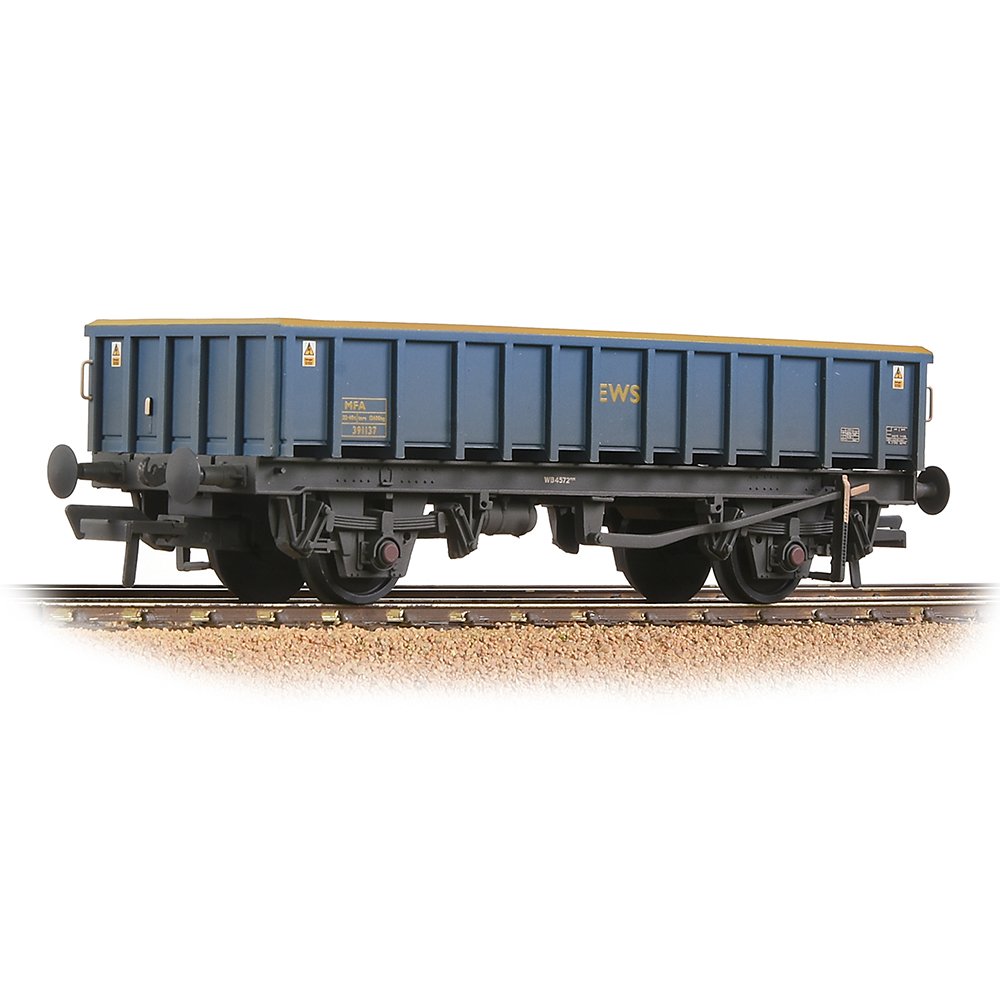
Our Price:
£26.95
£26.95
38-015MFA Open Wagon BR Railfreight Coal Sector [W, WL]
'OO' GaugeReleased: 15/03/22Era 8
Our Price:
£26.95
£26.95
38-022CEA Covered Hopper EWS (Unbranded)
'OO' GaugeReleased: 15/03/22Era 9
Our Price:
£31.45
£31.45
38-053MTA Open Wagon EWS Grey & Yellow [W]
'OO' GaugeReleased: 15/03/22Era 9
Our Price:
£32.35
£32.35
38-154BR BDA Bogie Bolster BR Bauxite (TOPS) [W]
'OO' GaugeReleased: 15/03/22Era 7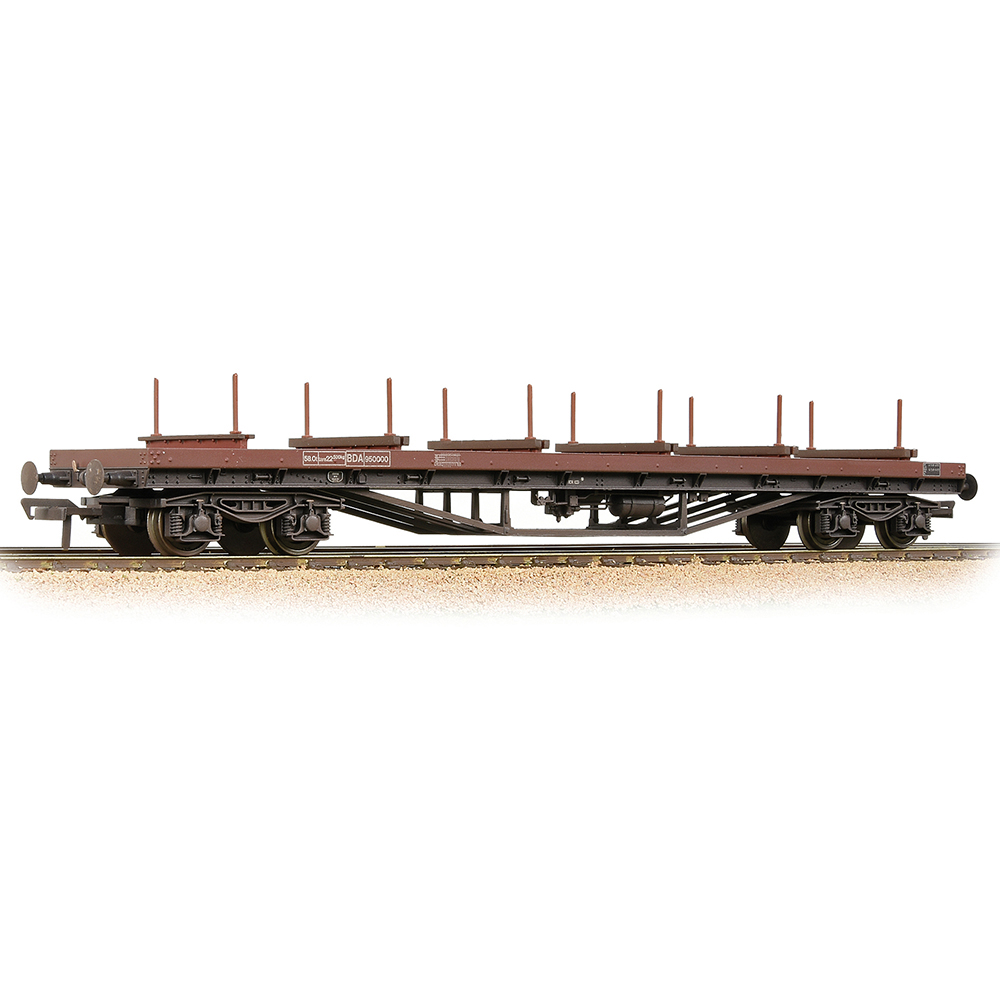
Our Price:
£44.95
£44.95
38-157BR BDA Bogie Bolster Loadhaul [WL]
'OO' GaugeReleased: 15/03/22Era 8
Our Price:
£44.95
£44.95
38-678A Shunters Truck BR Departmental Black
'OO' GaugeReleased: 15/03/22Era 4
Our Price:
£33.25
£33.25
38-870BR 12T 'Vanwide' Ventilated Van BR Bauxite (Early)
Released: 15/03/22Era 5
Our Price:
£35.95
£35.95
38-871BR 12T 'Vanwide' Ventilated Van BR Bauxite (Late) (VANWIDE)
'OO' GaugeReleased: 15/03/22Era 6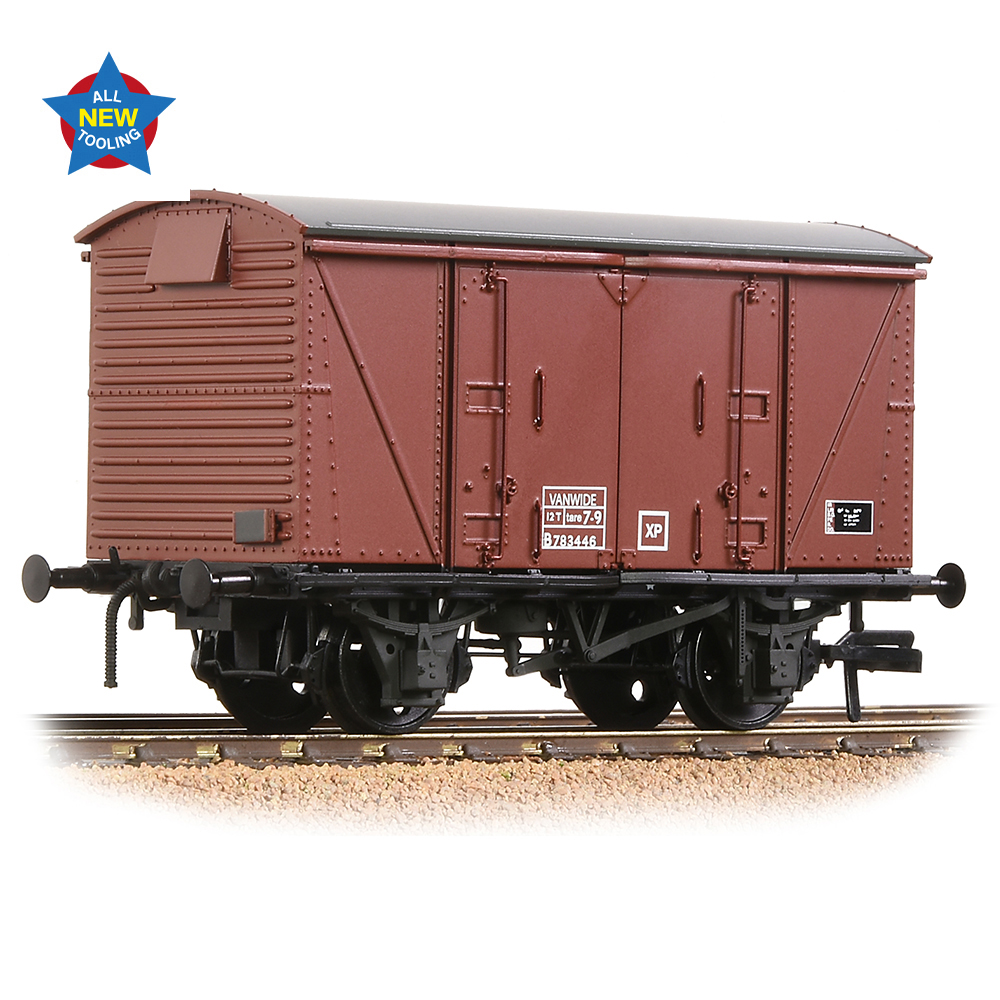
Our Price:
£35.95
£35.95
38-872BR 12T 'Vanwide' Ventilated Van BR Bauxite (Late) (VAN)
'OO' GaugeReleased: 15/03/22Era 6
Our Price:
£35.95
£35.95
38-873BR 12T 'Vanwide' Ventilated Van BR Bauxite (TOPS) [W]
'OO' GaugeReleased: 15/03/22Era 7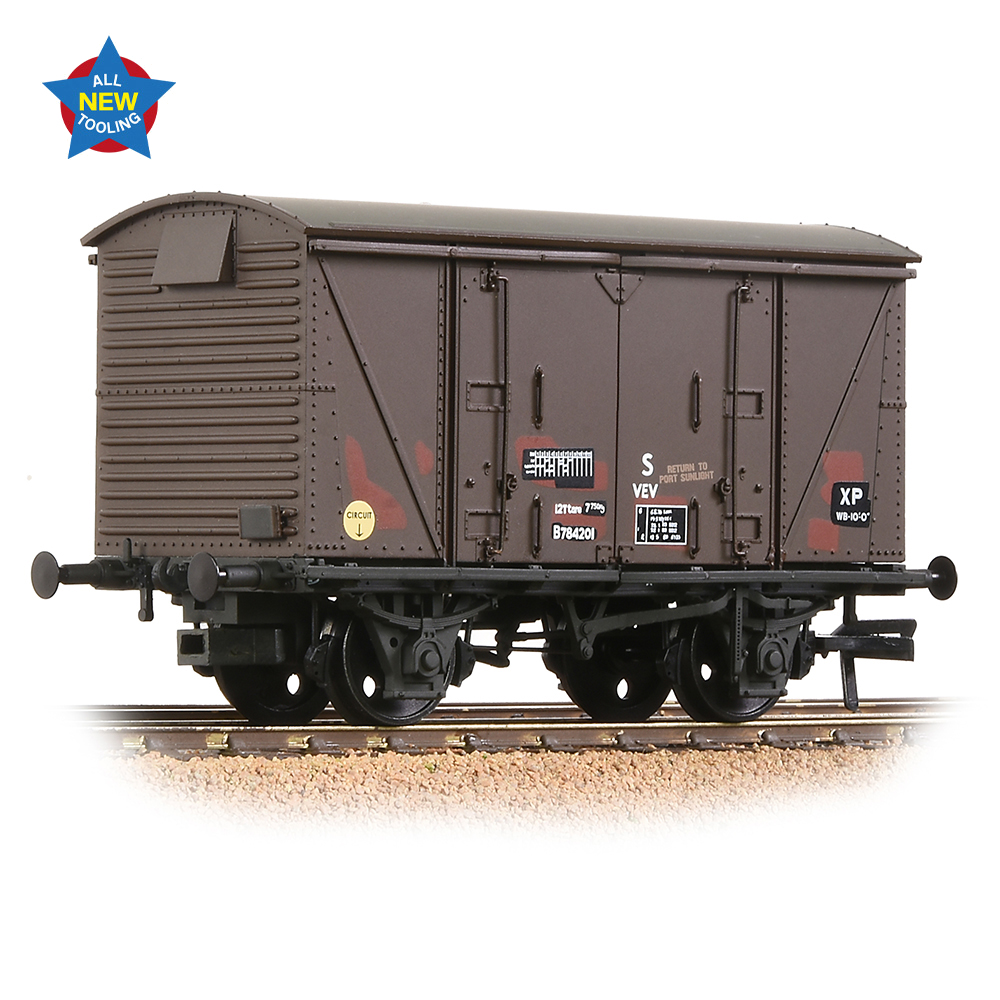
Our Price:
£35.95
£35.95