
Search results
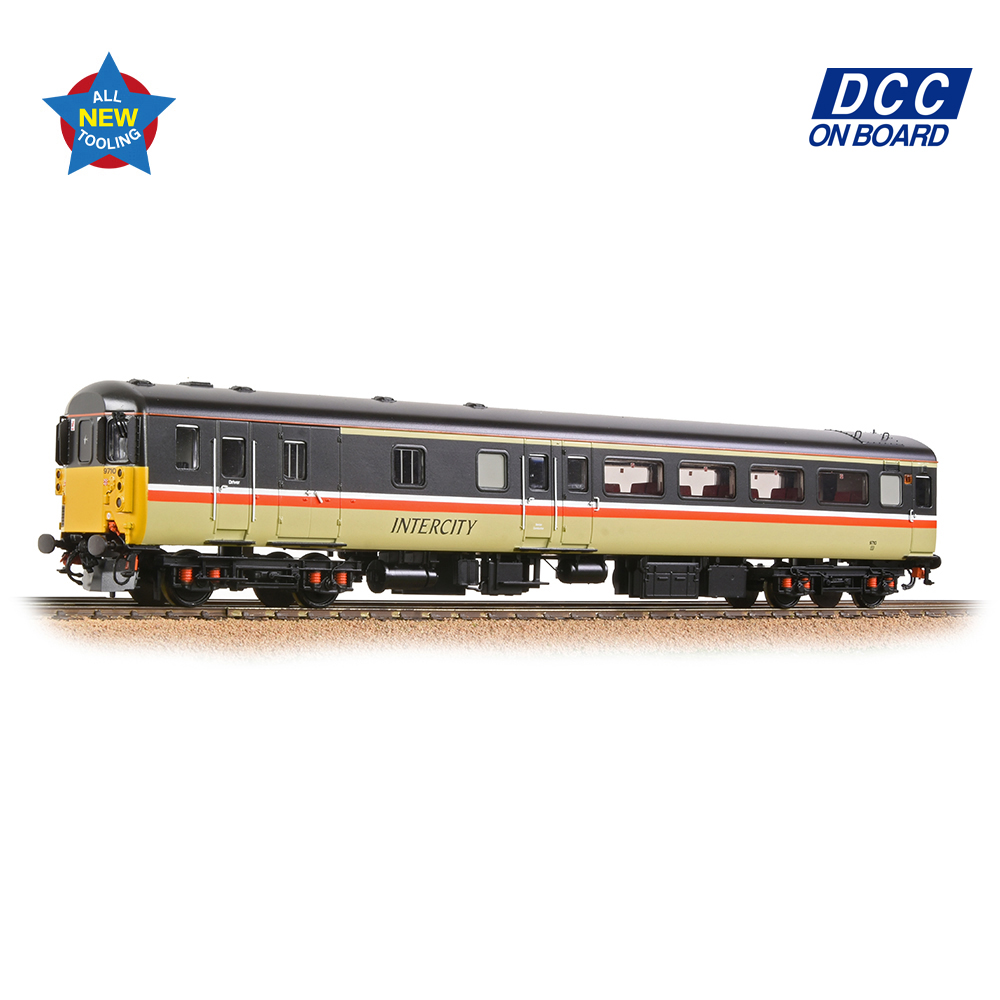
 39-735DC
BR Mk2F DBSO (Refurb.) Driving Brake Sec. Open BR InterCity (Swallow)
 'OO' Gauge
 Released: 22/06/22
 DCC Fitted
 Era 8
Era 8MODEL FEATURES:
Bachmann Branchline OO Scale
Era 8
Pristine InterCity (Swallow) livery
Running No. 9710
Accessory Pack including Obstacle Deflectors
NEM Coupling Pockets
Close Coupling Mechanism
Length 270mm
Directional Lighting
Interior Lighting
Door Interlock Lighting (when used on DCC)
DCC-control of all lighting via the integrated DCC decoder
Our Price:
£134.95
£134.95
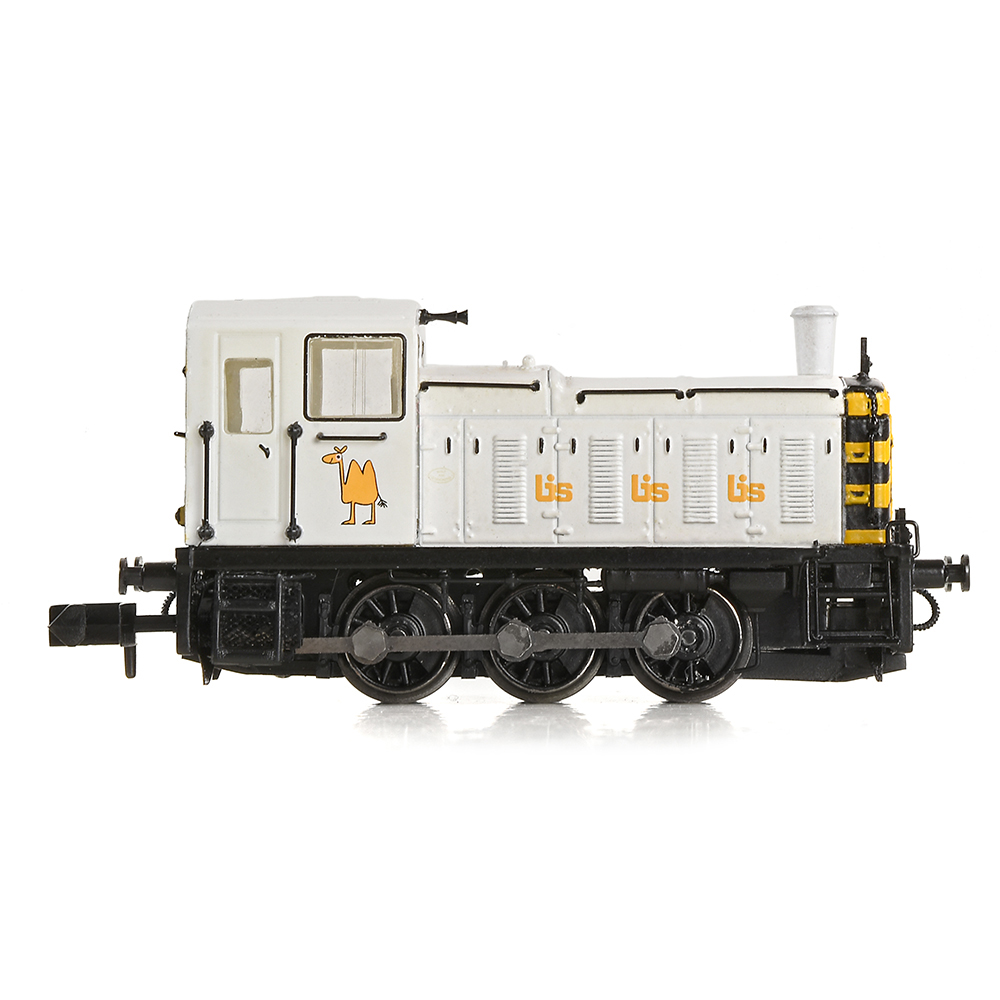
 371-065
Class 03 Ex-D2054 British Industrial Sand White
'N' GaugeReleased: 27/06/22DCC Ready (6 Pin)Era 7CLASS 03 HISTORY
The Class 03 diesel shunters were introduced between 1957 and 1962 and with 230 built, the type was one of BR's most successful small 0-6-0 diesel-mechanical shunters and was adopted as BR’s standard small shunter. A development of the Class 04 ‘Drewry’ shunter, construction was shared between British Railways' Swindon Works and Doncaster Works and initial allocations for the class covered all regions except Scotland. Shunting was the main employment, with their short wheelbase and light weight making them particularly useful in areas where weight restrictions or tight trackwork existed. Examples were also assigned to station pilot duties and due to the short wheelbase, it was common for them to be coupled to a ‘shunter’s truck’ or ‘runner wagon’ to ensure sufficient length for reliable operation of track circuits.
Weighing in at 30 Tons, some 18 Tons less than the Class 08 diesel shunter, the Class 03’s were fitted with Gardner engines and their distinctive jackshaft drive arrangement gave the locomotives a top speed of 28½ mph. Despite their usefulness, a downturn in shunting requirements meant that withdrawals began in 1968, although the last remained in service on mainland Britain until 1987. Two examples operated on the Isle of Wight, with lowered cab roofs to account for the restricted loading gauge, and these remained in traffic on the island until 1993. One of these Isle of Wight locos, No. 03179, was resurrected by West Anglia Great Northern in 1998 to shunt their Hornsey Depot. Subsequently operated by First Capital Connect, the loco was finally withdrawn in 2008 after which the locomotive was preserved bringing the total number of surviving examples to 56.
Our Price:
£118.95
£118.95
35-335Class 37/4 Refurbished 37430 'Cwmbran' BR Blue (Large Logo)
'OO' GaugeReleased: 25/07/22DCC Ready (PluX22)Era 8CLASS 37 HISTORY
The British Rail 1955 Modernisation Plan paved the way for the large-scale replacement of steam traction with diesel locomotives, and one of the most successful diesel locomotive designs to result from this was the English Electric Type 3. These 1,700hp Types 3 diesel-electric locomotives were built at English Electric’s Vulcan Foundry and by Robert Stephenson & Hawthorns between 1960 and 1965, with 309 examples produced in total. When TOPS was implemented the type was designated Class 37.
The class proved popular with railwaymen and so in 1985, a major refurbishment programme for the Class 37 locomotives was sanctioned to extend the working lives of 135 locomotives. Features of the refurbishment involved plating over the four-character head codes and sealing off the nose end communication doors. Dedicated freight locomotives received lower gearing to increase the tractive effort, and some were fitted with extra ballast or even more powerful engines. A new subclass was created for locomotives refurbished with Electric Train Heating (ETH) equipment, allowing their use on passenger trains the whole year-round.
With the sectorisation of British Rail taking hold in the early-1980s, the locomotives returned to traffic following refurbishment in a wide and diverse range of liveries. Passenger machines appeared in BR Blue Large Logo, InterCity and Regional Railways schemes to name just three, whilst freight engines received numerous varieties of Railfreight livery, Transrail, Mainline and Loadhaul. The Class continued to be widely used into the Privatisation-era, with examples operating for the likes of EWS, DRS, West Coast Railways and Colas, whilst others have received ‘retro’ heritage repaints.

Our Price:
£208.20
£208.20
 R619
R619Track Planning Symbols
Released: 04/08/22Before you spend money on the real track: model your track layout ideas with these quarter scale track section replicas. Sections clip together to build your layout in miniature. Pack contains more than 100 track pieces, representing most types of section that you may use.

Our Price:
£9.99
£9.99
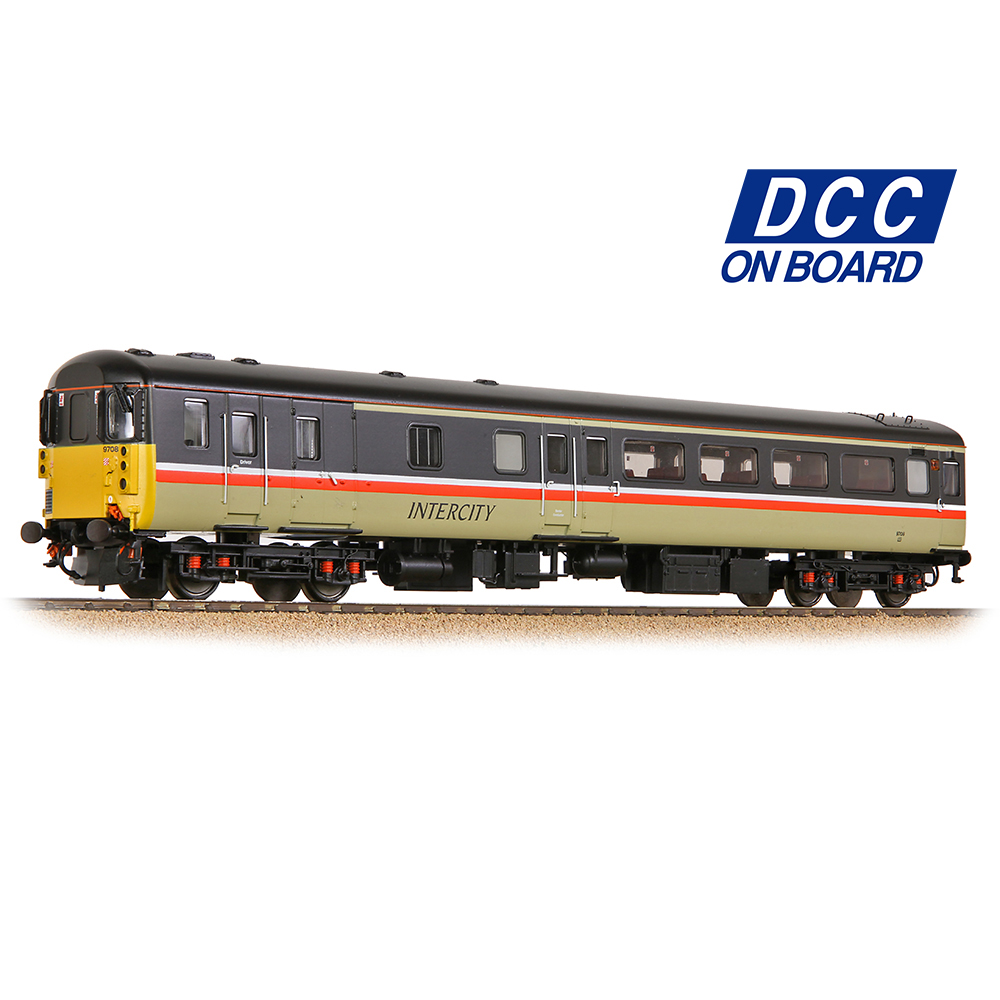
39-735ADCBR Mk2F DBSO (Refurb.) Driving Brake Sec. Open BR InterCity (Swallow)
'OO' GaugeReleased: 09/08/22DCC FittedEra 8MODEL FEATURES:
Bachmann Branchline OO Scale
Era 8
Pristine InterCity (Swallow) livery
Running No. 9708
Accessory Pack including Obstacle Deflectors
NEM Coupling Pockets
Close Coupling Mechanism
Length 270mm
Directional Lighting
Interior Lighting
Door Interlock Lighting (when used on DCC)
DCC-control of all lighting via the integrated DCC decoder
Our Price:
£134.95
£134.95
374-314BR Mk1 57ft 'Suburban' BS Brake Second BR Departmental Yellow
'N' GaugeReleased: 17/08/22Era 7
Our Price:
£28.75
£28.75
R40187Transport for Wales, Mk4 Standard, 12447
'OO' GaugeReleased: 17/08/22Era 11
Our Price:
£40.49
£40.49
R40187ATransport for Wales, Mk4 Standard, 12454
'OO' GaugeReleased: 17/08/22Era 11
Our Price:
£40.49
£40.49
37-625ABRA Steel Carrier EWS
'OO' GaugeReleased: 29/08/22Era 9
Our Price:
£44.95
£44.95
37-629ABRA Steel Carrier (Ex-EWS) DB Schenker [W]
'OO' GaugeReleased: 29/08/22Era 10
Our Price:
£48.55
£48.55
37-712D8T Cattle Wagon BR Bauxite (Late)
'OO' GaugeReleased: 29/08/22Era 5
Our Price:
£26.05
£26.05
377-328CConflat Wagon BR Bauxite (Early) with BR Crimson BD Container [W, WL]
'N' GaugeReleased: 29/08/22Era 4/5
Our Price:
£22.45
£22.45
377-330Conflat Wagon BR Bauxite (Early) with 'Pickfords' BD Container [WL]
'N' GaugeReleased: 29/08/22Era 4
Our Price:
£20.65
£20.65
377-331Conflat Wagon BR Bauxite (Early) with 'Door-To-Door' BD Cont. [W, WL]
'N' GaugeReleased: 29/08/22Era 5/6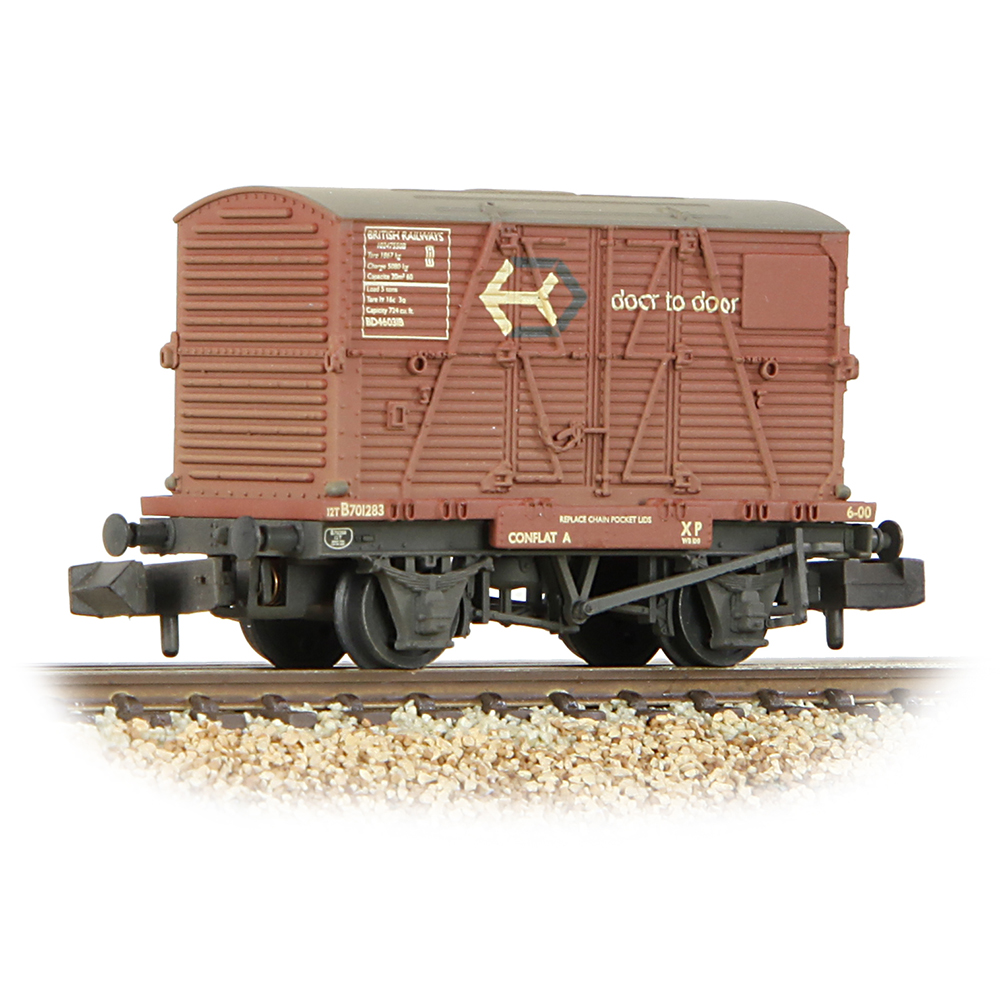
Our Price:
£22.45
£22.45
377-340BConflat Wagon BR Bauxite (Early) with 2 BR White AF Containers [W, WL]
'N' GaugeReleased: 29/08/22Era 4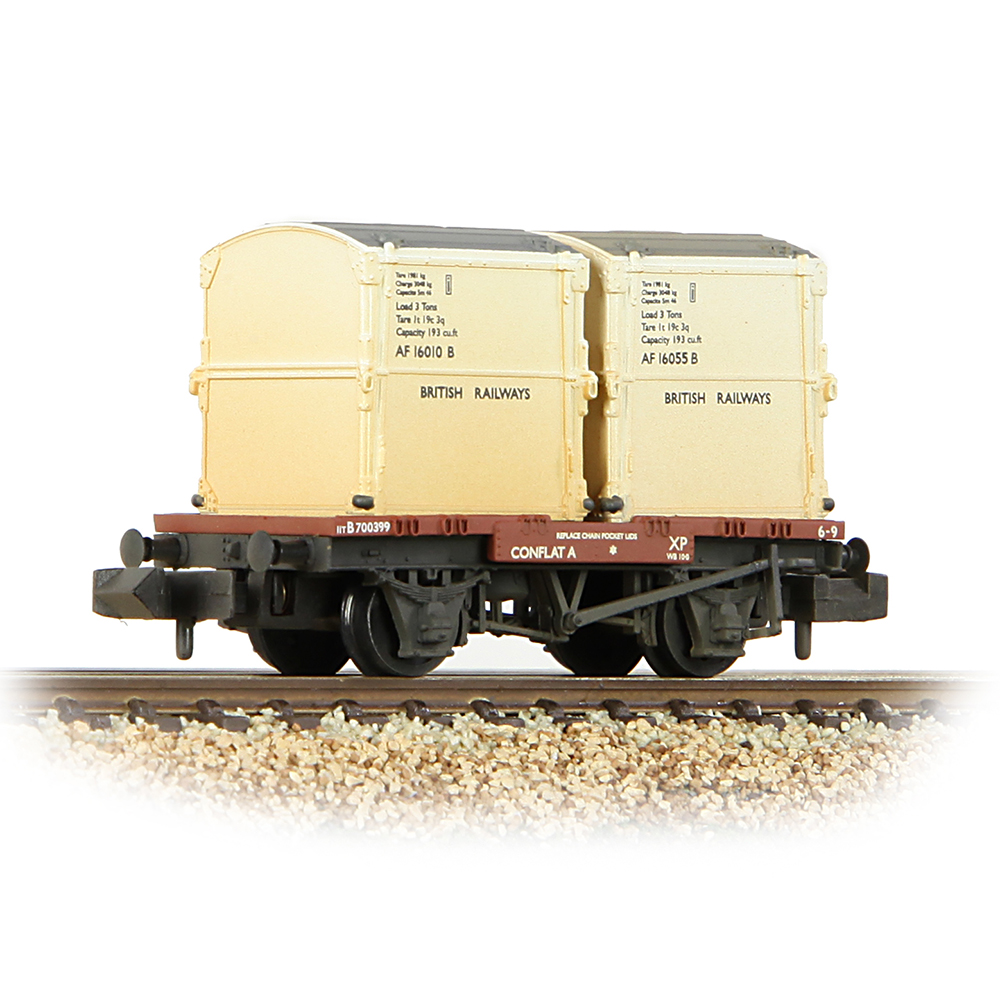
Our Price:
£24.25
£24.25
377-343BR Ex-Conflat Runner Wagon BR Yellow & Black Wasp Stripes
'N' GaugeReleased: 29/08/22Era 7
Our Price:
£17.95
£17.95
38-701ABR 12T Pipe Wagon BR Bauxite (Late) [W]
'OO' GaugeReleased: 29/08/22Era 5
Our Price:
£31.45
£31.45
38-703BR 12T Pipe Wagon BR Bauxite (TOPS)
'OO' GaugeReleased: 29/08/22Era 7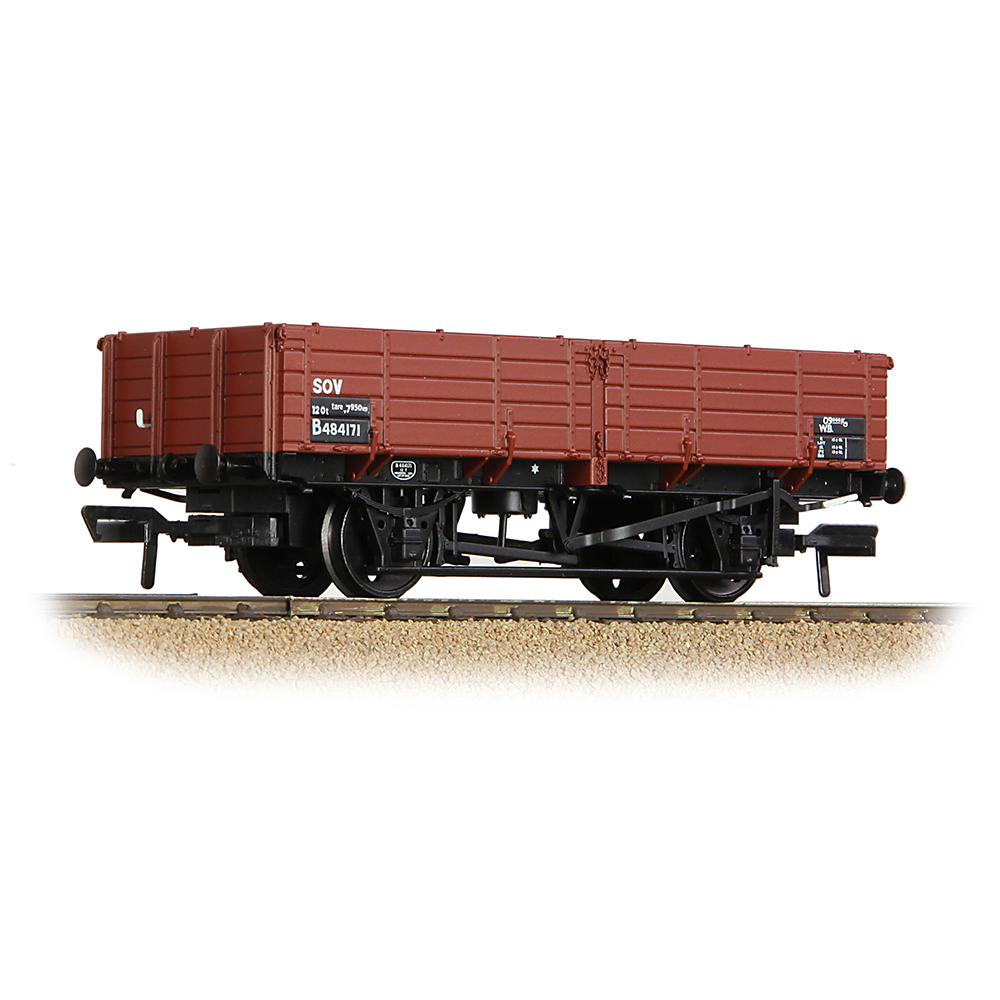
Our Price:
£28.75
£28.75
38-752ABR 22T Tube Wagon BR Bauxite (Late) [W]
'OO' GaugeReleased: 29/08/22Era 5
Our Price:
£37.75
£37.75
38-753BR 22T Tube Wagon BR Bauxite (TOPS)
'OO' GaugeReleased: 29/08/22Era 7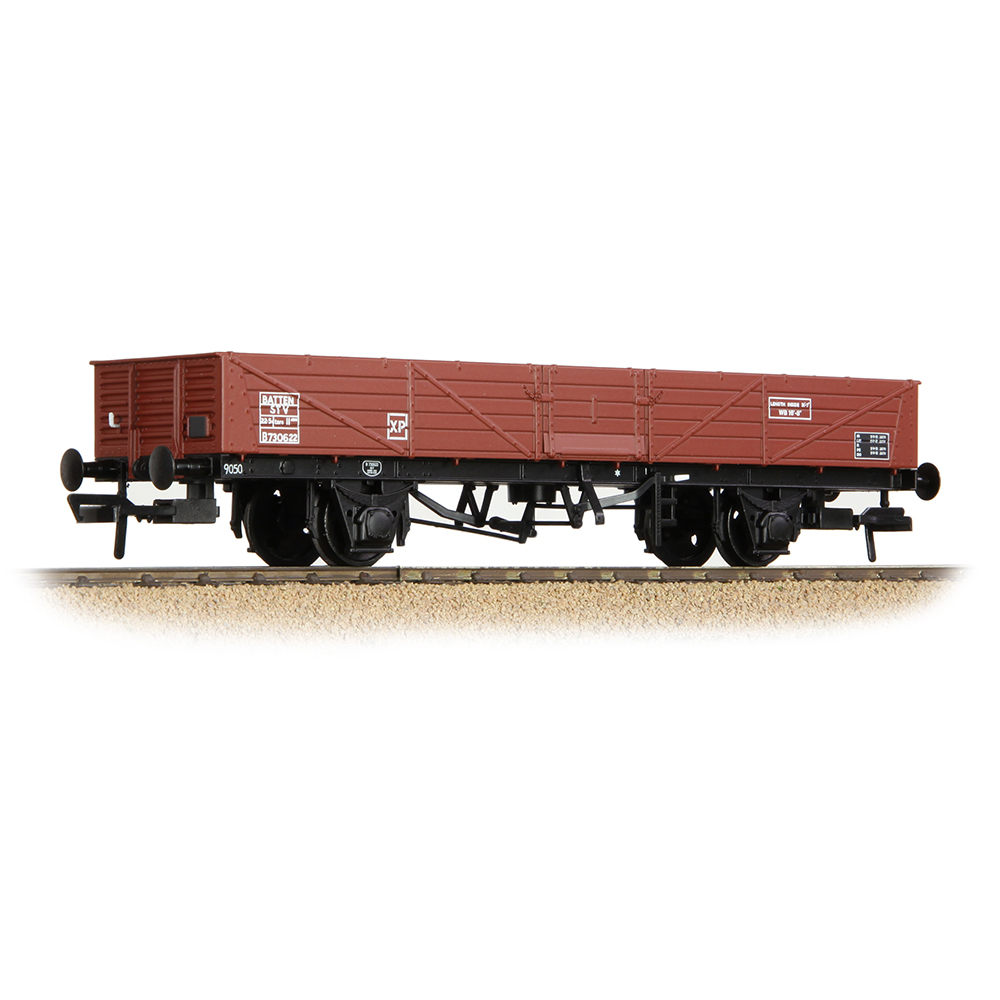
Our Price:
£35.95
£35.95