
Search results
 34-437
Thompson Brake Composite Corridor BR Maroon
 'OO' Gauge
 Released: 30/03/23
 Era 5
Era 5Entering traffic just after World War Two, the Thompson coaches were the last mainline corridor coaches to be built by the LNER, and indeed examples continued to be outshopped after Nationalisation in 1948. Utilising steel panelling, a departure from the teak panelling traditionally seen on coaches built by the LNER and its predecessors, the Thompson coaches were sleek and modern in appearance. Whilst much of the fleet would remain in service until the final days of steam, many of their hallmarks would also be seen in their successors, the British Railway Mark 1 Standard Coaching Stock.

Our Price:
£62.95
£62.95
34-437AThompson Brake Composite Corridor BR Maroon
'OO' GaugeReleased: 30/03/23Era 5Entering traffic just after World War Two, the Thompson coaches were the last mainline corridor coaches to be built by the LNER, and indeed examples continued to be outshopped after Nationalisation in 1948. Utilising steel panelling, a departure from the teak panelling traditionally seen on coaches built by the LNER and its predecessors, the Thompson coaches were sleek and modern in appearance. Whilst much of the fleet would remain in service until the final days of steam, many of their hallmarks would also be seen in their successors, the British Railway Mark 1 Standard Coaching Stock.

Our Price:
£62.95
£62.95
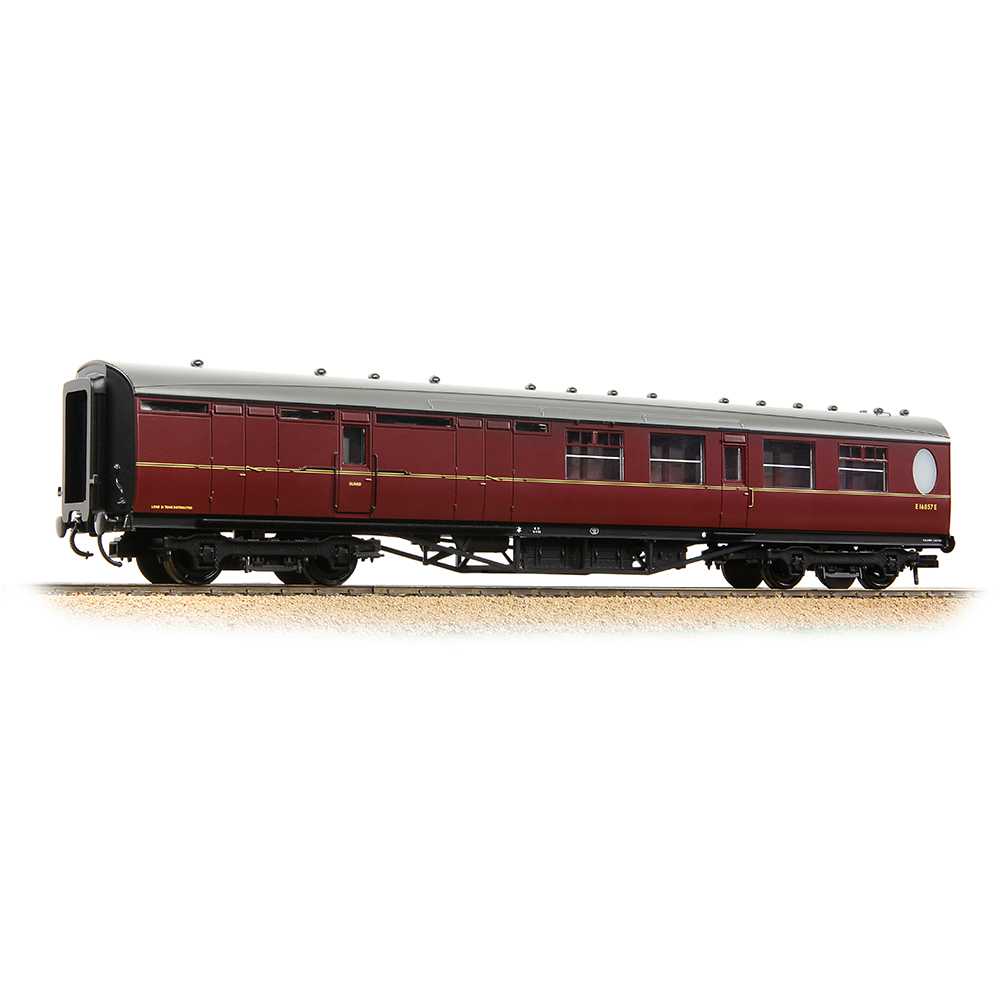
34-462Thompson Brake Second Corridor BR Maroon
'OO' GaugeReleased: 30/03/23Era 5Entering traffic just after World War Two, the Thompson coaches were the last mainline corridor coaches to be built by the LNER, and indeed examples continued to be outshopped after Nationalisation in 1948. Utilising steel panelling, a departure from the teak panelling traditionally seen on coaches built by the LNER and its predecessors, the Thompson coaches were sleek and modern in appearance. Whilst much of the fleet would remain in service until the final days of steam, many of their hallmarks would also be seen in their successors, the British Railway Mark 1 Standard Coaching Stock.
Our Price:
£62.95
£62.95
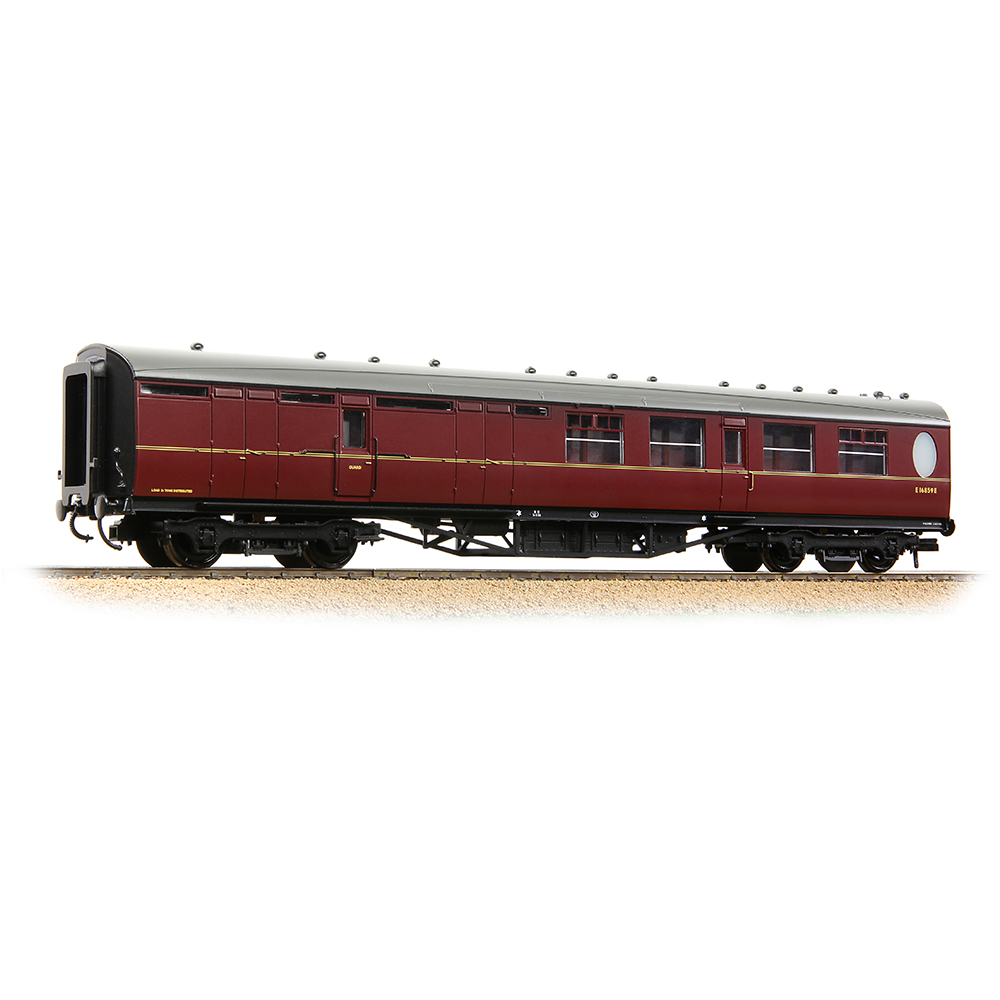
34-462AThompson Brake Second Corridor BR Maroon
'OO' GaugeReleased: 30/03/23Era 5Entering traffic just after World War Two, the Thompson coaches were the last mainline corridor coaches to be built by the LNER, and indeed examples continued to be outshopped after Nationalisation in 1948. Utilising steel panelling, a departure from the teak panelling traditionally seen on coaches built by the LNER and its predecessors, the Thompson coaches were sleek and modern in appearance. Whilst much of the fleet would remain in service until the final days of steam, many of their hallmarks would also be seen in their successors, the British Railway Mark 1 Standard Coaching Stock.
Our Price:
£62.95
£62.95
34-487Thompson First Corridor BR Maroon
'OO' GaugeReleased: 30/03/23Era 5Entering traffic just after World War Two, the Thompson coaches were the last mainline corridor coaches to be built by the LNER, and indeed examples continued to be outshopped after Nationalisation in 1948. Utilising steel panelling, a departure from the teak panelling traditionally seen on coaches built by the LNER and its predecessors, the Thompson coaches were sleek and modern in appearance. Whilst much of the fleet would remain in service until the final days of steam, many of their hallmarks would also be seen in their successors, the British Railway Mark 1 Standard Coaching Stock.

Our Price:
£62.95
£62.95
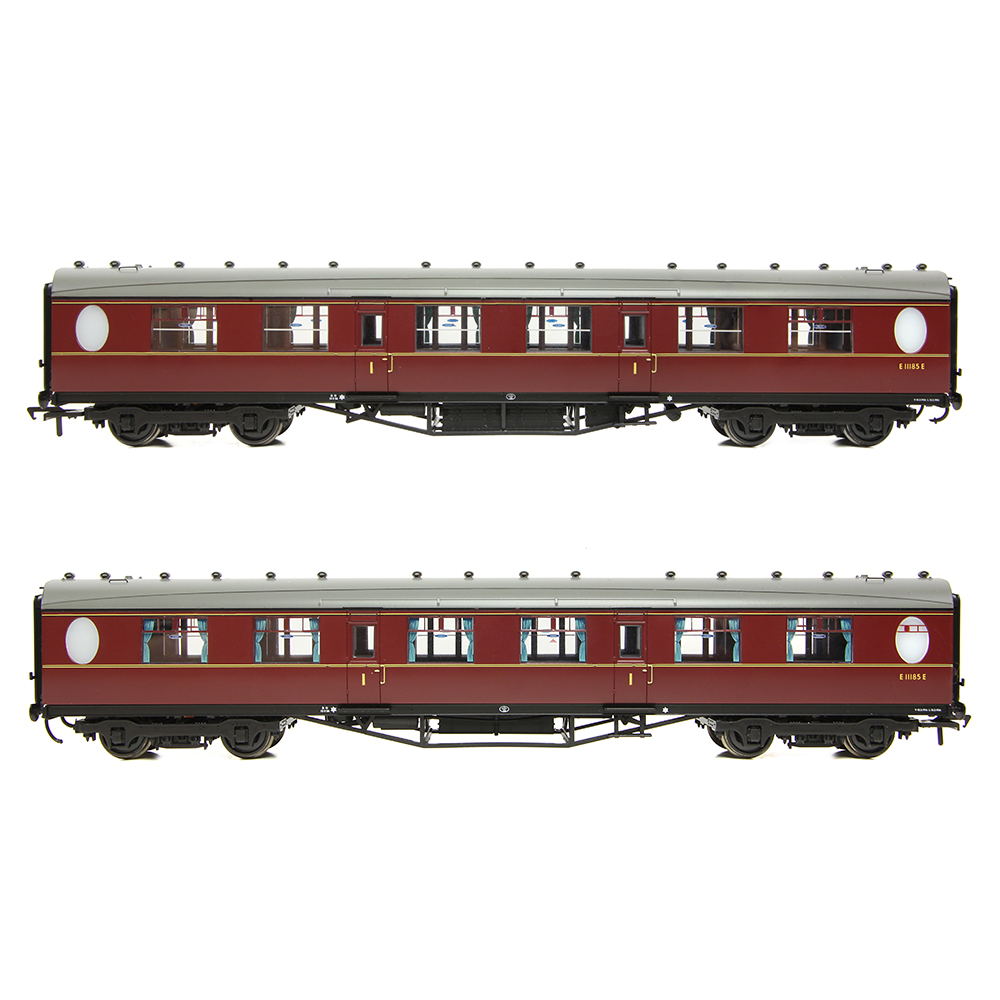
34-487AThompson First Corridor BR Maroon
'OO' GaugeReleased: 30/03/23Era 5Entering traffic just after World War Two, the Thompson coaches were the last mainline corridor coaches to be built by the LNER, and indeed examples continued to be outshopped after Nationalisation in 1948. Utilising steel panelling, a departure from the teak panelling traditionally seen on coaches built by the LNER and its predecessors, the Thompson coaches were sleek and modern in appearance. Whilst much of the fleet would remain in service until the final days of steam, many of their hallmarks would also be seen in their successors, the British Railway Mark 1 Standard Coaching Stock.
Our Price:
£62.95
£62.95
 393-102
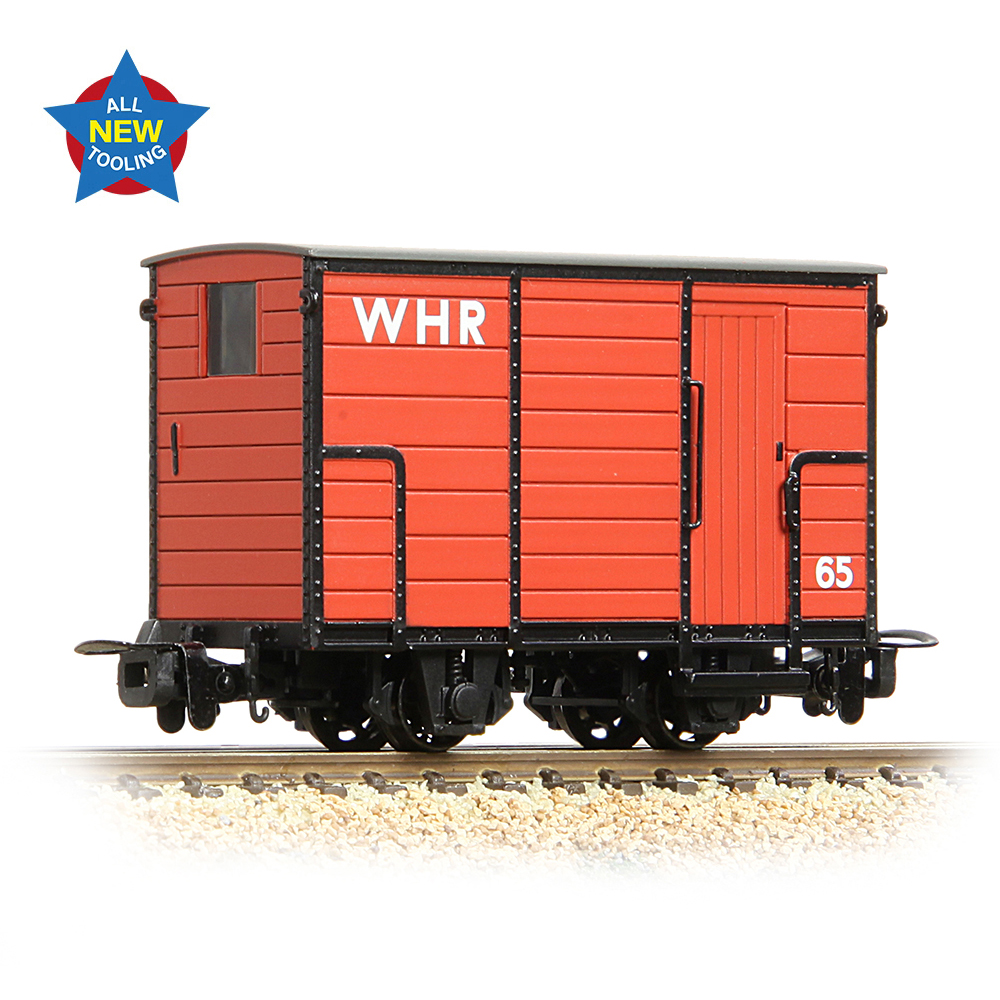
RNAD Enclosed-End Brake Van WHR Red
'OO-9' GaugeReleased: 30/03/23Era 9Royal Navy Armaments Depots (RNAD) were strategic sites located around the UK for the storage and supply of armaments to the Royal Navy and other British and Commonwealth Armed Forces. Usually comprising several underground ‘magazines’, they were usually rail served by the national network and many had internal narrow gauge railway systems in order to aid movements between the standard gauge facility, magazines and workshops. The railways were equipped with their own fleets of locomotives and rolling stock designed specifically for the task in hand. Although some of the railways operated as recently as the early-21st century, as closures occurred stock became redundant however a significant number of items have subsequently entered preservation gaining a new lease of life. This Enclosed-End Brake Van is one such example that once operated at RNAD Trecwn but now can be found on the Welsh Highland Railway carrying the railway’s Red livery.
Our Price:
£26.95
£26.95
393-126RNAD Box Van SR Brown
'OO-9' GaugeReleased: 30/03/23Era 3Royal Navy Armaments Depots (RNAD) were strategic sites located around the UK for the storage and supply of armaments to the Royal Navy and other British and Commonwealth Armed Forces. Usually comprising several underground ‘magazines’, they were usually rail served by the national network and many had internal narrow gauge railway systems in order to aid movements between the standard gauge facility, magazines and workshops. The railways were equipped with their own fleets of locomotives and rolling stock designed specifically for the task in hand. Although some of the railways operated as recently as the early-21st century, as closures occurred stock became redundant however a significant number of items have subsequently entered preservation gaining a new lease of life. This Box Van is decorated in Southern Railway Brown livery, complementing the range of SR-liveried models offered previously by Bachmann Narrow Gauge.

Our Price:
£26.95
£26.95
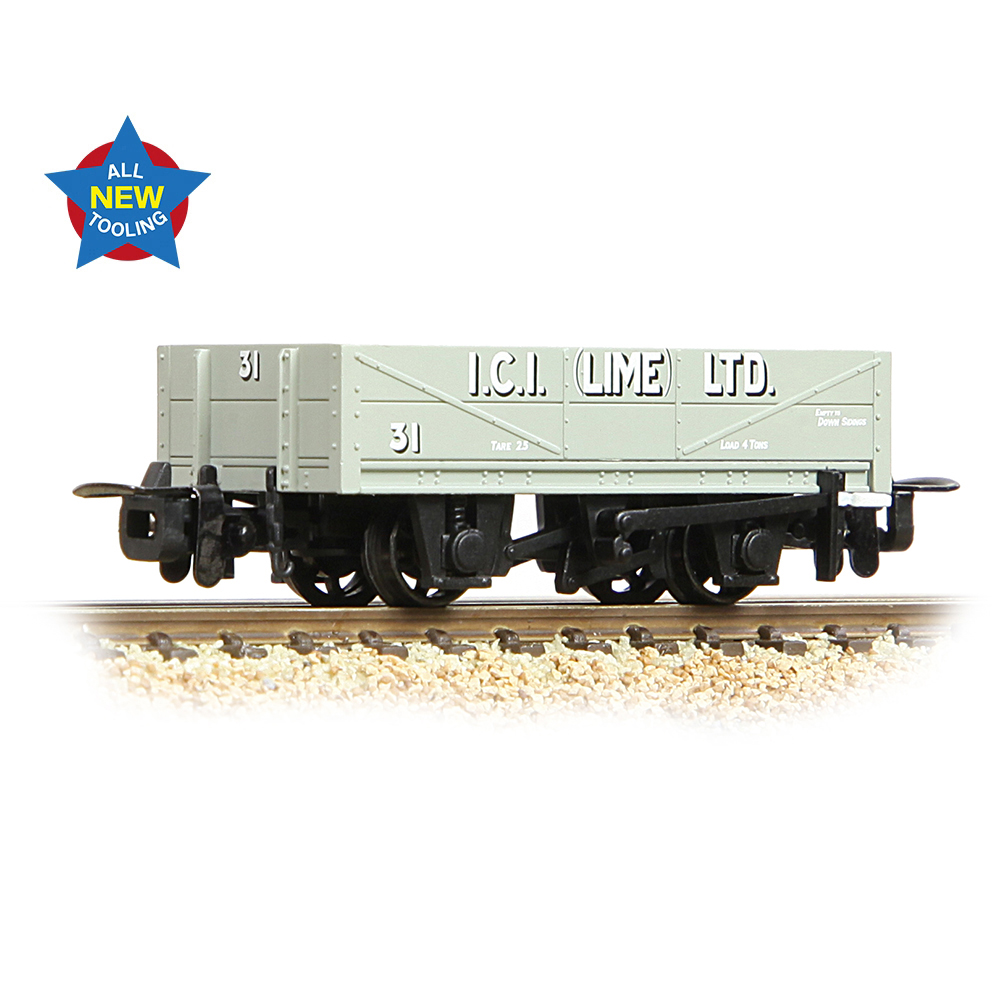
393-152RNAD Rebuilt Open Wagon 'ICI Buxton Lime'
'OO-9' GaugeReleased: 30/03/23Era 3Royal Navy Armaments Depots (RNAD) were strategic sites located around the UK for the storage and supply of armaments to the Royal Navy and other British and Commonwealth Armed Forces. Usually comprising several underground ‘magazines’, they were usually rail served by the national network and many had internal narrow gauge railway systems in order to aid movements between the standard gauge facility, magazines and workshops. The railways were equipped with their own fleets of locomotives and rolling stock designed specifically for the task in hand. Although some of the railways operated as recently as the early-21st century, as closures occurred stock became redundant however a significant number of items have subsequently entered preservation gaining a new lease of life. This Rebuilt Open Wagon is finished in the livery of ICI Buxton Lime, a prominent operator of goods wagons throughout the history of Britain’s railways and the model complements previous Narrow Gauge releases finished in this livery.
Our Price:
£26.95
£26.95
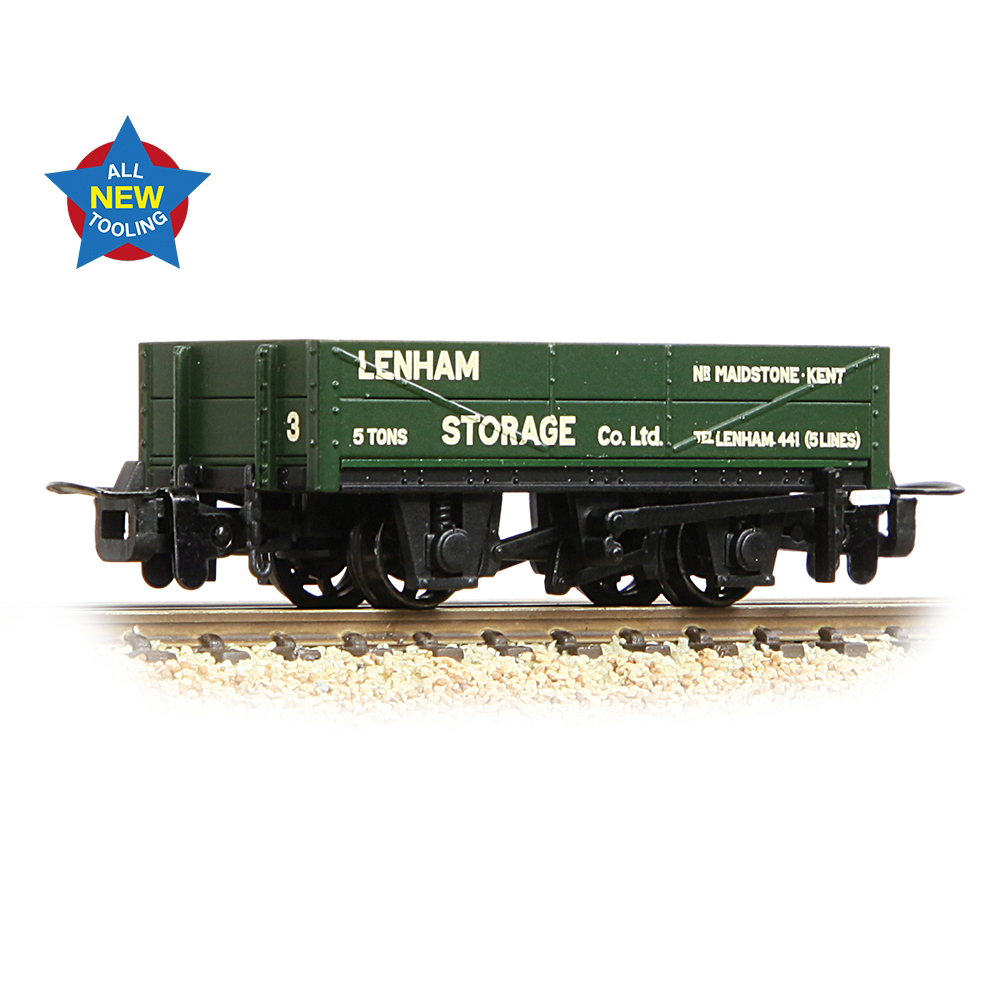
393-153RNAD Rebuilt Open Wagon 'Lenham Storage' Green
'OO' GaugeReleased: 30/03/23Era 9Royal Navy Armaments Depots (RNAD) were strategic sites located around the UK for the storage and supply of armaments to the Royal Navy and other British and Commonwealth Armed Forces. Usually comprising several underground ‘magazines’, they were usually rail served by the national network and many had internal narrow gauge railway systems in order to aid movements between the standard gauge facility, magazines and workshops. The railways were equipped with their own fleets of locomotives and rolling stock designed specifically for the task in hand. Although some of the railways operated as recently as the early-21st century, as closures occurred stock became redundant however a significant number of items have subsequently entered preservation gaining a new lease of life. This Rebuilt Open Wagon is one such example that is now part of the Bredgar & Wormshill Light Railway fleet painted in the livery of local company Lenham Storage.
Our Price:
£26.95
£26.95
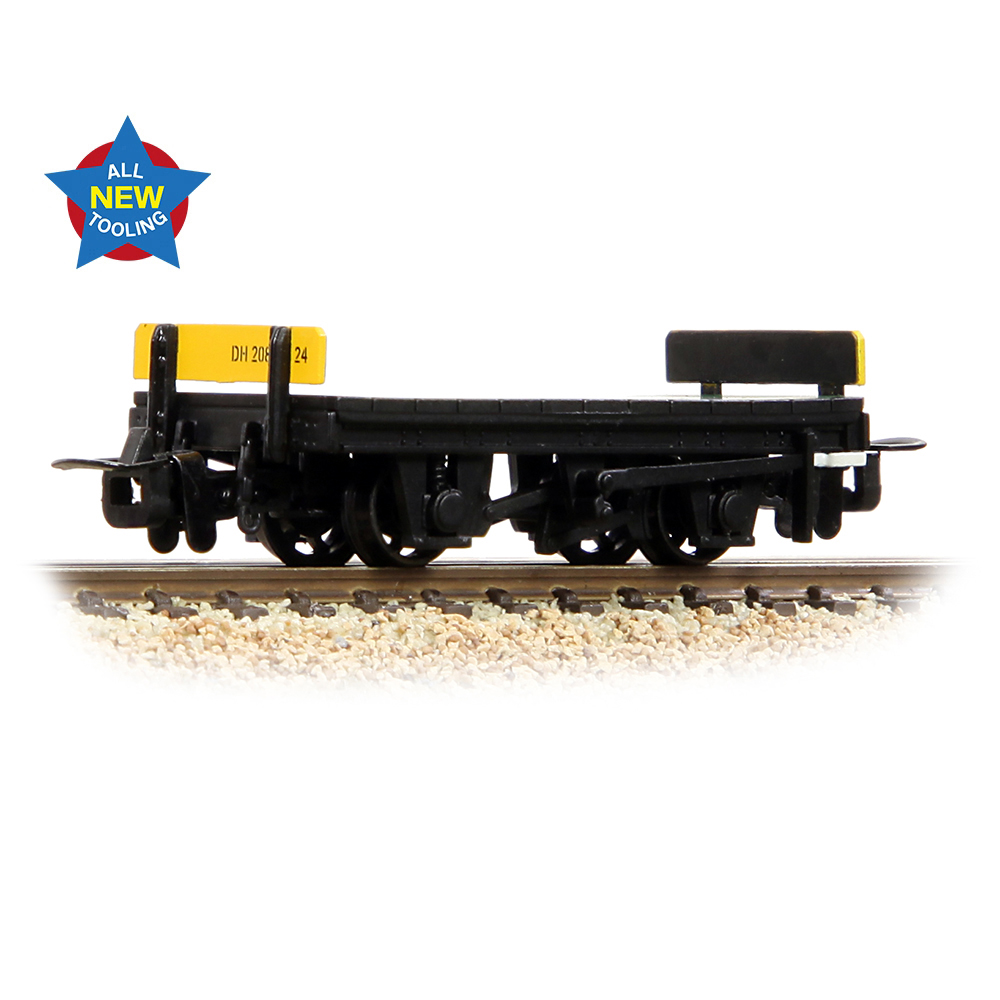
393-177RNAD Flat Wagon RNAD Dean Hill
'OO-9' GaugeReleased: 30/03/23Era 7Royal Navy Armaments Depots (RNAD) were strategic sites located around the UK for the storage and supply of armaments to the Royal Navy and other British and Commonwealth Armed Forces. Usually comprising several underground ‘magazines’, they were usually rail served by the national network and many had internal narrow gauge railway systems in order to aid movements between the standard gauge facility, magazines and workshops. The railways were equipped with their own fleets of locomotives and rolling stock designed specifically for the task in hand. Although some of the railways operated as recently as the early-21st century, as closures occurred stock became redundant however a significant number of items have subsequently entered preservation gaining a new lease of life. This Flat Wagon depicts a wagon in use at RNAD Dean Hill.
Our Price:
£26.95
£26.95
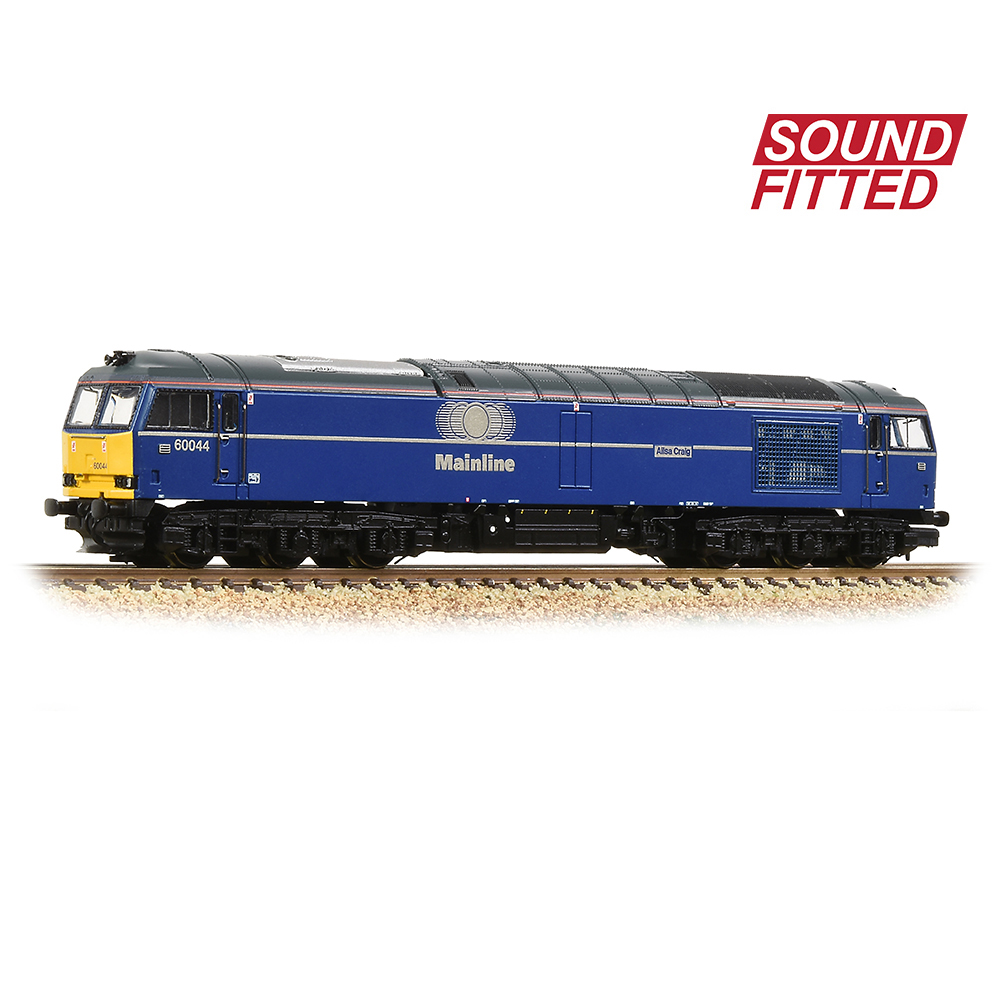
 371-351ASF
Class 60 60044 'Ailsa Craig' Mainline Freight
'N' GaugeReleased: 27/03/23 DCC FittedDCC SoundEra 9
SOUNDS
F0 - Directional Lights
F1 - On - Warm Engine Start / On, Off - Failed Engine Start / On, Off, On - Cold Engine Start
F2 - Brake
F3 - Single Horn (Speed Related)
F4 - Two Tone Horn
F5 - Light Engine / Heavy Train Mode
F6 - Engine Idle / Coasting
F7 - Speed Lock
F8 - Engine Speed-up
F9 - Flange Squeal (Speed Related)
F10 - Guard’s Whistle (When Stationary) / Speed Related Detonators (When Moving)
F11 - Parking Brake (Functional)
F12 - Coupling
F13 - Compressor
F14 - Spirax Valves Venting
F15 - Cooler Group Fan
F16 - Driver's Telephone Test
F17 - Fire Bell
F18 - On - Cab Door Open / Off - Cab Door Closed
F19 - Fade All Sounds
F20 - Directional Lighting Off (No. 1 End)
F21 - Directional Lighting Off (No. 2 End)
F22 - Cab Light (No. 1 End)
F23 - Cab Light (No. 2 End)
F24 - Station Ambience
F25 - On - 'Morning’ / Off - Driver's Response
F26 - Shunting Mode
F27 - Volume Down
F28 - Volume Up
Analogue Users: Directional lights and basic Prime Mover (engine) sounds, which vary with speed, plus any other automated sounds, can be enjoyed when using this model on analogue control (DC) straight from the box!
Our Price:
£220.95
£220.95
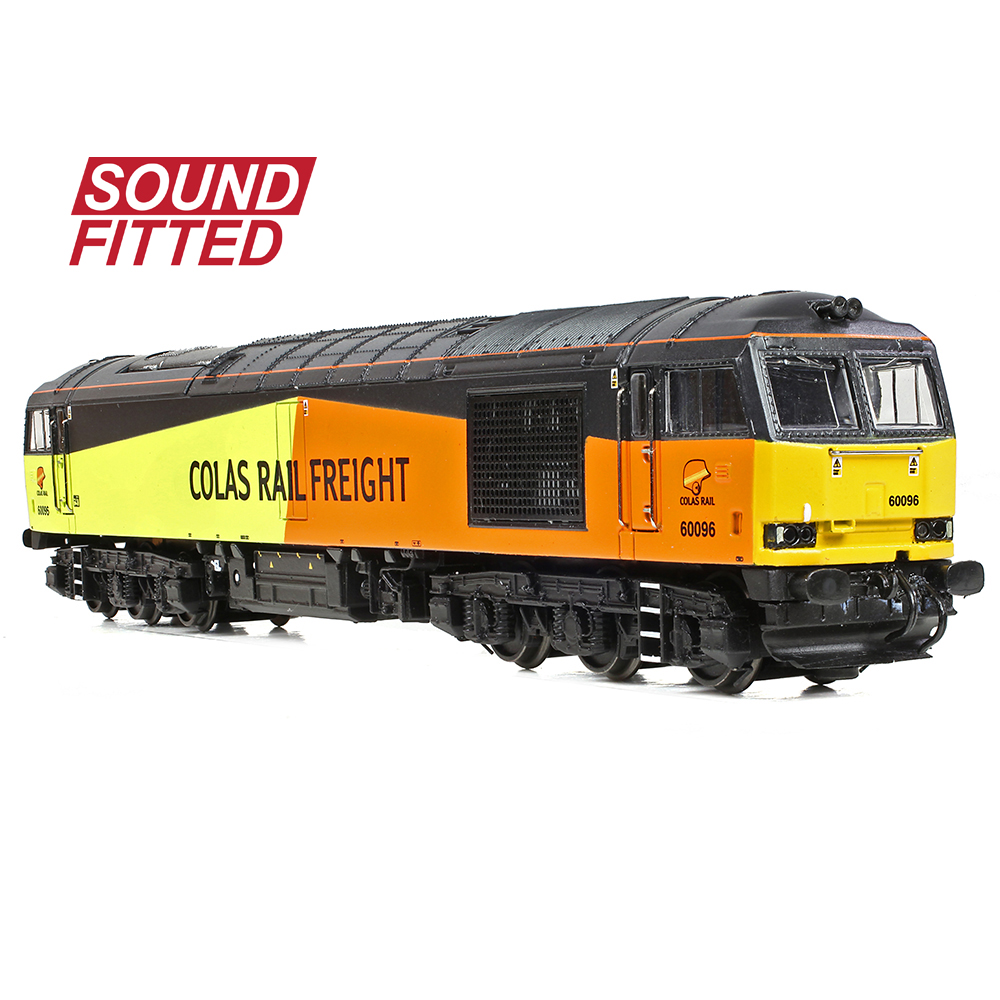
371-358ASFClass 60 60096 Colas Rail Freight
'N' GaugeReleased: 27/03/23DCC FittedDCC SoundEra 9SOUNDS
F0 - Directional Lights
F1 - On - Warm Engine Start / On, Off - Failed Engine Start / On, Off, On - Cold Engine Start
F2 - Brake
F3 - Single Horn (Speed Related)
F4 - Two Tone Horn
F5 - Light Engine / Heavy Train Mode
F6 - Engine Idle / Coasting
F7 - Speed Lock
F8 - Engine Speed-up
F9 - Flange Squeal (Speed Related)
F10 - Guard’s Whistle (When Stationary) / Speed Related Detonators (When Moving)
F11 - Parking Brake (Functional)
F12 - Coupling
F13 - Compressor
F14 - Spirax Valves Venting
F15 - Cooler Group Fan
F16 - Driver's Telephone Test
F17 - Fire Bell
F18 - On - Cab Door Open / Off - Cab Door Closed
F19 - Fade All Sounds
F20 - Directional Lighting Off (No. 1 End)
F21 - Directional Lighting Off (No. 2 End)
F22 - Cab Light (No. 1 End)
F23 - Cab Light (No. 2 End)
F24 - Station Ambience
F25 - On - 'Morning’ / Off - Driver's Response
F26 - Shunting Mode
F27 - Volume Down
F28 - Volume Up
Analogue Users: Directional lights and basic Prime Mover (engine) sounds, which vary with speed, plus any other automated sounds, can be enjoyed when using this model on analogue control (DC) straight from the box!
Our Price:
£220.95
£220.95
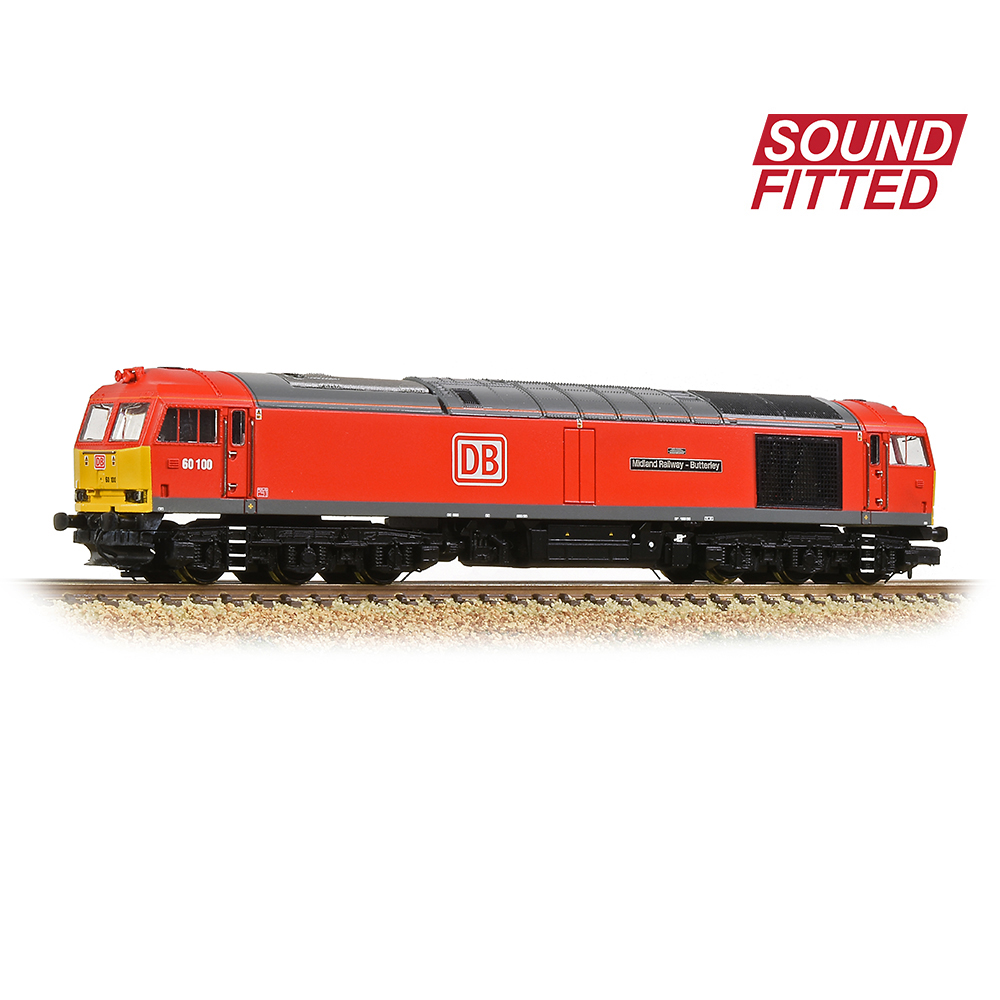
371-359SFClass 60 60100 'Midland Railway - Butterley' DB Cargo
'N' GaugeReleased: 27/03/23DCC FittedDCC SoundEra 9SOUNDS
F0 - Directional Lights
F1 - On - Warm Engine Start / On, Off - Failed Engine Start / On, Off, On - Cold Engine Start
F2 - Brake
F3 - Single Horn (Speed Related)
F4 - Two Tone Horn
F5 - Light Engine / Heavy Train Mode
F6 - Engine Idle / Coasting
F7 - Speed Lock
F8 - Engine Speed-up
F9 - Flange Squeal (Speed Related)
F10 - Guard’s Whistle (When Stationary) / Speed Related Detonators (When Moving)
F11 - Parking Brake (Functional)
F12 - Coupling
F13 - Compressor
F14 - Spirax Valves Venting
F15 - Cooler Group Fan
F16 - Driver's Telephone Test
F17 - Fire Bell
F18 - On - Cab Door Open / Off - Cab Door Closed
F19 - Fade All Sounds
F20 - Directional Lighting Off (No. 1 End)
F21 - Directional Lighting Off (No. 2 End)
F22 - Cab Light (No. 1 End)
F23 - Cab Light (No. 2 End)
F24 - Station Ambience
F25 - On - 'Morning’ / Off - Driver's Response
F26 - Shunting Mode
F27 - Volume Down
F28 - Volume Up
Analogue Users: Directional lights and basic Prime Mover (engine) sounds, which vary with speed, plus any other automated sounds, can be enjoyed when using this model on analogue control (DC) straight from the box!
Our Price:
£220.95
£220.95
371-361SFClass 60 60040 'The Territorial Army Centenary' DB Schenker/Army Red
'N' GaugeReleased: 27/03/23DCC FittedDCC SoundEra 9SOUNDS
F0 - Directional Lights
F1 - On - Warm Engine Start / On, Off - Failed Engine Start / On, Off, On - Cold Engine Start
F2 - Brake
F3 - Single Horn (Speed Related)
F4 - Two Tone Horn
F5 - Light Engine / Heavy Train Mode
F6 - Engine Idle / Coasting
F7 - Speed Lock
F8 - Engine Speed-up
F9 - Flange Squeal (Speed Related)
F10 - Guard’s Whistle (When Stationary) / Speed Related Detonators (When Moving)
F11 - Parking Brake (Functional)
F12 - Coupling
F13 - Compressor
F14 - Spirax Valves Venting
F15 - Cooler Group Fan
F16 - Driver's Telephone Test
F17 - Fire Bell
F18 - On - Cab Door Open / Off - Cab Door Closed
F19 - Fade All Sounds
F20 - Directional Lighting Off (No. 1 End)
F21 - Directional Lighting Off (No. 2 End)
F22 - Cab Light (No. 1 End)
F23 - Cab Light (No. 2 End)
F24 - Station Ambience
F25 - On - 'Morning’ / Off - Driver's Response
F26 - Shunting Mode
F27 - Volume Down
F28 - Volume Up
Analogue Users: Directional lights and basic Prime Mover (engine) sounds, which vary with speed, plus any other automated sounds, can be enjoyed when using this model on analogue control (DC) straight from the box!

Our Price:
£220.95
£220.95
39-334BR Mk2Z FK First Corridor BR ScotRail
'OO' GaugeReleased: 27/03/23Era 8British Rail's second generation of Standard Coach design is known as the Mark 2. Design and construction followed on from the universal and ubiquitous Mk1 family of coaching stock, with the prototype example built in 1963. Series production continued until 1975 at Derby Carriage Works. They were of steel construction, and of a more monocoque design than the Mk1, which added to their safety and integrity in event of collision or mishap.
As passenger expectations and railway operations had moved on since the vast Mk1 range was conceived, and because there was still much life left in the Mk1s by the mid-sixties, a much reduced number of vehicle types were built. The basic Mk2 types included First and Second class accommodation, with corridors and compartments only available to First Class passengers, all Second Class coaches were conceived as open saloons. First and Second class Brake coaches were built, but no full brakes, catering cars, restaurants, buffets or sleeping cars were included, Mark 1 coaches fulfilling these needs until Mark 3s came along in the late seventies.
The Mark 2 family underwent a number of tweaks and improvements during the 12 years construction period. The principal visual differences included air braking from Mk2A, removal of the central bodyside doors and vestibule (Mk2B), introduction of wrap-around corner doors and provision of one WC at each end in lieu of two at one end (Mk2B), air conditioning - so no opening windows in the saloon area (Mk2D), no side corridor First Class compartment vehicles (from Mk2E onwards), varying style and colours of end gangway doors.

Our Price:
£62.95
£62.95
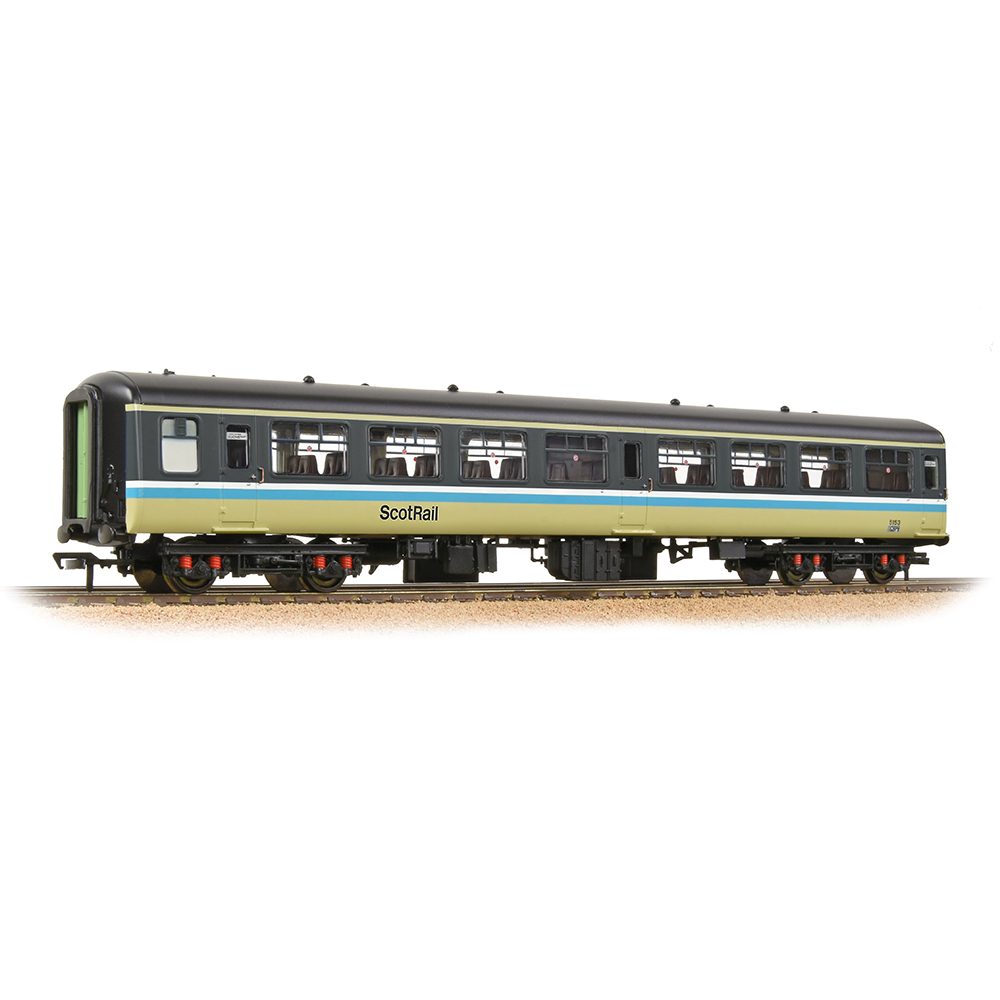
39-353BR Mk2Z TSO Tourist Second Open BR ScotRail
'OO' GaugeReleased: 27/03/23Era 8British Rail's second generation of Standard Coach design is known as the Mark 2. Design and construction followed on from the universal and ubiquitous Mk1 family of coaching stock, with the prototype example built in 1963. Series production continued until 1975 at Derby Carriage Works. They were of steel construction, and of a more monocoque design than the Mk1, which added to their safety and integrity in event of collision or mishap.
As passenger expectations and railway operations had moved on since the vast Mk1 range was conceived, and because there was still much life left in the Mk1s by the mid-sixties, a much reduced number of vehicle types were built. The basic Mk2 types included First and Second class accommodation, with corridors and compartments only available to First Class passengers, all Second Class coaches were conceived as open saloons. First and Second class Brake coaches were built, but no full brakes, catering cars, restaurants, buffets or sleeping cars were included, Mark 1 coaches fulfilling these needs until Mark 3s came along in the late seventies.
The Mark 2 family underwent a number of tweaks and improvements during the 12 years construction period. The principal visual differences included air braking from Mk2A, removal of the central bodyside doors and vestibule (Mk2B), introduction of wrap-around corner doors and provision of one WC at each end in lieu of two at one end (Mk2B), air conditioning - so no opening windows in the saloon area (Mk2D), no side corridor First Class compartment vehicles (from Mk2E onwards), varying style and colours of end gangway doors.
Bachmann has produced early and late types of Mk2 vehicles, Mk2A with the characteristic early features of this widely-travelled type, and the final evolution of the Mk2, the Mk2F, including the popular Mk2F DBSO that was converted from the standard BSO for push-pull operation between Edinburgh and Glasgow in the late 1970s, with the dedicated Class 47/7 'shove duff' fleet, converted from members of Class 47/4. The Mk2Fs are available with DCC operated lighting, and the DBSO itself has DCC controlled cab and interior lighting. Bachmann also produces the Class 47 and Class 90 that have operated with the DBSO Mk2F.
Mk2s have carried a wide range of liveries including BR Blue & Grey, Inter-City, Swallow, Regional Railways, ScotRail, Virgin Trains, Anglia, Network SouthEast, Virgin CrossCountry, Arriva, and many current liveries with railtour and heritage operators including Locomotive Services Limited (LSL), West Coast Railway Company and more.
Mk2s have during their 50+ operating life formed many of the famous named trains including The Flying Scotsman, hauled by Class 55 Deltics, the Royal Scot, Caledonian, the Electric Scot, and many more. Regional Railways Class 37s were a long time favourite of enthusiasts, working with Mk2 coaching stock on rural routes especially in Scotland, Wales and more recently the Cumbrian Coast and Norfolk, and older enthusiasts will remember early Mk2s operating alongside steam in the North West during the well-liked and rich in modelling inspiration 'Transition Era' 1965-68.
Our Price:
£62.95
£62.95
39-354Mk2 TSO Tourist Second Open WCRC Maroon
'OO' GaugeReleased: 27/03/23Era 9British Rail's second generation of Standard Coach design is known as the Mark 2. Design and construction followed on from the universal and ubiquitous Mk1 family of coaching stock, with the prototype example built in 1963. Series production continued until 1975 at Derby Carriage Works. They were of steel construction, and of a more monocoque design than the Mk1, which added to their safety and integrity in event of collision or mishap.
As passenger expectations and railway operations had moved on since the vast Mk1 range was conceived, and because there was still much life left in the Mk1s by the mid-sixties, a much reduced number of vehicle types were built. The basic Mk2 types included First and Second class accommodation, with corridors and compartments only available to First Class passengers, all Second Class coaches were conceived as open saloons. First and Second class Brake coaches were built, but no full brakes, catering cars, restaurants, buffets or sleeping cars were included, Mark 1 coaches fulfilling these needs until Mark 3s came along in the late seventies.
The Mark 2 family underwent a number of tweaks and improvements during the 12 years construction period. The principal visual differences included air braking from Mk2A, removal of the central bodyside doors and vestibule (Mk2B), introduction of wrap-around corner doors and provision of one WC at each end in lieu of two at one end (Mk2B), air conditioning - so no opening windows in the saloon area (Mk2D), no side corridor First Class compartment vehicles (from Mk2E onwards), varying style and colours of end gangway doors.
Bachmann has produced early and late types of Mk2 vehicles, Mk2A with the characteristic early features of this widely-travelled type, and the final evolution of the Mk2, the Mk2F, including the popular Mk2F DBSO that was converted from the standard BSO for push-pull operation between Edinburgh and Glasgow in the late 1970s, with the dedicated Class 47/7 'shove duff' fleet, converted from members of Class 47/4. The Mk2Fs are available with DCC operated lighting, and the DBSO itself has DCC controlled cab and interior lighting. Bachmann also produces the Class 47 and Class 90 that have operated with the DBSO Mk2F.
Mk2s have carried a wide range of liveries including BR Blue & Grey, Inter-City, Swallow, Regional Railways, ScotRail, Virgin Trains, Anglia, Network SouthEast, Virgin CrossCountry, Arriva, and many current liveries with railtour and heritage operators including Locomotive Services Limited (LSL), West Coast Railway Company and more.
Mk2s have during their 50+ operating life formed many of the famous named trains including The Flying Scotsman, hauled by Class 55 Deltics, the Royal Scot, Caledonian, the Electric Scot, and many more. Regional Railways Class 37s were a long time favourite of enthusiasts, working with Mk2 coaching stock on rural routes especially in Scotland, Wales and more recently the Cumbrian Coast and Norfolk, and older enthusiasts will remember early Mk2s operating alongside steam in the North West during the well-liked and rich in modelling inspiration 'Transition Era' 1965-68.

Our Price:
£62.95
£62.95
371-679Class 220 4-Car DEMU 220009 Arriva Cross Country
'N' GaugeReleased: 26/04/23DCC Ready (6 Pin)Era 9The Class 220 Voyager is a class of diesel-electric high-speed multiple-unit trains built in Belgium by Bombardier Transportation in 2000 and 2001.
They were introduced in 2001 to replace the 20-year-old InterCity 125 and 30-year-old Class 47-hauled Mark 2 fleets operating on the Cross Country Route, initially for Virgin CrossCountry and since 2007 by CrossCountry, within the Arriva group (now owned by DB). The Class 220s operate in four-coach sets with a top speed of 125 mph (200 km/h) and a maximum range of approximately 1,350 miles between refuelling and servicing.
Because CrossCountry's network has such a wide geographic reach, Class 220 Voyagers can be seen from Aberdeen to Penzance, Manchester to Bournemouth and Newcastle to Reading. They are most common at Birmingham New Street, which is the hub of the CrossCountry network.

Our Price:
£339.95
£339.95
371-680Class 220 4-Car DEMU 220018 'Dorset Voyager' Virgin Trains (Revised)
'N' GaugeReleased: 26/04/23DCC Ready (6 Pin)Era 9The Class 220 Voyager is a class of diesel-electric high-speed multiple-unit trains built in Belgium by Bombardier Transportation in 2000 and 2001.
They were introduced in 2001 to replace the 20-year-old InterCity 125 and 30-year-old Class 47-hauled Mark 2 fleets operating on the Cross Country Route, initially for Virgin CrossCountry and since 2007 by CrossCountry, within the Arriva group (now owned by DB). The Class 220s operate in four-coach sets with a top speed of 125 mph (200 km/h) and a maximum range of approximately 1,350 miles between refuelling and servicing.
Because CrossCountry's network has such a wide geographic reach, Class 220 Voyagers can be seen from Aberdeen to Penzance, Manchester to Bournemouth and Newcastle to Reading. They are most common at Birmingham New Street, which is the hub of the CrossCountry network.

Our Price:
£339.95
£339.95