
Search results
 31-319A
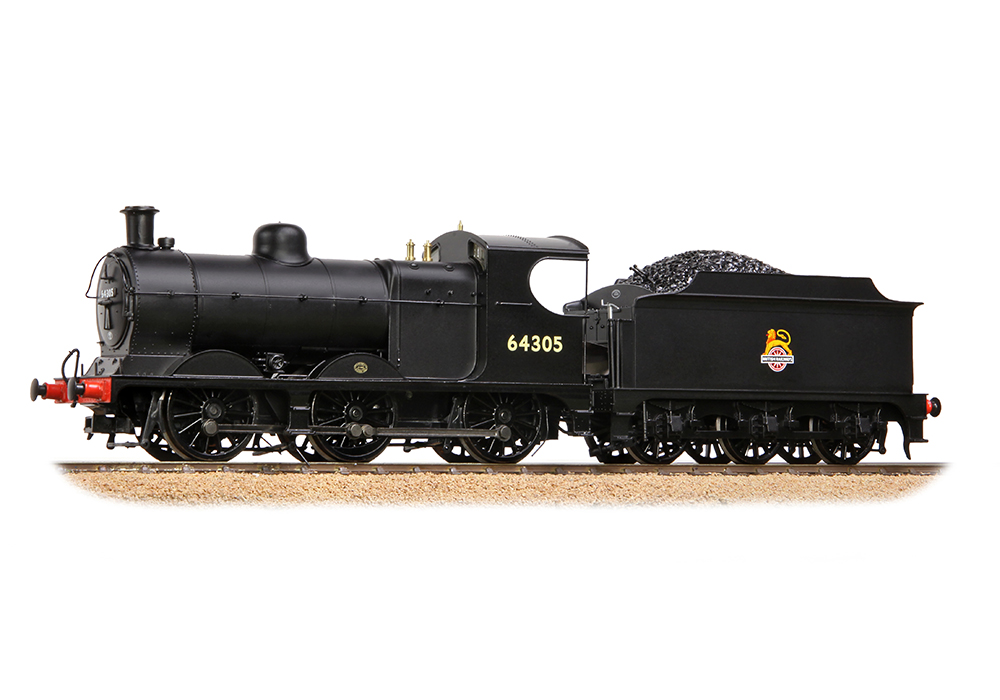
GCR 9J (J11) 64305 BR Black (Early Emblem)
 'OO' Gauge
 Released: 04/06/26
 DCC Ready (21 Pin)
 Era 4
Era 4The Great Central Railway (GCR) Class 9J was the first goods locomotive to be designed by John. G. Robinson, the railway’s Chief Mechanical Engineer from 1900-1922. Between 1901 and 1910 a total of 174 locomotives were built and during the First World War, 18 were loaned to the Railway Operating Division and were shipped to France before returning home in 1919. The class quickly acquired the nickname ‘Pom-Poms’ as their exhaust noise sounded very similar to the ‘Pom-Pom’ quick-firing guns which were first used in the South African War.
In 1923 the GCR became part of the London and North Eastern Railway (LNER), and the 9Js were re-classified as J11. The LNER quickly began modifying J11s to meet the then-new composite rolling stock gauge, this included using several different boiler and dome modifications to reduce the overall height of the locomotive.
Whilst primarily a goods engine, the J11s were used on some passenger services and over time these duties increased. During LNER ownership the distribution of the fleet gradually broadened, with examples allocated to sheds like Retford and Barnsley, and some were even sent to the Midland & Great Northern Joint Railway.
The class survived to Nationalisation in 1948 when British Railways inherited the entire fleet, and it was not until 1954 that the first example was withdrawn. All had gone by 1962 however, and sadly none were saved for preservation.
Our Price:
£144.45
£144.45
 374-900A
BR Mk1 POS Post Office Sorting Van R.Mail Travelling Post Office Red
'N' GaugeReleased: 04/06/26Era 8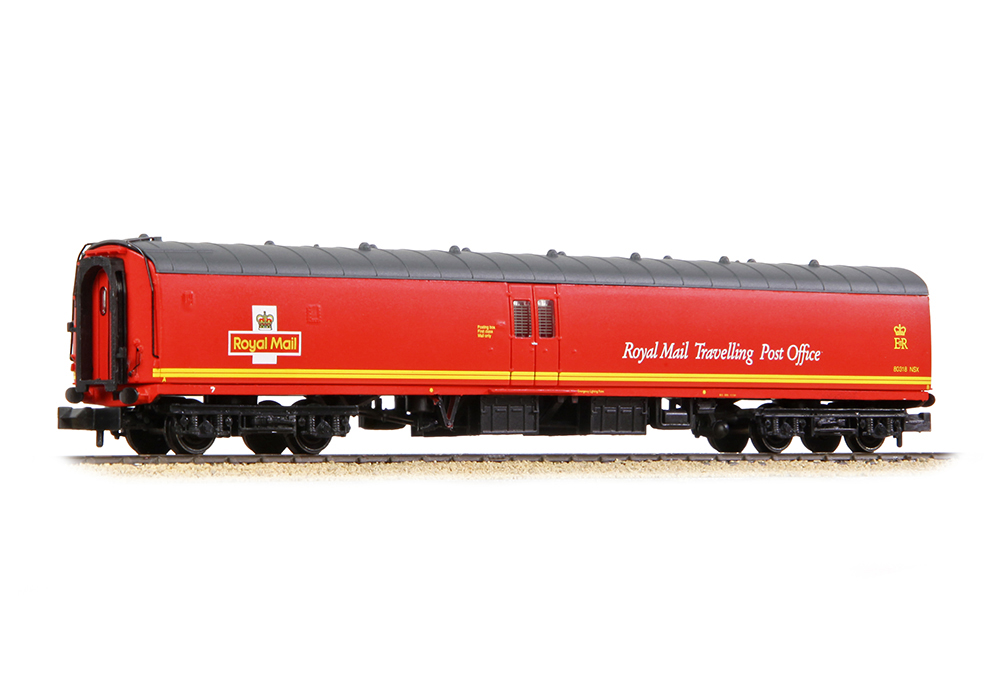
Our Price:
£47.65
£47.65
374-901CBR Mk1 POS Post Office Sorting Van Post Office Red
'N' GaugeReleased: 04/06/26Era 5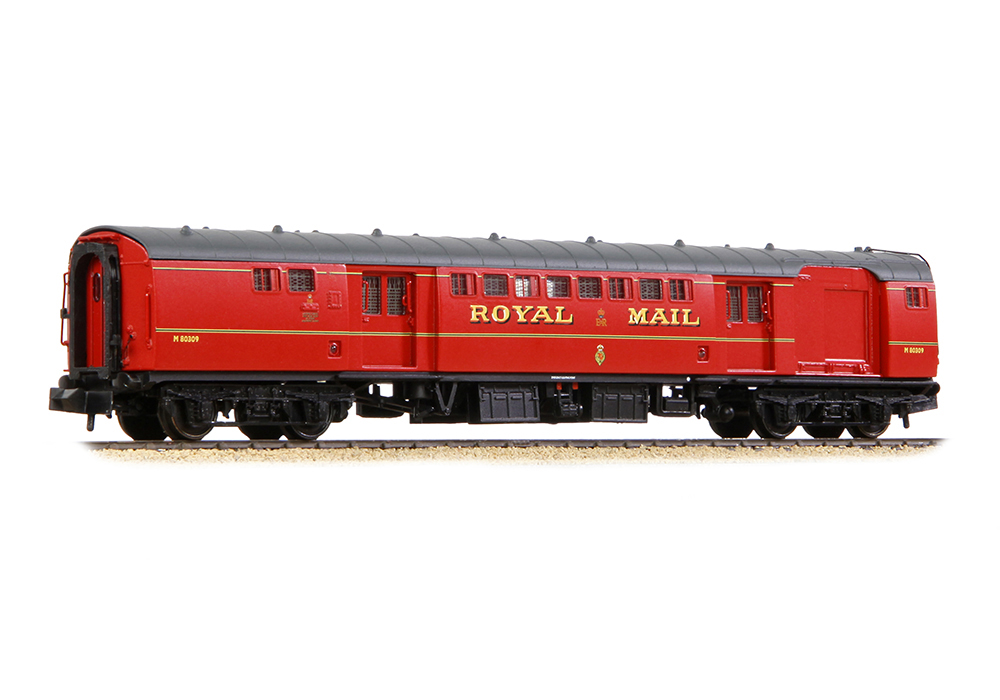
Our Price:
£47.65
£47.65
374-902BBR Mk1 POS Post Office Sorting Van BR Blue & Grey (Royal Mail)
'N' GaugeReleased: 04/06/26Era 7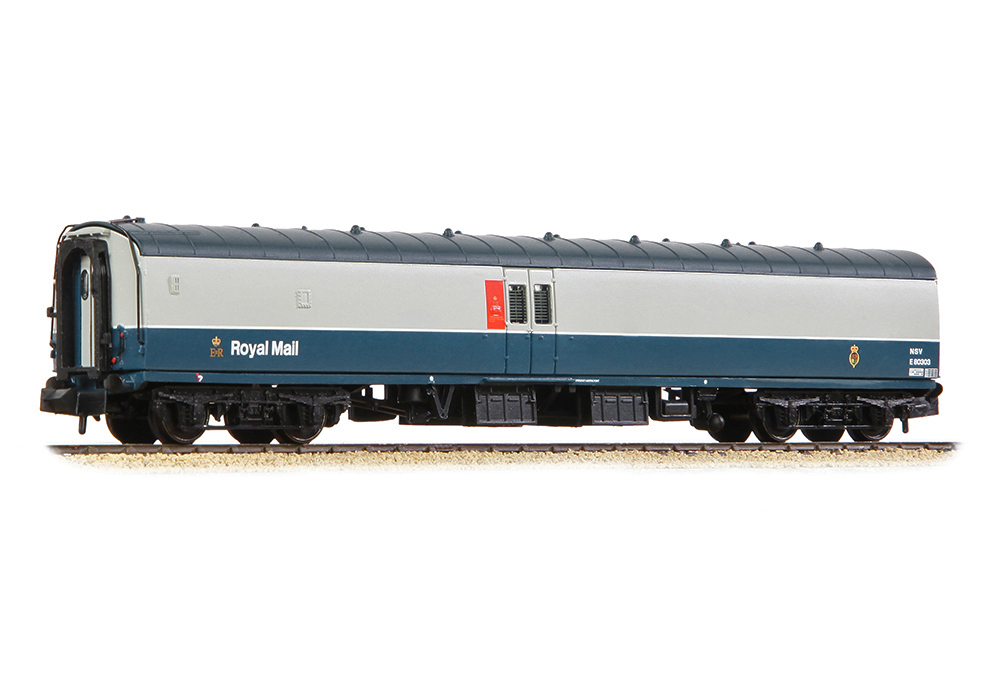
Our Price:
£47.65
£47.65
374-903ABR Mk1 POS Post Office Sorting Van Royal Mail Letters Red
'N' GaugeReleased: 04/06/26Era 8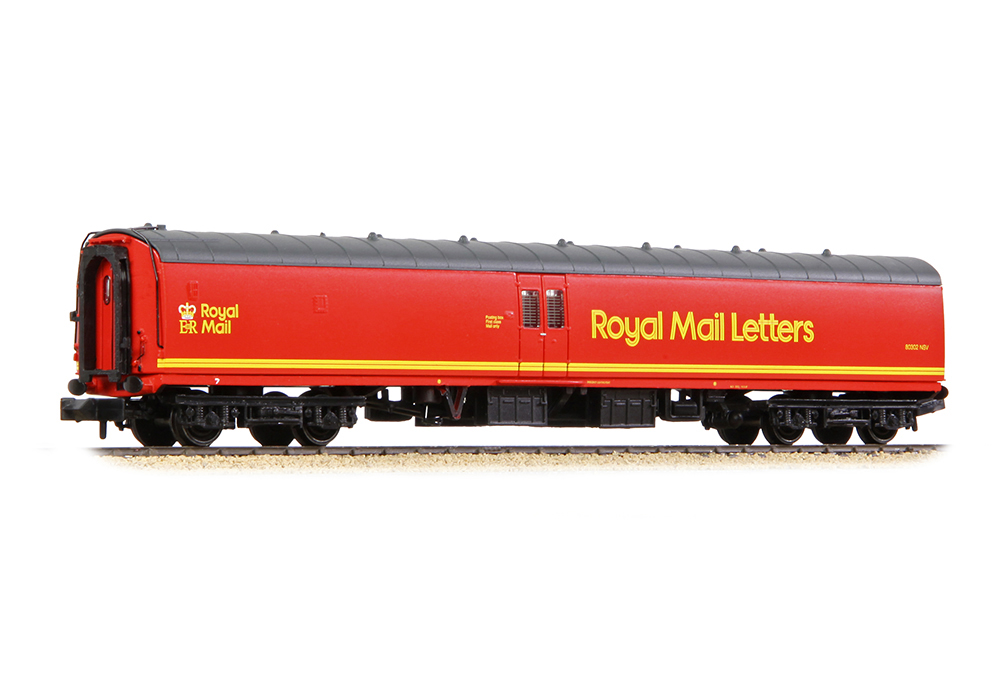
Our Price:
£47.65
£47.65
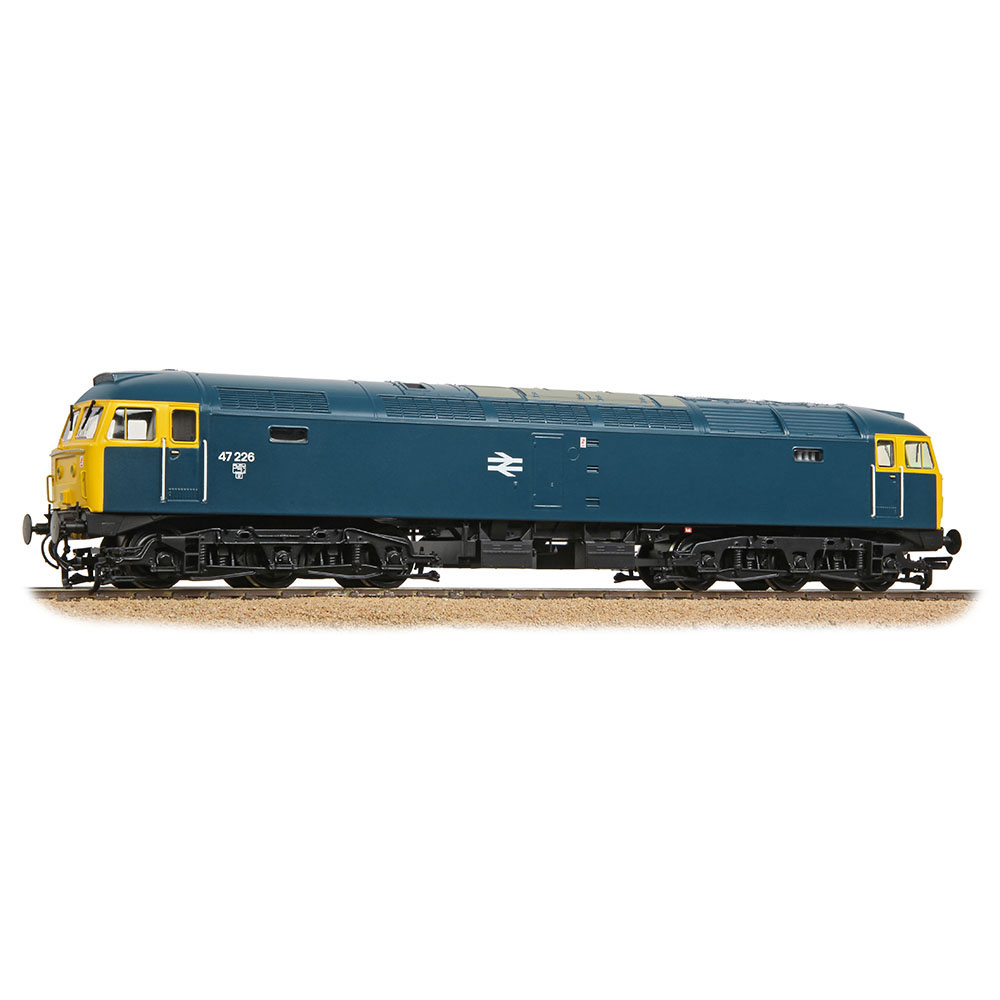
35-411AClass 47/0 47226 BR Blue
'OO' GaugeReleased: 04/06/26DCC Ready (PluX22)Era 8Towards the end of the 1950s, British Railways began planning a new fleet of diesel locomotives and after investigating several prototypes, BR decided to place an order with Brush Engineering for 20 locomotives during February 1961. The resulting design became the iconic Brush Type 4 Diesel locomotive, a practical, versatile design with a very distinctive cab. Powered with a Sulzer engine and initially rated at 2,750hp, the locomotive could achieve a top speed of 75mph with a tractive effort of 55,000lb. Building commenced in January 1962 and the first locomotive No. D1500 appeared in late September of the same year with test runs on the London Midland Region and Western Region. The design was a success and BR went on to order a total of 512 with continuous production through to early 1967, forming the largest single class of main-line diesel locomotives in the UK.
Our Price:
£203.95
£203.95
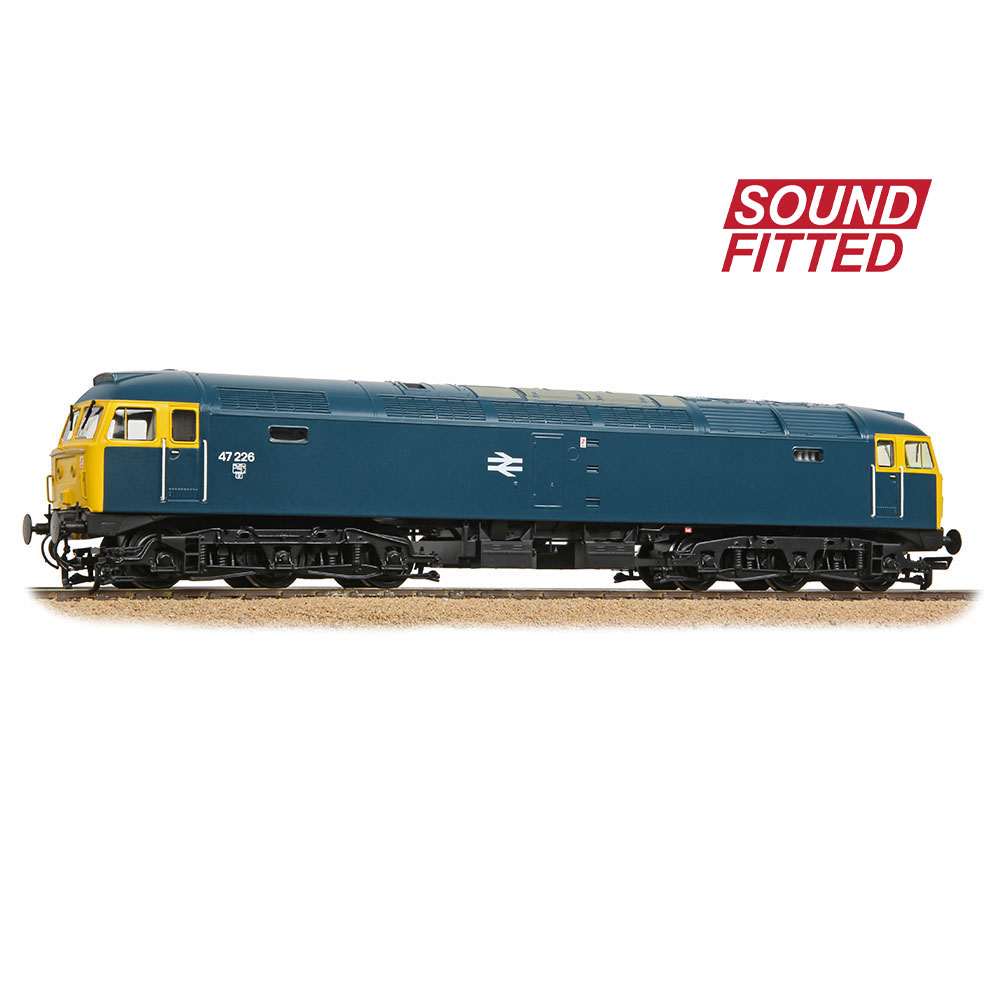
35-411ASFClass 47/0 47226 BR Blue With DCC Sound
'OO' GaugeReleased: 04/06/26DCC FittedDCC SoundEra 8Towards the end of the 1950s, British Railways began planning a new fleet of diesel locomotives and after investigating several prototypes, BR decided to place an order with Brush Engineering for 20 locomotives during February 1961. The resulting design became the iconic Brush Type 4 Diesel locomotive, a practical, versatile design with a very distinctive cab. Powered with a Sulzer engine and initially rated at 2,750hp, the locomotive could achieve a top speed of 75mph with a tractive effort of 55,000lb. Building commenced in January 1962 and the first locomotive No. D1500 appeared in late September of the same year with test runs on the London Midland Region and Western Region. The design was a success and BR went on to order a total of 512 with continuous production through to early 1967, forming the largest single class of main-line diesel locomotives in the UK.
Our Price:
£301.70
£301.70
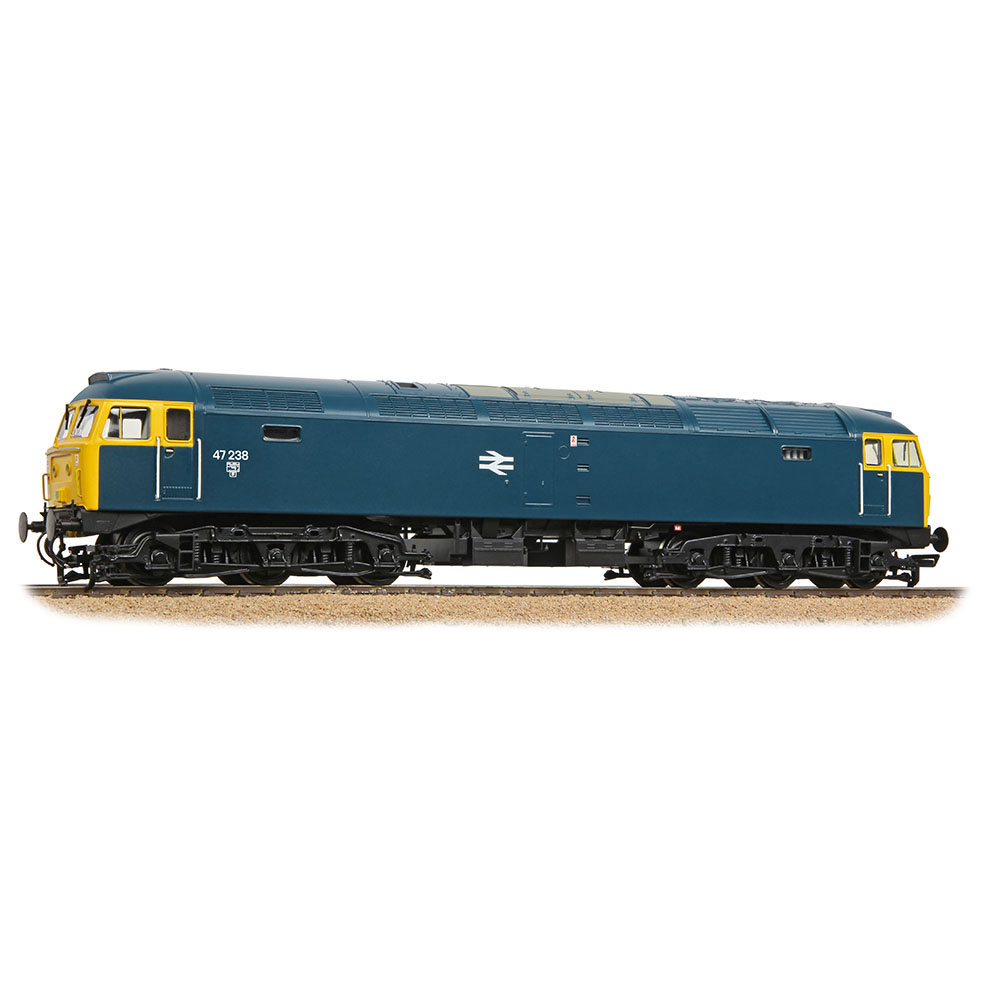
35-411BClass 47/0 47238 BR Blue
'OO' GaugeReleased: 04/06/26DCC Ready (PluX22)Era 8Towards the end of the 1950s, British Railways began planning a new fleet of diesel locomotives and after investigating several prototypes, BR decided to place an order with Brush Engineering for 20 locomotives during February 1961. The resulting design became the iconic Brush Type 4 Diesel locomotive, a practical, versatile design with a very distinctive cab. Powered with a Sulzer engine and initially rated at 2,750hp, the locomotive could achieve a top speed of 75mph with a tractive effort of 55,000lb. Building commenced in January 1962 and the first locomotive No. D1500 appeared in late September of the same year with test runs on the London Midland Region and Western Region. The design was a success and BR went on to order a total of 512 with continuous production through to early 1967, forming the largest single class of main-line diesel locomotives in the UK.
Our Price:
£203.95
£203.95
 35-411BSF
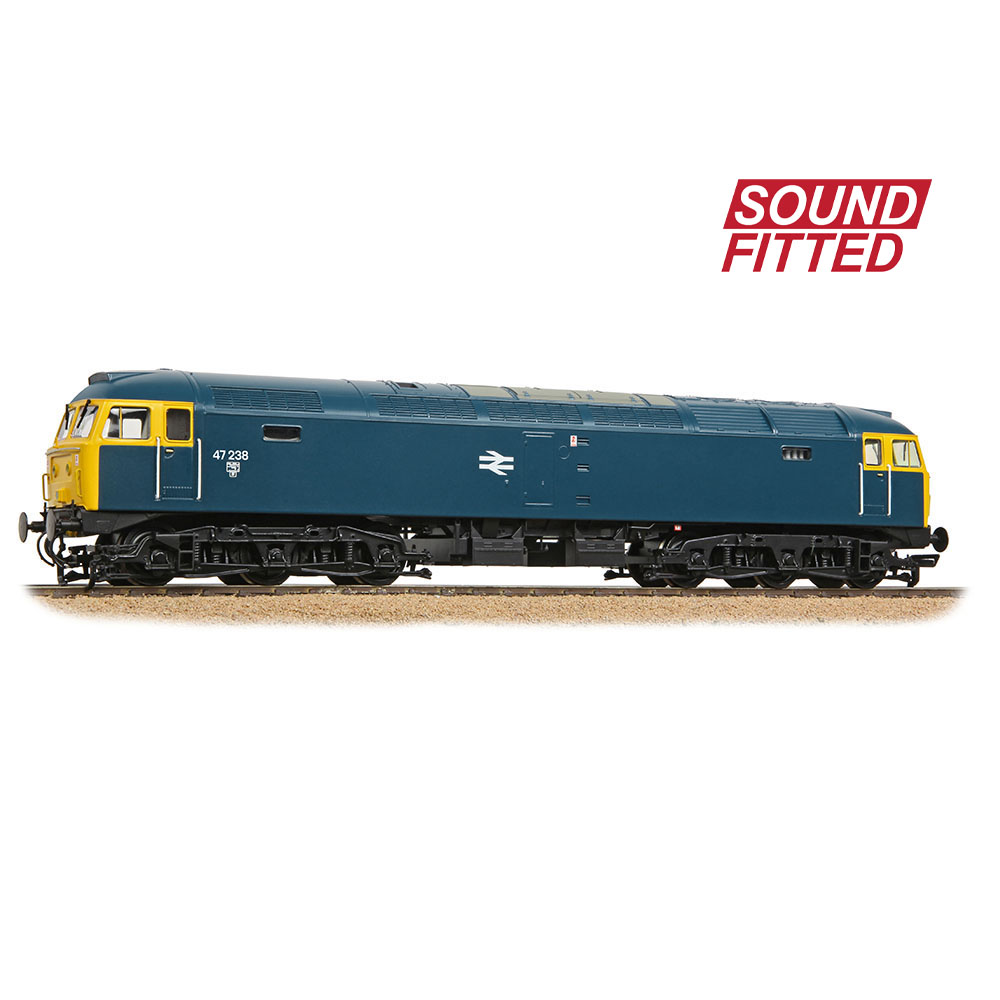
Class 47/0 47238 BR Blue With DCC Sound
'OO' GaugeReleased: 04/06/26DCC FittedDCC SoundEra 8Towards the end of the 1950s, British Railways began planning a new fleet of diesel locomotives and after investigating several prototypes, BR decided to place an order with Brush Engineering for 20 locomotives during February 1961. The resulting design became the iconic Brush Type 4 Diesel locomotive, a practical, versatile design with a very distinctive cab. Powered with a Sulzer engine and initially rated at 2,750hp, the locomotive could achieve a top speed of 75mph with a tractive effort of 55,000lb. Building commenced in January 1962 and the first locomotive No. D1500 appeared in late September of the same year with test runs on the London Midland Region and Western Region. The design was a success and BR went on to order a total of 512 with continuous production through to early 1967, forming the largest single class of main-line diesel locomotives in the UK.
Our Price:
£301.70
£301.70
 R30367
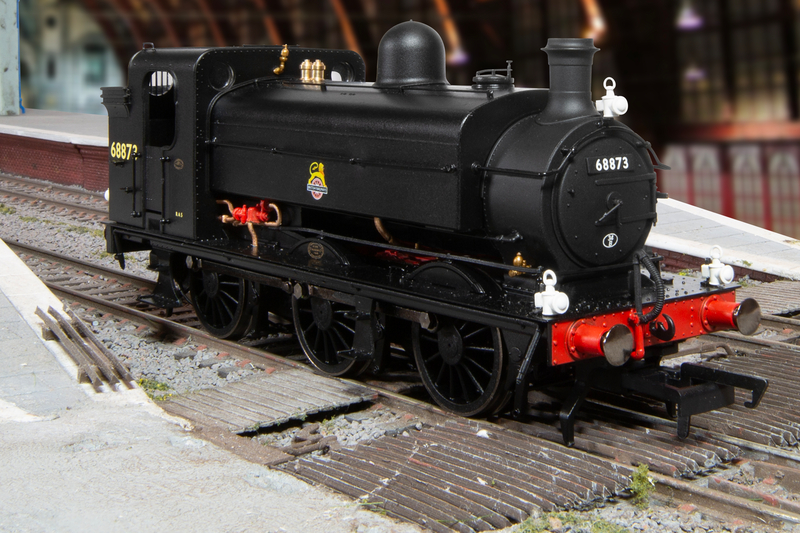
 BR Early - Class J52 - 68873
'OO' GaugeReleased: 29/05/26DCC Ready (21 Pin)Era 4No. 68873 was built in 1905 at Doncaster Works and entered service with the Great Northern Railway as No. 1274, initially allocated locally at Doncaster goods yard.
After becoming LNER No. 4274 in 1924, it was later renumbered as 8873 and made it into BR service in 1948 as No. 68873. Its allocations also included King’s Cross, Hornsey and Colwick, before being condemned in September 1955.
The model is finished in plain black with BR early ‘cycling lion’ crest as applied in the 1950s, with the five-digit number on the increased-capacity bunker sides. The locomotive also has the later-type safety valves and steam injectors.
Our Price:
£157.49
£157.49
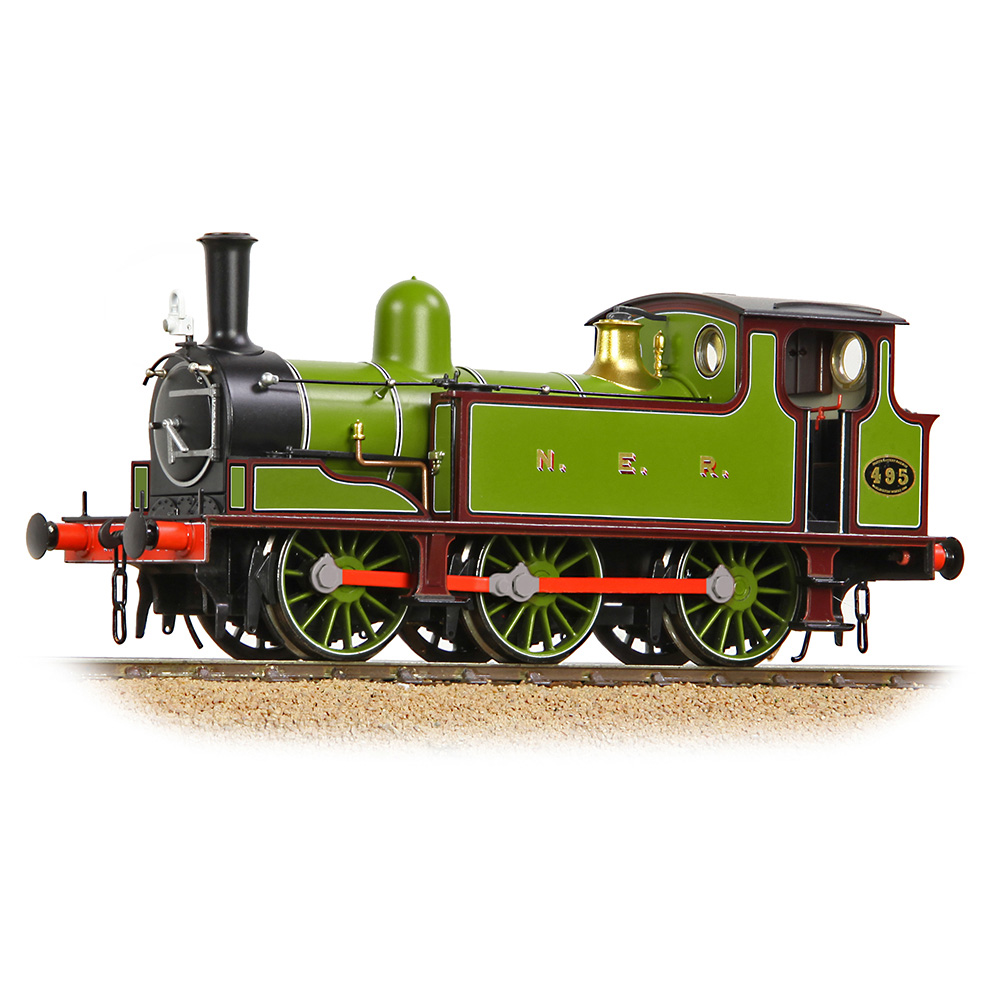
31-065NER E Tank 495 NER Lined Green & Maroon
'OO' GaugeReleased: 27/05/26DCC Ready (Next18)Era 2The NER E Class 0-6-0 Tank Locomotive, later classified as J71 by the London & North Eastern Railway (LNER), was designed by Thomas W. Worsdell for the North Eastern Railway and was intended to become the company’s standard design for shunting engines. T. W. Worsdell became the NER’s Locomotive Superintendent in 1885 and a year later, the first E Class tank entered traffic. Eventually totalling 120 locomotives, 60 were built under T. W. Worsdell’s tenure, followed by 60 more when his brother Wilson Worsdell took over as Locomotive Superintendent following Thomas’s retirement in 1890. Construction ceased in 1895 and three years later, Wilson introduced his own take on the design, the E1 Class, the first of which entered traffic in 1898.
Our Price:
£144.45
£144.45
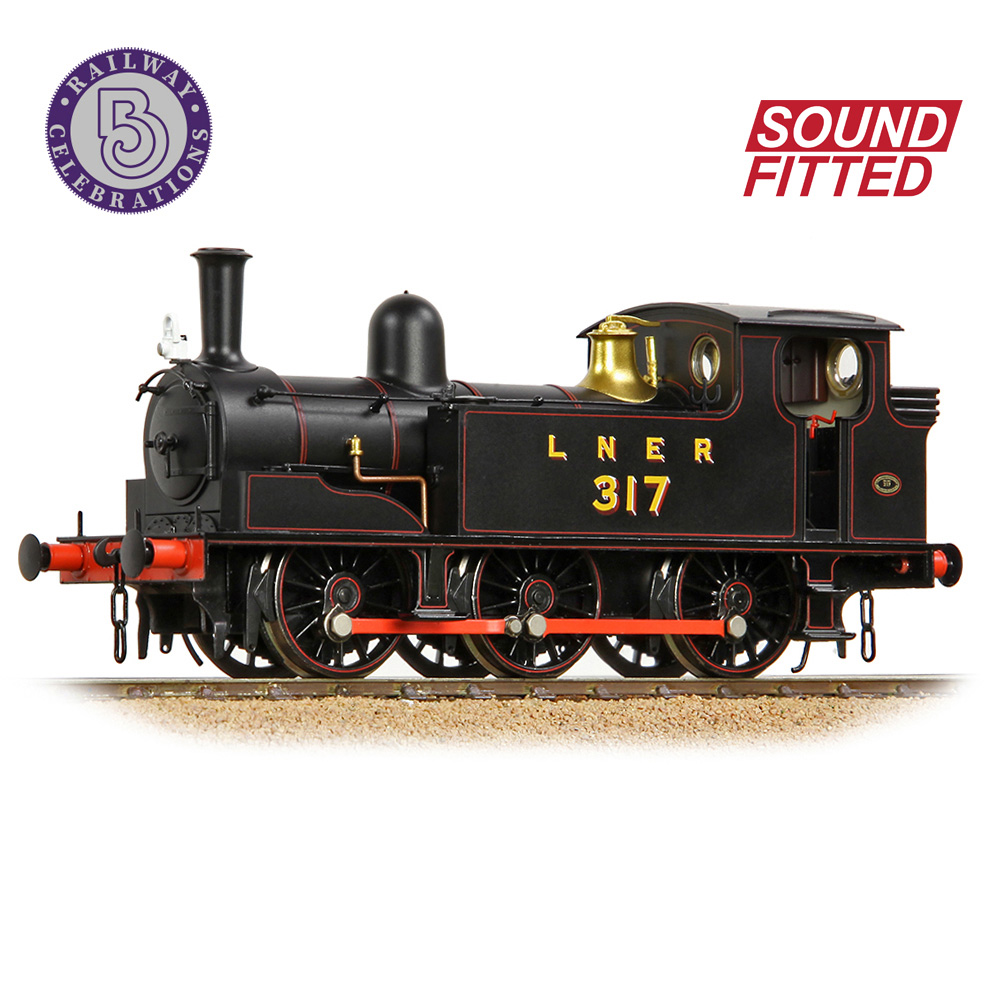
31-066SFNER E (J71) Tank 317 LNER Lined Black With DCC Sound
'OO' GaugeReleased: 27/05/26DCC FittedDCC SoundEra 3The NER E Class 0-6-0 Tank Locomotive, later classified as J71 by the London & North Eastern Railway (LNER), was designed by Thomas W. Worsdell for the North Eastern Railway and was intended to become the company’s standard design for shunting engines. T. W. Worsdell became the NER’s Locomotive Superintendent in 1885 and a year later, the first E Class tank entered traffic. Eventually totalling 120 locomotives, 60 were built under T. W. Worsdell’s tenure, followed by 60 more when his brother Wilson Worsdell took over as Locomotive Superintendent following Thomas’s retirement in 1890. Construction ceased in 1895
Our Price:
£229.45
£229.45
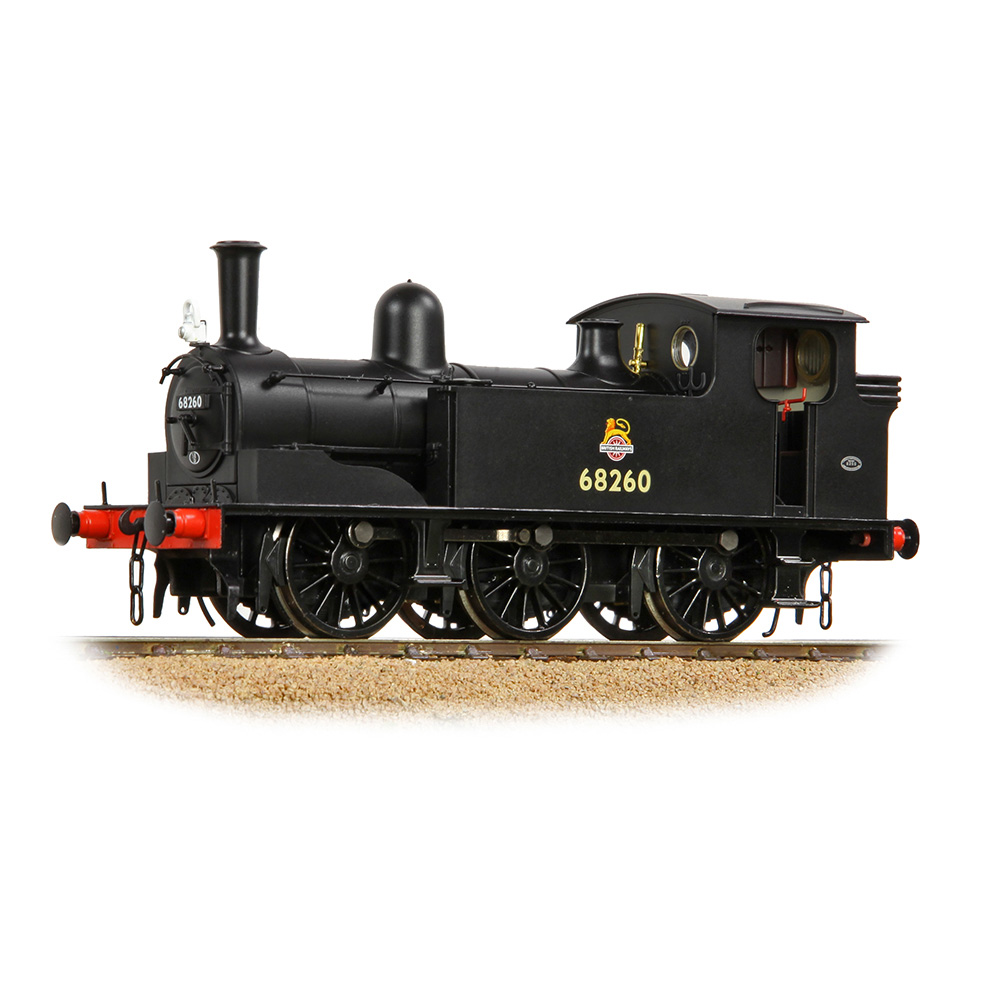
31-069NER E (J71) Tank 68260 BR Black (Early Emblem)
'OO' GaugeReleased: 27/05/26DCC Ready (Next18)Era 4The NER E Class 0-6-0 Tank Locomotive, later classified as J71 by the London & North Eastern Railway (LNER), was designed by Thomas W. Worsdell for the North Eastern Railway and was intended to become the company’s standard design for shunting engines. T. W. Worsdell became the NER’s Locomotive Superintendent in 1885 and a year later, the first E Class tank entered traffic. Eventually totalling 120 locomotives, 60 were built under T. W. Worsdell’s tenure, followed by 60 more when his brother Wilson Worsdell took over as Locomotive Superintendent following Thomas’s retirement in 1890. Construction ceased in 1895
Our Price:
£135.95
£135.95
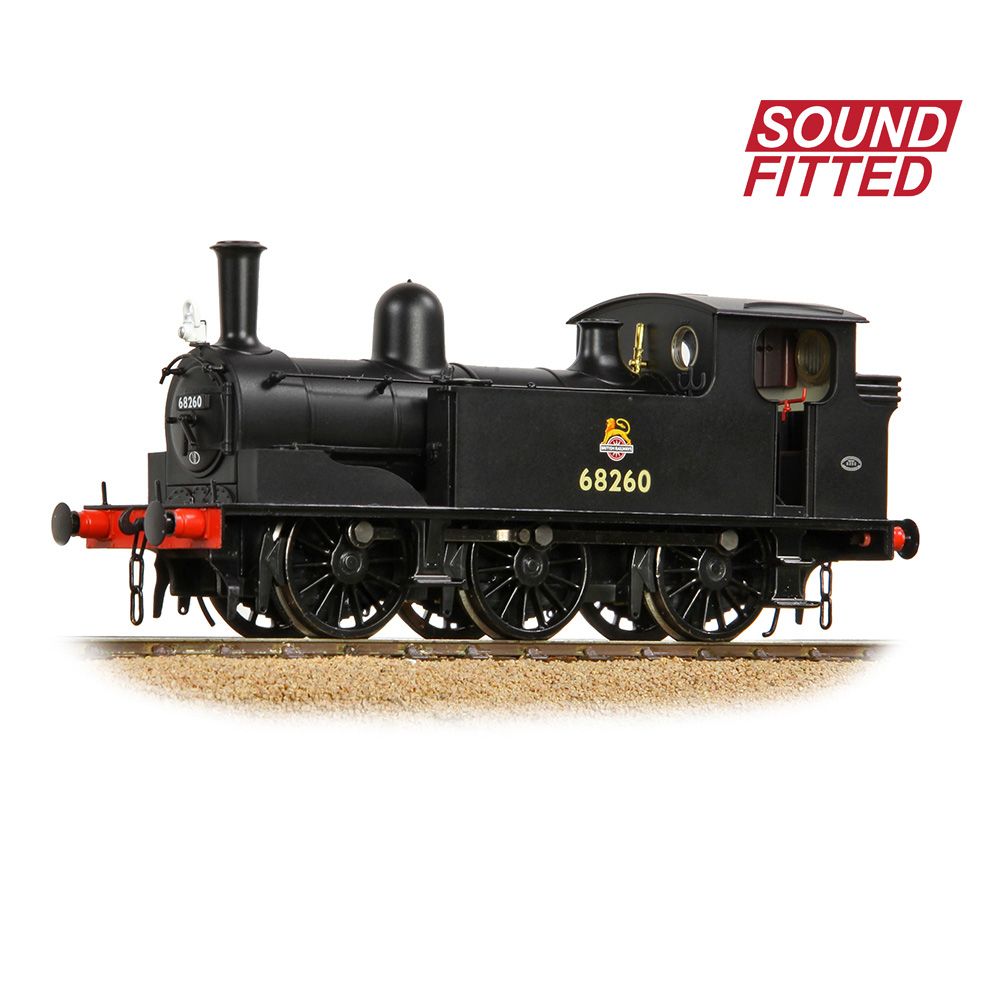
31-069SFNER E (J71) Tank 68260 BR Black (Early Emblem) With DCC Sound
'OO' GaugeReleased: 27/05/26DCC FittedDCC SoundEra 4The NER E Class 0-6-0 Tank Locomotive, later classified as J71 by the London & North Eastern Railway (LNER), was designed by Thomas W. Worsdell for the North Eastern Railway and was intended to become the company’s standard design for shunting engines. T. W. Worsdell became the NER’s Locomotive Superintendent in 1885 and a year later, the first E Class tank entered traffic. Eventually totalling 120 locomotives, 60 were built under T. W. Worsdell’s tenure, followed by 60 more when his brother Wilson Worsdell took over as Locomotive Superintendent following Thomas’s retirement in 1890. Construction ceased in 1895
Our Price:
£229.45
£229.45
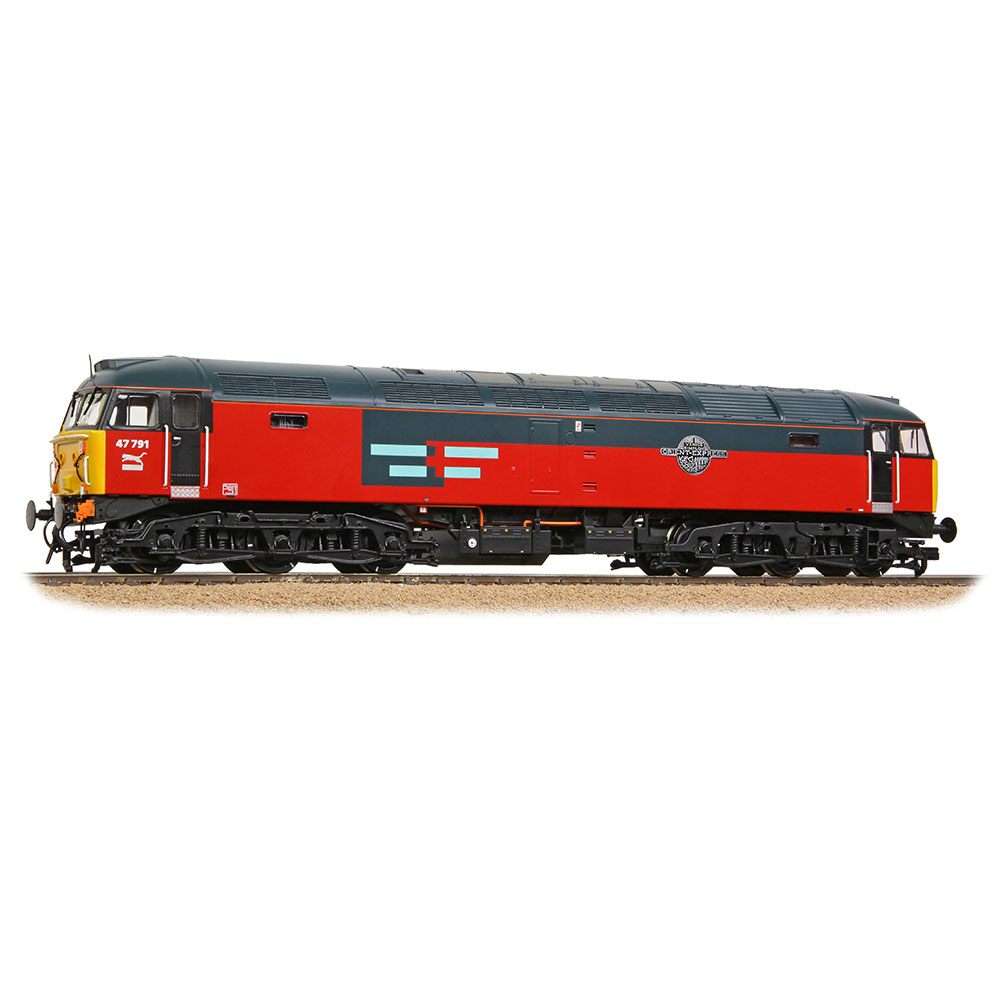
35-429Class 47/7 47791 'Venice Simplon Orient Express' Rail Express Systems
'OO' GaugeReleased: 27/05/26DCC Ready (PluX22)Era 8Towards the end of the 1950s, British Railways began planning a new fleet of diesel locomotives and after investigating several prototypes, BR decided to place an order with Brush Engineering for 20 locomotives during February 1961. The resulting design became the iconic Brush Type 4 Diesel locomotive, a practical, versatile design with a very distinctive cab. Powered with a Sulzer engine and initially rated at 2,750hp, the locomotive could achieve a top speed of 75mph with a tractive effort of 55,000lb. Building commenced in January 1962 and the first locomotive No. D1500 appeared in late September of the same year with test runs on the London Midland Region and Western Region. The design was a success and BR went on to order a total of 512 with continuous production through to early 1967, forming the largest single class of main-line diesel locomotives in the UK.
Our Price:
£203.95
£203.95
39-429SFClass 47/7 47791 'Venice Simplon Orient Express' Rail Express Systems With DCC Sound
'OO' GaugeReleased: 27/05/26DCC FittedDCC SoundEra 8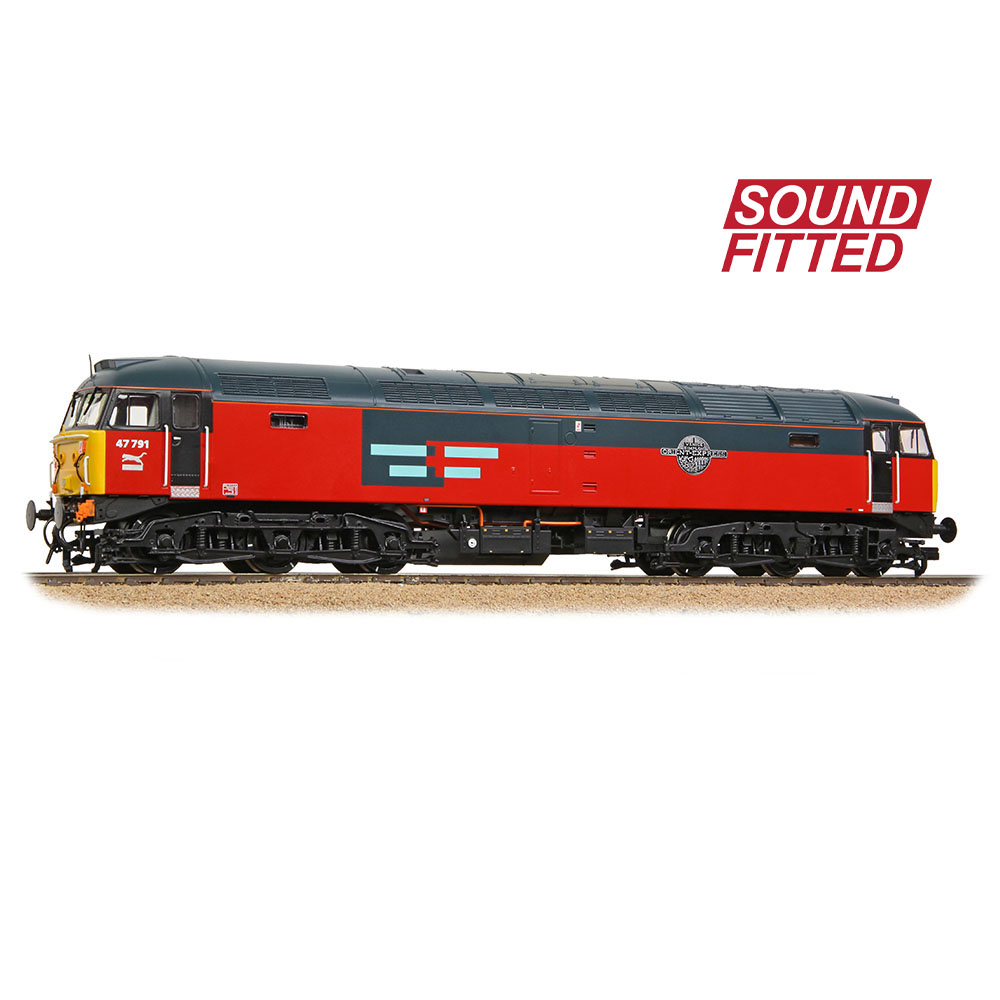
Our Price:
£301.70
£301.70
35-416Class 47/0 47280 BR Railfreight Grey
'OO' GaugeReleased: 22/05/26DCC Ready (PluX22)Era 8Towards the end of the 1950s, British Railways began planning a new fleet of diesel locomotives and after investigating several prototypes, BR decided to place an order with Brush Engineering for 20 locomotives during February 1961. The resulting design became the iconic Brush Type 4 Diesel locomotive, a practical, versatile design with a very distinctive cab. Powered with a Sulzer engine and initially rated at 2,750hp, the locomotive could achieve a top speed of 75mph with a tractive effort of 55,000lb. Building commenced in January 1962 and the first locomotive No. D1500 appeared in late September of the same year with test runs on the London Midland Region and Western Region. The design was a success and BR went on to order a total of 512 with continuous production through to early 1967, forming the largest single class of main-line diesel locomotives in the UK.
Our Price:
£203.95
£203.95
35-416SFClass 47/0 47280 BR Railfreight Grey With DCC Sound
'OO' GaugeReleased: 22/05/26DCC FittedDCC SoundEra 8Towards the end of the 1950s, British Railways began planning a new fleet of diesel locomotives and after investigating several prototypes, BR decided to place an order with Brush Engineering for 20 locomotives during February 1961. The resulting design became the iconic Brush Type 4 Diesel locomotive, a practical, versatile design with a very distinctive cab. Powered with a Sulzer engine and initially rated at 2,750hp, the locomotive could achieve a top speed of 75mph with a tractive effort of 55,000lb. Building commenced in January 1962 and the first locomotive No. D1500 appeared in late September of the same year with test runs on the London Midland Region and Western Region. The design was a success and BR went on to order a total of 512 with continuous production through to early 1967, forming the largest single class of main-line diesel locomotives in the UK.
Our Price:
£301.70
£301.70
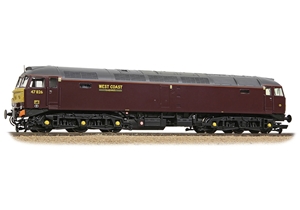
35-431Class 47/4 47826 WCRC Maroon
'OO' GaugeReleased: 22/05/26DCC Ready (PluX22)Era 11Towards the end of the 1950s, British Railways began planning a new fleet of diesel locomotives and after investigating several prototypes, BR decided to place an order with Brush Engineering for 20 locomotives during February 1961. The resulting design became the iconic Brush Type 4 Diesel locomotive, a practical, versatile design with a very distinctive cab. Powered with a Sulzer engine and initially rated at 2,750hp, the locomotive could achieve a top speed of 75mph with a tractive effort of 55,000lb. Building commenced in January 1962 and the first locomotive No. D1500 appeared in late September of the same year with test runs on the London Midland Region and Western Region. The design was a success and BR went on to order a total of 512 with continuous production through to early 1967, forming the largest single class of main-line diesel locomotives in the UK.
Our Price:
£203.95
£203.95
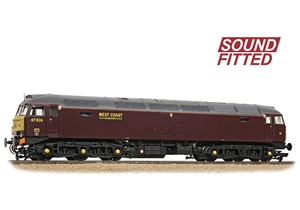
35-431SFClass 47/4 47826 WCRC Maroon With DCC Sound
'OO' GaugeReleased: 22/05/26DCC FittedDCC SoundEra 11Towards the end of the 1950s, British Railways began planning a new fleet of diesel locomotives and after investigating several prototypes, BR decided to place an order with Brush Engineering for 20 locomotives during February 1961. The resulting design became the iconic Brush Type 4 Diesel locomotive, a practical, versatile design with a very distinctive cab. Powered with a Sulzer engine and initially rated at 2,750hp, the locomotive could achieve a top speed of 75mph with a tractive effort of 55,000lb. Building commenced in January 1962 and the first locomotive No. D1500 appeared in late September of the same year with test runs on the London Midland Region and Western Region. The design was a success and BR went on to order a total of 512 with continuous production through to early 1967, forming the largest single class of main-line diesel locomotives in the UK.
Our Price:
£301.70
£301.70
Prev | Next