
Search results
 R30325
RailRoad S&DJR, Class 3F 'Jinty', 0-6-0, No. 25
 'OO' Gauge
 Released: 20/05/24
 Era 2
Era 2
Our Price:
£71.99
£71.99
R60116Triple Wagon Pack, Houghton Main, Thos. Lebon & Sons & Settle Speakman
'OO' GaugeReleased: 20/05/24Era 3
Our Price:
£54.45
£54.45
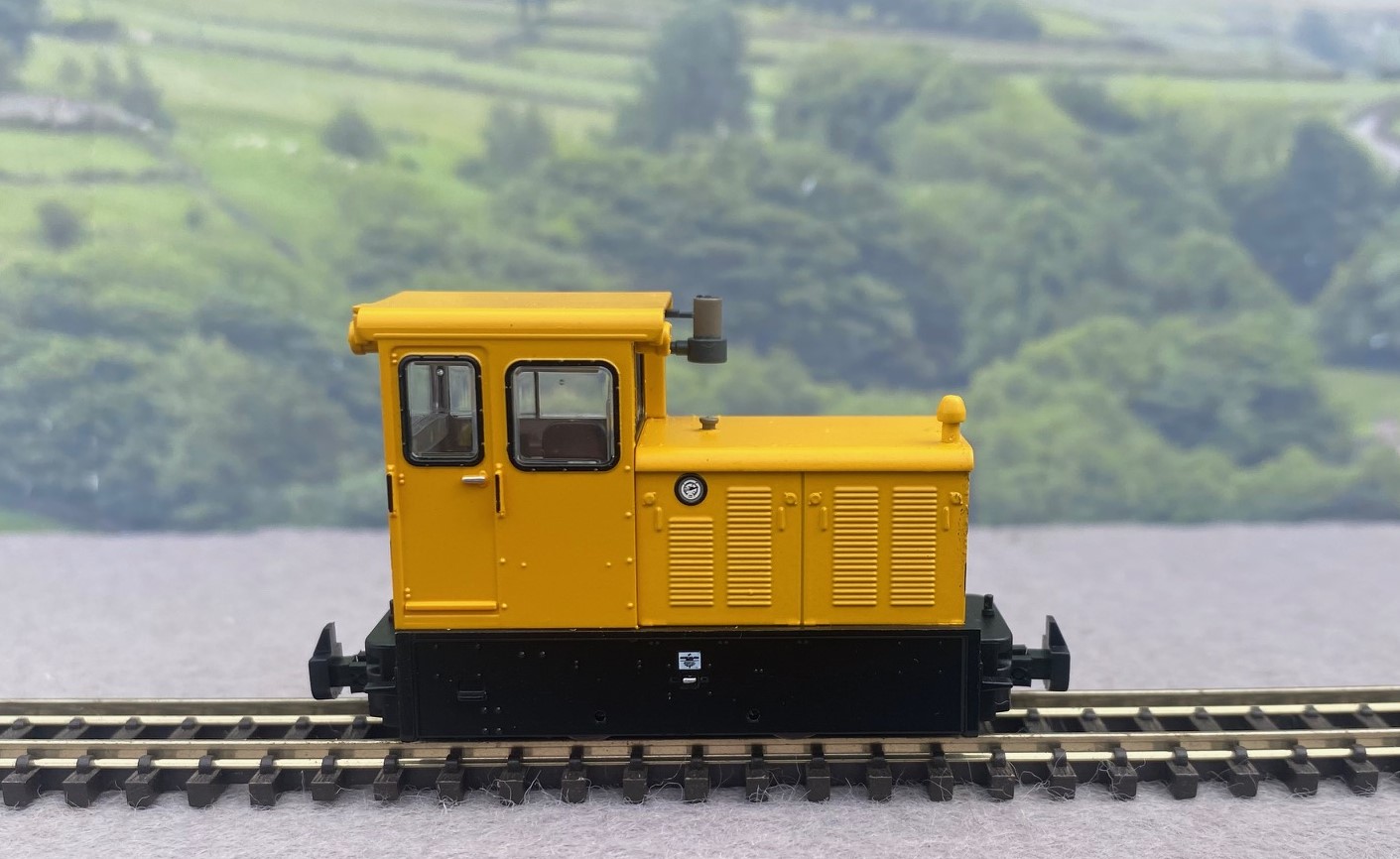
 392-025
Baguley-Drewry 70hp Diesel DH88 RNAD Dean Hill
'OO-9' GaugeReleased: 30/05/24 DCC Ready (Next18)Era 7
BAGULEY-DREWRY 70HP DIESEL HISTORY
The seventy horsepower, 4 wheel diesel-hydraulic locomotives were built by Baguley-Drewry in Burton Upon Trent at the start of the 1980s and were some of the final locomotives to be outshopped by the company which closed its doors in 1984. Ordered by the Ministry of Defence for use in the Royal Navy Armaments Depots in Wales at Milford Haven and Trecwn, the fleet was later transferred to Dean Hill in Wiltshire which remained operational until 2004. In 2009, the remaining railway assets were sold off giving the Baguley-Drewrys a second life in preservation or at private railways. Originally built to a gauge of 2ft. 6in., some has since been re-gauged to suit the varying gauges used by the narrow gauge railways that they now call home.
Our Price:
£101.95
£101.95
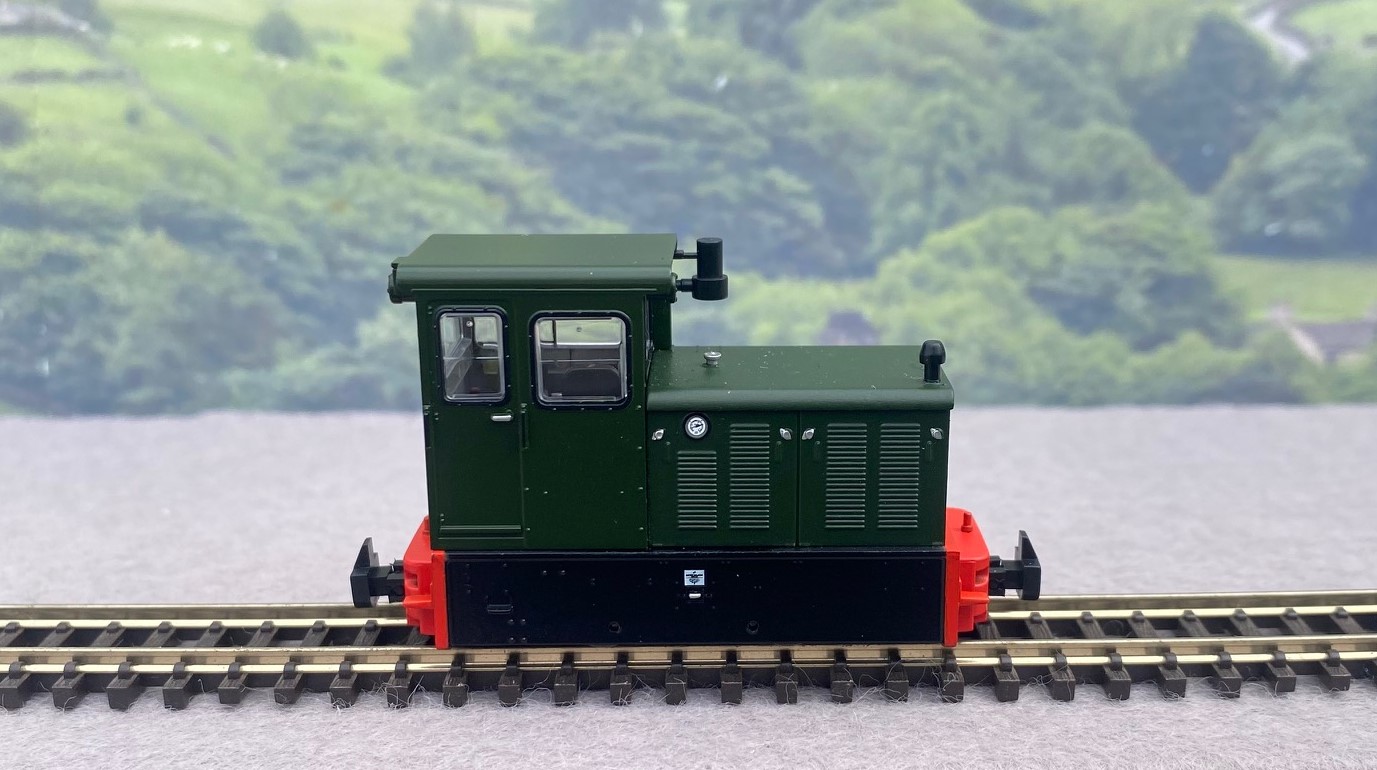
392-026Baguley-Drewry 70hp Diesel Green
'OO-9' GaugeReleased: 30/05/24DCC Ready (Next18)Era 9BAGULEY-DREWRY 70HP DIESEL HISTORY
The seventy horsepower, 4 wheel diesel-hydraulic locomotives were built by Baguley-Drewry in Burton Upon Trent at the start of the 1980s and were some of the final locomotives to be outshopped by the company which closed its doors in 1984. Ordered by the Ministry of Defence for use in the Royal Navy Armaments Depots in Wales at Milford Haven and Trecwn, the fleet was later transferred to Dean Hill in Wiltshire which remained operational until 2004. In 2009, the remaining railway assets were sold off giving the Baguley-Drewrys a second life in preservation or at private railways. Originally built to a gauge of 2ft. 6in., some has since been re-gauged to suit the varying gauges used by the narrow gauge railways that they now call home.
Our Price:
£101.95
£101.95
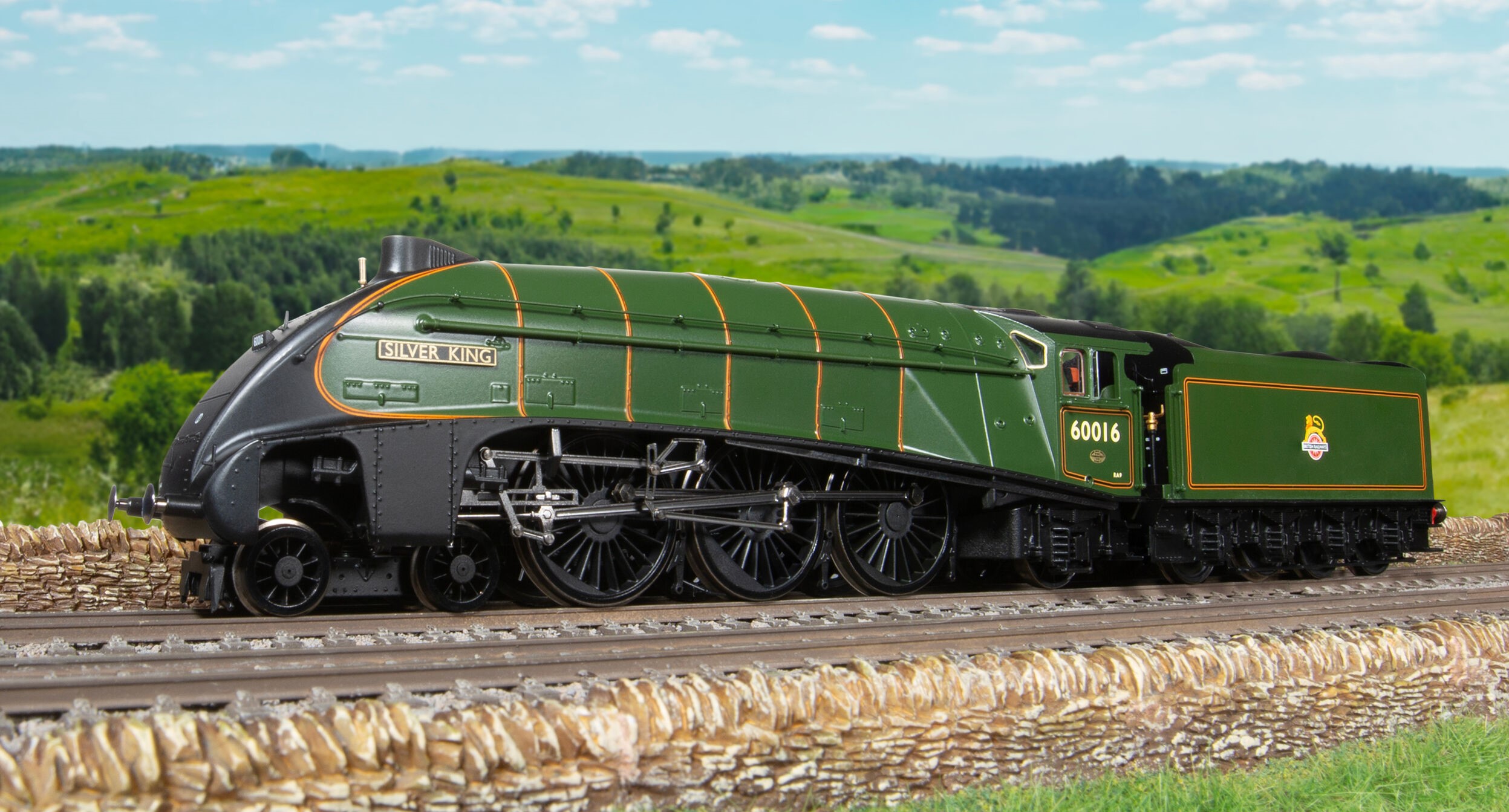
R30349Hornby Dublo BR, A4 Class, 4-6-2, 60016 'Silver King'
'OO' GaugeReleased: 25/06/24DCC Ready (8 Pin)Era 4The LNER Gresley A4 is one of the most iconic express locomotives in Great Britain. Its streamlined casing was a classic symbol of the attitude towards speed and design in the 1930s when the railways saw increased competition from road and air travel. The LNER Board knew that they had to make travel between the major cities faster, more comfortable and more reliable.
Nigel Gresley, the LNER's Chief Mechanical Officer, travelled on the Fliegende Hamburger diesel locomotive in Germany and was impressed by its streamlining, although he realized it was only efficient at high speeds. Gresley was certain that a modified A3 Pacific, with streamlining, could haul greater loads than other locomotives at the same speed or faster and a series of trials were conducted to confirm the A3's suitability.
With trials successfully completed, the LNER Board gave Gresley the go-ahead to create the "Silver Jubilee" streamlined trains, the first of the new streamlined A4s. The streamlining of the A4s' steam circuit, higher boiler pressure and extension of the firebox to create a combustion chamber made them more efficient than the A3 as they consumed less coal and water- especially later on when they were also fitted with a Kylchap double chimney. This improved their free steaming capabilities further.
The streamlined design not only improved speeds but it also created an updraught of smoke, obscuring the driver's vision, a major problem on the new Class A4 engines. The story goes that during wind-tunnel testing, after several unsuccessful efforts to get the smoke to lift clear, a thumbprint was inadvertently left on the clay model just behind the chimney. This succeeded in clearing the smoke and was incorporated into the final design.
No. 60016 ‘Silver King’ in its original form as No. 2511 was the third A4 Pacific to be constructed in 1935 and was also designed to haul the new streamlined ‘Silver Jubilee’ coaches. No. 2509 ‘Silver Link’ was named to mark the Silver Jubilee of King George V. Four A4 Pacifics were named with a silver theme in mind. The locomotive entered service in November 1935 in the unique LNER Silver livery designed for the service. The locomotive went on to work under BR as 60016 in a BR green livery before being scrapped in 1965, making it one of the longest-serving A4 locomotives.
Hornby Dublo A4 models feature a die-cast body, just like their original Hornby Dublo counterparts. This is coupled with enchanted decoration which, when paired with the die-cast boiler, provides a realistic finish to the body. The models contain a 5-pole motor with a flywheel and are DCC-ready with an 8-pin socket. The ‘Silver King’ locomotive and tender features a vibrant BR green livery. They also come with crew figures. The accessory bag contains an instruction leaflet, two cylinder draincocks, a wheel/axle assembly, a left-hand driver figure and a fireman figure.
Our Price:
£287.99
£287.99