Search results
 50-010SFX
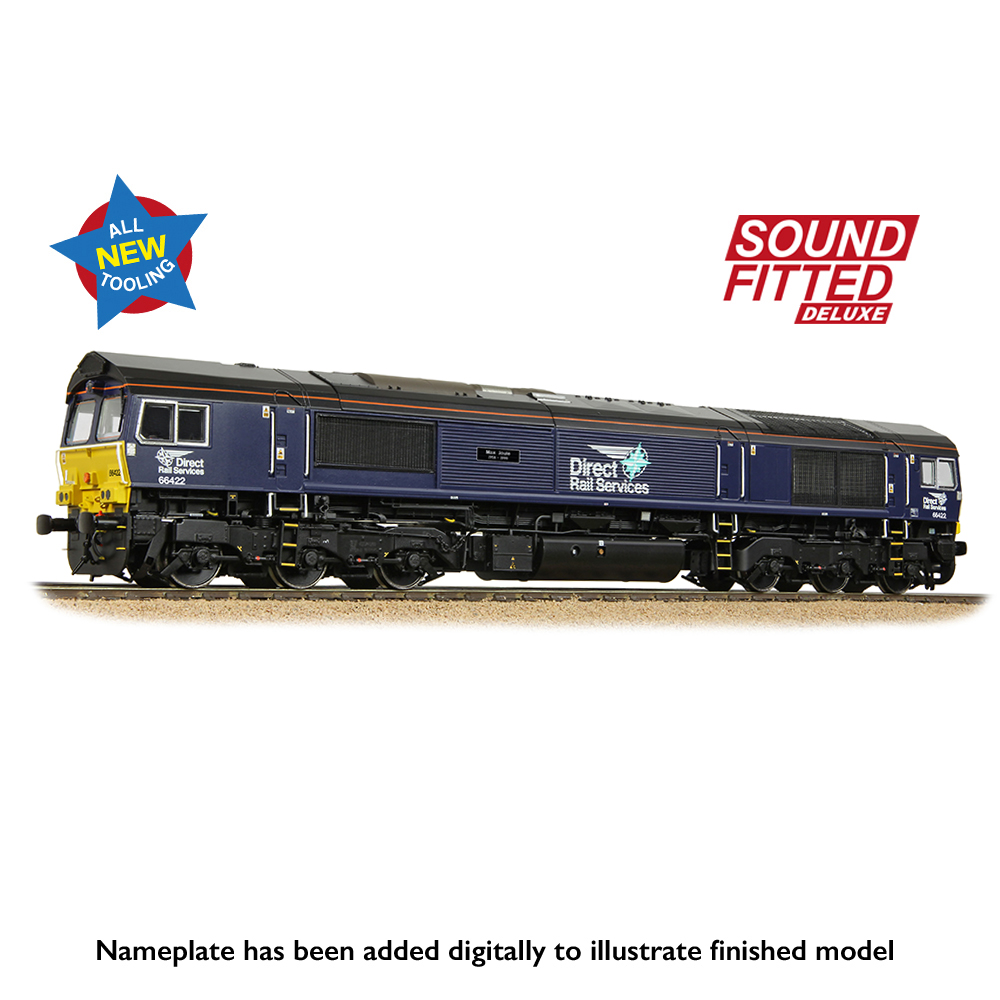
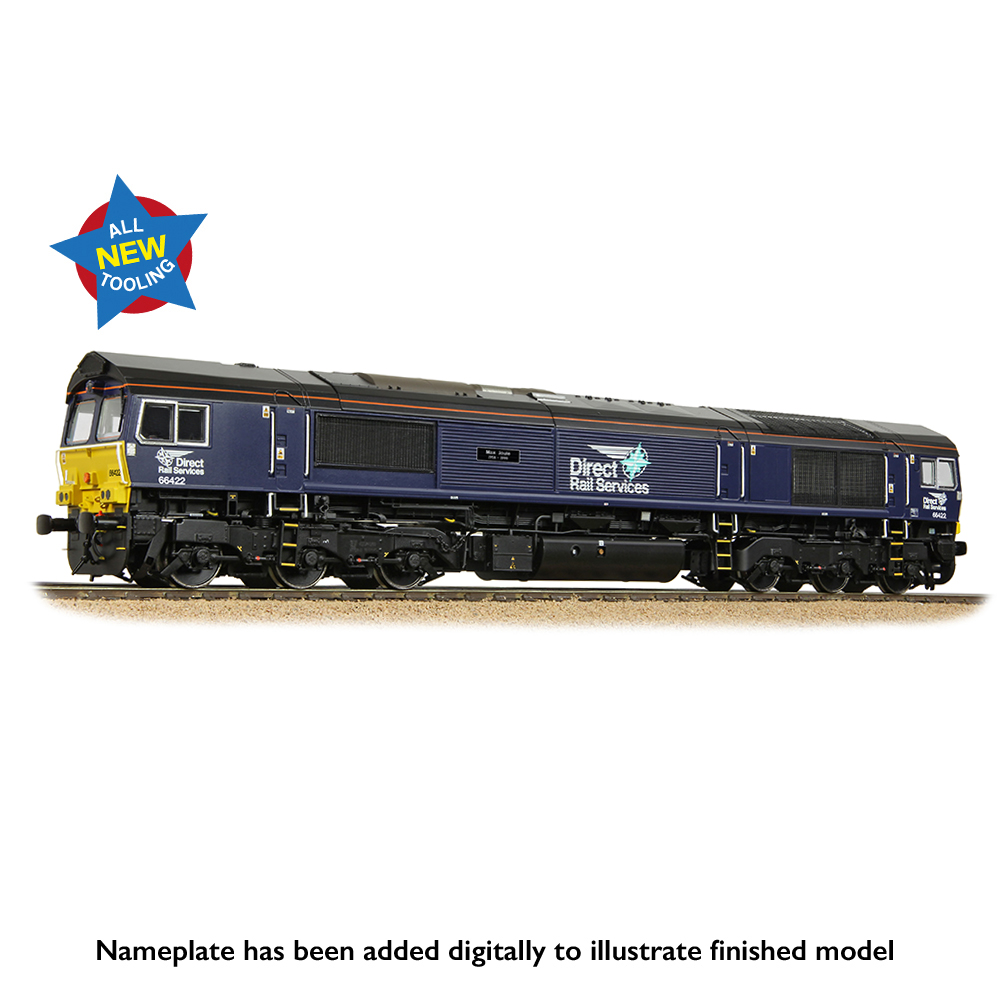
Class 66/4 66422 'Max Joule 1958-1999' DRS Compass (Small Logo) With DCC Sound Deluxe
 'OO' Gauge
 Released: 24/12/25
 DCC FittedDCC Sound
 Era 9
Era 9When it comes to technology, the specification doesn’t get any better than this SOUND FITTED DELUXE Class 66 which includes a full lighting suite with directional lights that can be switched between day and night modes, stabling mode, cab lights and machine room lights. The pre-fitted ESU Loksound V5DCC Sound Decoder plays authentic sounds through the Dual Fitted XL speaker system, and operational interruptions – like sound cut outs, stalling and light flicker – are a thing of the past thanks to our Bach-Up Stay Alive System. The Auto-Release Couplings fitted at either end of this Class 66 are the icing on the cake, providing hands-free, remote uncoupling, all automated and controlled by the press of a button.
Our Price:
£314.45
£314.45
50-010Class 66/4 66422 'Max Joule 1958-1999' DRS Compass (Small Logo)
'OO' GaugeReleased: 24/12/25DCC Ready (PluX22)Era 9The Class 66 Diesel Locomotive revolutionised the British rail freight landscape when the first examples arrived in 1998, and more than a quarter of a century later, the type remains at the forefront of freight operations the length and breadth of the country. Now, we are delighted to present the all-new Bachmann Branchline OO Scale Class 66 which has been designed from the rails up, capturing this modern icon like never before.
Our Price:
£195.45
£195.45
 372-610
LNER V2 4791 LNER Lined Green (Original)
'N' GaugeReleased: 24/12/25DCC Ready (Next18)Era 3Faced with a growing threat to its freight traffic from road transport, in 1928 the LNER launched its ‘Green Arrow’ express goods services, a new range of fast, fully brake-fitted, long-distance goods, parcels and perishables trains. To haul these services a top link locomotives were required and at first, A1 and A3 Class ‘Pacifics’ were employed along with the LNER’s K3 2-6-0s, although the K3s were not suited to the high speeds required for the ‘Green Arrow’ services. With the Pacifics required for passenger work, in 1935 the LNER announced its intention to develop a new locomotive for long-distance, mixed traffic work and the following year the first of Sir Nigel Gresley’s V2 Class entered traffic.

Our Price:
£186.95
£186.95
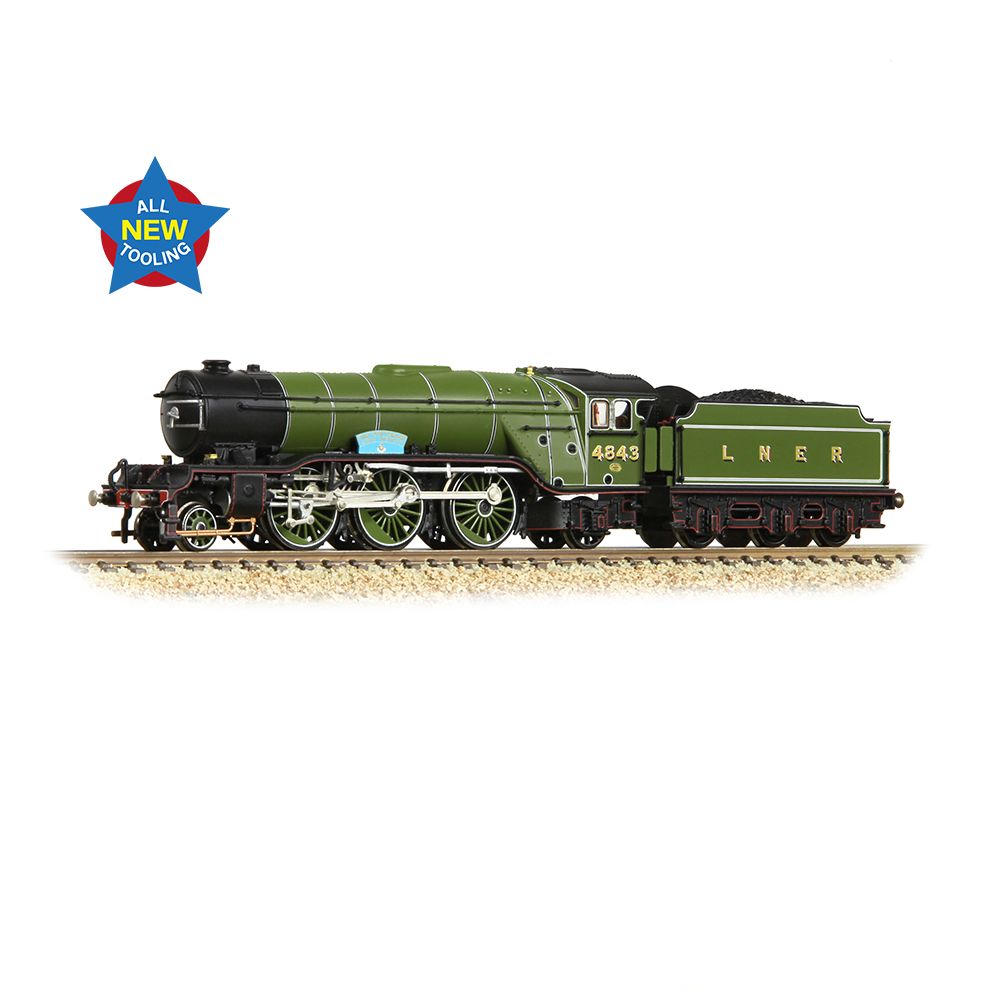
372-611LNER V2 4843 'Kings Own Yorkshire Light Infantry' LNER Lined Green
'N' GaugeReleased: 24/12/25DCC Ready (Next18)Era 3Faced with a growing threat to its freight traffic from road transport, in 1928 the LNER launched its ‘Green Arrow’ express goods services, a new range of fast, fully brake-fitted, long-distance goods, parcels and perishables trains. To haul these services a top link locomotives were required and at first, A1 and A3 Class ‘Pacifics’ were employed along with the LNER’s K3 2-6-0s, although the K3s were not suited to the high speeds required for the ‘Green Arrow’ services. With the Pacifics required for passenger work, in 1935 the LNER announced its intention to develop a new locomotive for long-distance, mixed traffic work and the following year the first of Sir Nigel Gresley’s V2 Class entered traffic.
Our Price:
£186.95
£186.95
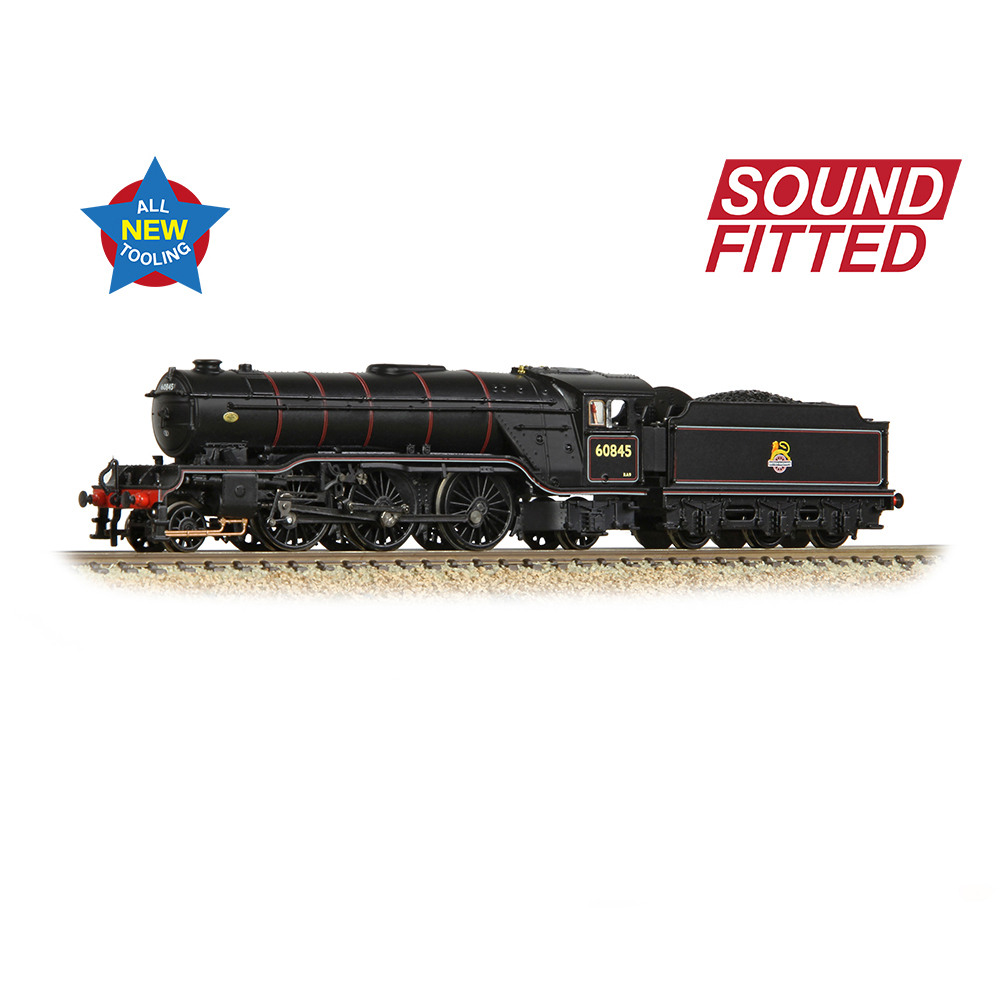
372-612SFLNER V2 60845 BR Lined Black (Early Emblem) With DCC Sound Fitted
'N' GaugeReleased: 24/12/25DCC FittedEra 4Faced with a growing threat to its freight traffic from road transport, in 1928 the LNER launched its ‘Green Arrow’ express goods services, a new range of fast, fully brake-fitted, long-distance goods, parcels and perishables trains. To haul these services a top link locomotives were required and at first, A1 and A3 Class ‘Pacifics’ were employed along with the LNER’s K3 2-6-0s, although the K3s were not suited to the high speeds required for the ‘Green Arrow’ services. With the Pacifics required for passenger work, in 1935 the LNER announced its intention to develop a new locomotive for long-distance, mixed traffic work and the following year the first of Sir Nigel Gresley’s V2 Class entered traffic.
Our Price:
£280.45
£280.45