
Search results
 372-034SF
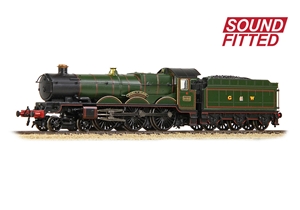
GWR 4073 'Castle' 5055 'Earl of Eldon' GWR Lined Green (GW Crest) With DCC Sound
 'N' Gauge
 Released: 25/03/26
 DCC FittedDCC Sound
 Era 3
Era 3The Graham Farish Castle Class locomotive is a worthy replica of one of the Great Western Railway’s (GWR) finest steam locomotive designs, with its elegant appearance only amplified by the beautiful lined green livery that was synonymous with the GWR, and later British Railway’s Western Region. This N scale model combines the Castle’s good looks with an exquisite paint finish to produce a masterpiece in miniature fit for any Western-inspired collection.
Our Price:
£246.45
£246.45
372-05SFGWR 4073 'Castle' 4082 'Windsor Castle' GWR Lined Green (Shirtbutton) With DCC Sound
'N' GaugeReleased: 25/03/26DCC FittedDCC SoundEra 3The Graham Farish Castle Class locomotive is a worthy replica of one of the Great Western Railway’s (GWR) finest steam locomotive designs, with its elegant appearance only amplified by the beautiful lined green livery that was synonymous with the GWR, and later British Railway’s Western Region. This N scale model combines the Castle’s good looks with an exquisite paint finish to produce a masterpiece in miniature fit for any Western-inspired collection.
Our model of No. 4082 ‘Windsor Castle’ is finished in GWR Lined Green livery with Shirtbutton logos on the tender, but earlier in its life this locomotive took part in the centenary celebrations of the opening of the Stockton & Darlington Railway in 1925, and so we’ve selected ‘Windsor Castle’ for our Railway Celebrations range and the model will be supplied in special Railway Celebrations packaging.

Our Price:
£246.45
£246.45
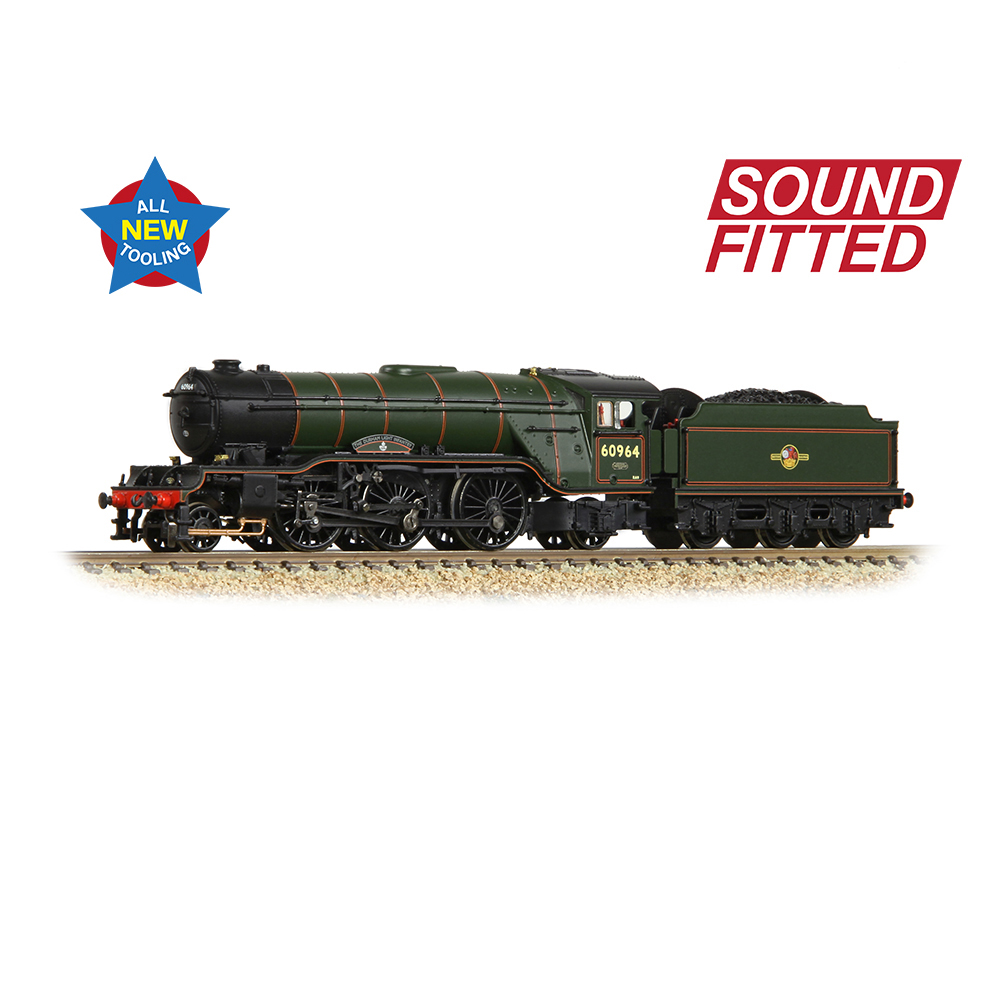
372-613SFLNER V2 60964 'Durham Light Infantry' BR Lined Green (Late Crest) With DCC Sound
'N' GaugeReleased: 25/03/26DCC FittedDCC SoundEra 5Some twenty years since the V2 was first produced in N scale by Graham Farish, this all-new model of the LNER Mixed Traffic icon is made to standards not even dreamt of twenty years ago. Often described as ‘the engines that won the war’, these new Graham Farish models are sure to win the heart of any discerning N scale enthusiast. Depicting one of the LNER’s most successful steam locomotive designs, this masterpiece in miniature captures the look and the character of the prototype to a tee. With highly detailed mouldings and many separate parts used on both the locomotive and tender, including era- and prototype-specific detailing to allow accurate models of any given class member throughout their working lives, the performance of these new V2s is just as impressive as their appearance.
A powerful coreless motor and flywheel is incorporated into the diecast locomotive chassis, powering the driving wheels which run in separate metal bearings. With electrical pickup from the driving wheels and tender wheels and the option to have traction tyres fitted to one driving wheelset, this new V2 is on a steady footing as soon as it hits the rails. Supplied complete with SOUND FITTED, this model will provide realistic sound effects on both analogue and DCC straight out of the box!
Our Price:
£280.45
£280.45
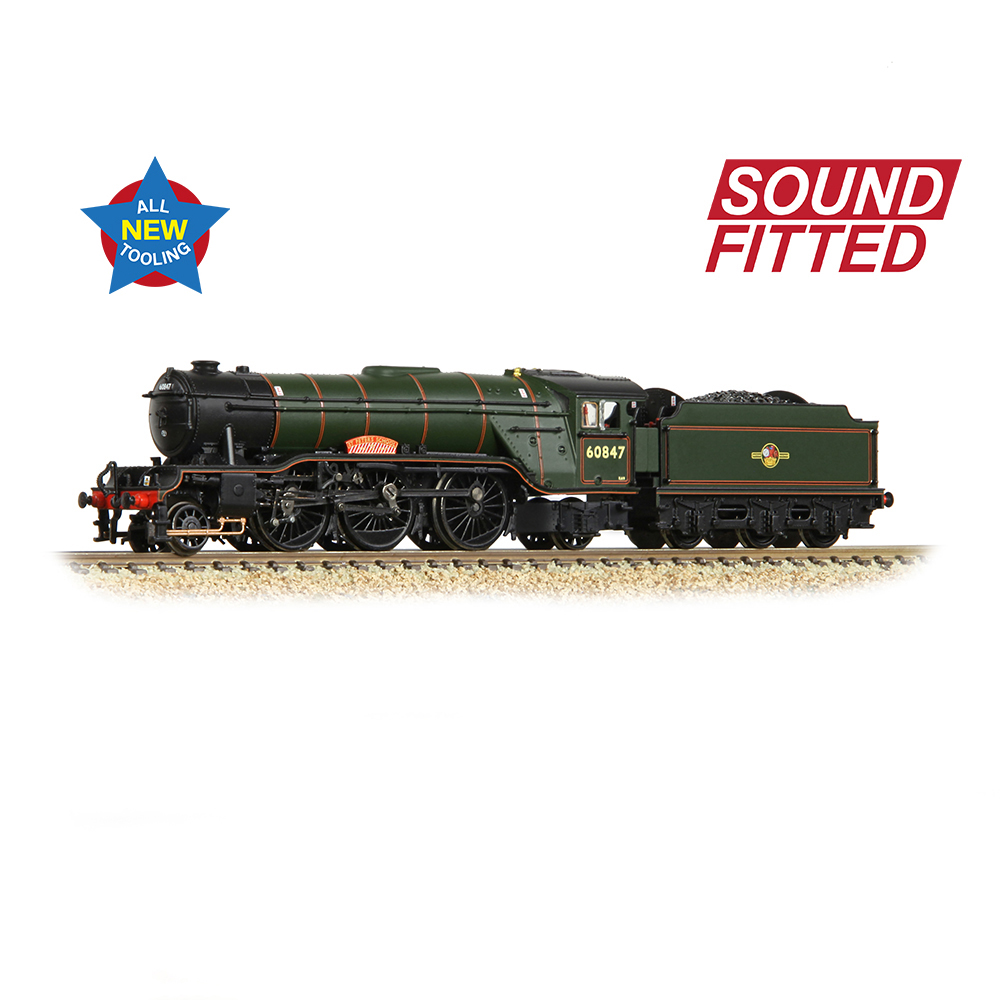
372-614SFLNER V2 60847 'St Peter's School' BR Lined Green (Late Crest) With DCC Sound
'N' GaugeReleased: 25/03/26DCC FittedDCC SoundEra 5Some twenty years since the V2 was first produced in N scale by Graham Farish, this all-new model of the LNER Mixed Traffic icon is made to standards not even dreamt of twenty years ago. Often described as ‘the engines that won the war’, these new Graham Farish models are sure to win the heart of any discerning N scale enthusiast. Depicting one of the LNER’s most successful steam locomotive designs, this masterpiece in miniature captures the look and the character of the prototype to a tee. With highly detailed mouldings and many separate parts used on both the locomotive and tender, including era- and prototype-specific detailing to allow accurate models of any given class member throughout their working lives, the performance of these new V2s is just as impressive as their appearance.
A powerful coreless motor and flywheel is incorporated into the diecast locomotive chassis, powering the driving wheels which run in separate metal bearings. With electrical pickup from the driving wheels and tender wheels and the option to have traction tyres fitted to one driving wheelset, this new V2 is on a steady footing as soon as it hits the rails. Supplied complete with SOUND FITTED, this model will provide realistic sound effects on both analogue and DCC straight out of the box!
Our Price:
£280.45
£280.45
372-775ASE&CR C Class 4 SE&CR Lined Green (Simplified)
'N' GaugeReleased: 25/03/26DCC Ready (Next18)Era 2Built between 1900 and 1908, the C Class was the SE&CR’s answer to the growing need for a standardised freight locomotive design. It proved extremely successful with a total of 109 being built, and many survived into the 1960s on mainline duties with BR. This model depicts running number 4 in the later simplified Lined Green of the SE&CR.

Our Price:
£131.70
£131.70