
Search results
 32-832
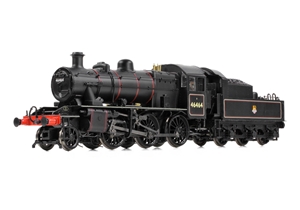
vatt 2MT 46464 BR Lined Black (Early Emblem)
 'OO' Gauge
 Released: 09/09/26
 DCC Ready (8 Pin)
 Era 4
Designed by H. G. Ivatt for the London, Midland & Scottish Railway (LMS), 128 of these Class 2 Moguls were built for light freight and passenger duties. With construction commencing in 1946, just twenty examples were built by the LMS and the remaining 108 were outshopped by British Railways following Nationalisation in 1948. The construction programme was completed in 1952 and these Mixed Traffic locomotives would go on to operate on all the BR regions, with the exception of the Southern. Light axle loadings allowed the Ivatt 2MTs to be used on most routes including branch lines, where their almost enclosed cabs made them ideal for working tender first when no turning facilities existed. The design provided the basis for the BR Standard Class 2MT 2-6-0, and the two are very similar in appearance, with the Standard version having only a modified cab and tender profile to allow unrestricted route availability across the British network.
Our Price:
£152.95
£152.95
 R30476SS
BR (Early) - Class A3 - 60063 'Isinglass' (With Steam Generator)
Released: 17/09/26DCC FittedDCC SoundEra 4This locomotive started life as one of Gresley’s original 52 ‘A1’ Class, completed at Doncaster Works as No. 2562 in July 1925. It was one of only eight locomotives given a name from new, the remainder being named between August 1925 and the following February.
Isinglass was rebuilt as an ‘A3’ in April 1946, which included a new boiler to a higher pressure, matching 27 new ‘A3’ locomotives constructed between 1928 and 1935. Renumbered 531 in 1946, the locomotive became No. 60063 under BR and was fitted with a double-chimney in 1959 and smoke deflectors in 1961. It was withdrawn from service in June 1964 and scrapped.

Our Price:
£287.99
£287.99
R30552SSBR - Class A4 - 'Seagull' - 60033 (With Steam Generator) and Sound
'OO' GaugeReleased: 21/09/26DCC FittedDCC SoundEra 5No. 60033 ‘Seagull’ was among the four new ‘A4s’ built with double chimney and blastpipe in 1938, the remainder of the class not receiving them until the 1950s.
First numbered 4902, it was also one of a batch of six new LNER ‘A4s’ to be named after birds, as Sir Nigel Gresley had a particular fondness for breeding wild birds. ‘Seagull’ was one of three ‘A4’ Class ‘Pacifics’ used for the 1948 Locomotive Exchange Trials, in which the newly formed British Railways sought to test locomotives on the routes of other former ‘Big Four’ members. No. 60033 worked between London Paddington and Plymouth, though it didn’t perform as well as the GWR locomotives that were designed for the route.
The locomotive was withdrawn in December 1962 and scrapped at Doncaster the following year. In 2026, we have given the A4 a tooling update and the model now includes the new Hornby steam generator technology, working headlights and tender lights.
Our Price:
£350.99
£350.99
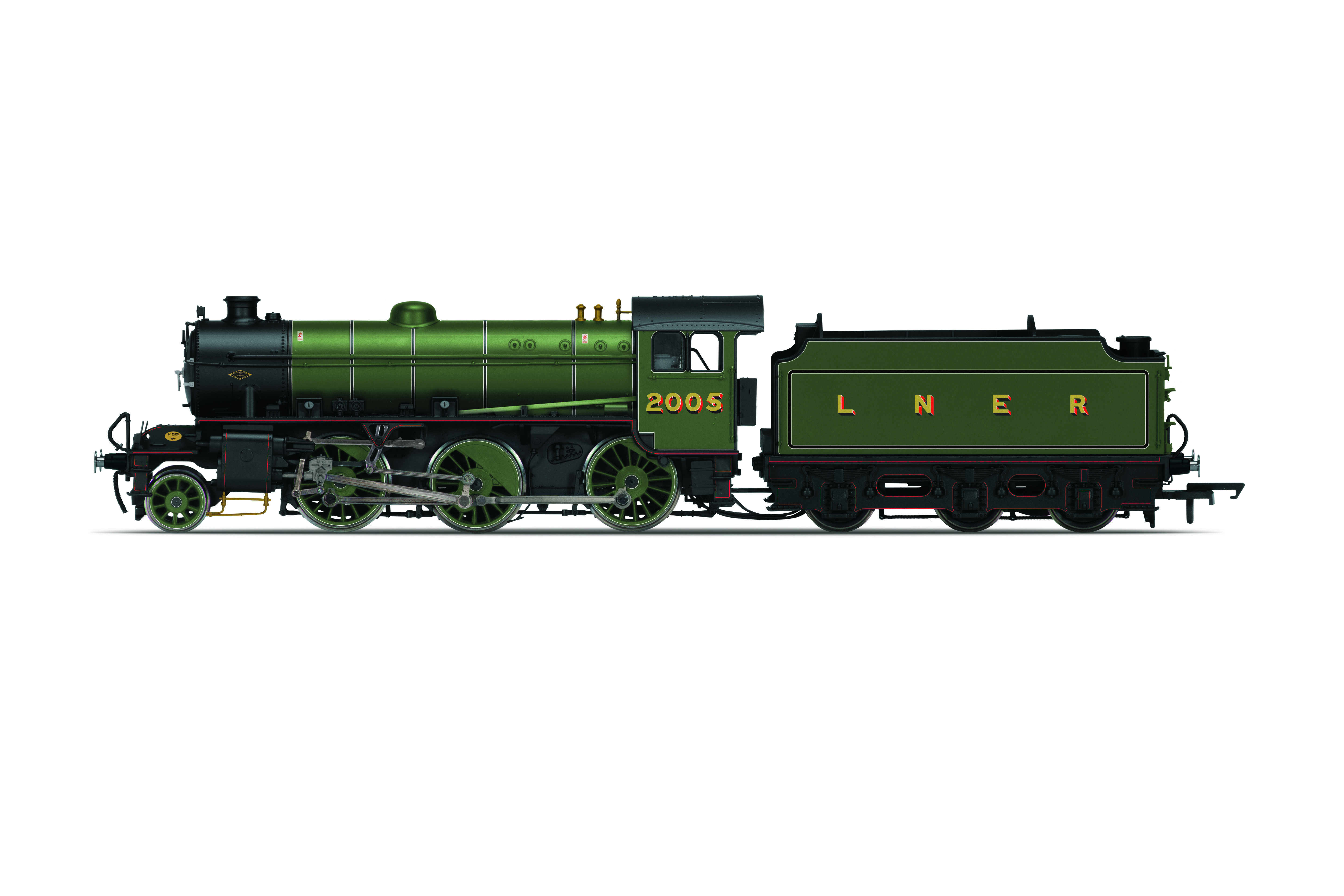
R30504LNER - K1 Class - 2005
'OO' GaugeReleased: 21/09/26DCC Ready (21 Pin)Era 11The LNER K1 Class is a must-have addition to your steam model railway. With sprung metal buffers and NEM tension lock couplings, you can upgrade to DCC control by adding a 21-pin decoder (sold seperately).
The ‘K1s’ were useful and versatile engines, working extensively across former LNER territory, but were mostly associated with north-east England and also the West Highland Line to Fort William and Mallaig.
No. 62005 was the final member of the 70-strong class to remain in service, being withdrawn from Leeds Holbeck in December 1967. Though it survives today in preservation, it was initially acquired as a source of spares for already-preserved ‘K4’ 3442. However, in 1972 it was donated to the North Eastern Locomotive Preservation Group and based at the North Yorkshire Moors Railway, where it was restored in its own right, returning to steam in 1975.
Our Price:
£196.19
£196.19
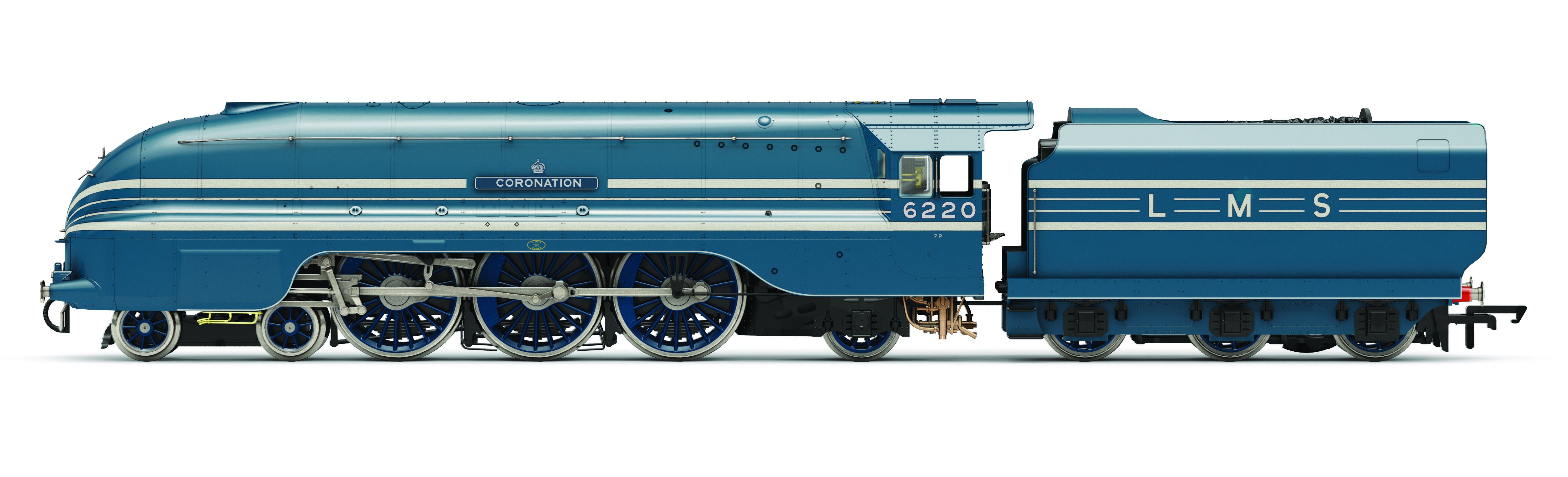
R30556LMS - Streamlined 6220 'Coronation' with figure - Limited Edition (150th Anniversary Collection)
'OO' GaugeReleased: 28/09/26DCC Ready (21 Pin)Era 3The LMS Streamlined 'Coronation' model locomotive is a limited edition item and part of The Great Railway Engineers Collection. This Collection marks 150 years since Sir Stanier's birth, and this locomotive includes a figure.
The ‘Princess Coronation’ Class, also known as the ‘Duchess’ Class, was an enlarged and improved version of William Stanier’s successful ‘Princess Royal’ Class ‘Pacific’. The first ten class members emerged from Crewe Works in a streamlined form during 1937 and five of these were put aside specifically for hauling the prestigious ‘Coronation Scot’ between London Euston and Glasgow Central. These were painted in Caledonian blue and had silver horizontal lining, which matched the carriages they pulled.
No. 6220 set a new British steam speed record of 114mph in 1937, but this was beaten by the LNER’s ‘Mallard’ in 1938. Built with a single chimney, 6220 was the last of the original 15 to be fitted with a double blast pipe and chimney in 1944. The locomotive’s streamlined casing was removed in November 1946, and it finished its career in its rebuilt form with smoke deflectors as BR’s 46220 in April 1963.
Our Price:
£256.49
£256.49