
Search results
 374-879
LMS 50ft Inspection Saloon BR InterCity (Swallow)
 'N' Gauge
 Released: 24/11/21
 Era 8
Era 8
Our Price:
£44.95
£44.95
377-301DLMS 20T Brake Van BR Grey (Early)
'N' GaugeReleased: 24/11/21Era 4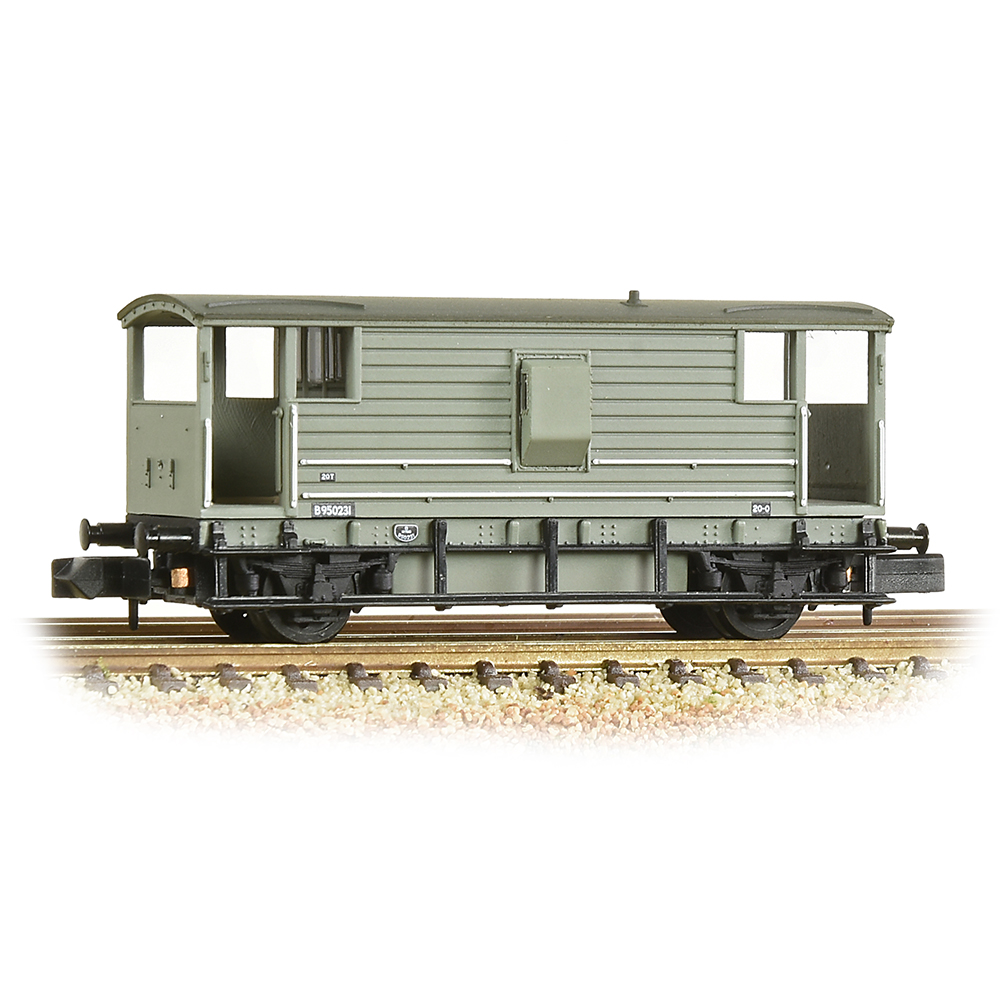
Our Price:
£24.25
£24.25
377-310CLMS 20T Brake Van LMS Grey
'N' GaugeReleased: 24/11/21Era 3
Our Price:
£24.25
£24.25
 PT-60
PT-60FLEXI LOCO LIFT (SINGLE) (LOCO NOT INCLUDED)
Released: 01/12/21Designed as a replacement for the old SL-43 Loco Lift, this new versatile system still has the features that made the SL-43 so popular, such as the ability to directly drive the locomotive on and off the track. But that was limited to OO/HO scale and this new system has been developed to adapt to all scales from N through to EM, including OO-9 (HOe), HOn3, TT, HOm and OO/HO.
The modeller simply selects the gauge that they want by sliding the two halves together until the right gauge has been selected (there are guide marks on the mouldings to help with that) and then self-tapping screws secure things in place. When placed on the track, the metal plates that act as the track ensure that locomotives can be driven on and off with ease. Each Flexi Loco Lift is supplied with two sliding shutter doors, provided to make sure nothing falls out whilst being transported, and these are trimmed to suit the gauge selected. It is as simple as that! No gluing required.

Our Price:
£10.50
£10.50
PT-61FLEXI LOCO LIFT (DOUBLE)(LOCO NOT INCLUDED)
Released: 01/12/21Designed as a replacement for the old SL-43 Loco Lift, this new versatile system still has the features that made the SL-43 so popular, such as the ability to directly drive the locomotive on and off the track. But that was limited to OO/HO scale and this new system has been developed to adapt to all scales from N through to EM, including OO-9 (HOe), HOn3, TT, HOm and OO/HO.
The modeller simply selects the gauge that they want by sliding the two halves together until the right gauge has been selected (there are guide marks on the mouldings to help with that) and then self-tapping screws secure things in place. When placed on the track, the metal plates that act as the track ensure that locomotives can be driven on and off with ease. Each Flexi Loco Lift is supplied with two sliding shutter doors, provided to make sure nothing falls out whilst being transported, and these are trimmed to suit the gauge selected. It is as simple as that! No gluing required.

Our Price:
£18.50
£18.50