
Search results
 974008
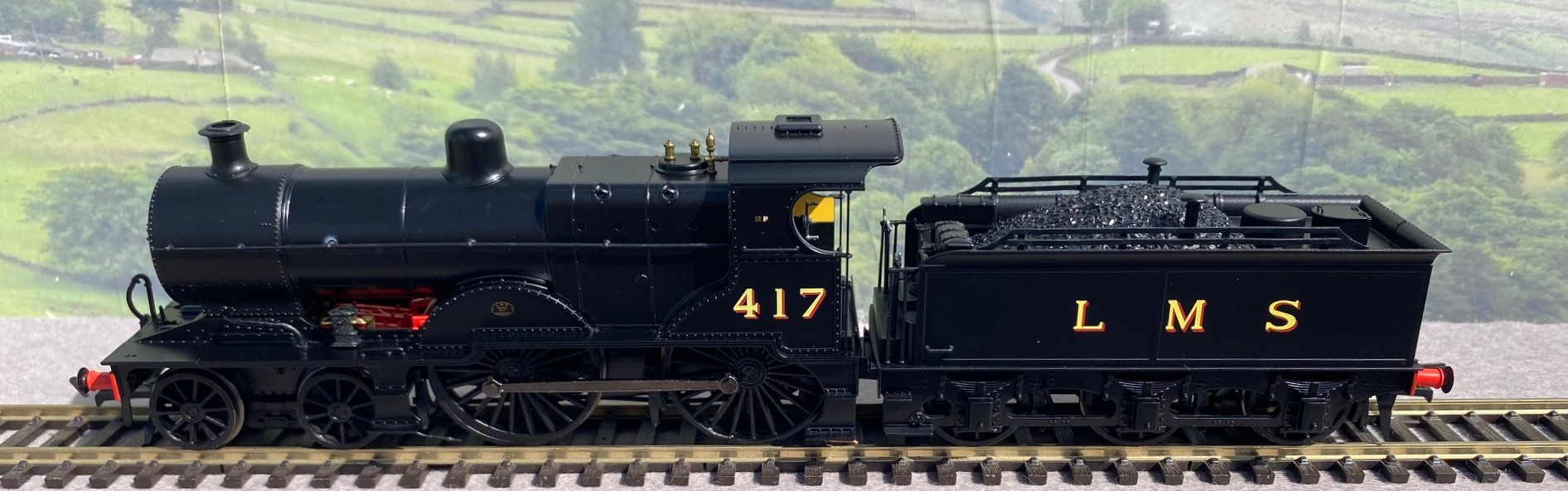
MR 483 No.417 LMS Wartime Unlined Black
 'OO' Gauge
 Released: 19/08/26
 DCC Ready (21 Pin)
 Era 3
Era 3The Midland Railway 483 Class 4-4-0 was a class of steam-driven locomotive designed by Henry Fowler for passenger work on the Midland Railway. The class were nominally "rebuilds" of various earlier classes designed by Samuel W. Johnson. This design formed the basis for the later LMS Class 2P 4-4-0.
Construction of the first batch was authorised by Midland Railway Order O/3942 dated 21 June 1911: Four more batches were authorised; in 1912, 1913, 1914 and 1922. The London, Midland and Scottish Railway (LMS) inherited these locomotives at the Grouping of the railways in 1923, completing the last of these rebuilds in 1924. Some of them entered British Railways (BR) ownership in 1948 but all were scrapped from 1950 to 1959.
Our Price:
£178.45
£178.45
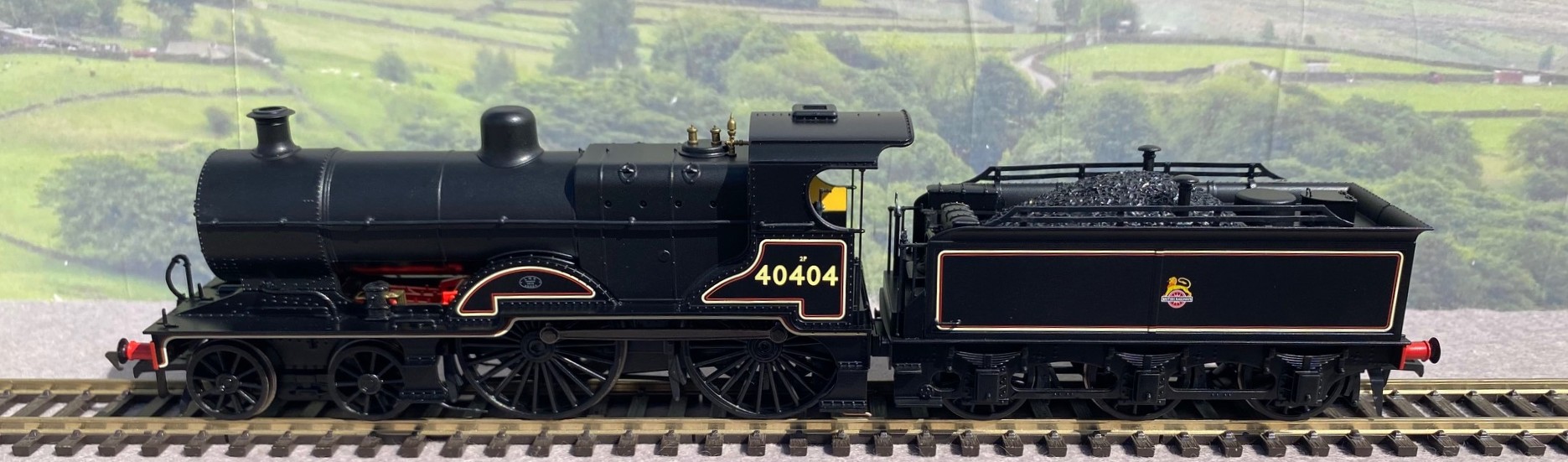
974011MR 483 No.40404 BR Lined Early Crest
'OO' GaugeReleased: 19/08/26DCC Ready (21 Pin)Era 4The Midland Railway 483 Class 4-4-0 was a class of steam-driven locomotive designed by Henry Fowler for passenger work on the Midland Railway. The class were nominally "rebuilds" of various earlier classes designed by Samuel W. Johnson. This design formed the basis for the later LMS Class 2P 4-4-0.
Construction of the first batch was authorised by Midland Railway Order O/3942 dated 21 June 1911: Four more batches were authorised; in 1912, 1913, 1914 and 1922. The London, Midland and Scottish Railway (LMS) inherited these locomotives at the Grouping of the railways in 1923, completing the last of these rebuilds in 1924. Some of them entered British Railways (BR) ownership in 1948 but all were scrapped from 1950 to 1959.
Our Price:
£178.45
£178.45
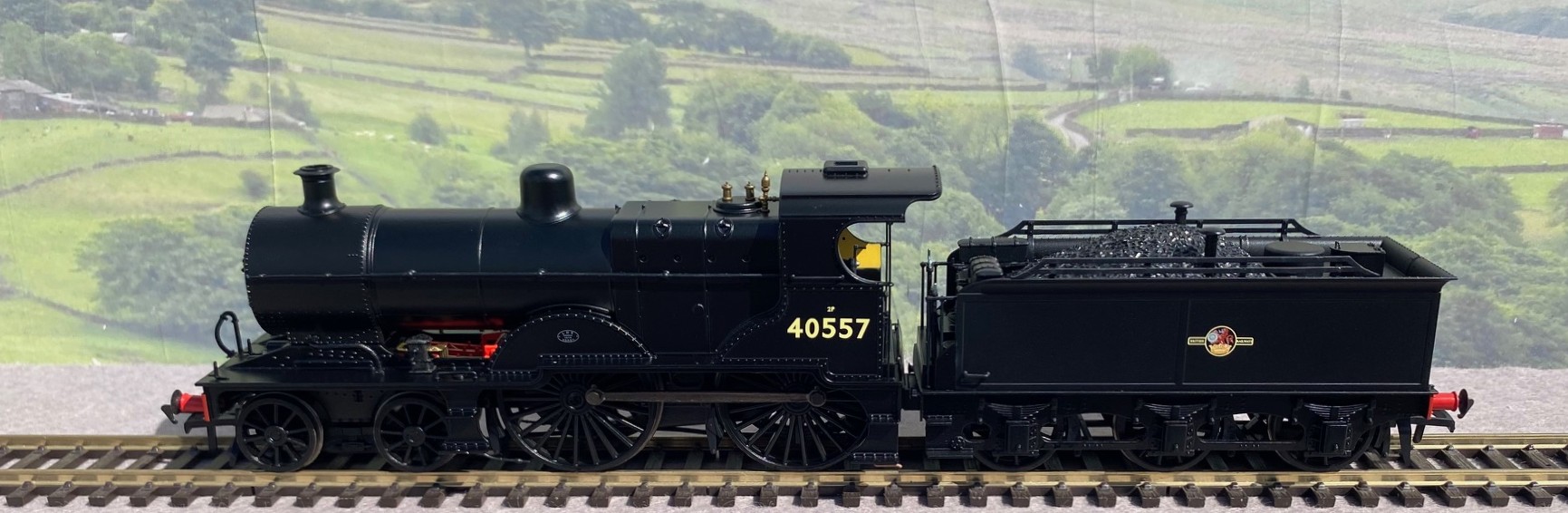
974012MR 483 No.40557 BR Late Crest
'OO' GaugeReleased: 19/08/26DCC Ready (21 Pin)Era 5The Midland Railway 483 Class 4-4-0 was a class of steam-driven locomotive designed by Henry Fowler for passenger work on the Midland Railway. The class were nominally "rebuilds" of various earlier classes designed by Samuel W. Johnson. This design formed the basis for the later LMS Class 2P 4-4-0.
Construction of the first batch was authorised by Midland Railway Order O/3942 dated 21 June 1911: Four more batches were authorised; in 1912, 1913, 1914 and 1922. The London, Midland and Scottish Railway (LMS) inherited these locomotives at the Grouping of the railways in 1923, completing the last of these rebuilds in 1924. Some of them entered British Railways (BR) ownership in 1948 but all were scrapped from 1950 to 1959.
Our Price:
£178.45
£178.45
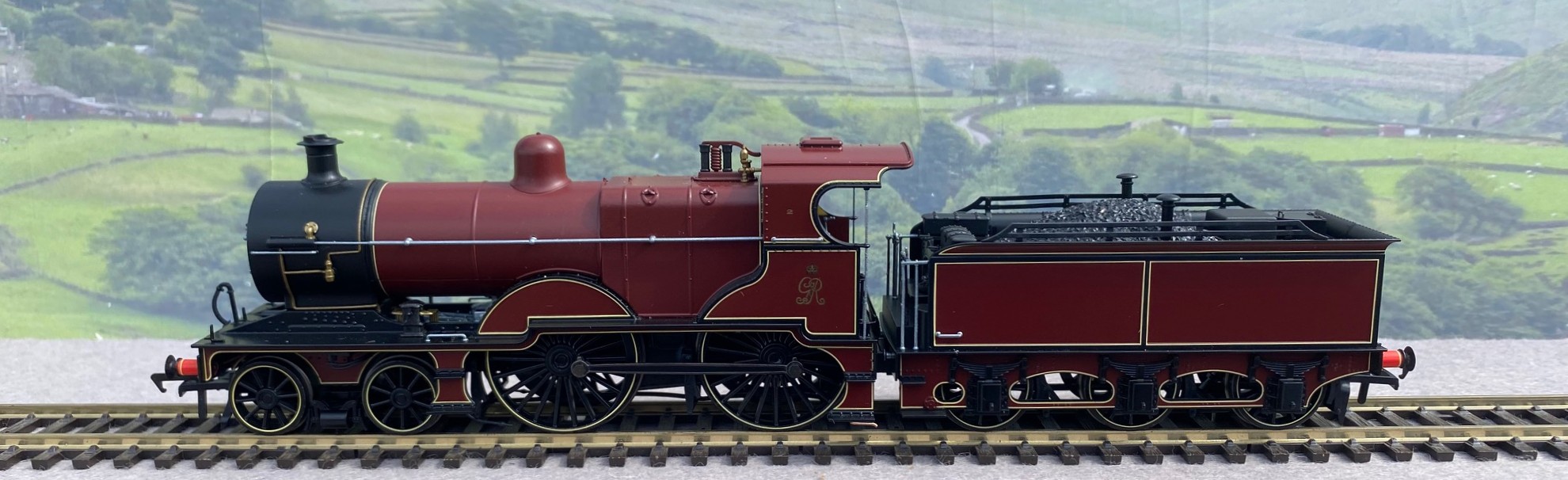
974501MR 483 No.502 Midland Railway Royal Train With DCC Sound Fitted
'OO' GaugeReleased: 19/08/26DCC FittedDCC SoundEra 2The Midland Railway 483 Class 4-4-0 was a class of steam-driven locomotive designed by Henry Fowler for passenger work on the Midland Railway. The class were nominally "rebuilds" of various earlier classes designed by Samuel W. Johnson. This design formed the basis for the later LMS Class 2P 4-4-0.
Construction of the first batch was authorised by Midland Railway Order O/3942 dated 21 June 1911: Four more batches were authorised; in 1912, 1913, 1914 and 1922. The London, Midland and Scottish Railway (LMS) inherited these locomotives at the Grouping of the railways in 1923, completing the last of these rebuilds in 1924. Some of them entered British Railways (BR) ownership in 1948 but all were scrapped from 1950 to 1959.
Our Price:
£271.95
£271.95
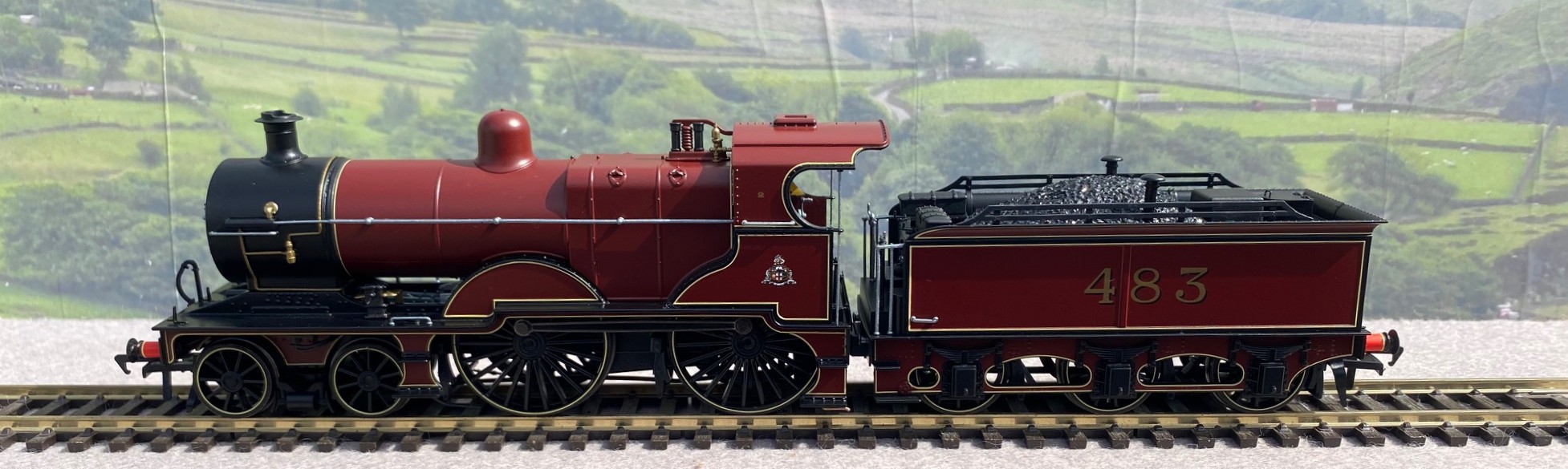
974502MR 483 No.483 Midland Railway Crimson With DCC Sound Fitted
'OO' GaugeReleased: 19/08/26DCC FittedDCC SoundEra 2The Midland Railway 483 Class 4-4-0 was a class of steam-driven locomotive designed by Henry Fowler for passenger work on the Midland Railway. The class were nominally "rebuilds" of various earlier classes designed by Samuel W. Johnson. This design formed the basis for the later LMS Class 2P 4-4-0.
Construction of the first batch was authorised by Midland Railway Order O/3942 dated 21 June 1911: Four more batches were authorised; in 1912, 1913, 1914 and 1922. The London, Midland and Scottish Railway (LMS) inherited these locomotives at the Grouping of the railways in 1923, completing the last of these rebuilds in 1924. Some of them entered British Railways (BR) ownership in 1948 but all were scrapped from 1950 to 1959.
Our Price:
£271.95
£271.95